Best Books For Mental Health
Understanding why is mental health important is the first step toward a healthier mind. These top books for mental health offer powerful mental health coping strategies drawn from science and psychology. This list of good mental health books contains essential recommendations for navigating challenges like anxiety and stress. We've compiled some of the most insightful popular mental health books, from therapeutic frameworks to practical tools for resilience. These summaries provide actionable insights for your journey. Curated by the VoxBrief team.
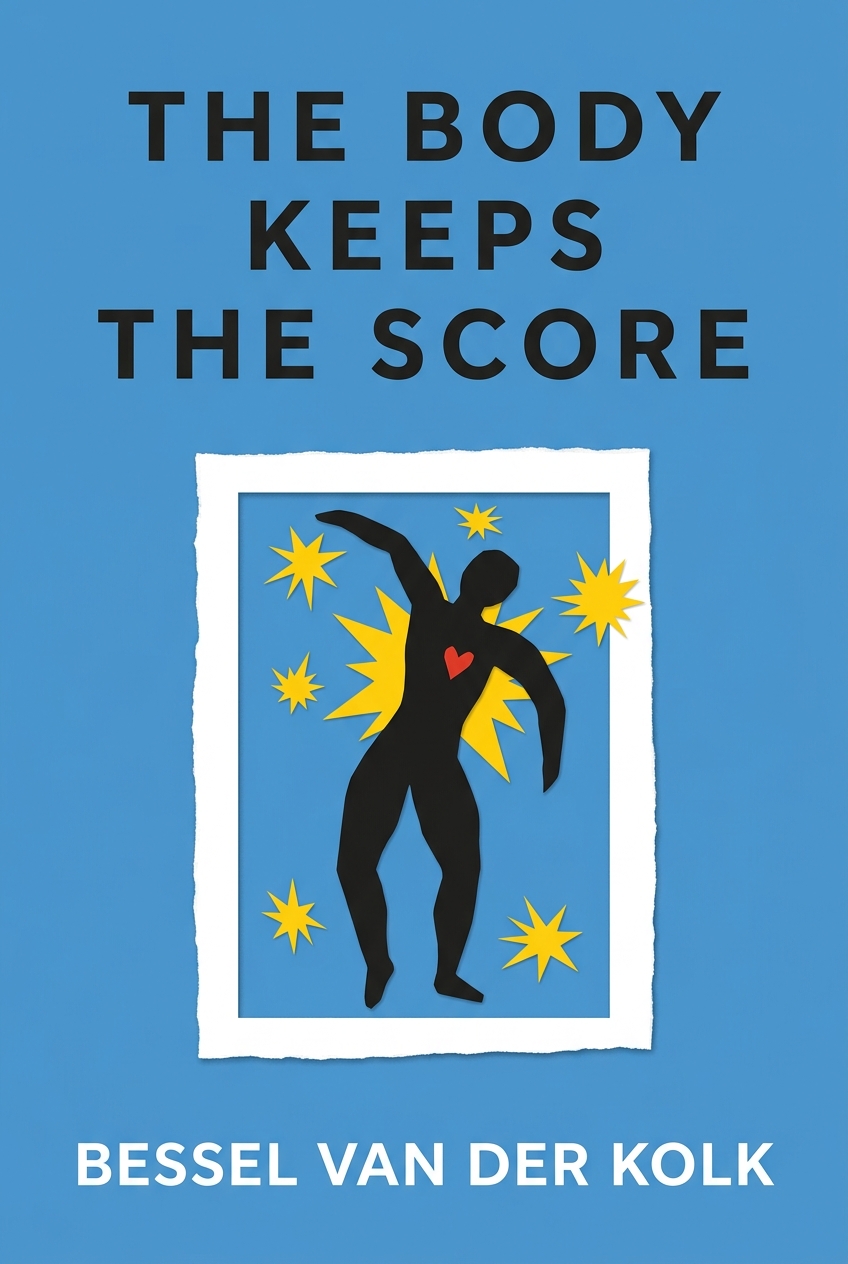
The Body Keeps the Score
Understand how trauma lives in the body and explore paths to healing.
- Trauma reshapes both the brain and the body's nervous system.
- Talk therapy alone is often insufficient for healing deep trauma.
- Body-based practices like yoga and mindfulness are crucial for recovery.
Trauma survivors and therapists seeking holistic healing methods.
Understand how trauma lives in the body and explore paths to healing.
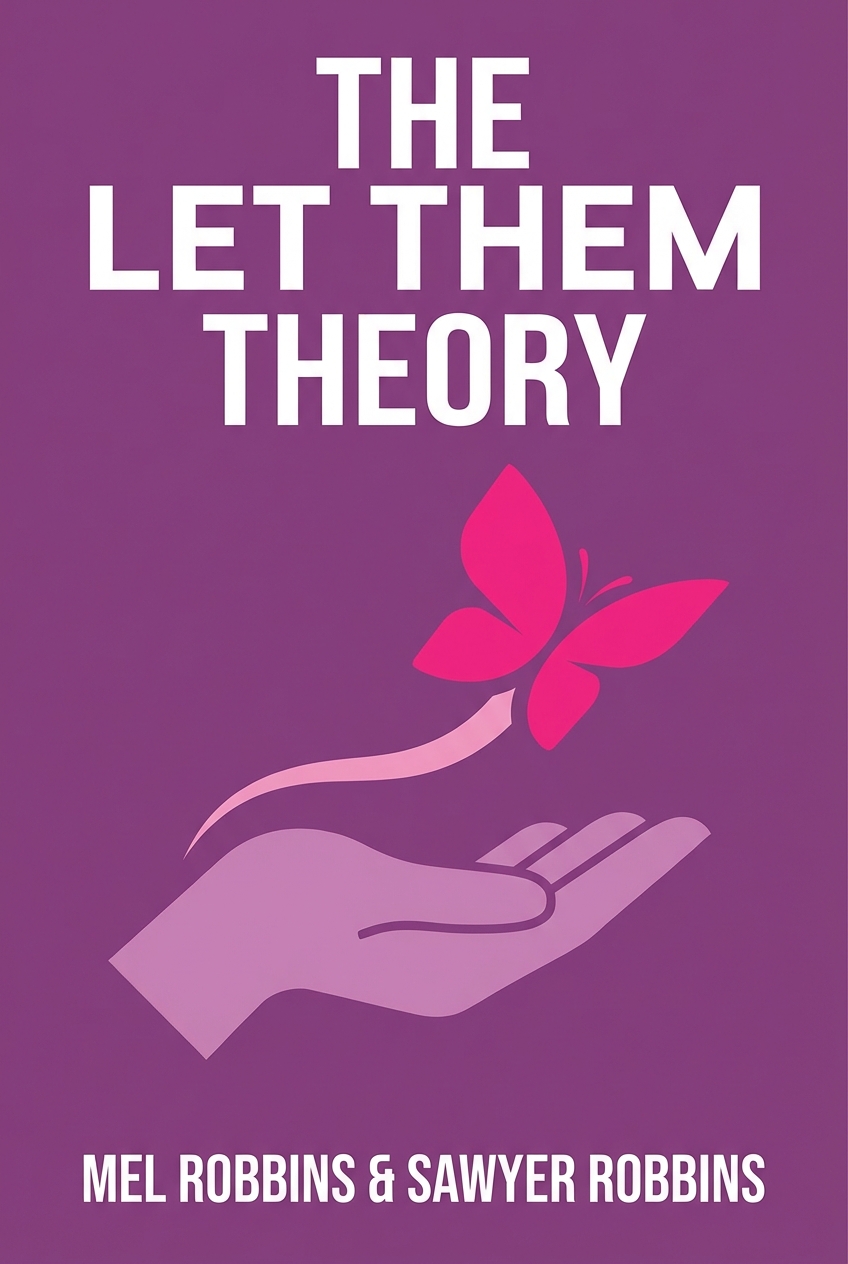
The Let Them Theory
Reclaim your peace and energy by letting go of what you cannot control.
- Stop trying to manage other people's opinions, feelings, and actions.
- Letting go is a power move that builds self-confidence and reduces drama.
- Focus your energy exclusively on your own responses and choices.
People-pleasers and over-thinkers tired of external drama.
Reclaim your peace and energy by letting go of what you cannot control.
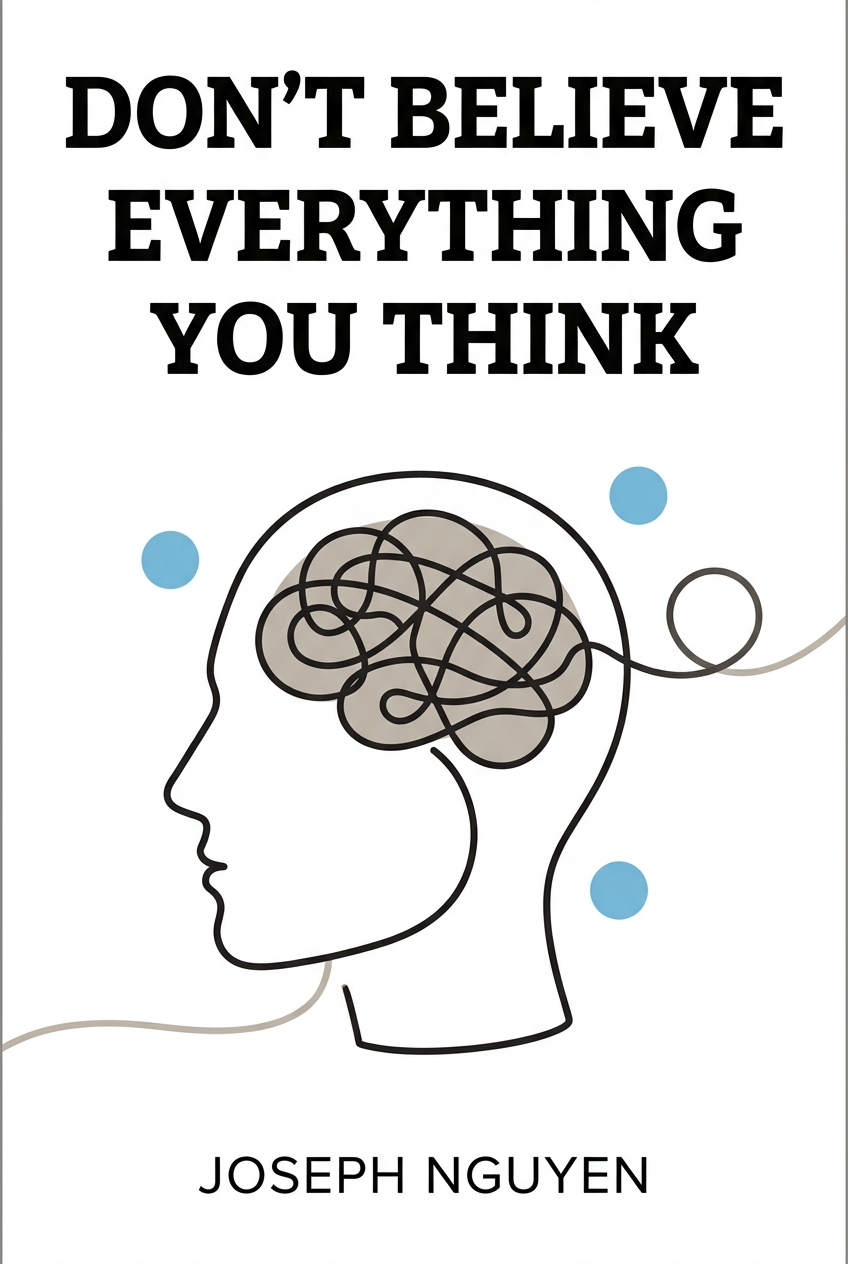
Don't Believe Everything You Think
Find peace by understanding how your thoughts create your reality.
- Feelings don't come from your circumstances; they come from your thinking.
- You don't need to control your thoughts, only recognize their transient nature.
- Lasting peace comes from realizing you are not your thoughts.
Mental health for beginners seeking a simple approach to ending anxiety.
Find peace by understanding how your thoughts create your reality.
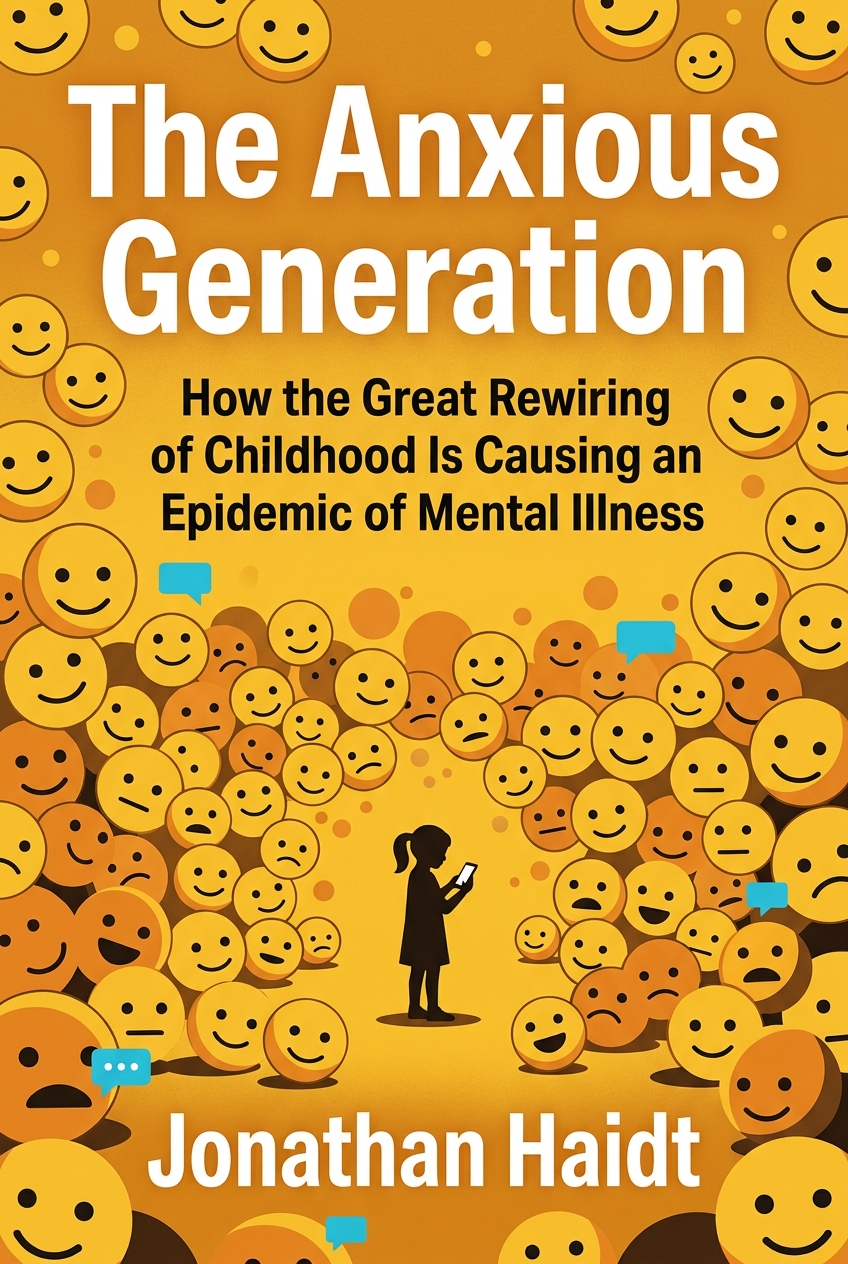
The Anxious Generation
Learn how smartphones fuel the youth mental health crisis and how to fix it.
- The decline of a play-based childhood is linked to rising anxiety.
- Smartphones have "rewired" teen brains for depression and fragility.
- Four collective actions can help reverse the damage to Gen Z's well-being.
Parents and educators concerned about tech's impact on student mental health.
Learn how smartphones fuel the youth mental health crisis and how to fix it.
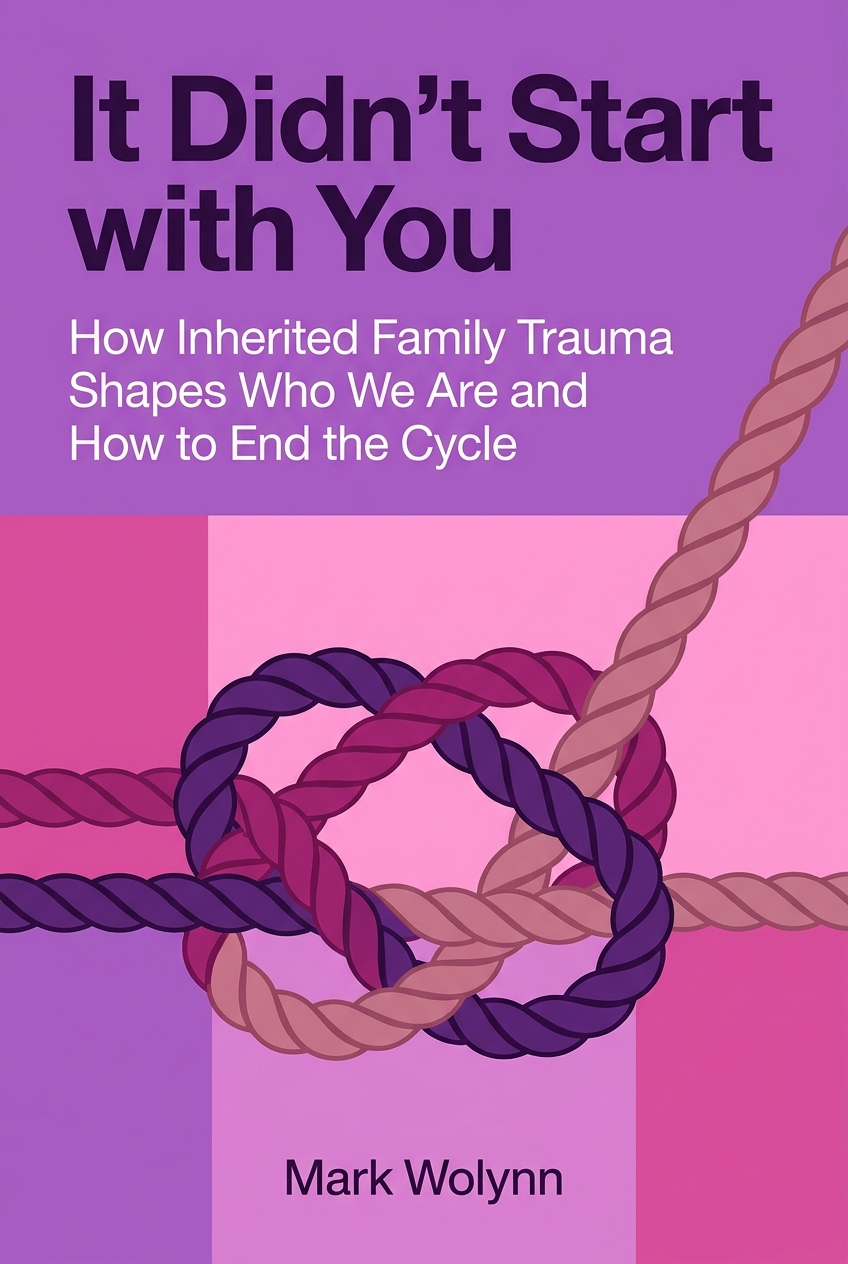
It Didn't Start with You
Uncover how inherited family trauma might be shaping your life today.
- Anxiety and depression can be passed down through generations.
- Your Core Language can reveal unresolved ancestral trauma.
- Healing involves identifying and breaking cycles you didn't start.
Those with recurring issues that don't seem to have a clear origin.
Uncover how inherited family trauma might be shaping your life today.
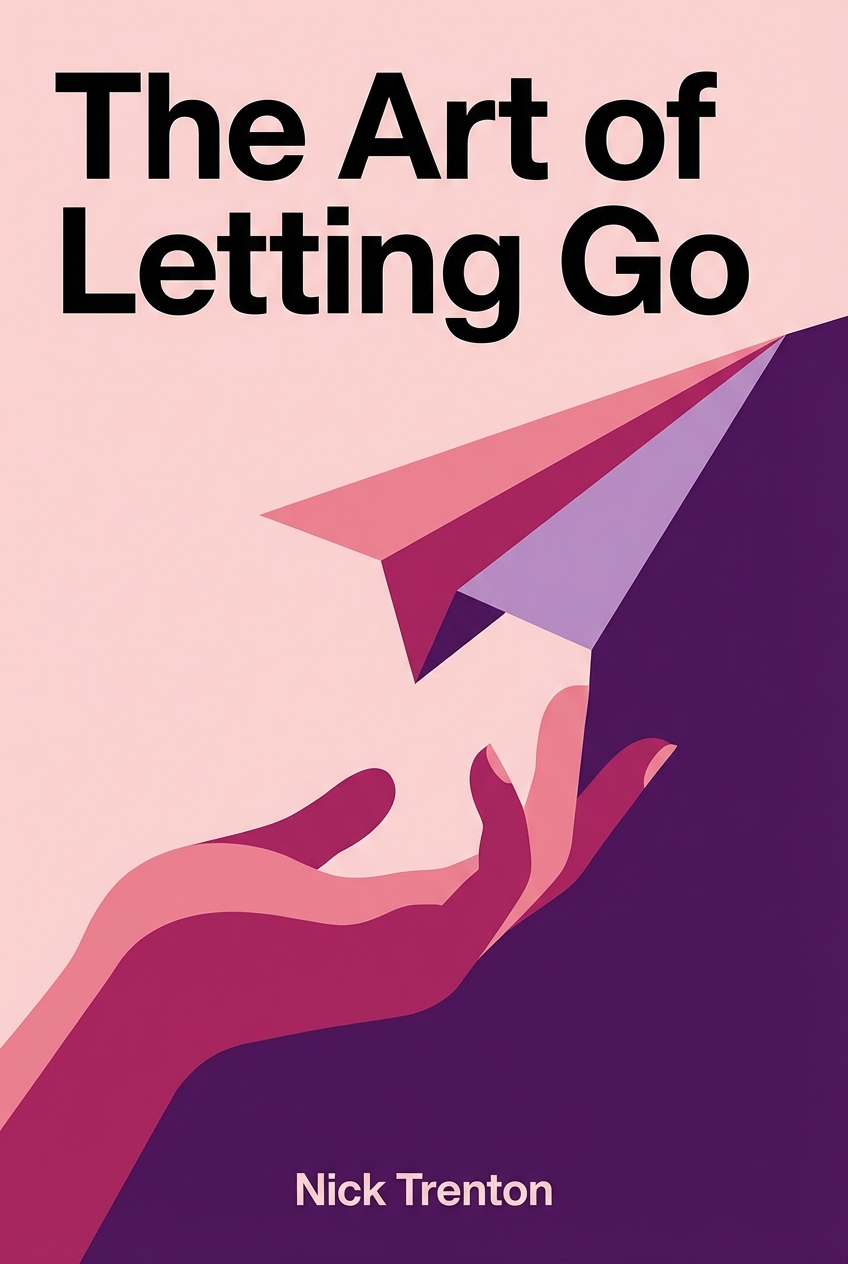
The Art of Letting Go
Silence your inner critic and detach from negative thoughts and outcomes.
- Identify and escape the psychological traps that cause suffering.
- Use science-backed techniques to detach from negative thoughts.
- Release resentments and painful memories to find genuine peace.
Overthinkers and perfectionists stuck ruminating on the past.
Silence your inner critic and detach from negative thoughts and outcomes.
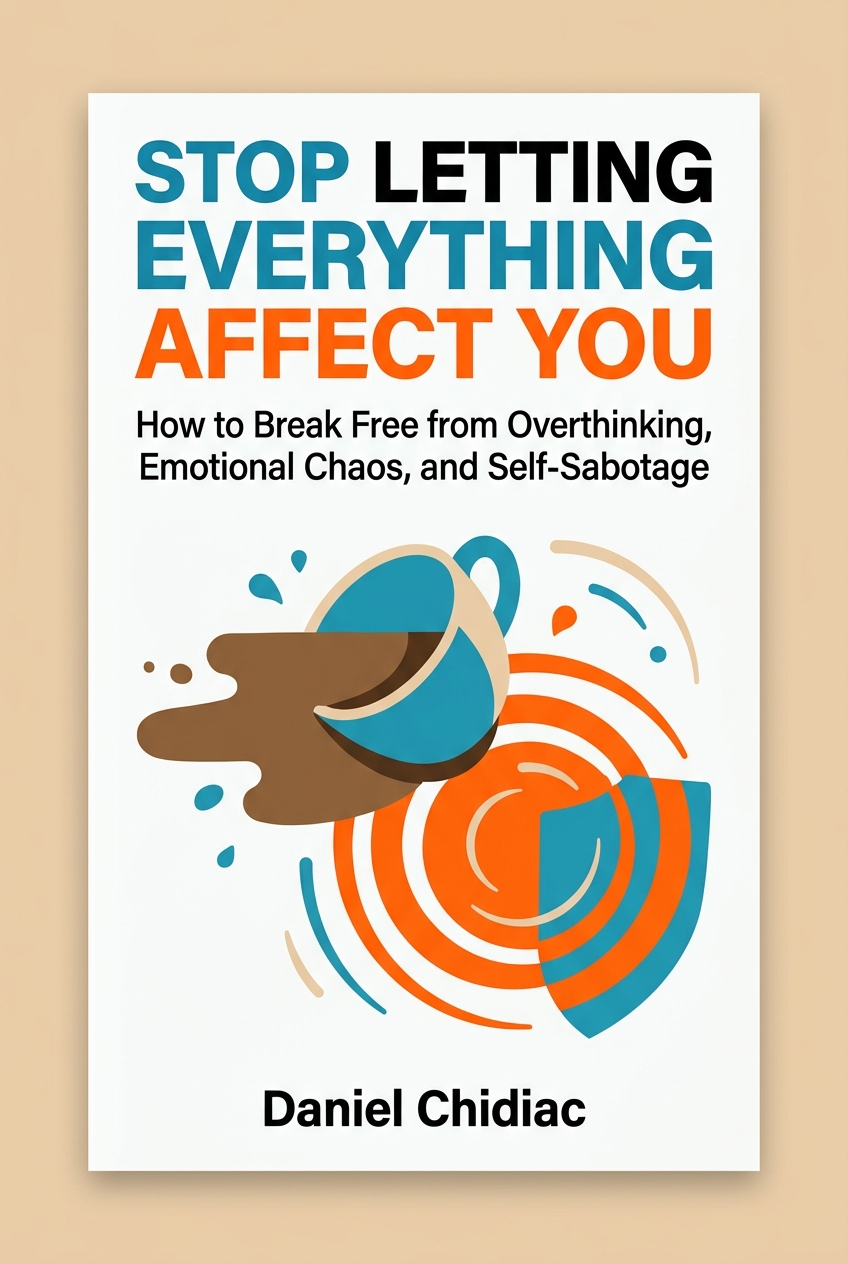
Stop Letting Everything Affect You
Master your emotions so external events can't dictate your inner peace.
- Build self-awareness to identify your personal emotional triggers.
- Learn to challenge and reframe self-sabotaging thought patterns.
- Cultivate a resilient mindset that is independent of external factors.
Highly sensitive people who feel emotionally overwhelmed by daily life.
Master your emotions so external events can't dictate your inner peace.
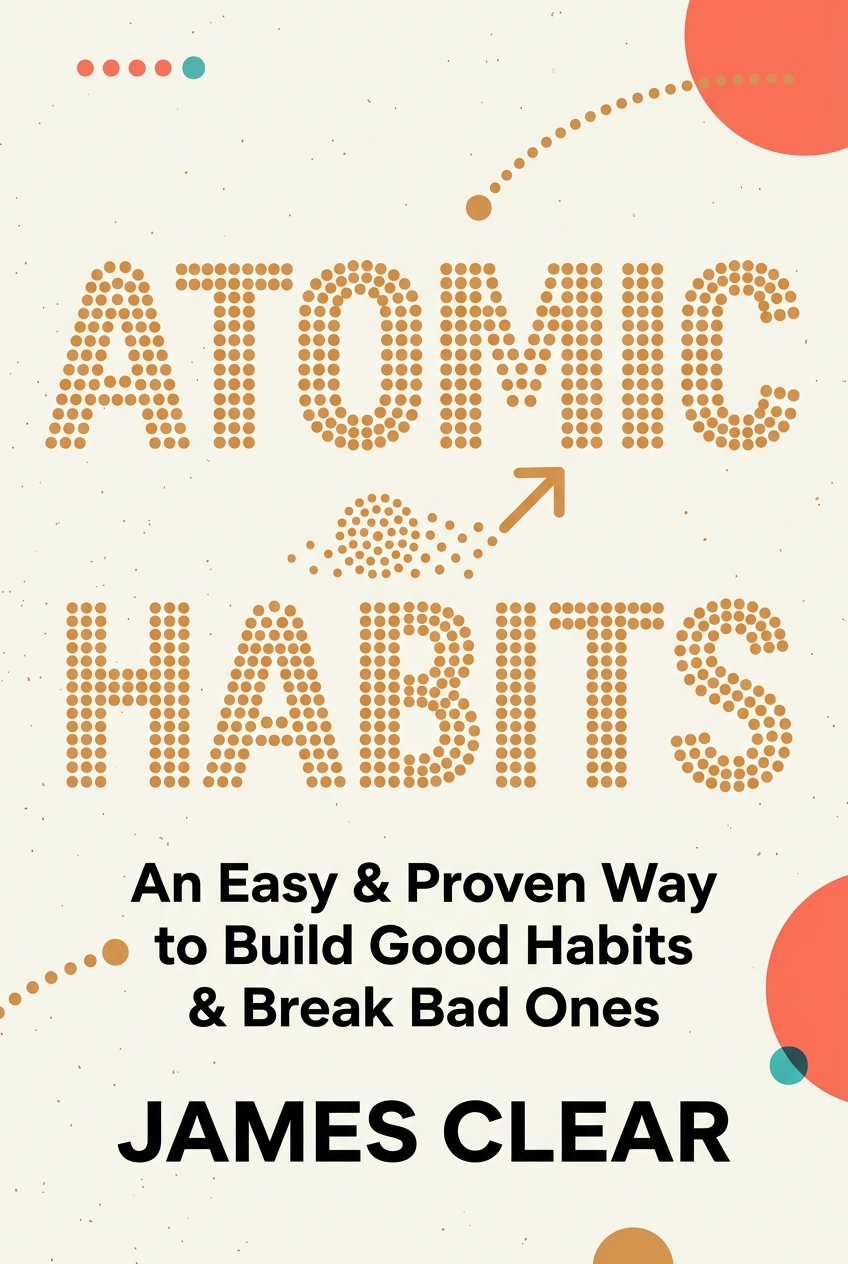
Atomic Habits
Build good habits and break bad ones with tiny, incremental changes.
- Focus on 1% improvements daily for monumental long-term results.
- Use the Four Laws: Make it Obvious, Attractive, Easy, and Satisfying.
- Shape your environment to make positive habits the path of least resistance.
Anyone trying to build better routines and break unhelpful patterns.
Build good habits and break bad ones with tiny, incremental changes.
Ikigai
Find your "reason for being" with this Japanese concept for a long life.
- Your ikigai is where passion, mission, vocation, and profession meet.
- Achieving a state of "flow" is essential for daily happiness and fulfillment.
- Small daily rituals and strong community ties contribute to longevity.
People searching for more purpose and meaning in their daily life.
Find your "reason for being" with this Japanese concept for a long life.
Man's Search for Meaning
Discover how to find purpose even in the most extreme suffering.
- Our primary drive in life is not pleasure, but the pursuit of meaning.
- We find meaning through work, love, and our attitude toward suffering.
- When we can't change a situation, we can choose how we respond to it.
Anyone facing adversity or questioning their life's purpose.
Discover how to find purpose even in the most extreme suffering.
Flow
Learn to create peak experiences of enjoyment and total involvement.
- "Flow" is an optimal state of deep absorption in a chosen activity.
- Happiness isn't passive; it's created through mindful challenges.
- Balance your skill level with a task's difficulty to achieve flow.
Professionals and creatives seeking more fulfillment from work and life.
Learn to create peak experiences of enjoyment and total involvement.

What Made Maddy Run
A star athlete's story reveals the hidden pressures of perfectionism.
- High-achievers often hide severe anxiety behind a perfect facade.
- Social media amplifies performance pressure and social comparison.
- Identifies warning signs of depression in driven young people.
Students, athletes, and parents navigating high-pressure environments.
A star athlete's story reveals the hidden pressures of perfectionism.

Unwind
Three teens fight to survive in a society that "unwinds" its youth.
- Explores complex questions about the value and definition of life.
- Examines societal consent to morally ambiguous practices.
- Highlights the desperate struggle for autonomy and a future.
Teens and adults who enjoy thought-provoking dystopian fiction.
Three teens fight to survive in a society that "unwinds" its youth.
Frequently Asked Questions
Absolutely. The right mental health books offer evidence-based strategies, new perspectives, and practical tools derived from therapy and neuroscience. They can be a powerful first step or a great supplement to professional help, helping you understand your mind and build resilience.
Mental health struggles are complex and can stem from genetics, environment, trauma, and brain chemistry. Powerful books about mental health, like *It Didn't Start with You* or *The Body Keeps the Score*, can help you explore these hidden factors. Understanding potential root causes is a key part of healing.
Long-term improvement often involves a combination of strategies. This may include building sustainable habits (*Atomic Habits*), finding purpose (*Man's Search for Meaning*), and learning to detach from negative thoughts (*The Art of Letting Go*). Consistency and self-compassion are crucial for lasting change.
VoxBrief summaries distill the core insights of the best books for mental health into concise audio clips. This allows you to quickly absorb key concepts, identify which full books resonate with you, and get actionable advice you can apply immediately, even with a busy schedule.