Books On Networking
Understanding how to improve networking is crucial for career growth, but many find it daunting. Mastering the right networking techniques can transform awkward interactions into genuine opportunities. This curated list of the best books for networking offers practical strategies for everyone, from an introvert looking to build confidence to a leader aiming to expand their influence. These networking book recommendations provide actionable advice for building a powerful and supportive professional circle. Explore these top titles to master the art of connection. Curated by the VoxBrief team.

The Coaching Habit
Become a better leader by asking questions instead of giving advice.
- Use seven essential questions to empower your team to solve their own problems.
- Shift from being an advice-giver to a facilitator of development.
- Make every interaction a potential coaching moment in 10 minutes or less.
Managers and leaders who want to develop a more self-sufficient team.
Become a better leader by asking questions instead of giving advice.

The Energy Bus
Transform negativity into positive momentum for your work, team, and life.
- Your positive energy is a magnet for success and attracts the right people.
- Take control of your life's direction by being the driver of your own bus.
- Fuel your journey with purpose and vision to inspire others to join you.
Leaders and individuals looking to overcome negativity and inspire their teams.
Transform negativity into positive momentum for your work, team, and life.

The Charisma Myth
Master the science-backed behaviors of charisma to become more influential.
- Charisma is a learnable skill based on presence, power, and warmth.
- Overcome anxiety by focusing outward instead of on your internal feelings.
- Use specific mindfulness and visualization techniques to project confidence.
Professionals looking to increase their influence and persuasive ability.
Master the science-backed behaviors of charisma to become more influential.

The Introvert’s Edge to Networking
Discover how your introverted nature can be your greatest networking superpower.
- Leverage natural listening skills to build deeper, more meaningful connections.
- Use a structured process to prepare for and follow up on networking events.
- Focus on quality conversations with a few people, not quantity.
Introverts who want an authentic, low-stress approach to building a network.
Discover how your introverted nature can be your greatest networking superpower.
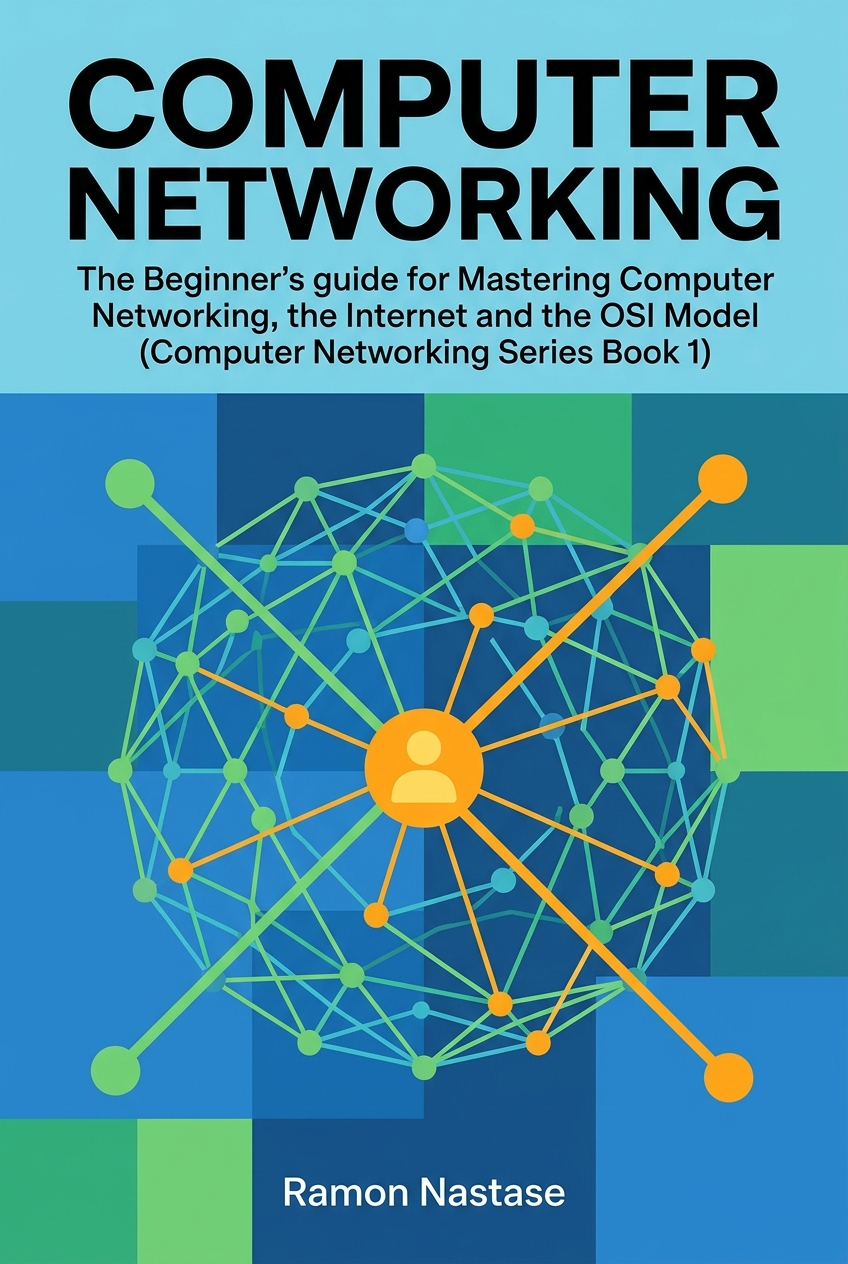
Computer Networking
Confidently understand how the internet works without the technical jargon.
- Demystify the 7 layers of the OSI model to see how data travels online.
- Grasp core concepts like IP addresses, subnets, and essential protocols.
- Learn the function of key hardware like routers, switches, and hubs.
Aspiring IT professionals or students needing foundational tech knowledge.
Confidently understand how the internet works without the technical jargon.
Networking For Dummies
Build a powerful professional network that opens doors and creates opportunities.
- Make memorable first impressions by being prepared and confident.
- Leverage social media like LinkedIn to maintain and grow your connections.
- Follow up consistently to turn initial meetings into lasting relationships.
Beginners seeking a simple, step-by-step guide to professional networking.
Build a powerful professional network that opens doors and creates opportunities.

Networking Made Easy
Turn simple conversations into real career opportunities, even if you're shy.
- Craft a compelling elevator pitch that clearly communicates your value.
- Navigate industry events with confidence using practical ice-breakers.
- Use simple follow-up strategies to stay top-of-mind with new contacts.
Professionals who struggle to start conversations and build career contacts.
Turn simple conversations into real career opportunities, even if you're shy.
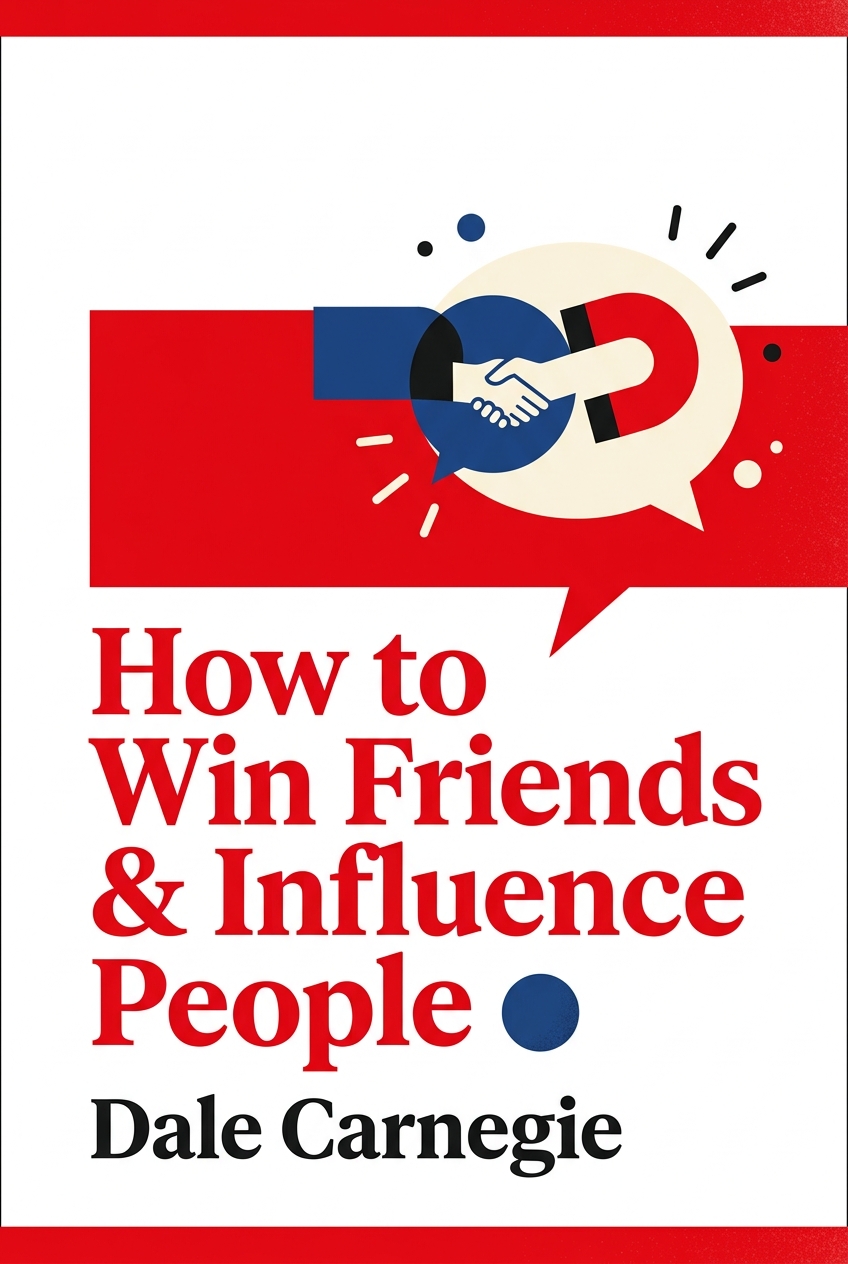
How to Win Friends & Influence People
Unlock timeless secrets to master human interaction and build instant rapport.
- Become genuinely interested in other people to make a good first impression.
- Remember and use people's names to make them feel important and valued.
- Avoid criticism and instead use encouragement to inspire change in others.
Anyone seeking to improve their personal and professional relationships.
Unlock timeless secrets to master human interaction and build instant rapport.

Never Eat Alone
Learn to build a powerful network of allies by turning contacts into connections.
- Build relationships long before you need something from your network.
- Generosity is the foundation of networking; always find ways to add value first.
- Turn every meal and social event into an opportunity for genuine connection.
Ambitious professionals who believe success is built on strong relationships.
Learn to build a powerful network of allies by turning contacts into connections.

The Fine Art of Small Talk
Conquer social anxiety and learn to turn small talk into meaningful connections.
- Prepare a few open-ended questions to break the ice in any situation.
- Learn how to gracefully enter and exit conversations in group settings.
- Mastering small talk is the gateway to developing deeper relationships.
Anyone who dreads social gatherings and wants conversation-starting skills.
Conquer social anxiety and learn to turn small talk into meaningful connections.
Frequently Asked Questions
Networking is vital for career growth as it opens doors to new opportunities, partnerships, and knowledge sharing. Building a strong professional network provides you with a support system for advice, mentorship, and access to information you wouldn't find on your own, ultimately accelerating your professional development.
Practice networking daily by taking small, consistent actions. You can send a brief check-in email to a former colleague, comment thoughtfully on a LinkedIn connection's post, or make a relevant introduction between two people in your network. The goal is to nurture relationships consistently, not just when you need something.
A common mistake is making networking purely transactional—only reaching out when you need a favor. Others include not listening during conversations, failing to follow up after meeting someone, and asking for significant help too early in a relationship. Finding the best book on networking for your personality can help you avoid these pitfalls and build genuine connections.