Passive Income Books
Understanding what passive income is—earnings that don't require daily effort—is the first step towards financial freedom. This curated list of the best books about passive income provides clear blueprints on how to build passive income streams through investing, real estate, and online businesses. Our passive income book recommendations are designed to give you actionable strategies, not just theory. Find the right path for your financial goals with these essential passive income books. Curated by the VoxBrief team.

The Psychology of Money
Your financial success is driven by psychology, not just numbers.
- Building wealth is more about your behavior than your intelligence.
- Harness the slow, powerful magic of compounding over time.
- Make peace with risk and uncertainty, as they are part of investing.
Investors who want to understand the mindset behind true wealth.
Your financial success is driven by psychology, not just numbers.

The Simple Path to Wealth
A no-nonsense guide to building wealth with low-cost index funds.
- Invest consistently in a broad-market, low-cost index fund.
- Avoid debt and complicated investment products at all costs.
- Stay the course through market volatility for long-term growth.
Beginners seeking a simple, hands-off investing plan for financial freedom.
A no-nonsense guide to building wealth with low-cost index funds.

The Book on Rental Property Investing
The blueprint for building financial freedom through rental properties.
- Learn to analyze deals to ensure positive cash flow from day one.
- Find and finance properties using proven, repeatable strategies.
- Develop systems for managing tenants and maintenance effectively.
Aspiring real estate investors ready to buy their first rental property.
The blueprint for building financial freedom through rental properties.
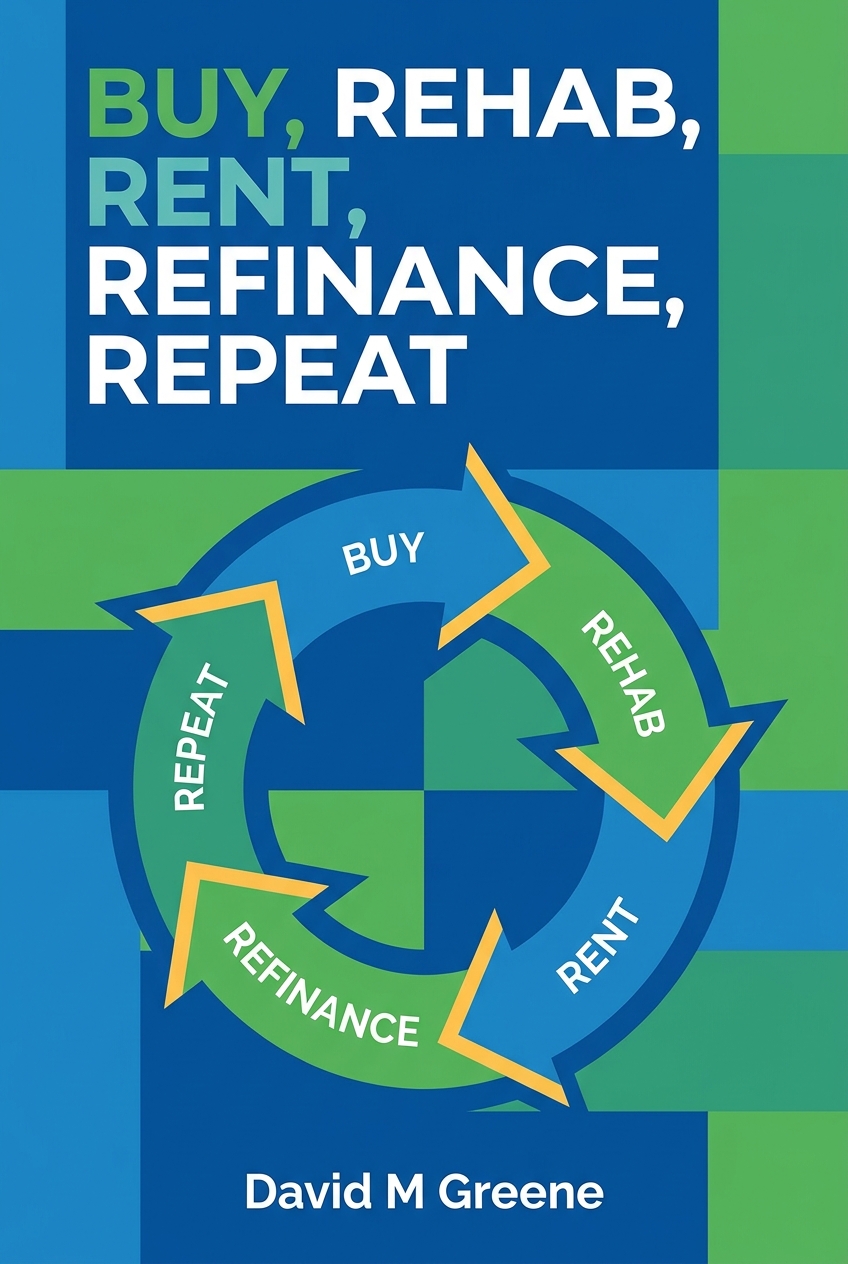
Buy, Rehab, Rent, Refinance, Repeat
Build a rental portfolio using little to none of your own money.
- Use the BRRRR method to recycle your investment capital into new deals.
- Force appreciation through strategic property rehabilitation and improvements.
- Scale your real estate portfolio faster than with traditional methods.
Real estate investors who want to scale their rental portfolio quickly.
Build a rental portfolio using little to none of your own money.

The Side Hustle
Turn your spare time into a flexible, profitable income stream.
- Identify your most marketable skills to build a business around.
- Validate your business idea quickly before investing too much time.
- Use effective marketing strategies to find your first paying customers.
Anyone looking to earn extra income without quitting their day job.
Turn your spare time into a flexible, profitable income stream.
Fire Yourself
Quit your job by investing in real estate syndications.
- Invest passively in large real estate deals as a limited partner.
- Learn how to vet sponsors and analyze syndication opportunities.
- Build a professional network to gain access to exclusive investment deals.
Professionals seeking passive real estate returns without being a landlord.
Quit your job by investing in real estate syndications.

The Lifestyle Investor
Generate passive income without sacrificing your current lifestyle.
- Create cash flow from low-risk, unconventional assets and partnerships.
- Find off-market deals through strategic networking.
- Structure deals to protect your capital while maximizing returns.
Experienced investors looking for creative, low-risk cash flow deals.
Generate passive income without sacrificing your current lifestyle.
Passive Income Ideas
101 practical, low-cost strategies to start earning passive income.
- Start generating passive income with less than $1000 in capital.
- Explore diverse ideas like blogging, digital products, and dividend stocks.
- Focus on tangible strategies, not unrealistic get-rich-quick schemes.
Beginners looking for diverse, low-capital passive income ideas to start.
101 practical, low-cost strategies to start earning passive income.

Build Passive Income with AI – No Code? No Budget? No Problem!
Use free AI tools to create and sell digital products for profit.
- Create AI-generated art, e-books, or even automated businesses.
- Build new income streams with no coding skills or large budget.
- Find profitable niches and market your AI creations effectively.
Creators and entrepreneurs eager to leverage AI for automated income.
Use free AI tools to create and sell digital products for profit.
Passive Automated Recurring Income
Build income streams that pay you repeatedly from one-time work.
- Focus on projects with automated and recurring revenue models.
- Create systems to turn a single effort into lasting, reliable income.
- Scale your projects from launch to a hands-off income source.
Creators wanting to build "work once, earn forever" digital assets.
Build income streams that pay you repeatedly from one-time work.
Frequently Asked Questions
Start with low-capital ideas like creating digital products, affiliate marketing, or starting a niche blog. You can also begin index fund investing with small contributions or use platforms for fractional real estate investing. The best books on passive income cover these exact strategies.
All investments carry some risk, but you can mitigate it through diversification, research, and starting small. Strategies like investing in broad-market index funds are generally lower risk over the long term than trying to pick individual stocks or flipping properties.
For most beginners, low-cost index fund investing is an excellent start due to its simplicity and proven long-term returns. Another great option is creating a small online business based on a skill you already have, as it requires more time than money to get started.
A side hustle is active income—you trade your time for money, like freelancing. Passive income requires significant upfront work but then generates money with minimal ongoing effort, such as royalties from a book or dividends from stocks.