Best Books About Habits
Understanding why routines and habits are important is the key to unlocking consistent progress in life. But knowing how to build routines and habits that actually stick can be a challenge. This selection of the best routines and habits books offers powerful frameworks, from tiny changes to major mindset shifts. Our routines and habits book recommendations provide science-backed techniques that work for everyone, from beginners to professionals seeking to improve their daily lives. Curated by the VoxBrief team.
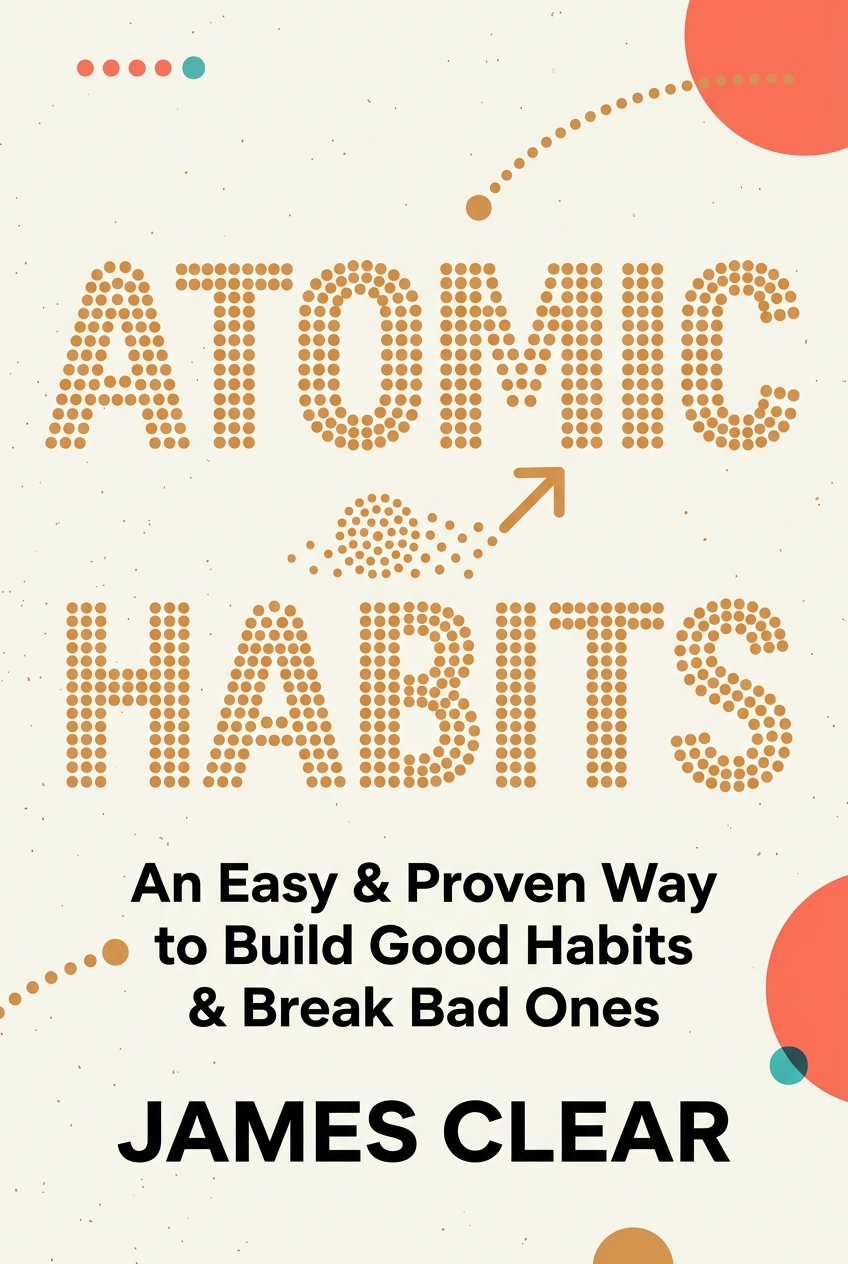
Atomic Habits
Learn how tiny, daily changes create monumental results in your life.
- Focus on 1% improvements daily for massive long-term growth.
- Use the Four Laws: Make it obvious, attractive, easy, and satisfying.
- Build identity-based habits by becoming the person you want to be.
Anyone looking for a practical, step-by-step system for change.
Learn how tiny, daily changes create monumental results in your life.
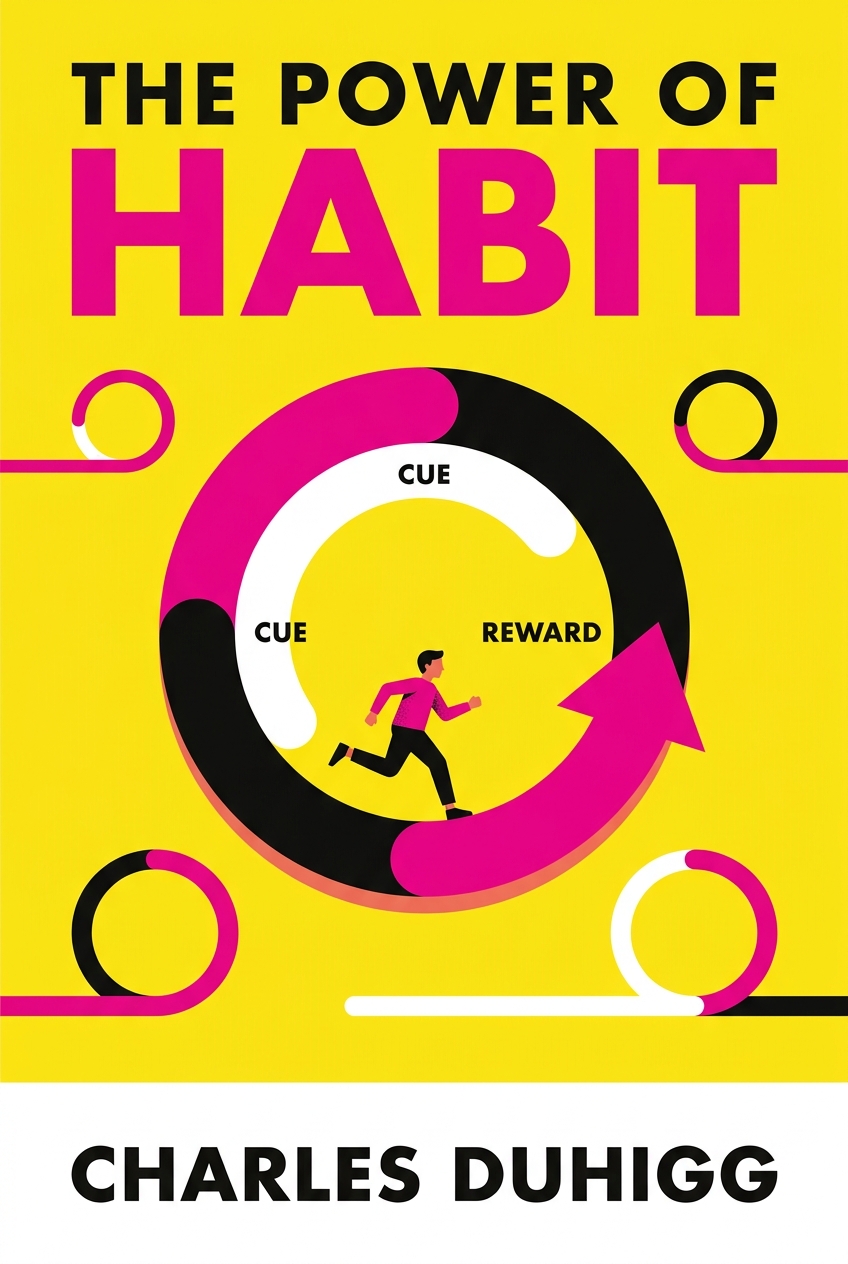
The Power of Habit
Understand the neurological loop that drives your habits and how to change it.
- Habits work in a "Cue, Routine, Reward" loop.
- Change habits by replacing the routine while keeping the cue and reward.
- Keystone habits can create a chain reaction of positive change.
Readers curious about the science behind why we do what we do.
Understand the neurological loop that drives your habits and how to change it.
The 7 Habits of Highly Effective People
A principle-centered framework for achieving personal and professional goals.
- Be proactive and take responsibility for your life's direction.
- Put first things first by prioritizing your most important tasks.
- Seek to understand others before trying to be understood.
Professionals seeking long-term effectiveness and purpose.
A principle-centered framework for achieving personal and professional goals.
Tiny Habits
Build life-changing habits in less than a minute a day with a simple formula.
- Use the formula: Anchor, Behavior, Celebration (ABC).
- Make new habits so small you have no excuse not to do them.
- Positive emotions and celebration help wire habits into your brain.
People who feel overwhelmed by big goals and want to start small.
Build life-changing habits in less than a minute a day with a simple formula.
High Performance Habits
Adopt the six proven habits that separate high achievers from everyone else.
- Seek clarity on who you want to be and what you want to achieve.
- Generate energy through proper diet, exercise, and sleep.
- Develop influence by being a role model and helping others grow.
Ambitious individuals striving to reach the next level of success.
Adopt the six proven habits that separate high achievers from everyone else.
Breaking the Habit of Being Yourself
Learn to rewire your brain and break free from self-limiting patterns.
- Your personality is created by your thoughts, actions, and feelings.
- You can change your reality by changing your internal state of being.
- Meditation is a key tool for accessing the subconscious mind.
Those feeling stuck and ready for a deep personal transformation.
Learn to rewire your brain and break free from self-limiting patterns.
The Coaching Habit
Empower your team in 10 minutes or less by asking seven essential questions.
- Great leaders coach more and advise less.
- Ask "And what else?" to uncover deeper insights and challenges.
- Empower others to solve their own problems and take ownership.
Managers and leaders who want to develop their team's potential.
Empower your team in 10 minutes or less by asking seven essential questions.

The Power of Discipline
Unlock unbreakable mental toughness in 30 days to conquer procrastination.
- Discipline is a skill that can be developed through daily practice.
- Build an unstoppable routine to automate success and reduce decision fatigue.
- Learn to control your impulses and stay focused on long-term goals.
Goal-setters who need the mental fortitude to see projects through.
Unlock unbreakable mental toughness in 30 days to conquer procrastination.
The High 5 Habit
Build confidence with a simple daily ritual of self-celebration.
- Start your day by giving yourself a high-five in the mirror.
- This simple action rewires your brain for positivity and self-worth.
- Become your own biggest cheerleader to build unshakable confidence.
Anyone who struggles with self-criticism and negative self-talk.
Build confidence with a simple daily ritual of self-celebration.
Better Than Before
Discover your unique personality type to build habits that work for you.
- The Four Tendencies define how we respond to expectations.
- Build habits by using strategies tailored to your specific tendency.
- Understanding yourself is the key to making lasting change.
People who have failed with one-size-fits-all habit advice.
Discover your unique personality type to build habits that work for you.
The Now Habit
Overcome procrastination by understanding its surprising root causes.
- Procrastination is often a coping mechanism, not laziness.
- Use an "Unschedule" to plan for guilt-free play and relaxation first.
- Focus on starting tasks without the pressure of finishing them.
Chronic procrastinators tired of stress, deadlines, and guilt.
Overcome procrastination by understanding its surprising root causes.
The Power of Self-Discipline
Master your impulses and develop relentless willpower in just 5 minutes a day.
- Use psychological hacks to build lasting habits and break procrastination.
- Strengthen your mental fortitude with simple, daily exercises.
- Overcome temptation by understanding its psychological triggers.
Those looking for quick, daily exercises to build mental strength.
Master your impulses and develop relentless willpower in just 5 minutes a day.

Emotional Intelligence Habits
Build simple, daily habits to master your feelings and reactions.
- Master four core EQ skills: self-awareness, self-management, and more.
- Learn to read people accurately and manage relationships effectively.
- Don't let emotions hijack your decisions and damage your success.
Professionals seeking to improve their interpersonal skills.
Build simple, daily habits to master your feelings and reactions.
Mindset
Learn how a simple shift in your thinking can unlock your true potential.
- A growth mindset believes abilities can be developed through dedication.
- A fixed mindset believes abilities are innate and unchangeable.
- Embracing challenges is crucial for learning and personal growth.
Parents, teachers, and anyone wanting to overcome self-limiting beliefs.
Learn how a simple shift in your thinking can unlock your true potential.
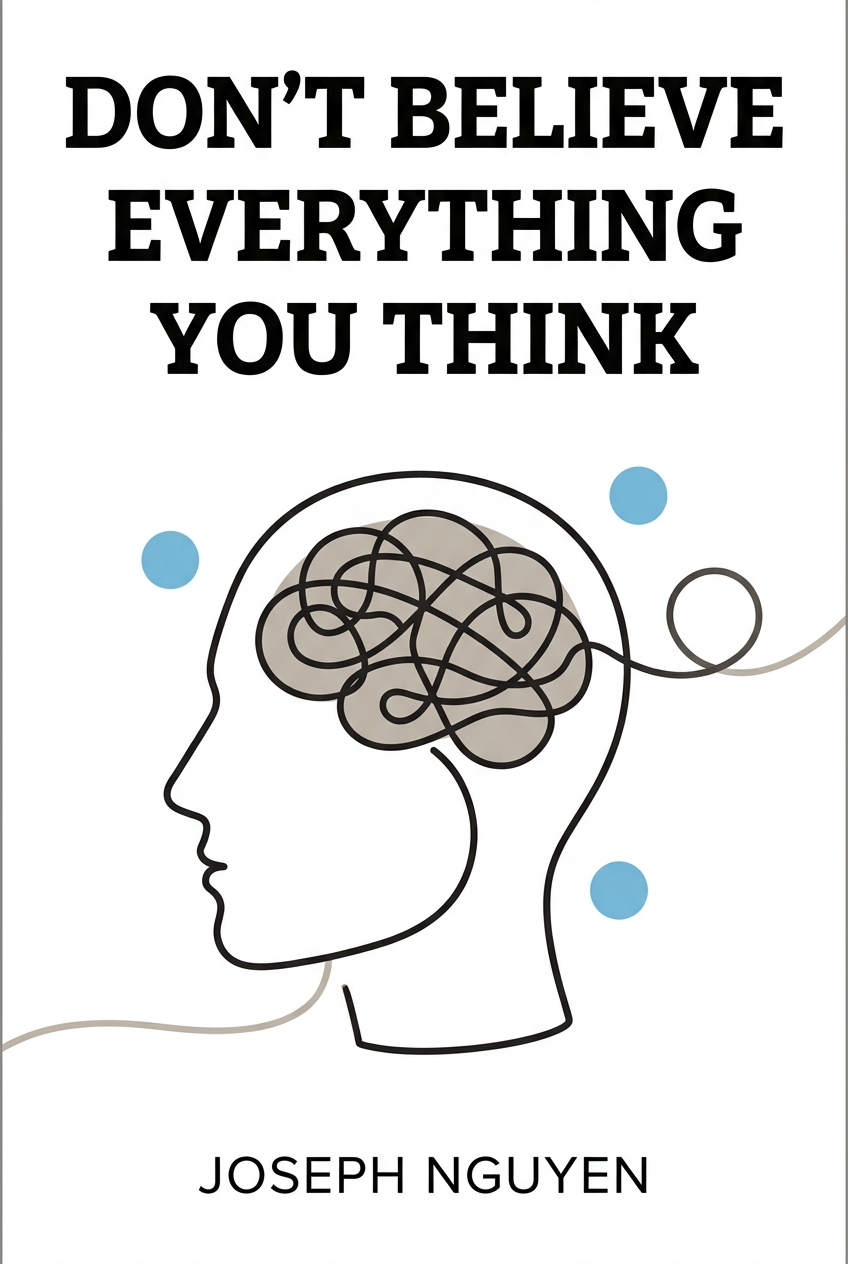
Don't Believe Everything You Think
Find effortless peace by understanding how your thoughts create your reality.
- Your feelings come from your thinking, not your circumstances.
- You don't need to control or manage your thoughts to find peace.
- Realize you are not your thoughts and let negative ones pass by.
People suffering from anxiety, overthinking, and negative thought loops.
Find effortless peace by understanding how your thoughts create your reality.
How Leaders Can Inspire Accountability
Build a culture where your team takes ownership without constant follow-up.
- Inspiring accountability is a learnable skill, not an innate trait.
- Set crystal-clear expectations to eliminate confusion and excuses.
- Provide effective feedback that encourages growth and ownership.
Leaders tired of micromanaging and chasing down their team.
Build a culture where your team takes ownership without constant follow-up.

The Subtle Art of Not Giving a F*ck
Learn to live a better life by choosing what truly matters and letting go.
- A happy life comes from solving problems, not avoiding them.
- Choose your struggles wisely; you can't care about everything.
- Embrace limitations and accept painful truths to find genuine courage.
Anyone tired of toxic positivity and seeking a realistic life philosophy.
Learn to live a better life by choosing what truly matters and letting go.
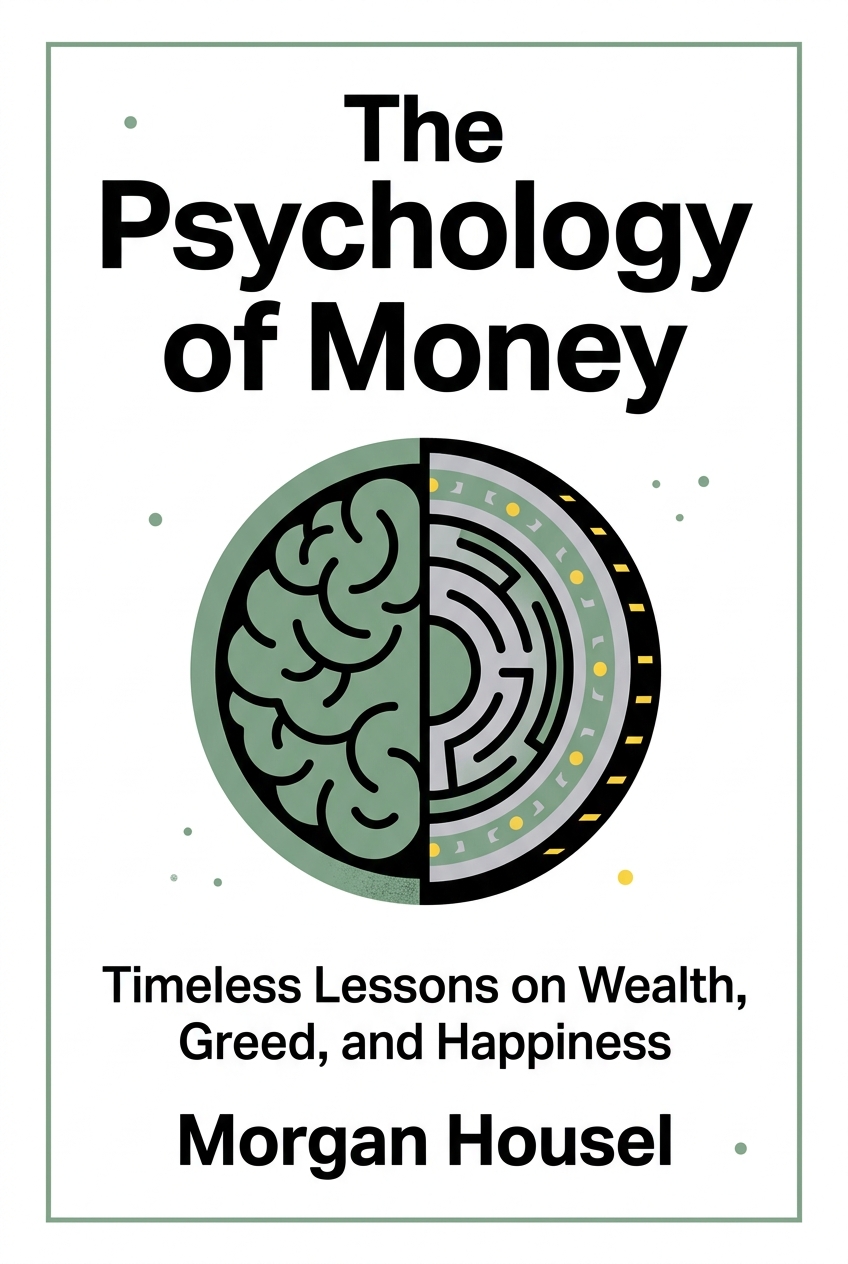
The Psychology of Money
Understand the simple behaviors that build true, lasting wealth and peace of mind.
- Your financial success depends more on behavior than intelligence.
- Harness the magic of compounding by being patient and consistent.
- True wealth is the freedom and options your money provides you.
Anyone who wants to improve their financial habits and mindset.
Understand the simple behaviors that build true, lasting wealth and peace of mind.
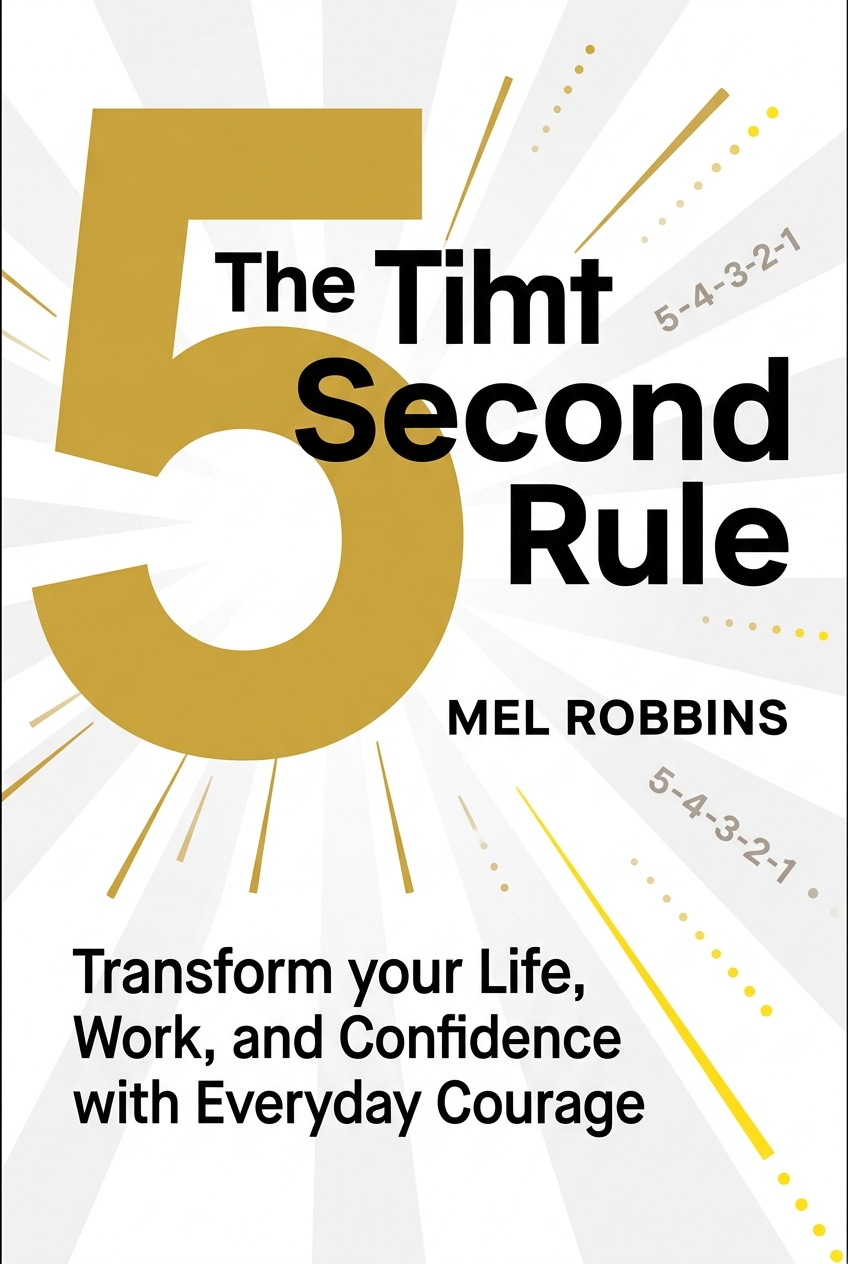
The 5 Second Rule
Use a simple mental trick to override hesitation and take immediate action.
- Counting 5-4-3-2-1 interrupts self-doubt and pushes you to act.
- This rule is a tool to break the habit of procrastination and overthinking.
- Taking action builds the confidence and momentum you need for change.
Procrastinators who need a tool to start moving on their goals.
Use a simple mental trick to override hesitation and take immediate action.
Frequently Asked Questions
Habits are hard because our brains are wired to prefer immediate rewards and the path of least resistance. Building a new habit often requires short-term discomfort for a long-term gain, which goes against our natural instincts. Lasting change involves overcoming inertia and rewiring deep-seated neural pathways.
Consistency comes from making habits obvious, attractive, easy, and satisfying. Start with a habit so small you can't say no, link it to an existing routine, and track your progress. Celebrating small wins is also crucial for reinforcing the behavior.
While talent provides a head start, an effective system of routines and habits is what ultimately leads to long-term success. Talent can be wasted without discipline, whereas consistent habits can help anyone master a skill and outperform those who rely on talent alone.
For beginners, "Atomic Habits" by James Clear is an excellent starting point. It provides a clear, practical, and step-by-step framework that is easy to understand and apply immediately. "Tiny Habits" by BJ Fogg is another great choice for those who feel overwhelmed and want to start incredibly small.