Best Science Books
Science is the systematic method we use to understand how the world works, with key concepts often explained simply through powerful stories. It's not just for academics; it's for anyone curious about reality. This list of top science books offers a gateway to profound knowledge, breaking down complex ideas about the universe, life, and matter into digestible insights. Our science book recommendations are designed to expand your mind and provide a foundation in crucial topics. These scientific books are essential reading for the modern world. Curated by the VoxBrief team.
Seven Brief Lessons on Physics
Unlocks the universe's biggest secrets, making modern physics simple and intuitive.
- Modern physics can be made understandable for anyone, regardless of background.
- Einstein's theory of relativity reshaped our understanding of space and time.
- Quantum mechanics governs the strange behavior of the universe's smallest particles.
Curious minds who feel intimidated by physics but want to understand reality.
Unlocks the universe's biggest secrets, making modern physics simple and intuitive.
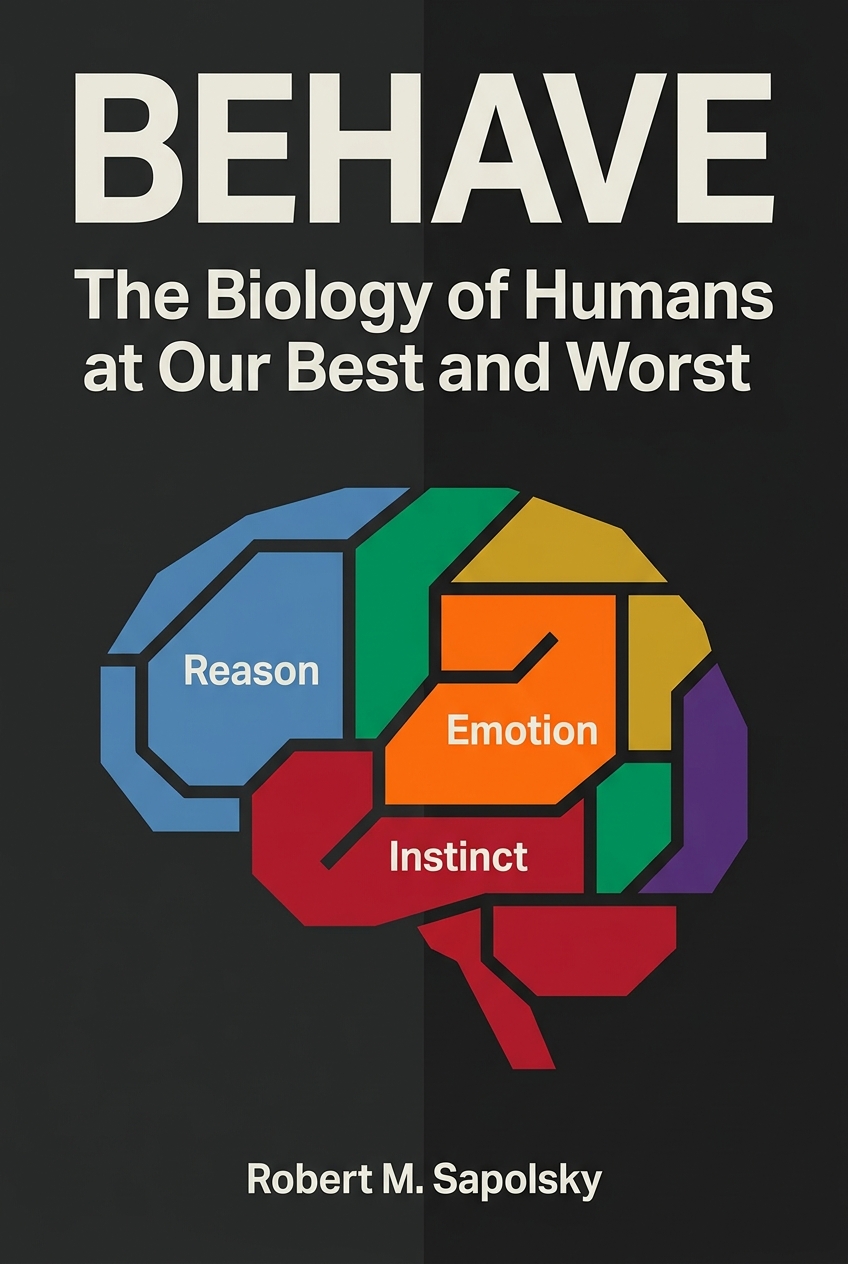
Behave
Decodes the biological mystery behind every human action, from instinct to decision.
- Human behavior is a result of forces acting seconds, hours, and millennia before.
- Hormones, genetics, and environment converge to shape your unique responses.
- Understanding biology reveals why we act in both our best and worst ways.
Anyone seeking to understand the deep biological roots of their own decisions.
Decodes the biological mystery behind every human action, from instinct to decision.

Entangled Life
Uncovers the hidden world of fungi and its intelligent connection to all life.
- Fungi form an intelligent, hidden network that connects and sustains ecosystems.
- These organisms can help solve human problems like pollution and disease.
- Fungi are key to understanding our planet's past and shaping its future.
Nature lovers and systems thinkers curious about the unseen networks of life.
Uncovers the hidden world of fungi and its intelligent connection to all life.
Stuff Matters
Reveals the secret science of everyday materials, from steel to chocolate.
- Every material has a hidden story that shaped human history and innovation.
- The unique properties of substances are determined by their atomic structure.
- Understanding materials is key to creating the technology of the future.
Inquisitive people who want to understand the science behind everyday objects.
Reveals the secret science of everyday materials, from steel to chocolate.
The Structure of Scientific Revolutions
Explains the hidden patterns behind every major scientific breakthrough in history.
- Science progresses through “paradigm shifts,” not just gradual accumulation of facts.
- “Normal science” operates within accepted theories and can resist new ideas.
- Breakthroughs often come from anomalies that the current paradigm cannot explain.
Innovators, strategists, and thinkers who want to drive transformative change.
Explains the hidden patterns behind every major scientific breakthrough in history.
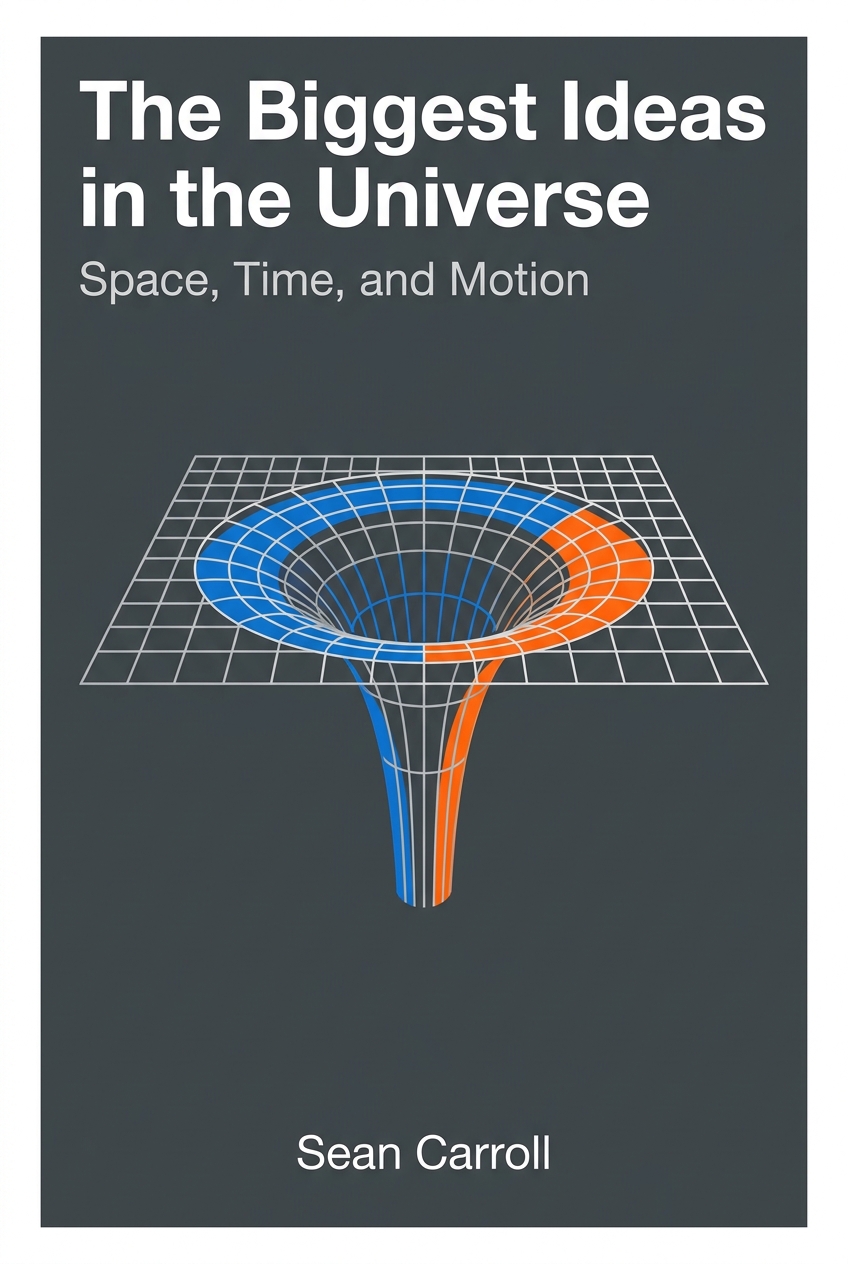
The Biggest Ideas in the Universe
Grasps the fundamental concepts of space, time, and motion without complex math.
- The core principles of physics govern everything from a thrown ball to spacetime.
- Complex concepts like calculus and relativity are built on elegant, simple ideas.
- You can understand the deep reality of the universe without a Ph.D. in physics.
Aspiring physicists and deep thinkers who want the concepts behind equations.
Grasps the fundamental concepts of space, time, and motion without complex math.
The Art of Doing Science and Engineering
Learn the mindset and methods that separate great scientists from good ones.
- Your success depends on choosing the right problems to solve.
- Ask profound questions instead of just trying to find routine answers.
- Turn ambition into major achievements through deliberate focus and strategy.
Ambitious students, engineers, and researchers aiming for breakthrough work.
Learn the mindset and methods that separate great scientists from good ones.
On the Origin of Time
Explore Stephen Hawking's final, revolutionary theory about the universe's origin.
- The universe may not be a random accident but a product of deeper physical laws.
- A “top-down” approach to cosmology suggests our past is shaped by our present.
- Hawking’s final theory offers a stunning new perspective on time and existence.
Cosmology enthusiasts fascinated by the ultimate questions of existence.
Explore Stephen Hawking's final, revolutionary theory about the universe's origin.
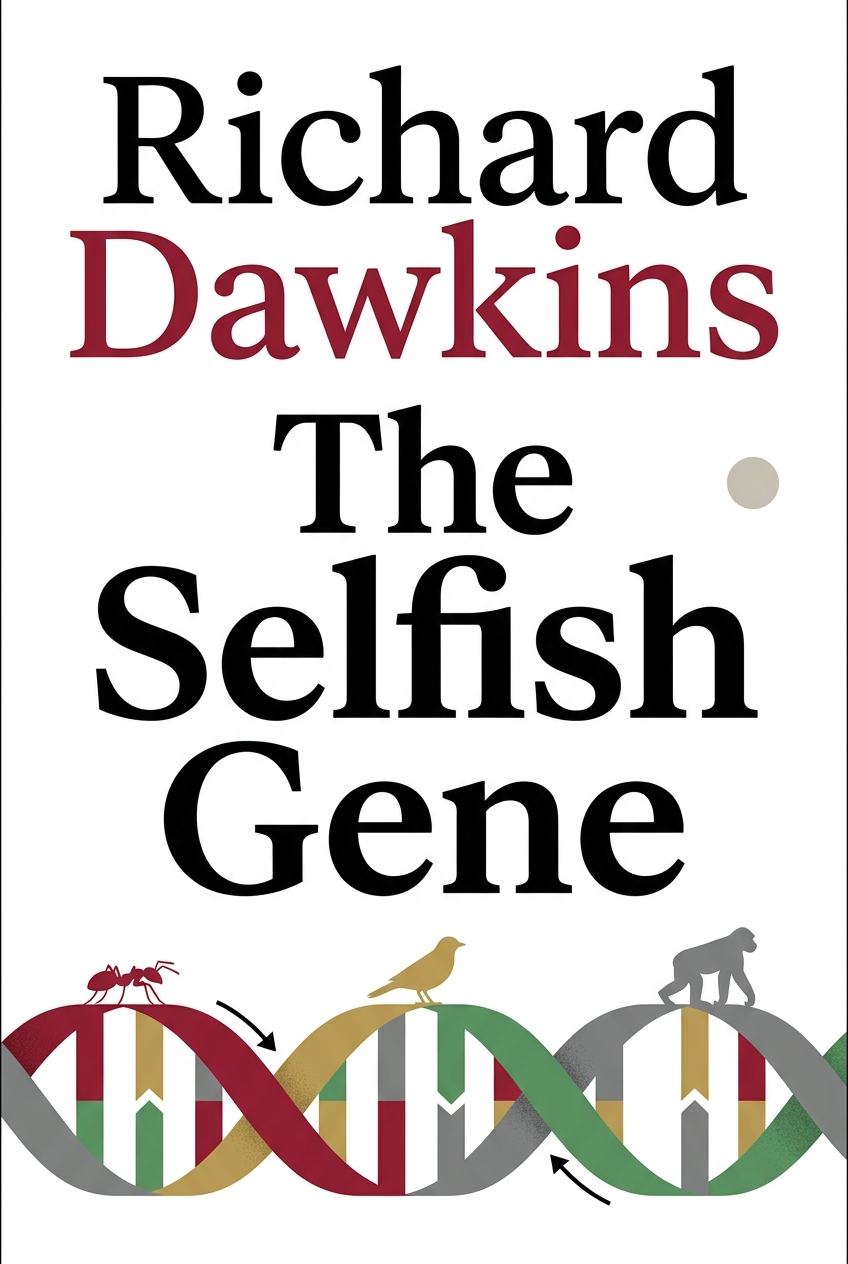
The Selfish Gene
Reveals the radical truth that you are a survival machine for your immortal genes.
- The fundamental unit of evolution is the gene, not the individual organism.
- Seemingly selfless acts are often brilliant strategies for genetic success.
- Cultural ideas, or “memes,” evolve and spread in a way similar to genes.
Anyone interested in a gene's-eye view of evolution, behavior, and society.
Reveals the radical truth that you are a survival machine for your immortal genes.
Frequently Asked Questions
Science is crucial because it provides a systematic way to understand the universe and solve problems. It drives technological innovation, improves medicine, and helps us make evidence-based decisions about everything from public health to environmental policy.
Science is woven into the fabric of daily life. The smartphone in your pocket, the electricity powering your home, and the medicine that keeps you healthy are all products of scientific research. It fundamentally shapes how we communicate, travel, and understand our own bodies.
Recent breakthroughs include the development of mRNA vaccines, the first images from the James Webb Space Telescope revealing early galaxies, and advancements in AI. Other exciting fields are CRISPR gene-editing technology and new insights into the role of fungi in ecosystems.