Best Books for Social Anxiety
Understanding the core signs of social anxiety is the first step toward reclaiming your confidence. If you're looking for ways on how to overcome social anxiety, finding the right guidance is key. This list of the best books on social anxiety offers powerful insights and practical social anxiety coping strategies, from understanding your thoughts to mastering conversation. These good books for social anxiety provide actionable advice to help you connect with others and feel at ease. Curated by the VoxBrief team.
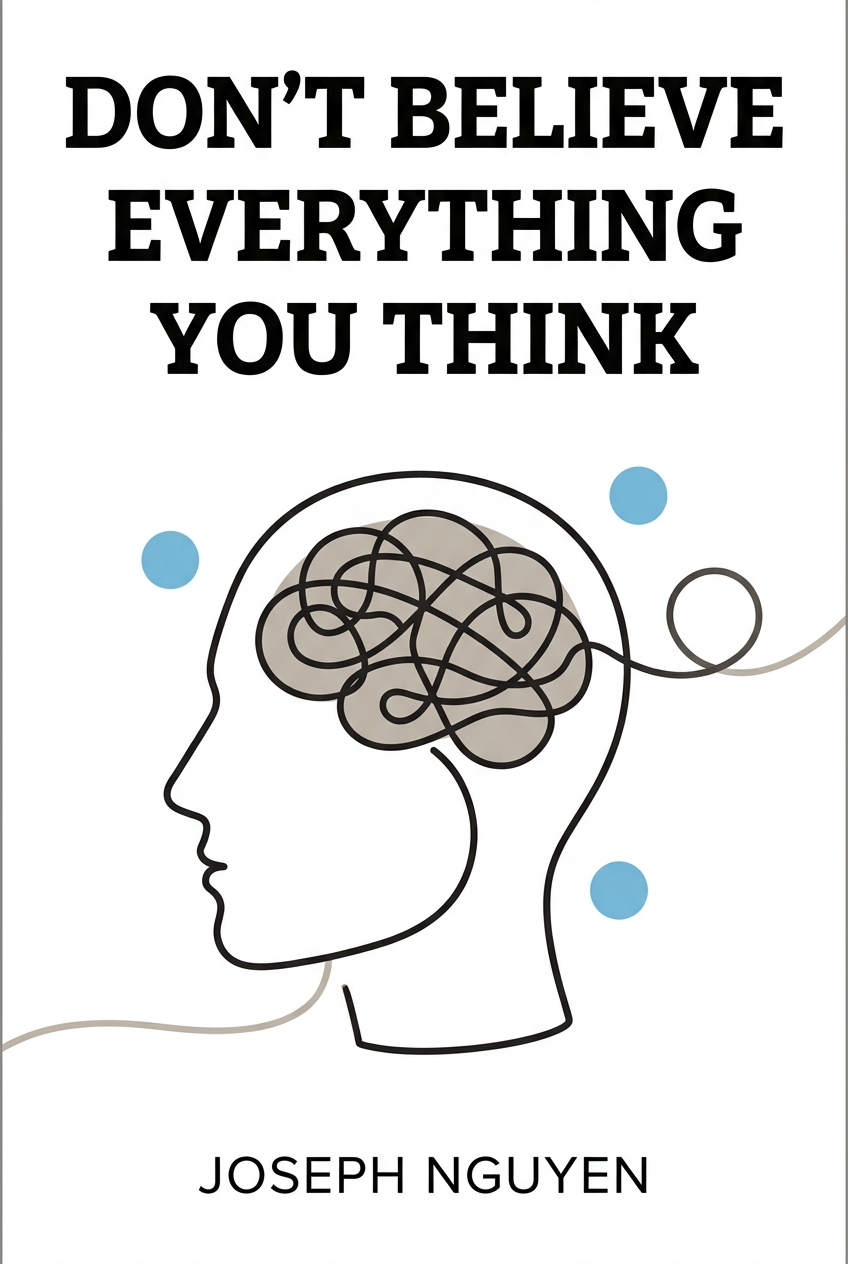
Don't Believe Everything You Think
End anxiety and overthinking by understanding how your mind creates your reality.
- Your feelings originate from your thoughts, not external circumstances.
- Peace is found by letting anxious thoughts pass, not by managing them.
- True change comes from insight into how your mind works, not complex techniques.
Anyone trapped in a cycle of overthinking and anxious thoughts.
End anxiety and overthinking by understanding how your mind creates your reality.
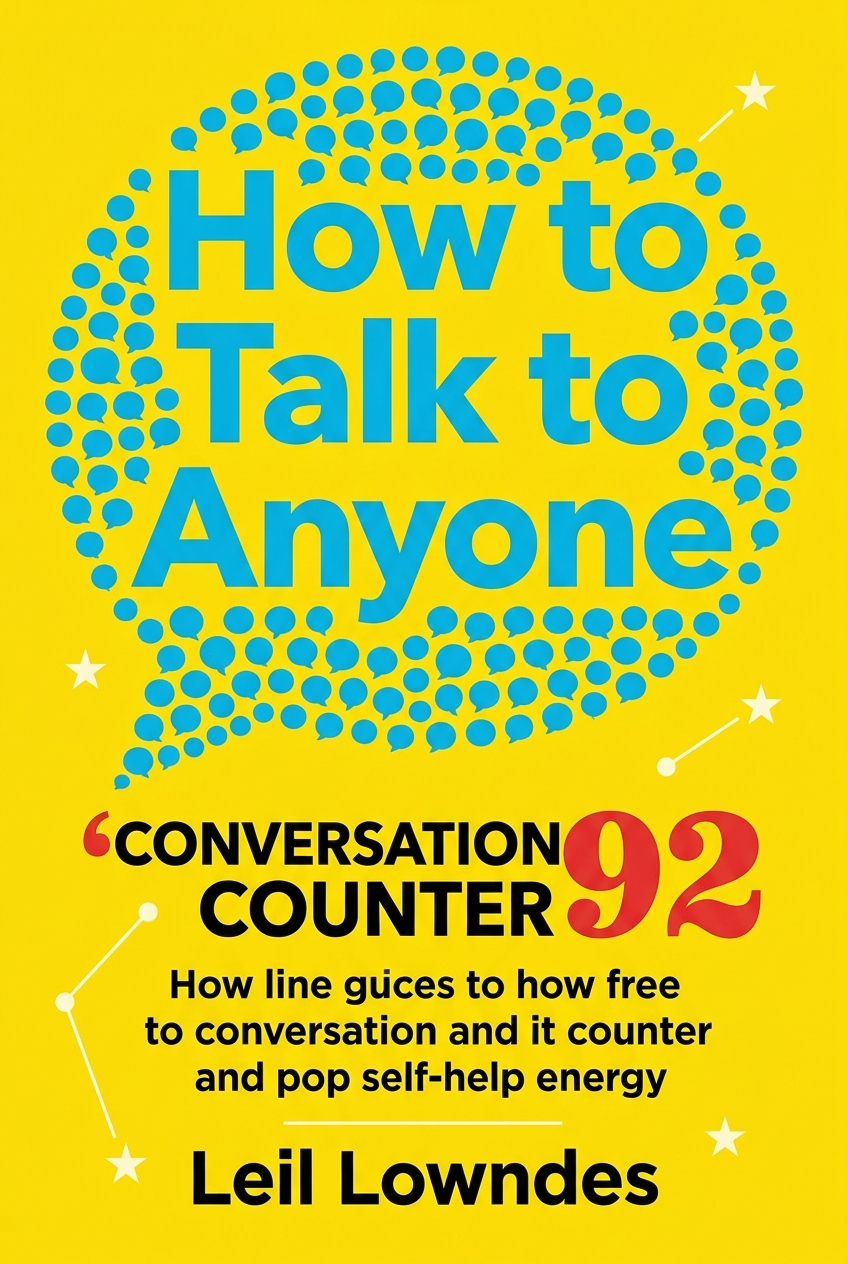
How to Talk to Anyone
Master 92 simple tricks to confidently communicate and connect with anyone.
- Use specific body language cues to make a powerful first impression.
- Learn effective icebreakers to start conversations effortlessly.
- Employ advanced tactics to sound like an informed insider in any group.
People who feel awkward in social situations and want concrete conversation tips.
Master 92 simple tricks to confidently communicate and connect with anyone.
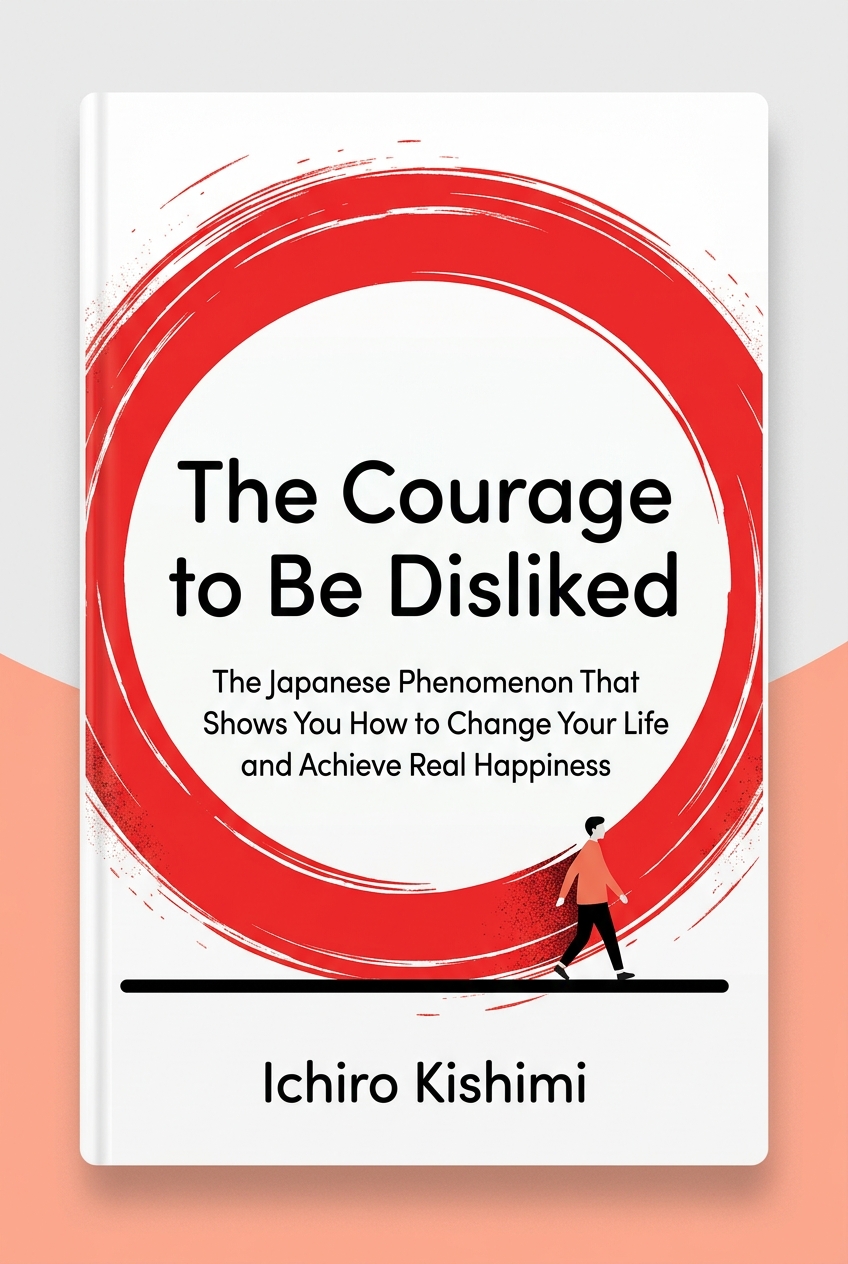
The Courage to Be Disliked
Find true freedom and happiness by stop seeking the approval of others.
- Separate your tasks from others' to stop worrying about their opinions.
- Your past does not define your present; you can change at any moment.
- All problems are ultimately rooted in interpersonal relationships.
Individuals burdened by expectations and the need for external validation.
Find true freedom and happiness by stop seeking the approval of others.
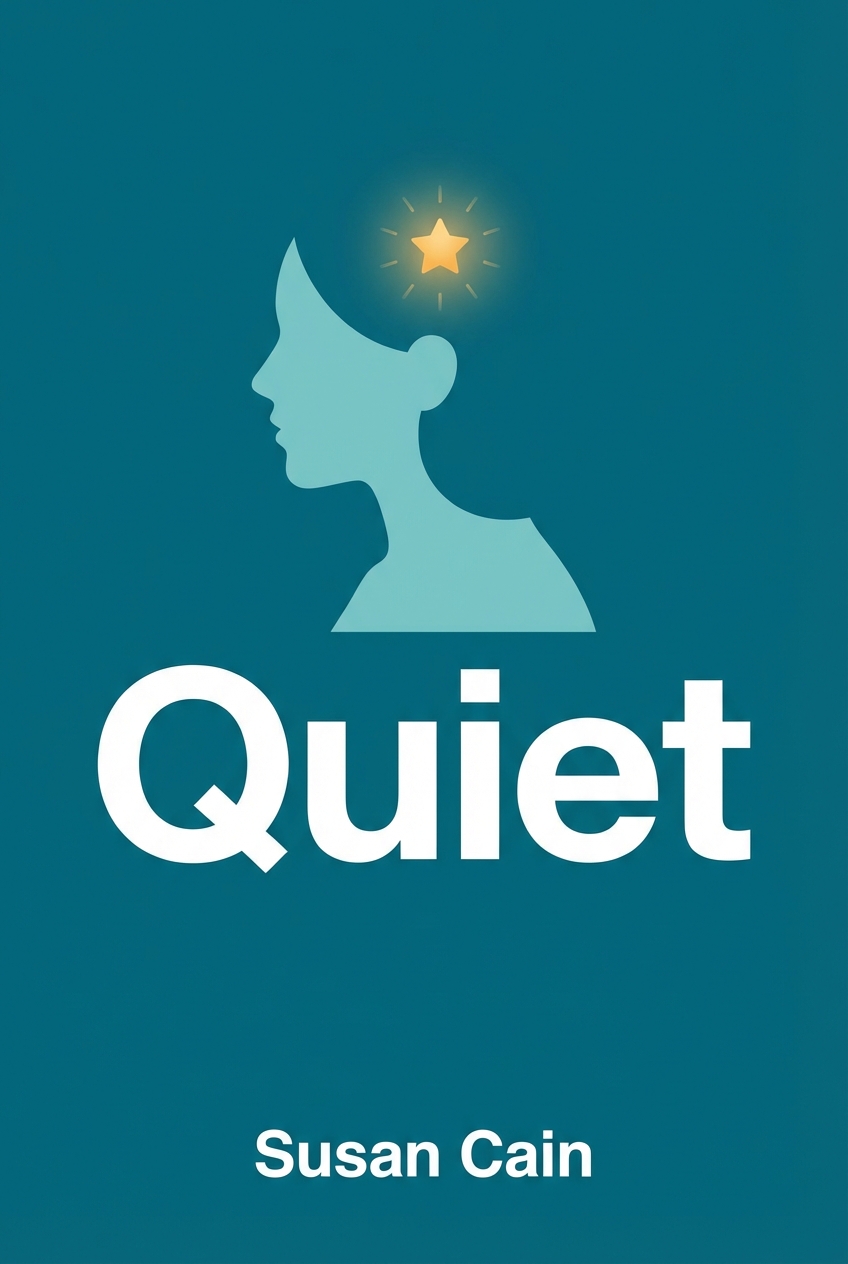
Quiet
Discover why your introverted nature is a powerful strength, not a weakness.
- Introversion is a biological trait with unique advantages in deep thinking.
- Manage your social energy effectively to avoid burnout in extroverted settings.
- Leverage quiet strengths to lead and innovate on your own terms.
Introverts trying to thrive in a world that values extroverted traits.
Discover why your introverted nature is a powerful strength, not a weakness.
The Fine Art of Small Talk
Learn practical techniques to conquer social fears and master conversation.
- Prepare conversation starters in advance to avoid awkward silences.
- Ask open-ended questions to keep conversations flowing naturally.
- Gracefully enter and exit conversations in group settings.
Professionals who dread networking events or meeting new people.
Learn practical techniques to conquer social fears and master conversation.
How to Win Friends & Influence People
Unlock timeless secrets to master human interaction and build strong relationships.
- Become genuinely interested in other people to make them like you.
- Avoid criticism, condemnation, and complaining to build goodwill.
- Make the other person feel important—and do it sincerely.
Anyone wanting to improve their personal and professional relationships.
Unlock timeless secrets to master human interaction and build strong relationships.
The High 5 Habit
Silence your inner critic and build confidence with one simple daily action.
- Giving yourself a high five in the mirror can rewire your brain for positivity.
- Celebrate yourself to break cycles of self-doubt and negative thinking.
- Start your day with an act of self-support to build momentum for success.
People struggling with self-criticism and a lack of self-confidence.
Silence your inner critic and build confidence with one simple daily action.
The Charisma Myth
Learn the science-backed, teachable behaviors that create charisma.
- Charisma is built on three pillars: presence, power, and warmth.
- Overcome anxiety by focusing on the present moment during interactions.
- Use specific techniques to project confidence and warmth non-verbally.
Leaders, speakers, and professionals wanting to be more influential.
Learn the science-backed, teachable behaviors that create charisma.
Frequently Asked Questions
Yes, absolutely. Social anxiety is highly treatable and can be significantly improved with the right strategies. Many people learn to manage their symptoms effectively through cognitive-behavioral techniques, exposure, and by building social skills, ultimately leading a more confident life.
Social anxiety can stem from a mix of factors, including genetics, past negative experiences, and learned behaviors. It's often rooted in a deep-seated fear of being judged, scrutinized, or embarrassing oneself. Understanding your personal triggers is a key step in overcoming it.
Long-term improvement involves consistently challenging anxious thoughts and gradually facing feared social situations. Building core self-confidence, practicing mindfulness, developing strong social skills, and in some cases, seeking professional therapy, are all effective long-term strategies.
The most helpful books fall into a few categories: those based on Cognitive Behavioral Therapy (CBT), guides that teach practical social skills, and books that help reframe your mindset about self-worth. The social anxiety best books cover these areas to provide a well-rounded approach.