Books Recommended by Warren Buffett
Warren Buffett credits much of his success to his relentless reading habit, famously spending most of his day with books. But which titles truly shaped his thinking? We've compiled the top picks from Warren Buffett book recommendations, including the single warren buffett most recommended book. This collection goes beyond stock tips, diving into the core principles of value investing, rational thinking, and building long-term wealth. Whether you're a new investor or a seasoned pro, these are the foundational texts praised by the Oracle of Omaha himself. Curated by the VoxBrief team.
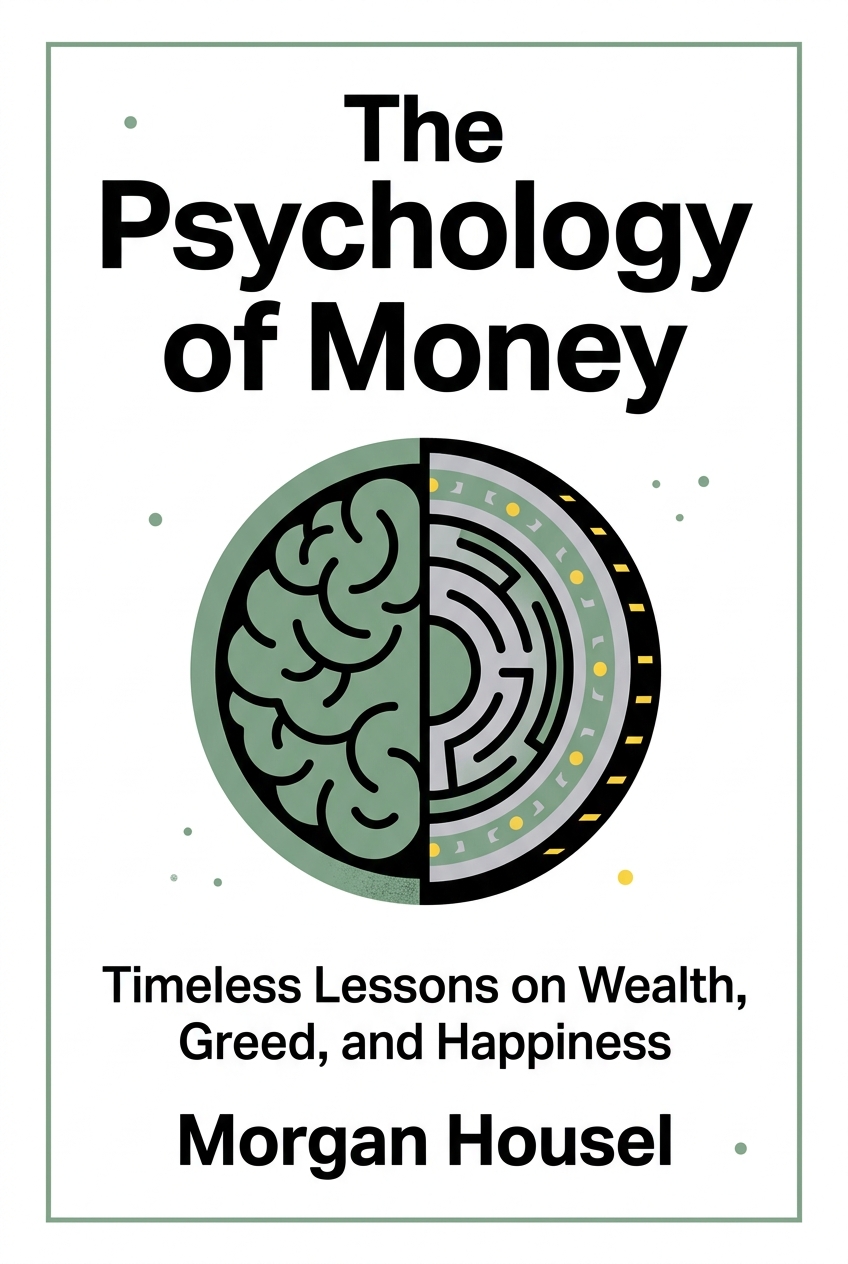
The Psychology of Money
Learn why your financial success depends more on psychology than complex know-how.
- Financial success is a soft skill, where behavior is more important than intelligence.
- Embrace the power of compounding and the inevitability of luck and risk.
- True wealth is about freedom and control over your time, not just big numbers.
Anyone looking to build a healthier, less stressful relationship with money.
Learn why your financial success depends more on psychology than complex know-how.
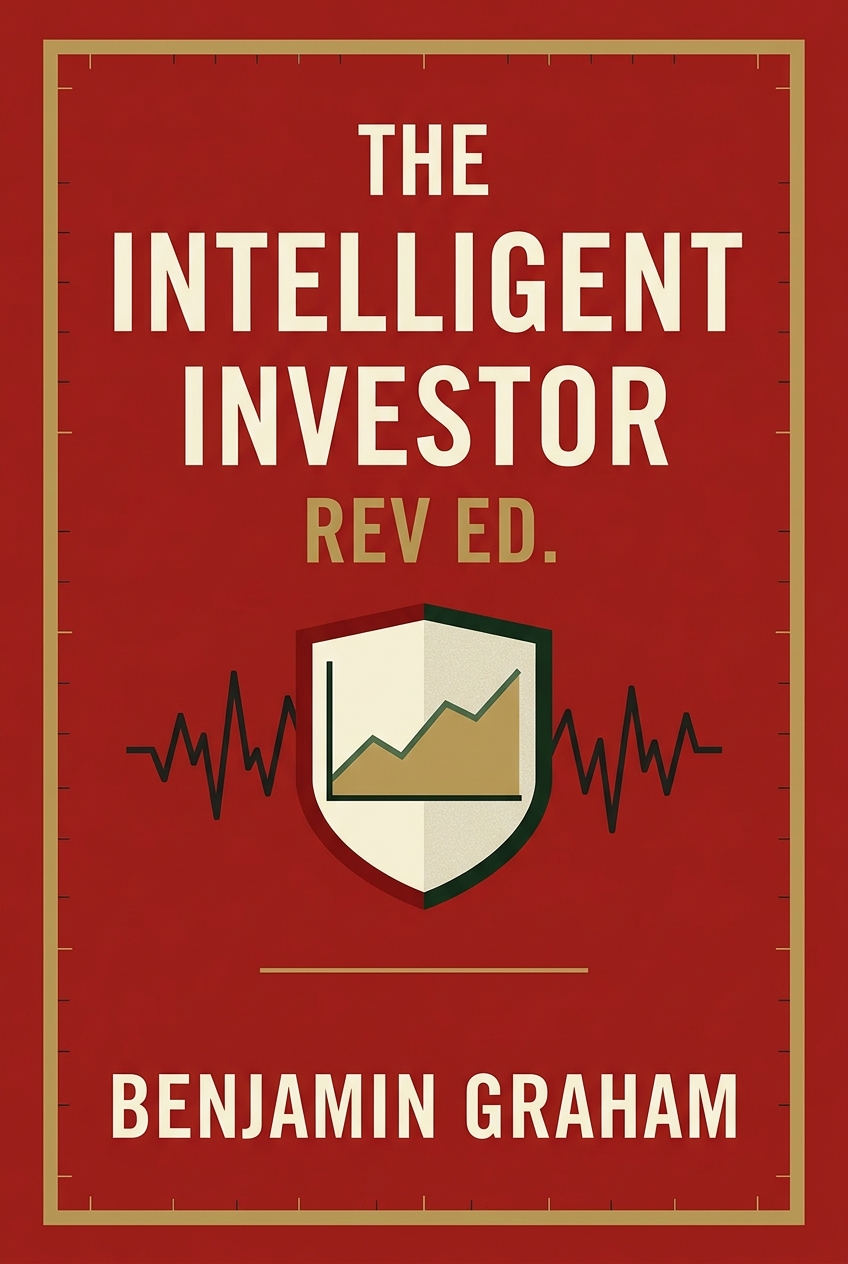
The Intelligent Investor Rev Ed.
Master the timeless value investing framework that shaped Warren Buffett himself.
- Treat investing as owning a business, not just trading stocks.
- Use the "Mr. Market" allegory to buy low and ignore market hysteria.
- Always demand a "margin of safety" to protect your principal from errors.
Aspiring investors who want a disciplined, time-tested strategy for the market.
Master the timeless value investing framework that shaped Warren Buffett himself.
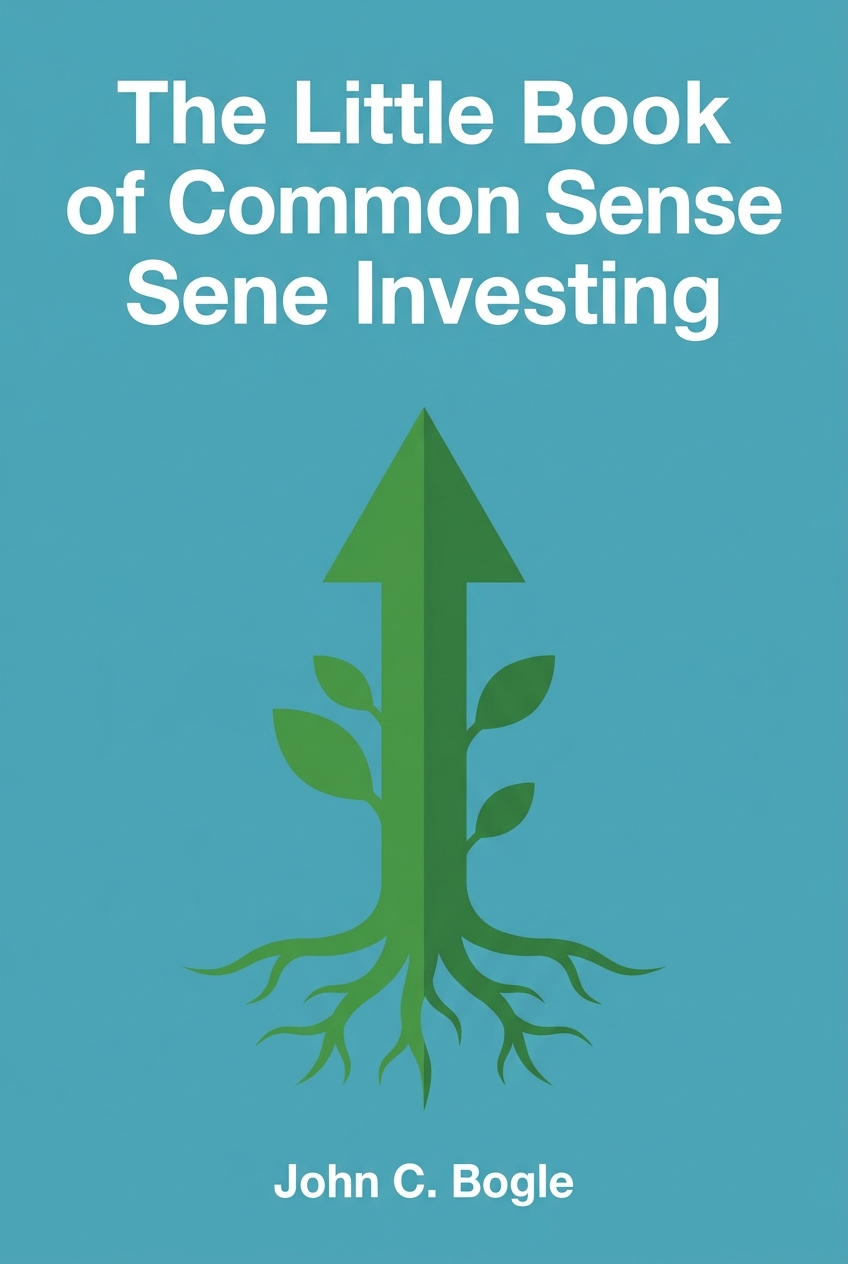
The Little Book of Common Sense Investing
Discover the simple, powerful strategy of using low-cost index funds to win.
- Trying to beat the market is a loser's game due to fees and friction.
- Own a diversified portfolio of all stocks through a single index fund.
- Build wealth by holding for the long-term and ignoring market noise.
Individuals seeking a simple, effective, and hands-off approach to investing.
Discover the simple, powerful strategy of using low-cost index funds to win.
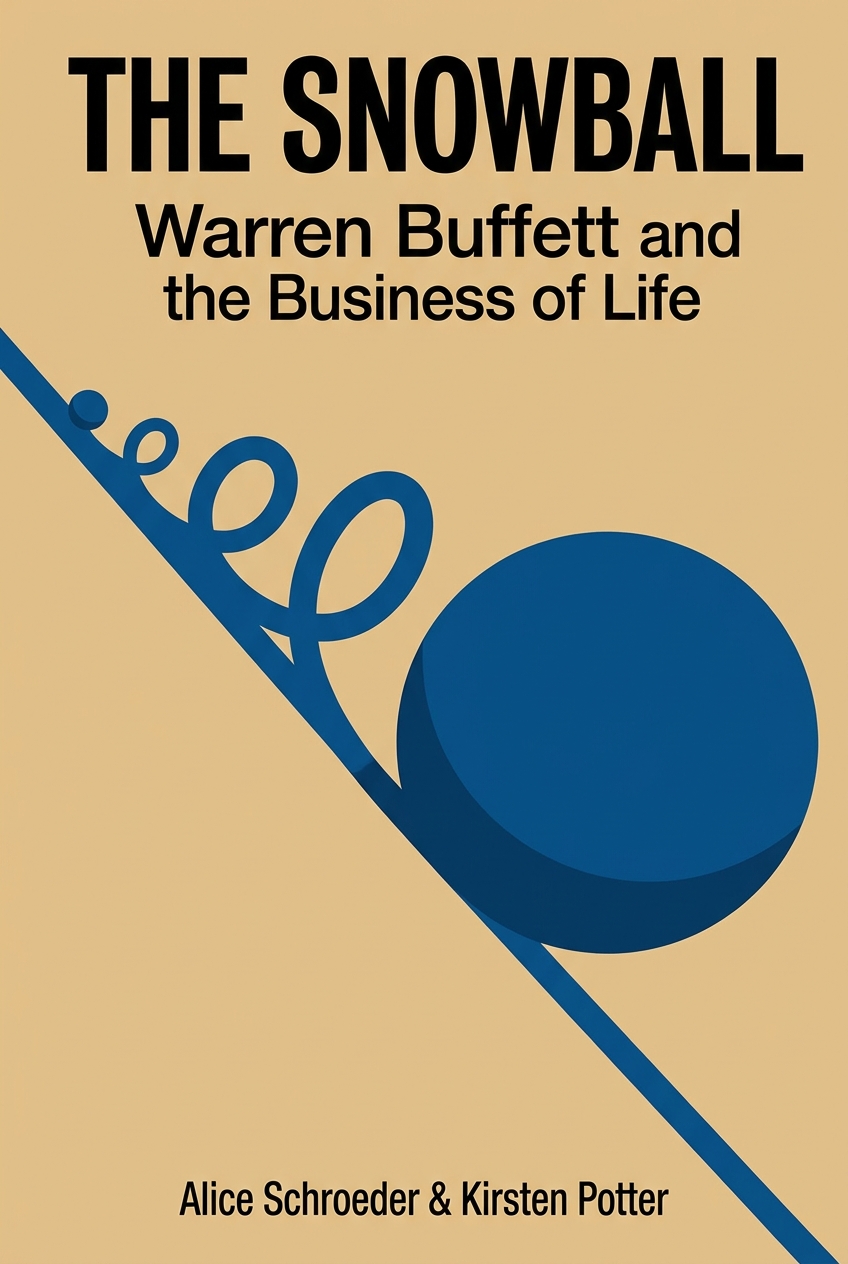
The Snowball
Uncover the life principles and philosophies that made Warren Buffett a legend.
- Success is like a snowball; it requires a long runway and sticky snow.
- Harness the immense power of compound interest over a lifetime.
- Your integrity and reputation are your most valuable assets.
Readers who want to understand the man and the human values behind the billions.
Uncover the life principles and philosophies that made Warren Buffett a legend.

Richer, Wiser, Happier
Learn the mental models of the world's greatest investors for wealth and life.
- Mastery of psychology and emotion is more important than technical skill.
- Think of investing as a game of probabilities and long-term patience.
- Copying the habits of great thinkers is a shortcut to success.
Investors who want to improve their decision-making in markets and in life.
Learn the mental models of the world's greatest investors for wealth and life.
Warren Buffett and the Interpretation of Financial Statements
Learn to read financial statements like Buffett to find great businesses.
- Analyze income statements to identify consistent, high-margin profitability.
- Use the balance sheet to spot low debt and a strong financial position.
- Identify a 'durable competitive advantage' or 'economic moat' in the numbers.
Investors who want to analyze companies but feel intimidated by accounting.
Learn to read financial statements like Buffett to find great businesses.
The Most Important Thing
Build a winning investment strategy with principles from a legendary investor.
- Master "second-level thinking" to see what other investors miss.
- Understand and control risk rather than just chasing returns.
- Avoid emotional decision-making, the investor's greatest enemy.
Intermediate investors seeking to refine their thought process and avoid bias.
Build a winning investment strategy with principles from a legendary investor.
Poor Charlie's Almanack
Learn to think clearly and make better decisions using Charlie Munger's models.
- Develop a "latticework of mental models" from multiple disciplines.
- Invert problems to find solutions: 'What do I want to avoid?'
- Recognize and counteract common psychological biases in yourself and others.
Anyone who wants to improve their critical thinking and problem-solving skills.
Learn to think clearly and make better decisions using Charlie Munger's models.
University of Berkshire Hathaway
Get 30 years of distilled wisdom from Buffett's shareholder meetings.
- Buy wonderful businesses at fair prices, not fair businesses at low prices.
- Develop extreme patience and a long-term mindset to let compounding work.
- Cultivate rationality and emotional discipline to ignore market fads.
Devotees of Buffett and Munger who want their lessons in a concentrated form.
Get 30 years of distilled wisdom from Buffett's shareholder meetings.
The Education of a Value Investor
See how a hedge fund manager rewired his brain to invest like a legend.
- Create a checklist to remove emotion and ego from investment decisions.
- Structure your environment to encourage rational, long-term thinking.
- Learn by emulating the habits and philosophies of masters like Buffett.
Investors struggling with emotional decisions and a lack of a clear process.
See how a hedge fund manager rewired his brain to invest like a legend.
The Essays of Warren Buffett
Learn Buffett's core business and investing principles in his own words.
- Judge businesses on economic substance, not accounting form.
- Focus on management that is talented, honest, and shareholder-focused.
- Understand the critical difference between a company's price and its value.
Serious students of business who want unfiltered access to Buffett's philosophy.
Learn Buffett's core business and investing principles in his own words.
Frequently Asked Questions
Warren Buffett recommends a wide range of books focusing on value investing, business analysis, and rational thinking. Classics like *The Intelligent Investor* by Benjamin Graham and his own collected *Essays* are cornerstones, but this list compiles his most frequently cited and influential reads.
Benjamin Graham's *The Intelligent Investor* is unequivocally the warren buffett most recommended book. He has called it 'by far the best book on investing ever written,' crediting it with providing the intellectual framework for his entire career. He believes its lessons on value investing are timeless.
Beyond investing manuals, Buffett's recommendations often delve into business biography and psychology. Books like *The Snowball* offer direct insight into his life, while *Poor Charlie's Almanack* explores the mental models he and Charlie Munger use for decision-making in all aspects of life.
Warren Buffett has consistently recommended 'The Intelligent Investor' by Benjamin Graham, calling it 'by far the best book on investing ever written.' He also frequently praises Philip Fisher's 'Common Stocks and Uncommon Profits' and his partner Charlie Munger's book, 'Poor Charlie's Almanack'.
If you could only read one book from the Warren Buffett recommended reading list, 'The Intelligent Investor' is essential. It lays the foundation for value investing, the core of Buffett's philosophy, and teaches crucial concepts like 'Mr. Market' and the 'margin of safety' that are fundamental to making sound long-term investments.
Many of the favorite books of warren buffett teach broader life principles. Books like 'Poor Charlie's Almanack' offer mental models for rational thinking, while biographies like 'The Snowball' reveal the importance of patience, integrity, and lifelong learning for achieving success in any field.