A Practical Guide to the Best Adulting Books for Success
Welcome to adulthood. It’s that phase of life where you’re suddenly expected to know how to file taxes, build a 401(k), set boundaries, and cook something other than instant noodles—often all at once. If you feel like you missed a mandatory training session, you're not alone. The modern concept of 'adulting' speaks to this shared experience of navigating new responsibilities without a clear roadmap. But what is adulting, really? It's the active process of developing the skills, habits, and mindset required to build a stable and fulfilling life. Understanding this is the first step, and the right guides can make all the difference. This article explores key principles from some of the best adulting books to provide you with actionable adulting tips and a framework for success.
The Power of Small Habits: Building a Foundation
One of the biggest reasons adulting feels overwhelming is that we try to fix everything at once. We want a new career, a perfect budget, and a healthier lifestyle—all by next Tuesday. This approach almost always leads to burnout. True, sustainable change begins with small, consistent actions that build momentum over time. These are the daily adulting practices that create a solid foundation for everything else.
This is the core message in Make Your Bed by Admiral William H. McRaven. He argues that the foundation for success is built on seemingly insignificant acts of discipline. Starting your day by making your bed perfectly accomplishes the first task of the day, giving you a small sense of pride and encouraging you to do another task, and another. It’s a powerful metaphor: if you can’t do the little things right, you will never do the big things right. This mindset is crucial for adulting for beginners, as it transforms the monumental task of 'getting your life together' into a series of manageable steps.
McRaven also emphasizes that this foundation prepares you to embrace adversity. Life will inevitably test you with failure and unfairness. But by grounding yourself in discipline and taking responsibility for your small corner of the world, you build the resilience needed to face larger challenges without crumbling.
Navigating Your Career and Finances
Beyond daily habits, adulting requires mastering two practical pillars: your work and your money. For many, especially students transitioning into the workforce or young professionals trying to climb the ladder, these areas are fraught with anxiety and uncertainty. How do you build a meaningful career? How do you manage your money without feeling deprived?
Building Your Financial Infrastructure
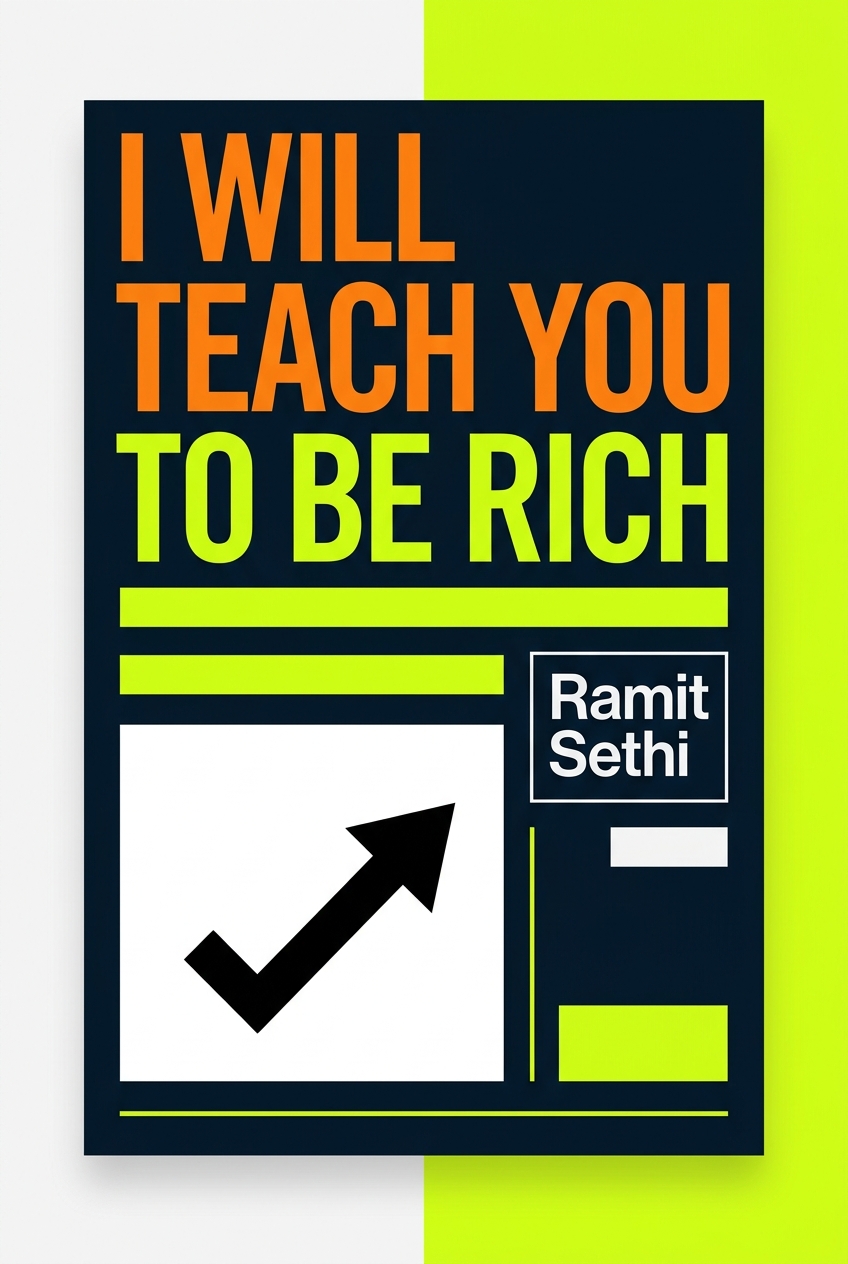
When it comes to finance, most people immediately think of restrictive budgeting. In I Will Teach You to Be Rich, Ramit Sethi argues this approach is fundamentally broken because it focuses on minutiae and deprivation. Instead, he offers a system of 'Conscious Spending' powered by automation. The core adulting technique here is to build a financial infrastructure that works for you in the background. This involves automating your savings, investments, and bill payments so that your money flows where it needs to without daily effort.
This system frees up your mental energy to focus on the big wins: negotiating your salary, finding a better job, or starting a side hustle. It starts with a critical mindset shift—moving from excuses and paralysis to decisive action. The entire point is to design a system that supports the 'rich life' you define for yourself, whether that means traveling the world or being able to afford brunch without guilt.
Making the Most of Your Twenties
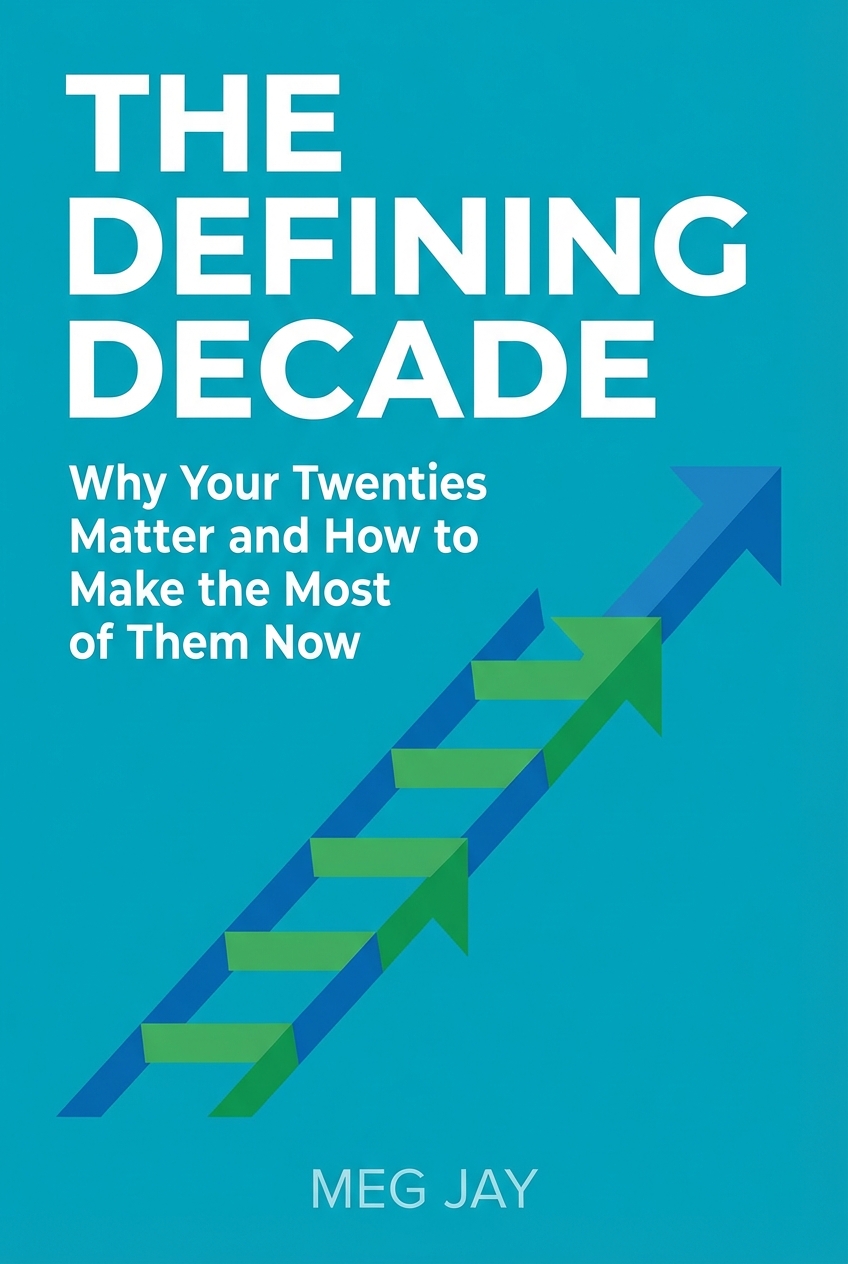
Your career and personal growth are most malleable in your twenties, a period clinical psychologist Dr. Meg Jay calls The Defining Decade. She pushes back against the idea that these are 'throwaway years' and argues that the choices you make now have an outsized impact on your future. One of the most important concepts for adulting at work is building 'identity capital'—the collection of personal assets, from skills and experiences to professional relationships, that you accumulate over time.
Dr. Jay also highlights the surprising power of 'weak ties.' While we often turn to close friends for support, it's our wider network of acquaintances who are most likely to provide new opportunities, information, and perspectives. This is a crucial adulting tip for professionals: actively reach out to people outside your immediate circle. Your twenties are a period of profound neurological development, particularly in the frontal lobe responsible for planning and judgment. By taking deliberate action during this time, you are literally wiring your brain for future success.
The Inner Game of Adulting: Emotional Maturity and Relationships
Perhaps the most challenging aspect of adulting is the internal work. You can have a perfect budget and a great job, but if you can't manage your emotions or build healthy relationships, you won't feel successful. This is often why adulting is so hard; it forces us to confront our internal patterns, many of which were formed in childhood.
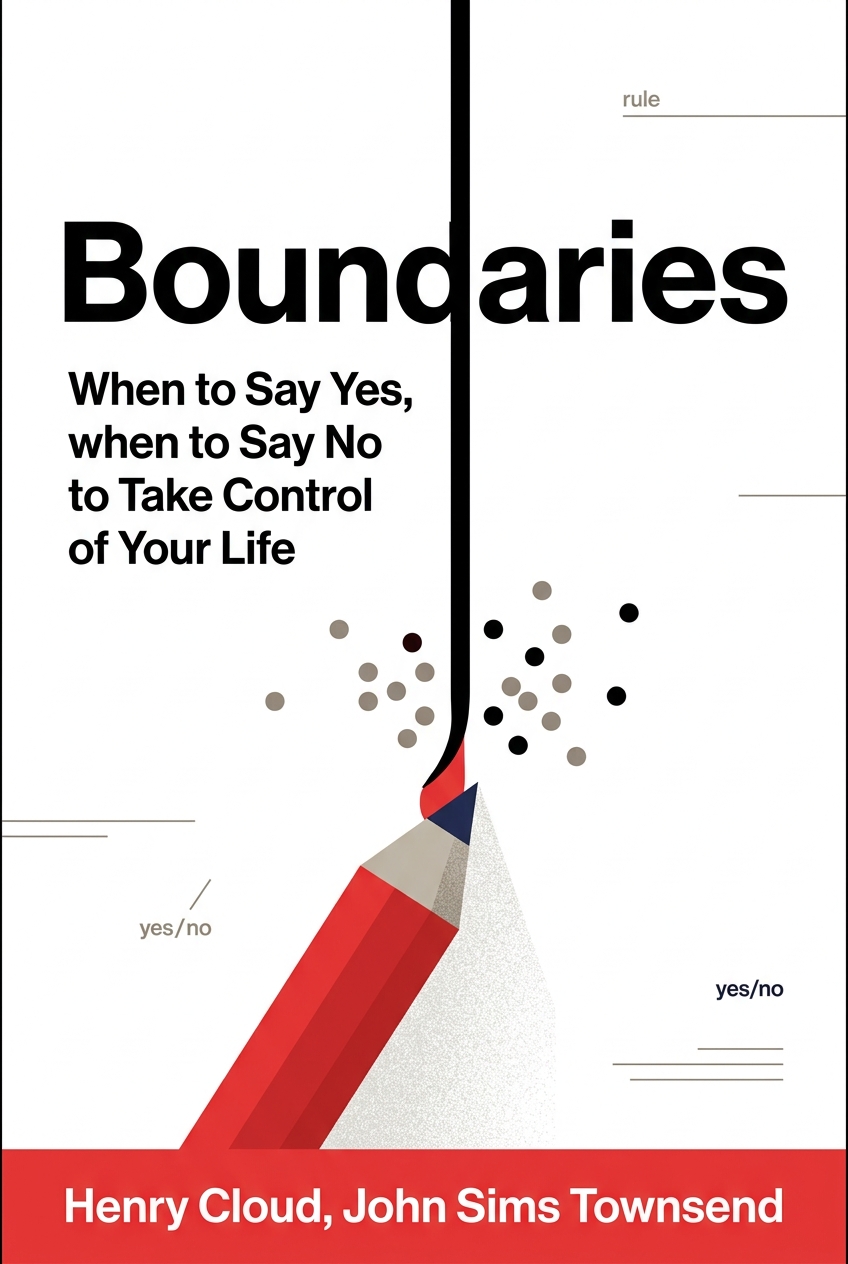
One of the most essential skills to develop is setting boundaries. In their groundbreaking book, Boundaries, Dr. Henry Cloud and Dr. John Townsend explain that boundaries are the invisible property lines that define who we are and who we are not. They are about taking ownership of your own life—your feelings, choices, and responsibilities—while allowing others to take ownership of theirs. Without healthy boundaries, we feel overworked, taken for granted, and resentful. Their work redefines discipline not as punishment, but as 'training for self-control,' a loving process designed to help us grow.
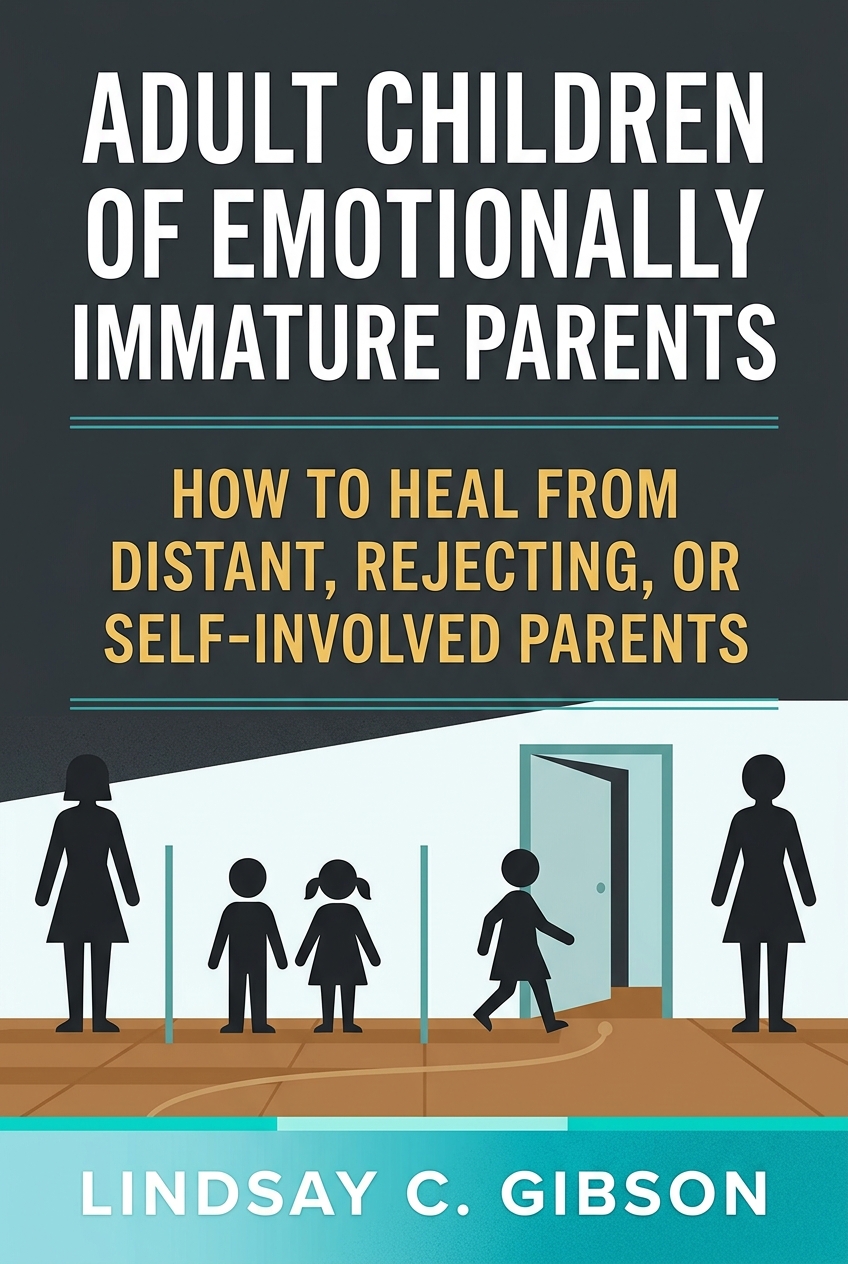
This internal work often requires looking back at our family dynamics. In Adult Children of Emotionally Immature Parents, Dr. Lindsay C. Gibson explains how a lack of true emotional connection in childhood can lead to a deep sense of 'emotional loneliness' in adulthood. Recognizing the patterns of emotionally immature parents isn't about blaming them; it's about understanding how your coping mechanisms were formed. This self-awareness is the key to liberation, allowing you to interact with people differently and build the authentic, reciprocal relationships you desire.
Ultimately, learning how to adult is a journey, not a destination. It's an ongoing practice of building discipline, managing practical responsibilities, and doing the hard work of emotional growth. By leveraging the wisdom from these guides, you can create a life that isn't just functional, but truly fulfilling.
Master key ideas in 15 minutes
Listen to audio summaries of these books on VoxBrief
Download Free