Exploring the World of Architecture Books: A Beginner's Guide
By VoxBrief Team··5 min read
Look around you. The room you're in, the building it's a part of, and the street outside your window—all of it is the product of architecture. It’s one of the most impactful and public art forms, yet for many, it can feel intimidating and complex. If you're looking for an introduction to architecture, you've come to the right place. This guide is designed for beginners, offering a simple explanation of the core ideas you need to know. Our goal is to give you the foundational knowledge to confidently explore and get the most out of architecture books.
What is Architecture Explained Simply?
At its core, architecture is the art and science of designing and constructing buildings and other physical structures. It’s a delicate balance. On one hand, it must answer fundamental human needs for shelter, safety, and organization. On the other, it strives to create spaces that are aesthetically pleasing, emotionally resonant, and culturally significant. Think of it as a massive, functional sculpture that we can walk through and live inside. Understanding the architecture basics reveals how every design choice—from the height of a ceiling to the material of a floor—is made with purpose.
So, how does architecture work? It begins with a concept, a response to a problem or a need. Architects use a toolkit of core elements to translate that concept into a physical reality. These decisions are not arbitrary; they follow principles that have been developed over thousands of years of human construction.
Key Elements of Architectural Design
To grasp the fundamentals, it helps to understand the primary components an architect works with:
Space: This isn't just the absence of walls, but the deliberate shaping of volumes to guide movement and create specific feelings. An architect carves out space to make a room feel intimate or grand, open or enclosed.
Light: Natural and artificial light are used to illuminate, define, and transform a space. The placement of a window can frame a view, create dynamic shadows, and radically alter the mood of a room throughout the day.
Materials: Every material—wood, concrete, glass, steel—has its own texture, color, and structural properties. The choice of material affects not only the building's appearance but also its feeling, its longevity, and its relationship with the surrounding environment.
Structure: This is the skeleton that holds everything up. The structural system (beams, columns, arches) dictates what is possible and is often a key part of the architectural expression itself.
Foundational Concepts in Design and Composition
With the basic elements understood, we can move on to the principles that guide their arrangement. These architecture key concepts are the invisible rules that help create harmony, interest, and function in a designed space. They are the universal language spoken by designers of all kinds, from city planners to interior decorators. This knowledge is essential for anyone wanting a deeper appreciation of the field.
Understanding Architectural Styles
Throughout history, different cultures and technological advancements have given rise to distinct architectural styles. A style is a consistent set of design principles, materials, and ornamental features. From the mathematical perfection of Classical Greek temples to the raw, honest concrete of Brutalism and the sleek minimalism of Modernism, each style tells a story about the values and capabilities of its time. Recognizing these styles allows you to read a building’s history and understand its place in the larger timeline of design.
Mastering Principles of Design and Balance
While many impressive structures seem complex, they are often built upon simple, universal design principles. These principles are just as relevant inside our homes as they are on a skyscraper's facade. For example, in The Interior Design Handbook, Frida Ramstedt offers a foundational toolkit for understanding composition. She explains concepts like the golden ratio, symmetry, and the 60-30-10 color rule, which professionals use to create visual balance and harmony. Ramstedt’s work shows that these are not just arbitrary rules for decorating; they are core design principles that govern how we perceive space and find it pleasing, a central theme in all forms of architectural design.
The Lived Experience: How We Inhabit Space
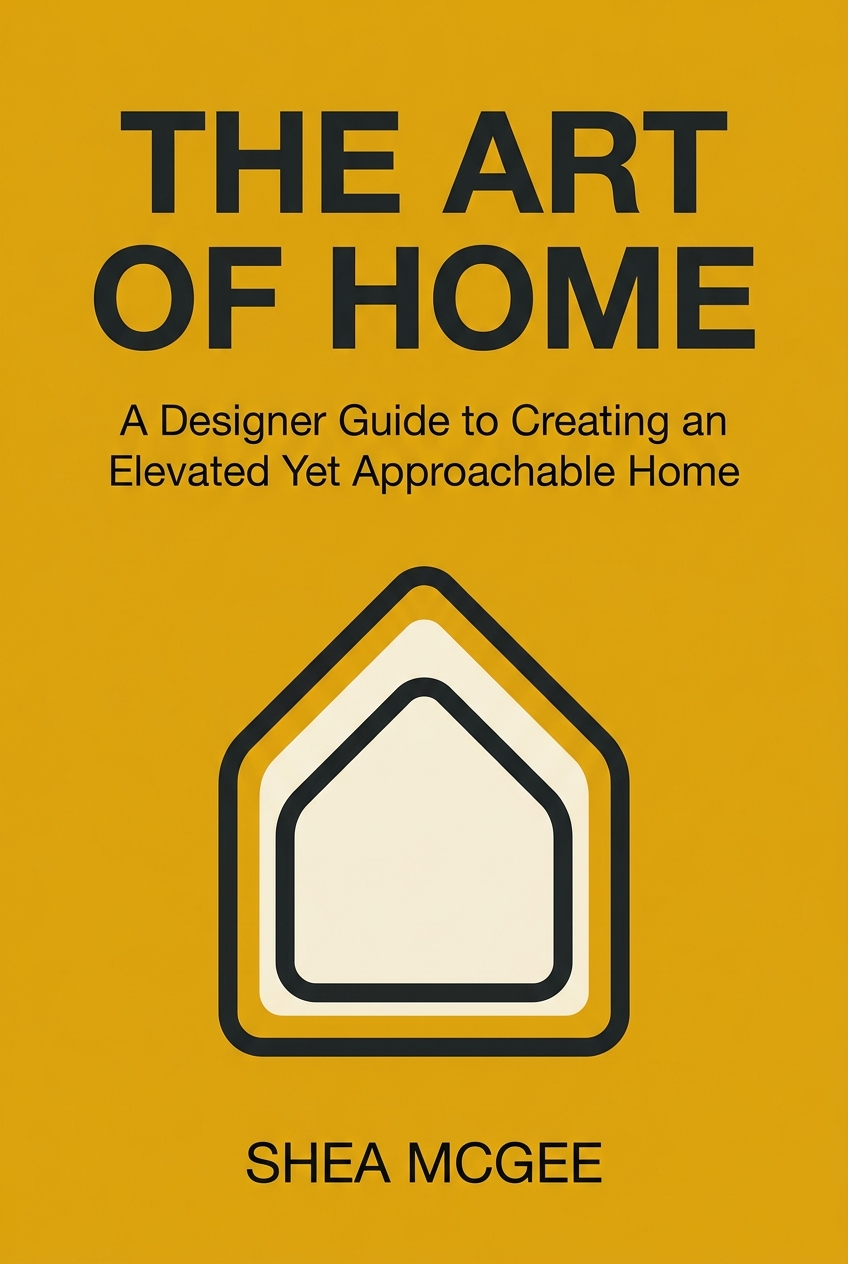
Ultimately, architecture isn't just about the building; it's about the life that happens within it. How does architecture affect daily life? By shaping our routines, moods, and interactions. Great design considers the human experience first. As designer Shea McGee explores in The Art of Home, the goal is often to create a specific emotional atmosphere. She discusses the importance of designing “moments”—a cozy reading nook, a sun-drenched entryway, or a functional kitchen island—that make a structure feel like a home. This perspective is a vital reminder that we don't just look at architecture; we inhabit it, and its success is measured by how well it serves our lives.
The Broader Impact of Architectural Choices
Architecture is never created in a vacuum. Every building is part of a larger ecosystem, a community, and a culture. Its impact extends far beyond its four walls, influencing society and the environment in profound ways. Understanding this context is key to seeing the bigger picture of why architecture is important.
Sustainable Architecture and a Greener Future
Today, one of the most pressing concerns in the field is environmental impact. Sustainable architecture, or green design, seeks to minimize the negative environmental effects of buildings through efficiency and moderation in the use of materials, energy, and development space. This has led to some of the latest architecture discoveries, including innovative, low-carbon materials, energy-generating facades, and designs that passively cool and heat themselves. This subfield represents the leading edge of architectural innovation.
Urban Planning and The Shape of Our Cities
Zooming out, we see how individual buildings come together to form the fabric of our neighborhoods and cities. Urban planning is the discipline of designing these larger systems, considering everything from transportation networks and public parks to zoning laws and community spaces. The decisions made by urban planners and architects collectively shape social equity, economic opportunity, and the overall quality of life for millions.
The Legacy of Design: From Famous Architects to Cultural Taste
The story of architecture is also a story of people and culture. We can learn immense amounts from the masterworks of famous architects who pushed the boundaries of what was possible. But taste is also shaped more broadly, through the continuous evolution of what a society values in its living spaces. As chronicled in Architectural Digest at 100, a home is a powerful reflection of its time. The book documents a century of evolving American taste, showing how our spaces have transformed from formal and rigid to personal sanctuaries that connect us with art and nature. It highlights “the power of place,” reminding us that the most successful designs, whether a private home or a public monument, are deeply connected to their environment and the lives lived within them.
Through understanding these principles—from the simple arrangement of a room to the complex web of a city—you unlock a new way of seeing the world. The built environment is no longer just a backdrop; it becomes a story you can read, a system you can understand, and an art form you can appreciate on a much deeper level.
Master key ideas in 15 minutes
Listen to audio summaries of these books on VoxBrief
Architecture is crucial because it shapes our environment and influences our daily lives, from our productivity at work to our comfort at home. It solves practical problems of shelter while also creating spaces that can inspire, connect, and elevate the human experience.
Architecture directly impacts our mood, behavior, and well-being. The layout of a city affects our commute, the design of an office influences collaboration, and the light and flow within our homes can promote either stress or tranquility.
Recent advancements focus heavily on sustainability and technology. This includes the development of self-healing concrete, 3D-printed buildings, and smart facades that adapt to weather conditions. Exploring these topics in modern architecture books is a great way to stay current.