It’s easy to feel like the present is a chaotic, disconnected series of events. But what if the key to understanding today lies in the past? For many, the phrase “American history” conjures images of dusty textbooks, memorized dates, and events that feel distant and irrelevant. The good news is that history is so much more than that. The right american history books don't just list facts; they tell compelling stories, reveal forgotten truths, and offer powerful frameworks for making sense of the world we inhabit right now. This guide is your introduction to American history, designed for beginners who want to go beyond the classroom syllabus and discover a past that is alive, complex, and endlessly fascinating.
What is American History and Why Does It Matter?
At its core, American history is the sprawling, often contradictory story of how a collection of colonies transformed into a global superpower. It’s a narrative defined by conflict, innovation, and a constant struggle over the nation's soul. Understanding this story is not an academic exercise; it’s an act of citizenship. Answering the question, "why is American history important?" is the first step toward grasping our current moment.
A Timeline of Key Events
The American history timeline is not just a sequence of dates but a chain of cause and effect. It begins with the American Revolution, a radical experiment in self-governance led by the Founding Fathers, who enshrined ideals of liberty and equality that the nation has been striving to live up to ever since. This was followed by a period of aggressive westward expansion, which, while fulfilling a national ambition, came at a devastating cost to Indigenous populations.
The country's foundational contradiction—the existence of slavery in a land of the free—erupted into the Civil War, the nation’s bloodiest conflict. The post-war era saw rapid industrialization, waves of immigration, and America’s rise on the world stage through two World Wars. The 20th century was further defined by the ideological struggle of the Cold War and the profound societal transformations of the Civil Rights Movement, which challenged the nation to finally confront its deep-seated racial inequities. Each of these American history key events laid another layer of complexity onto the national identity.
How Did American History Shape Today?
The past isn't past; it's the bedrock of the present. Every major headline today has deep historical roots. Debates about the role of government, voting rights, and economic inequality are echoes of conversations that have been happening for centuries. To truly understand how did American history shape today, we need to look at specific through-lines.
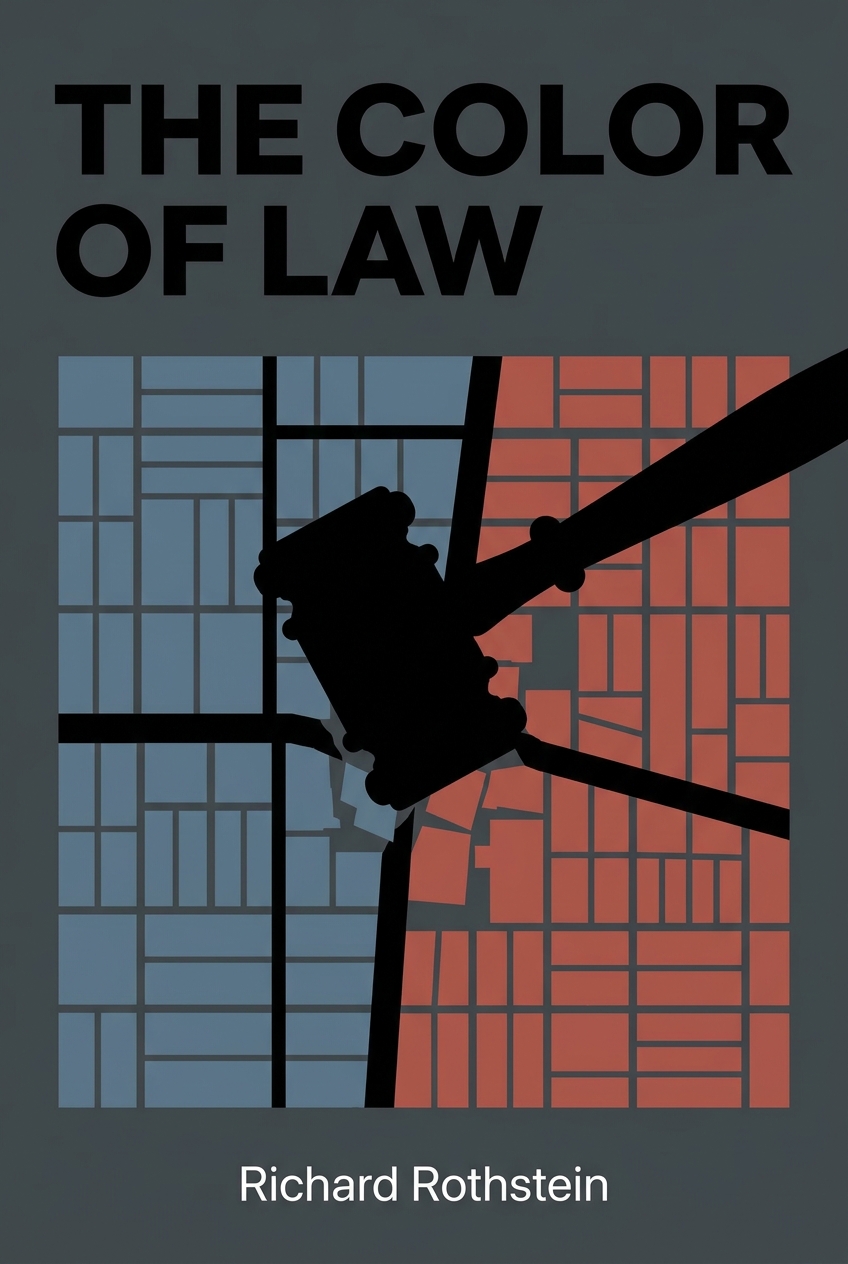
A powerful example comes from Richard Rothstein's groundbreaking book, The Color of Law. Rothstein dismantles the myth that residential segregation in America just happened organically. He provides meticulous evidence to argue that the U.S. government was the “primary architect” of a segregated nation. Through explicit federal, state, and local policies, authorities locked African Americans out of neighborhoods and engineered a multi-generational wealth gap whose effects are still profoundly felt today. This American history explained through the lens of policy shows that the racial geography of our cities is not an accident but a direct legacy of the past.
Finding Truth in American History Books
If history is so important, how do we access it accurately? The challenge is that history is not a single, settled story. It is an ongoing-dialogue, and the books you read will shape your understanding. Choosing insightful american history books is key to getting a nuanced and truthful perspective.
Moving Beyond the Textbook Myths
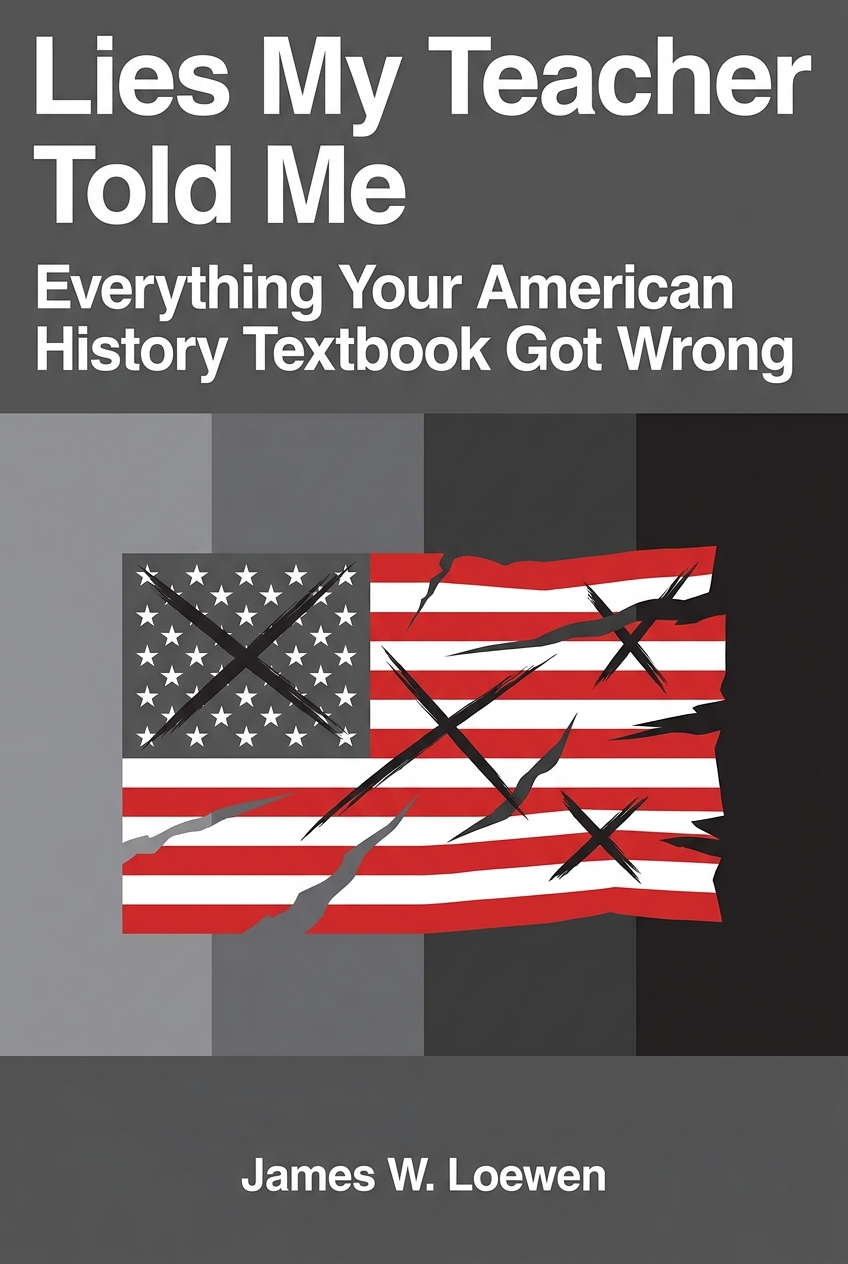
For many of us, our first introduction to American history was a textbook that presented a very sanitized version of the past. In his influential work, Lies My Teacher Told Me, sociologist James W. Loewen explains how this happens. He introduces the concept of “heroification,” a process where history textbooks take complex, flawed individuals like Christopher Columbus or Woodrow Wilson and flatten them into one-dimensional saints. This approach isn't just bad history; it’s boring. It robs historical figures of their humanity and makes it impossible to learn from their mistakes.
Loewen argues that this sanitized narrative, built around a myth of constant, inevitable progress, fails to prepare us for the complexities of the real world. A real history education involves grappling with uncomfortable truths and understanding that the nation's past is filled with both triumphs and profound failures. The most important American history facts are often the ones that challenge our preconceived notions.
History as a Human Story
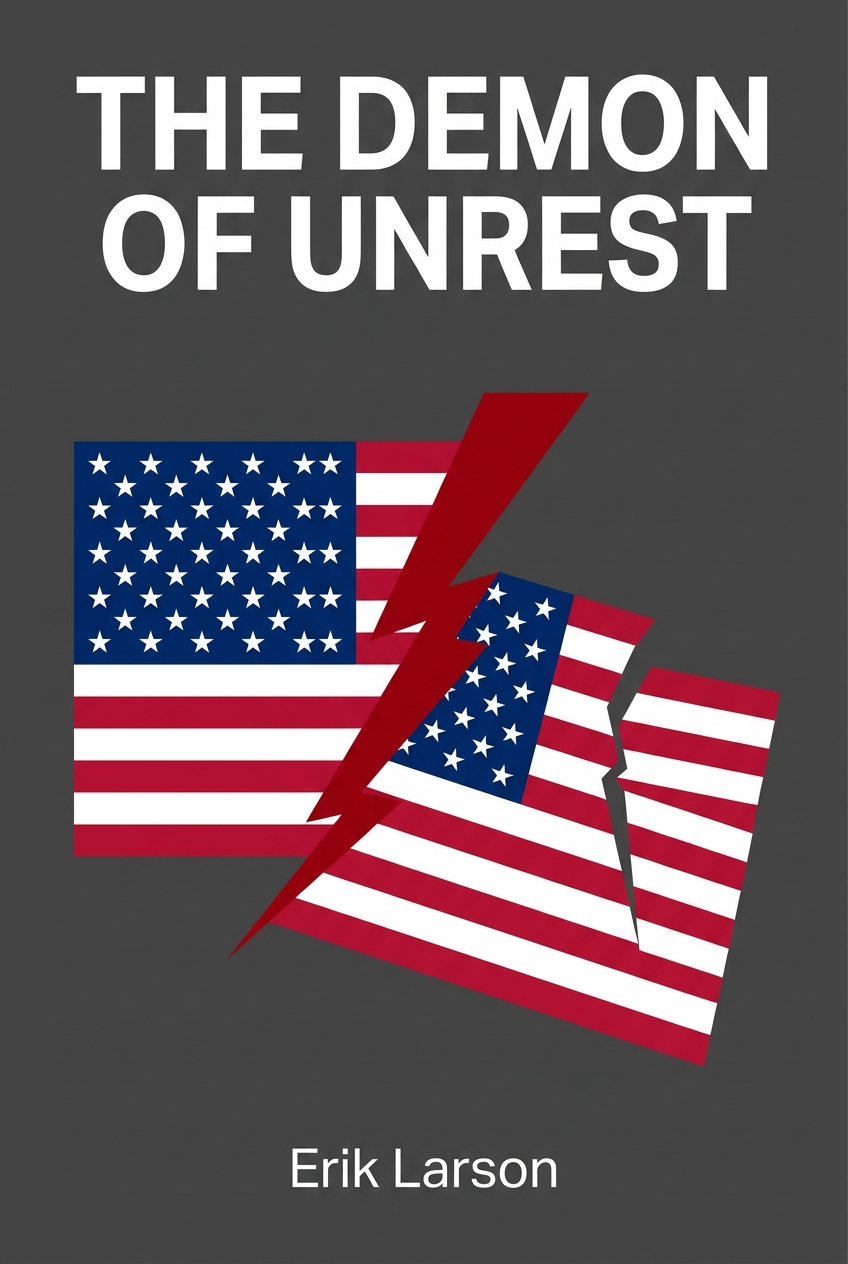
Perhaps the most significant shift in understanding comes when you move from seeing history as a timeline of events to seeing it as a collection of human stories. A single american history book can make a period come alive by focusing on the people who lived it. Look no further than Erik Larson’s The Demon of Unrest, which chronicles the five months between Lincoln's election and the outbreak of the Civil War.
Instead of presenting a dry political analysis, Larson zooms in on the human drama—the psychology of secession, the paralysis of political leaders, and the series of miscalculations and moments of hubris that pushed the nation toward a cataclysm. He shows us that the road to war wasn't inevitable; it was paved by human choices driven by fear, pride, and misunderstanding. This narrative approach transforms history from a collection of facts into a Shakespearean saga, reminding us that monumental events are often the result of very personal, human-scale decisions.
The Lasting Lessons of the Past
Studying history is ultimately about extracting wisdom. It offers a vast library of case studies in leadership, morality, and the consequences of ideas. The American history lessons we can draw from the past are invaluable tools for navigating the future.
Understanding Power and Its Consequences
History is, in many ways, the study of power: who has it, how they use it, and who is affected by it. Revisiting The Color of Law, we see a masterclass in this very concept. Richard Rothstein doesn't just make a claim; he details the specific “machinery of exclusion” used to enforce segregation. These weren't abstract forces; they were concrete tools like racially explicit zoning, redlining maps, and government-backed covenants that prohibited the sale of homes to African Americans. By understanding these mechanisms, we learn a critical lesson about how policy can be used to create and perpetuate inequality. It demonstrates that systemic problems require systemic understanding and solutions, moving us beyond simplistic explanations for complex social issues.
Character and Crisis
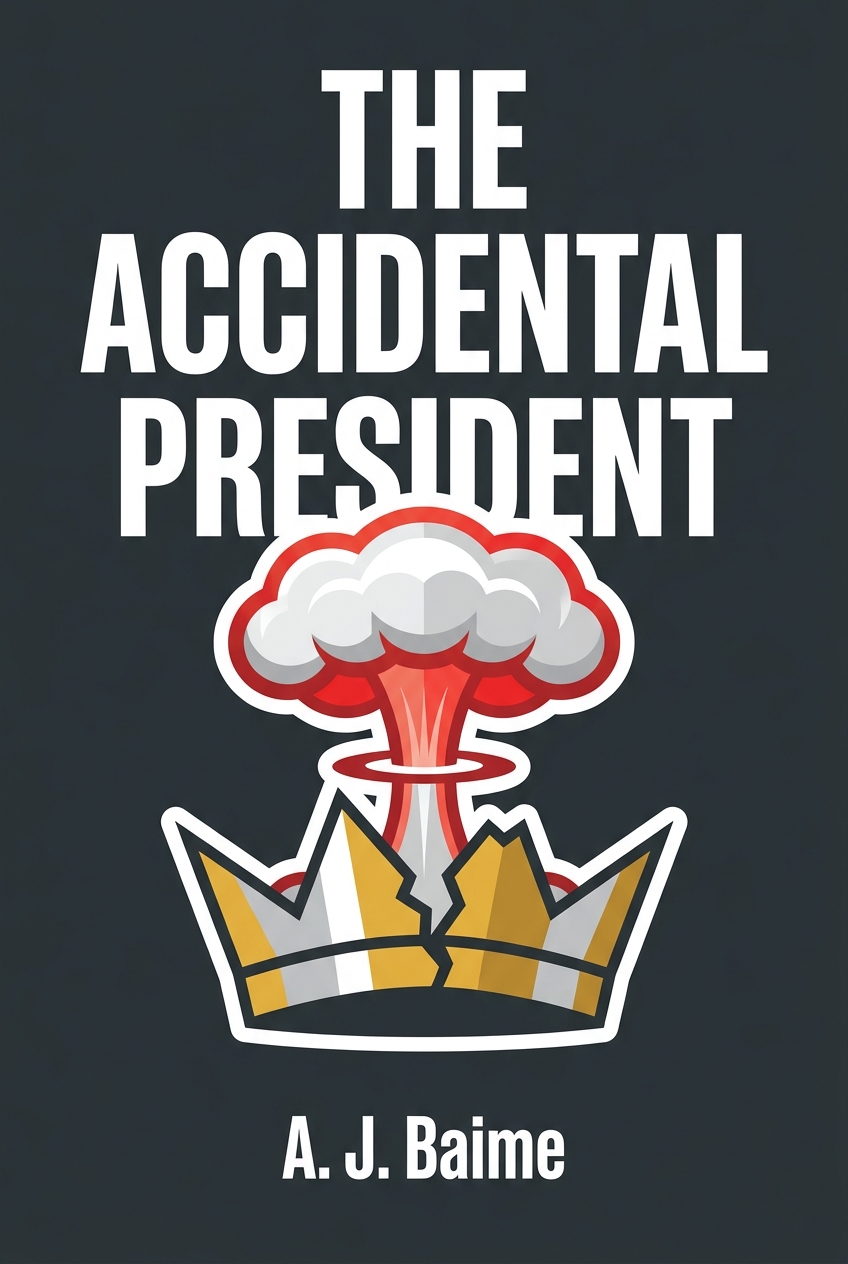
While history is shaped by large-scale forces, it also turns on the character of individuals in moments of crisis. A. J. Baime’s The Accidental President offers a thrilling account of this principle in action. When Franklin D. Roosevelt died in April 1945, Vice President Harry S. Truman was thrown into the world's most powerful job with almost no preparation. He inherited a “world in flames,” facing the end of World War II, the horrifying discovery of the Holocaust, and the terrible calculus of the atomic bomb.
Truman's story is a profound lesson in leadership. He shows us that character, humility, and a deep sense of duty can be forged in the crucible of crisis. His journey from an ordinary man to a world-shaping leader proves that history isn't just something that happens to people; it's something people make, one difficult decision at a time. This is one of the key lessons from American history: that in the face of overwhelming challenges, individual character matters immensely.
Ultimately, exploring the past through thoughtful american history books is about more than just knowledge; it's about perspective. It helps us see the deep currents running beneath the surface of our world, to recognize recurring patterns, and to appreciate the stakes of our own moment in time. The story of America is complex, tragic, and inspiring all at once. By diving into these narratives, you aren’t just learning about the past—you are equipping yourself to be a more thoughtful and engaged citizen of the present.
Master key ideas in 15 minutes
Listen to audio summaries of these books on VoxBrief
Download Free