Have you ever wondered why you have your father's eyes but your mother's sense of humor? Or why some people can eat anything without gaining weight, while others struggle? The answers to these fascinating questions lie hidden within a microscopic code that dictates the very essence of who we are: our genetics. This field, once confined to sterile labs and dense textbooks, is now a crucial part of our daily conversation, influencing everything from our health to our identity. Finding the best books on genetics is an excellent first step on a journey to understanding this code. This guide will serve as your roadmap, explaining genetics simply and providing a framework to help you learn this vital subject effectively.
What Is Genetics? A Simple Explanation for Beginners
At its core, genetics is the study of genes, heredity, and the variation of inherited characteristics in living organisms. Think of it as the ultimate instruction manual for life. It explains how traits are passed from parents to children and why we see such incredible diversity in the natural world. For anyone interested in an introduction to genetics, grasping a few foundational blocks is key.
DNA: The Blueprint of Life
The story of genetics begins with DNA, or deoxyribonucleic acid. Imagine DNA as a vast and intricate blueprint containing all the instructions needed for an organism to develop, survive, and reproduce. This blueprint is written in a language of just four chemical bases—adenine (A), guanine (G), cytosine (C), and thymine (T). The specific sequence of these letters forms the instructions for building and maintaining an organism, much like the sequence of 0s and 1s creates a computer program. Every cell in your body contains a complete copy of this blueprint, coiled tightly into structures called chromosomes.
Genes and Heredity: Passing Traits Through Generations
If DNA is the entire instruction manual, a gene is a specific sentence or paragraph within it. Each gene is a distinct segment of DNA that carries the code for a specific function, most often for making a protein. These proteins are the workhorses of the cell, carrying out a vast array of tasks that determine our traits, like eye color, blood type, and even predisposition to certain diseases.
Heredity is the process by which these genes—and the traits they code for—are passed from one generation to the next. You inherit half of your genetic material from your mother and half from your father, which is why you are a unique blend of both. This fundamental mechanism is one of the most important genetics key concepts to understand.
Understanding Key Genetic Concepts
As you begin your learning journey, you'll encounter a few more essential terms that form the genetics basics. A chromosome is a package of DNA; humans have 23 pairs. Alleles are different versions of the same gene; for example, you might have an allele for blue eyes and an allele for brown eyes. Your genotype is your complete set of genes, while your phenotype is the collection of your observable traits (like height and hair color) that result from your genotype interacting with the environment. Understanding these distinctions is a core part of grasping how genetics work.
Navigating the Learning Curve: How to Approach the Best Books on Genetics
Genetics can feel intimidating. The terminology is complex and the concepts can be abstract. This is a common experience for genetics for beginners. However, the secret to learning this subject isn't about having a genius-level IQ; it's about having the right approach. Building a sustainable learning practice is more important than trying to absorb everything in one heroic cramming session.
This is where we can borrow wisdom from fields outside of biology. In his book Atomic Habits, James Clear argues that monumental results stem from tiny, consistent actions. He writes that real, lasting change comes from the compounding effect of 1% improvements. You can apply this directly to learning genetics. Instead of trying to read an entire textbook in a weekend, commit to reading just ten pages a day. Or make a habit of defining one new genetic term every morning with your coffee. This small, daily investment in knowledge will compound over time, building a robust understanding without causing burnout.
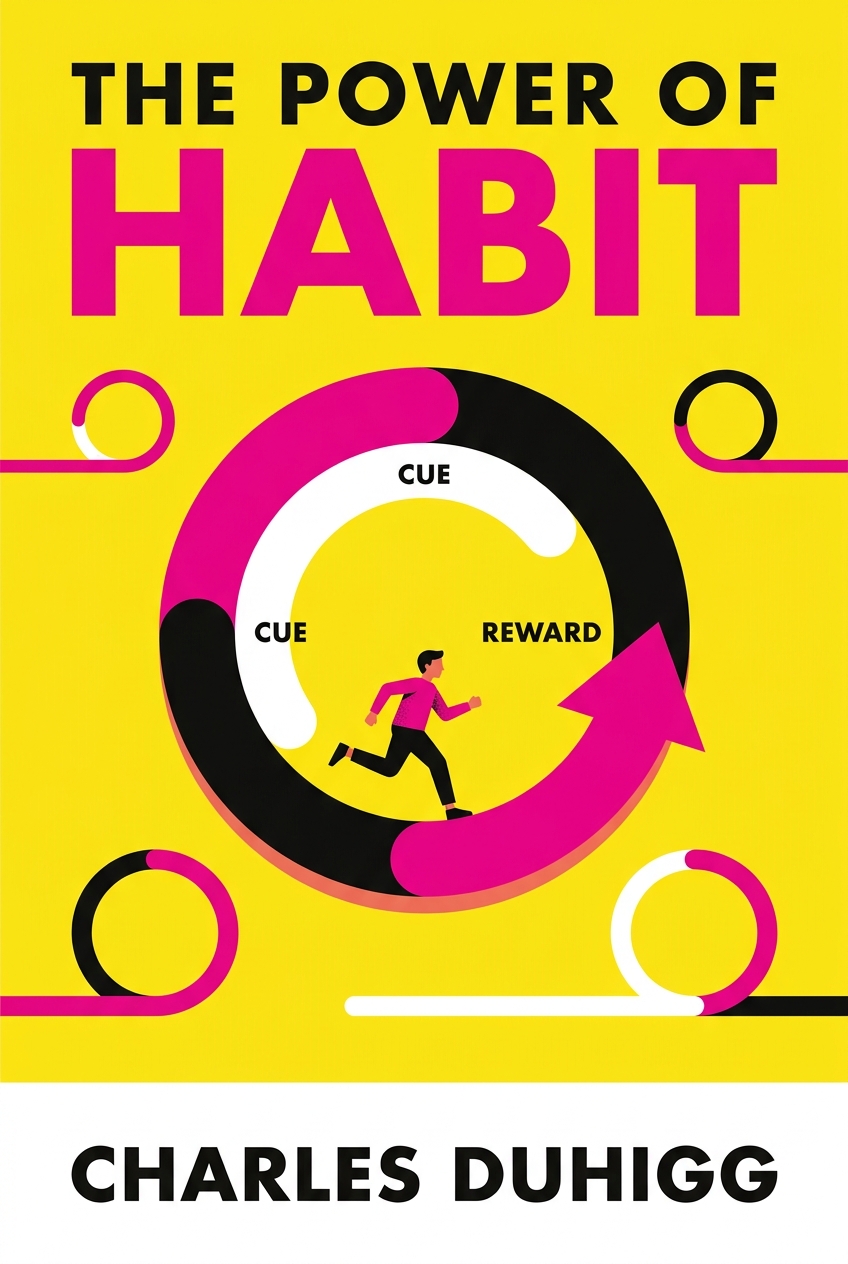
Similarly, we can structure our study sessions using the framework from Charles Duhigg's The Power of Habit. Duhigg explains that every habit follows a simple neurological loop: Cue, Routine, Reward. You can intentionally design a learning habit. For example:
- Cue: You finish dinner and clear the table.
- Routine: You open your genetics book and read for 25 minutes.
- Reward: You allow yourself to watch an episode of your favorite show or enjoy a piece of chocolate.
By creating this loop, you train your brain to associate the act of studying with a positive reward, making the routine easier to stick with over the long term. This systematic approach transforms learning from a chore into a manageable and even enjoyable part of your day.
Core Pillars of Modern Genetics
As you become more comfortable with the basics, you'll find that modern genetics revolves around a few key pillars. Any comprehensive book will guide you through these exciting areas, which explain not just how life is coded, but how we are learning to rewrite that code.
The Central Dogma and How Genes Work
The central dogma of molecular biology is a foundational concept that explains the flow of genetic information within a biological system. It's a two-step process: transcription and translation. First, the DNA sequence of a gene is copied into a messenger molecule called RNA (transcription). Then, the cell's machinery reads this RNA message and uses it to assemble a protein (translation). This DNA-to-RNA-to-protein pathway is fundamental to how your genes express themselves and create you. It's the core mechanism that turns the static blueprint of DNA into the dynamic, living reality of an organism.
Epigenetics: Beyond the DNA Sequence
For a long time, scientists believed that our DNA sequence was our destiny. However, the fascinating field of epigenetics has revealed that it's not that simple. Epigenetics refers to changes that don't alter the DNA sequence itself but affect how cells read and express genes. Certain environmental factors—like diet, stress, and exposure to toxins—can attach chemical tags to your DNA. These tags act like dimmer switches, turning certain genes up or down. This explains why identical twins, who share the exact same DNA, can grow up to have different health outcomes. It's a revolutionary idea that adds a layer of dynamic control on top of our genetic code.
Genetic Engineering and Gene Therapy: The Future Is Now
Perhaps the most talked-about area of modern genetics is our newfound ability to edit the code of life directly. Technologies like CRISPR-Cas9 have given scientists an unprecedented tool to make precise changes to DNA sequences. This has opened the door to genetic engineering on a whole new level.
This technology is the driving force behind gene therapy, a revolutionary approach to medicine that aims to treat or cure diseases by correcting the underlying genetic problem. Scientists are exploring gene therapies for inherited disorders like sickle cell anemia, cystic fibrosis, and Huntington's disease. While the ethical questions surrounding genetic engineering are complex and vital, the potential to alleviate human suffering is immense, representing one of the most significant latest genetics discoveries.
Why Genetics Is More Important Than Ever
Understanding genetics is no longer an academic exercise; it has profound implications for our daily lives and our collective future. The question why is genetics important can be answered by looking at the world around you.
In medicine, the rise of pharmacogenomics allows doctors to prescribe medications based on your genetic profile, maximizing effectiveness and minimizing side effects. This personalized approach is changing how we treat everything from depression to heart disease. The direct-to-consumer DNA testing industry, powered by companies like 23andMe and AncestryDNA, has allowed millions to explore their heritage and uncover potential health risks, showing how genetics affect daily life on a deeply personal level.
Beyond personal health, genetics is vital for global challenges. In agriculture, genetically modified crops are engineered to resist pests, thrive in drought conditions, and contain higher nutritional value, helping to feed a growing global population. In conservation, genetic analysis helps protect endangered species by monitoring their population health and diversity. From developing mRNA vaccines in record time to solving cold cases with forensic genealogy, the applications of genetics are expanding at a breathtaking pace.
Your Journey into the Code of Life
Embarking on an introduction to genetics is like learning the language in which the story of life is written. It is a field filled with wonder, complexity, and staggering potential. From the simple elegance of DNA to the paradigm-shifting discoveries in epigenetics and gene therapy, the knowledge you gain will fundamentally change how you see yourself and the world.
By leveraging consistent learning strategies and approaching the topic with curiosity, you can master this fascinating subject. The journey to understanding your own biological blueprint is one of the most empowering intellectual adventures you can undertake, revealing the intricate, beautiful, and dynamic code that connects us all.
Master key ideas in 15 minutes
Listen to audio summaries of these books on VoxBrief
Download Free