Do you ever feel like your emotions are in the driver's seat, taking you on a ride you didn't sign up for? One moment you're calm, and the next, a small comment or minor inconvenience sends you into a tailspin of frustration, anxiety, or sadness. You are not alone. The journey of learning how to master your emotions is a fundamental human challenge, but it is also one of the most rewarding skills you can develop. This is not about becoming a robot devoid of feelings; it's about understanding, managing, and wisely using your emotions to build a more peaceful and purposeful life. For those just starting out, this process of learning how to master your emotions for beginners can feel daunting, but it begins with simple, actionable steps.
In this article, we'll explore a practical framework for emotional mastery, drawing on timeless wisdom and insights from leading experts. We will break down why our emotions can feel so overwhelming and provide you with the tools to respond to life's challenges with clarity and composure instead of chaotic reactivity.
Why Emotional Mastery Is a Learnable Skill
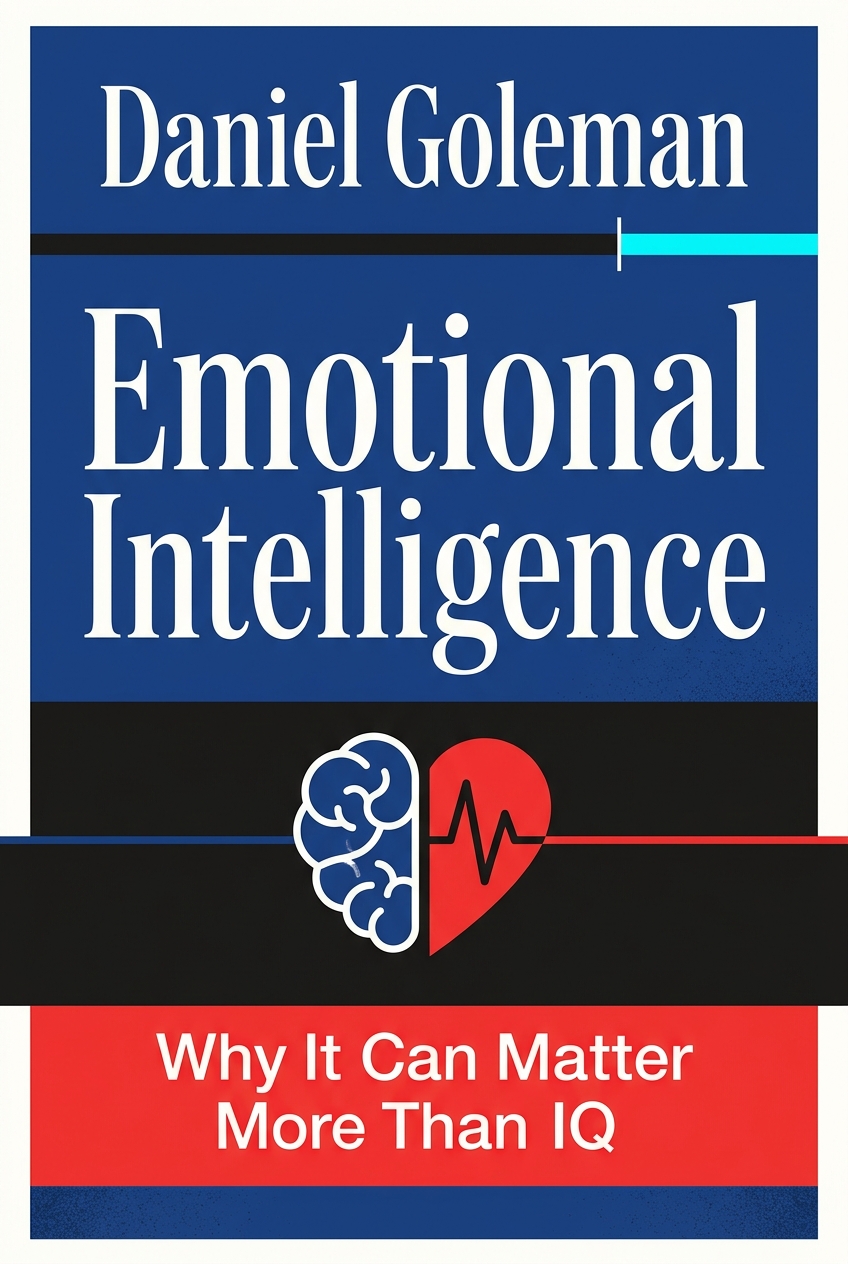
For a long time, we've thought of emotional control as a fixed personality trait—either you have it or you don't. Modern psychology, however, tells a different story. As author Daniel Goleman argues in his groundbreaking book, Emotional Intelligence, our ability to manage ourselves and our relationships is a distinct form of intelligence that can be learned and developed over time. In fact, Goleman suggests that this Emotional Intelligence (EI) is often a greater predictor of success and well-being than traditional IQ.
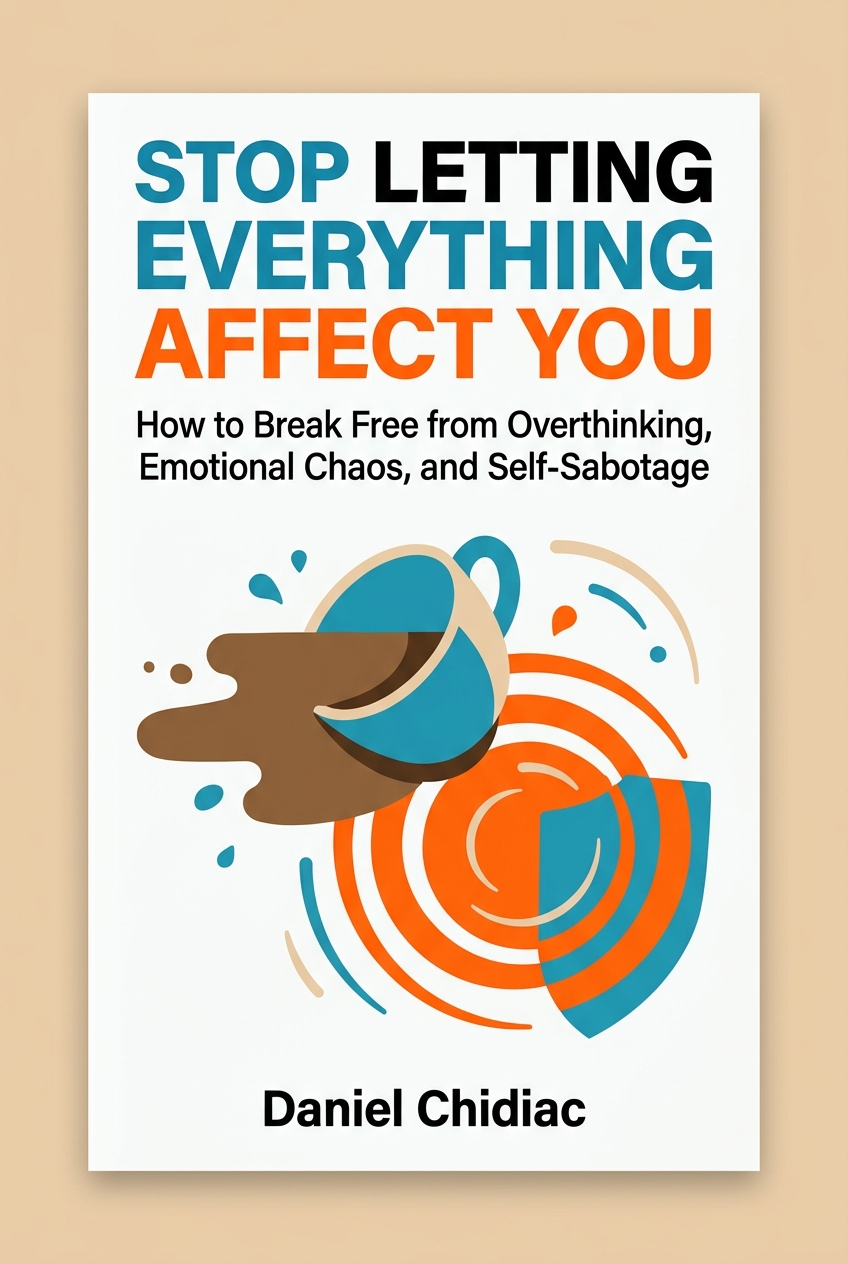
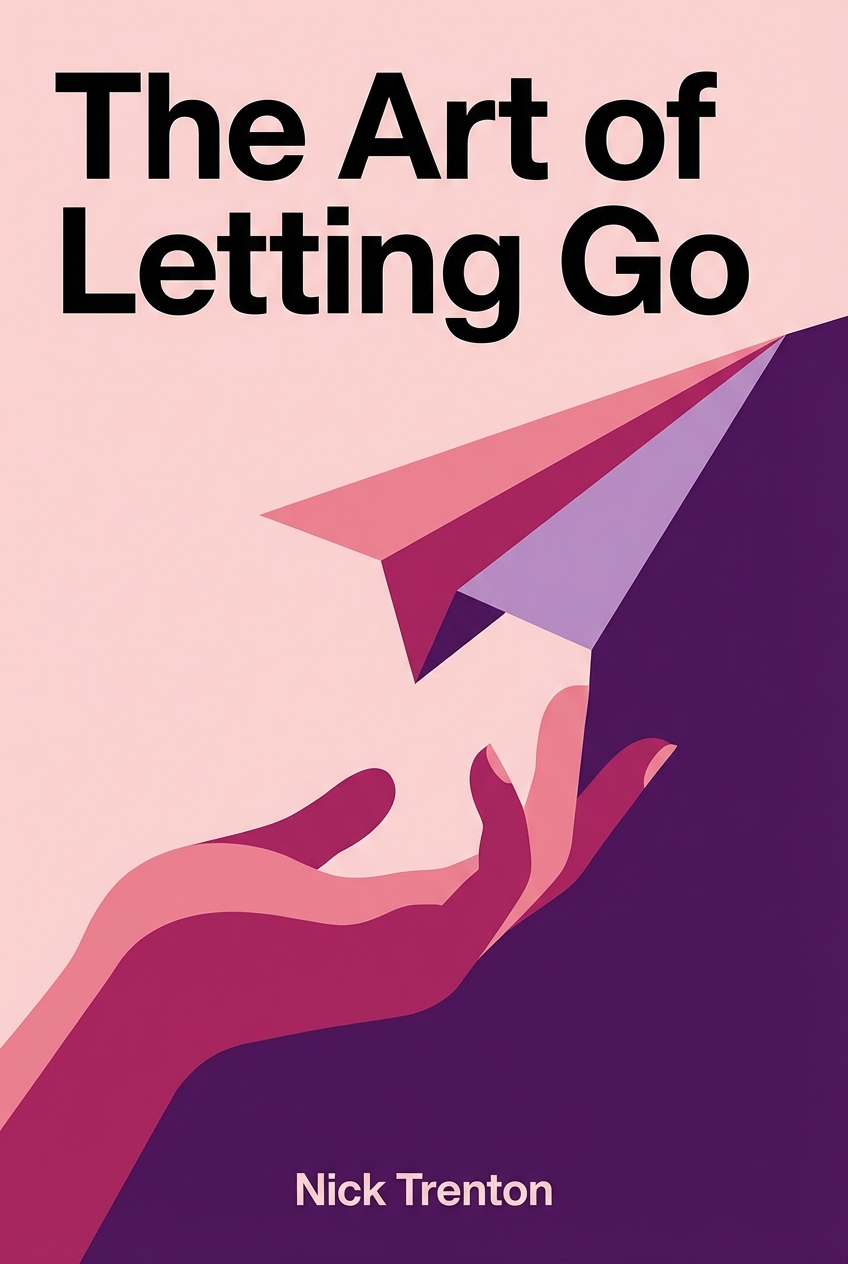
So why does it feel so difficult? Part of the challenge lies in our biology. In The Art of Letting Go, author Nick Trenton explains that our brains are built with a negativity bias geared for survival, causing us to hold on tightly to negative experiences and threats. Furthermore, author Daniel Chidiac, in Stop Letting Everything Affect You, clarifies that our sense of being overwhelmed isn't usually from one big crisis but from the slow, cumulative drip of small, daily stressors. Your commute, a critical email, a disagreement with a partner—each adds a small weight until the load becomes unbearable. Mastering your emotions means building the strength to carry this load without collapsing under it.
The Foundations of How to Master Your Emotions
Before you can manage your emotions, you must first understand them. This is the core principle of personal competence that Daniel Goleman outlines in Emotional Intelligence. It’s a process of looking inward to build a solid foundation. This journey begins with two critical pillars: self-awareness and self-regulation.
Cultivating Self-Awareness: The First Step
Self-awareness is the ability to recognize and understand your own emotions as they happen. It’s the difference between saying "I am angry" and "I am feeling the sensation of anger." This subtle shift in language reflects a profound shift in perspective: you are not your emotion; you are the one observing it.
To build self-awareness, practice emotional labeling. When you feel a strong emotion rising, take a moment to pause and mentally name it without judgment. Is it frustration? Disappointment? Fear? Just identifying the feeling can reduce its intensity and give you a sense of control. This practice interrupts the automatic reaction and begins the process of conscious response.
Developing Self-Regulation: The Art of Responding, Not Reacting
Once you can see your emotions clearly, the next step is self-regulation—managing those feelings effectively. This isn't about suppression. Pushing anger or anxiety down doesn't make it disappear; it just festers and often erupts later with greater force. Self-regulation is about choosing how you respond to your emotions.
The most powerful tool for self-regulation is the "pause." When you feel triggered, consciously create a space between the stimulus and your response. This can be as simple as taking one deep breath before speaking or acting. In that brief moment, you give your rational brain a chance to catch up with your emotional brain, allowing you to choose a response that aligns with your values rather than one driven by a fleeting impulse.
Practical Strategies for Emotional Freedom
Understanding the theory is essential, but true mastery comes from practice. The following strategies provide concrete methods for managing difficult thoughts and feelings, helping you build resilience and reclaim your inner peace.
Unhooking from Negative Thoughts with Acceptance
We often believe that to control our emotions, we must control our thoughts. But as Dr. Russ Harris explains in The Happiness Trap, trying to fight or eliminate negative thoughts is often the very thing that makes us miserable. This struggle is like wrestling with quicksand—the more you fight, the deeper you sink.
Harris introduces a powerful alternative from Acceptance and Commitment Therapy (ACT): psychological defusion, or "unhooking." Instead of getting caught by a negative thought, you notice it, acknowledge its presence, and let it go without a struggle. A simple technique is to rephrase your thoughts. For example, instead of thinking, "I'm not good enough," you say to yourself, "I'm having the thought that I'm not good enough." This creates distance, reminding you that a thought is just a collection of words and images in your head, not an absolute truth you must obey.
Gaining Perspective to Shrink Your Stressors
When we are in the grip of a strong emotion, the problem at hand can feel all-consuming. Daniel Chidiac, in Stop Letting Everything Affect You, encourages us to adopt a "cosmic perspective." He asks us to imagine an observer from another planet looking down at our lives.
From that vantage point, would the stressful email, the traffic jam, or the critical comment really matter? This mental exercise isn't meant to invalidate your feelings but to right-size them. By zooming out, you can see that most of our daily stressors are, in the grand scheme of our lives, relatively minor. This perspective shift drains the power from the immediate problem and helps you approach it with a calmer, more resourceful mindset.
A Step-by-Step Process for Navigating Difficult Emotions
Knowing how to master your emotions step by step gives you a reliable plan when you feel overwhelmed. Here is a simple, four-part framework that combines insights from several experts:
Acknowledge and Name It: The moment you feel a difficult emotion, pause and identify it. Say to yourself, "This is anxiety" or "I am feeling hurt." As Daniel Goleman's work suggests, this act of recognition is the foundation of emotional intelligence.
Create Space with Your Breath: Take three slow, deep breaths. Inhale through your nose, and exhale slowly through your mouth. This simple physiological act calms your nervous system and creates a mental pause, preventing an immediate, reactive response.
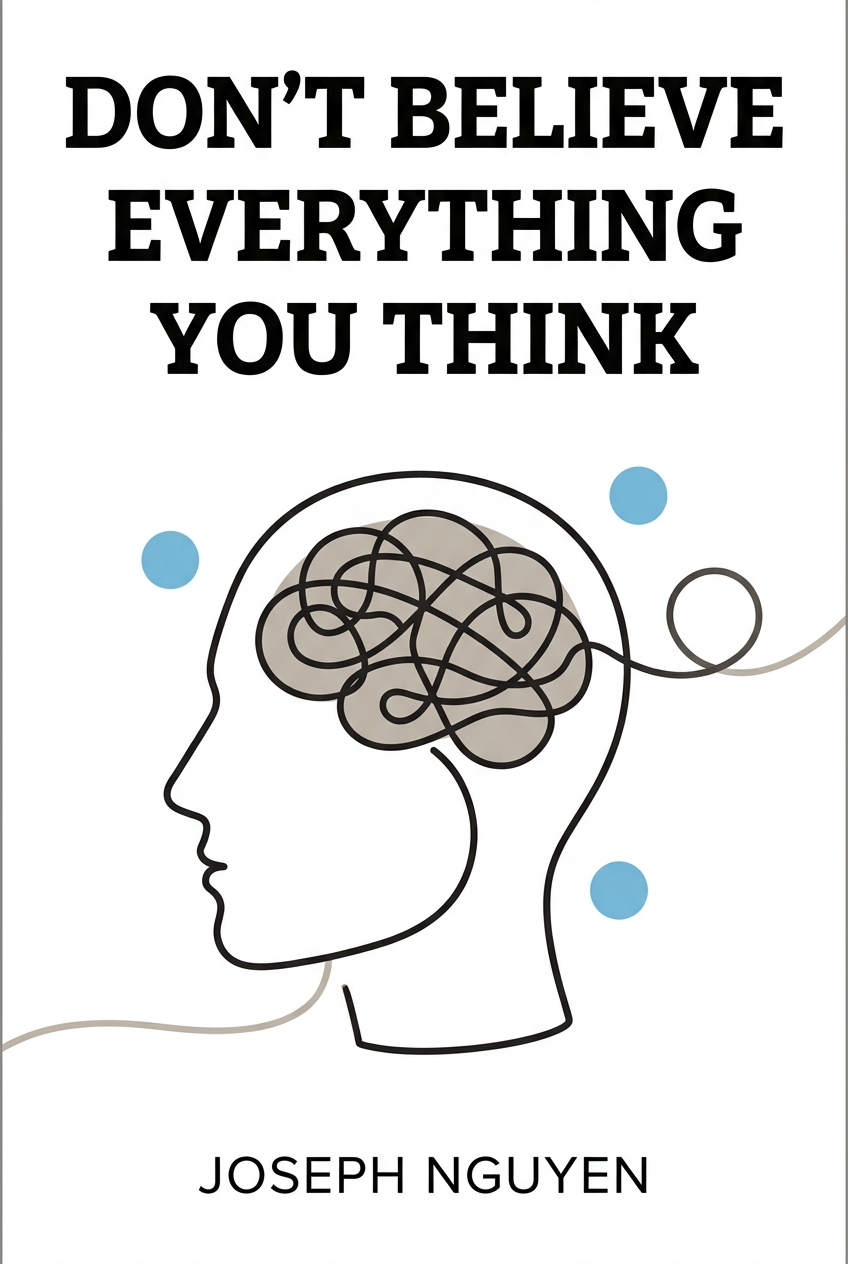
Get Curious (Defuse): Instead of believing the thought that is fueling the emotion, get curious about it. As inspired by the work of Joseph Nguyen in Don't Believe Everything You Think, you can simply notice the thought without engaging. You might rephrase it, as suggested in The Happiness Trap: "I'm noticing my mind is telling me a story about failure right now."
Choose a Value-Aligned Action: Now that you've created some space, ask yourself: "What action can I take that aligns with the person I want to be?" As Dr. Russ Harris emphasizes, this final step moves you from being stuck in the struggle to taking committed action toward what truly matters to you. It could be communicating your needs calmly, taking a short walk, or simply returning your focus to the task at hand.
Mastering your emotions is a continuous journey, not a destination. It requires patience, self-compassion, and consistent practice. By integrating these principles into your life, you are not erasing your feelings but learning to navigate them with wisdom and grace. The goal is to ensure that you are the one in charge of your life, with your emotions serving as valuable guides rather than unruly dictators. With this collection of how to master your emotions tips, you are well-equipped to begin building a stronger, more resilient inner world.
Master key ideas in 15 minutes
Listen to audio summaries of these books on VoxBrief
It's challenging because our brains are often wired with a negativity bias for survival, as noted by authors like Nick Trenton. Additionally, as Daniel Chidiac explains in *Stop Letting Everything Affect You*, overwhelm from small, daily stressors can build up, making our emotions feel chaotic and difficult to manage.
The best way involves a combination of self-awareness, acceptance, and consistent practice. Instead of suppressing feelings, experts like Daniel Goleman suggest first understanding them and then learning to regulate your response, turning emotional reactions into thoughtful choices.
A great first step is simply to pause before you react. This creates a small gap between an emotional trigger and your response, giving you a chance to choose a more constructive action rather than being controlled by the initial impulse. This is a foundational practice in many approaches to emotional mastery.
While there are many excellent resources, this article serves as a powerful 'how to master your emotions guide' to get you started. True mastery is an ongoing journey of applying principles from books like *Emotional Intelligence* and *The Happiness Trap* to your daily life.