What Are the Best Books About Meaning of Life? A Guide to Finding Purpose
By VoxBrief Team··7 min read
It’s a question that echoes through human history, whispered in quiet moments and shouted in times of crisis: “What is the point of it all?” This search for purpose is a fundamental part of our experience. While the answers are deeply personal, we don't have to navigate this journey alone. Today, we're exploring insights from some of the best books about meaning of life, turning to profound wisdom that can act as a compass when you feel lost.
Whether you're a student deciding on a future, a professional questioning your career path, or simply someone feeling a vague sense of unease, this guide is for you. We will unpack powerful concepts from thinkers who have dedicated their lives to this question, offering frameworks and exercises to help you build a life rich with purpose, authenticity, and resilience.
What is the Meaning of Life, and Why Does It Matter?
Before diving into solutions, it's crucial to understand the question itself. So, what is meaning of life? It’s not a single, universal answer waiting to be discovered under a rock. Rather, it’s something you actively create and cultivate through your choices, actions, and perspective. A meaningful life is one that feels significant and worthwhile to you.
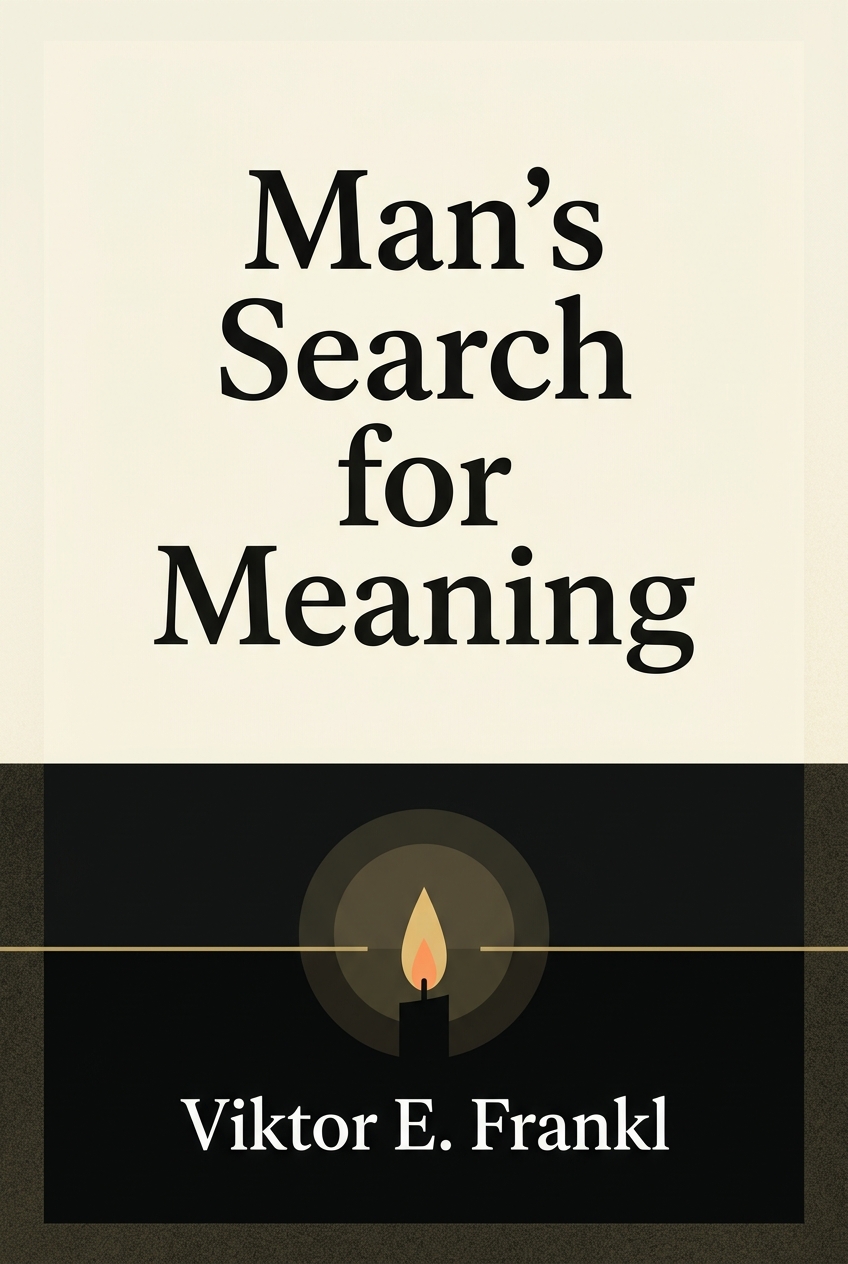
Why is meaning of life important? Without it, we can fall into what psychiatrist and Holocaust survivor Viktor Frankl called the "existential vacuum." In his pivotal work, Man's Search for Meaning, Frankl observed that after their basic needs were met, many people in modern society suffered from a profound sense of aimlessness and boredom. This emptiness is one of the key signs of a life lacking meaning, and it can lead to anxiety, depression, and apathy.
Frankl’s core insight, forged in the unimaginable suffering of a concentration camp, was a revolutionary shift in perspective. He argued that we shouldn't ask what we expect from life, but rather what life expects from us. Meaning isn’t about passive happiness; it's about active responsibility. He discovered what he called "the last of the human freedoms"—the ability to choose one's attitude in any given set of circumstances. This single idea empowers us to find purpose even in our darkest moments, transforming suffering into an opportunity for growth.
Proven Frameworks from Books About Meaning of Life
Feeling a lack of meaning can be overwhelming, but thankfully, great thinkers have developed practical frameworks to guide us. These models from leading books about meaning of life serve as maps, helping you identify what truly matters and how to integrate it into your everyday existence.
Discover Your 'Ikigai': The Japanese Secret to Purpose
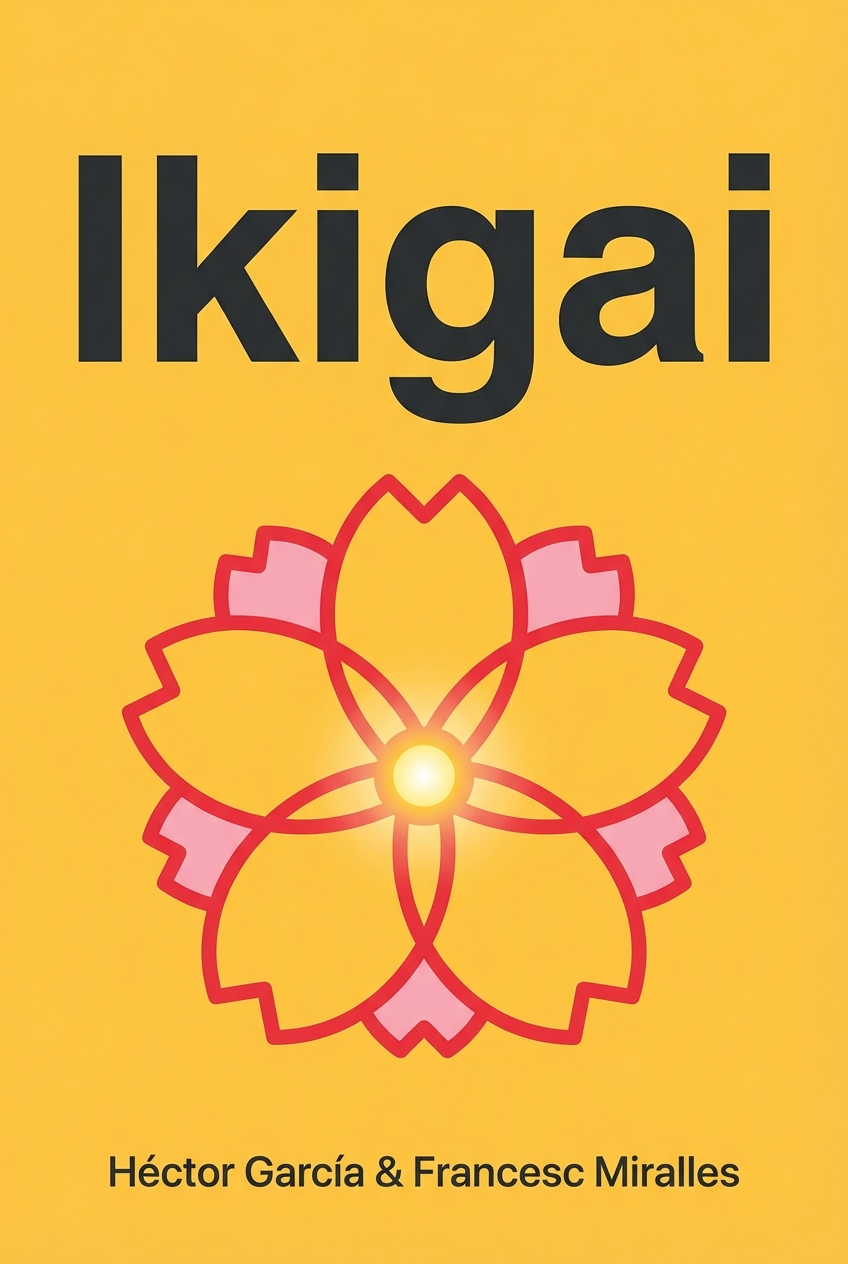
In the book Ikigai: The Japanese Secret to a Long and Happy Life, authors Héctor García and Francesc Miralles take us to Okinawa, Japan—a region famous for the longevity and vitality of its residents. Their secret isn't just diet or genetics; it's that they live with a strong sense of ikigai, a Japanese term that translates to "a reason for being."
Your ikigai is the convergence of four essential elements:
What you love (your passions)
What you are good at (your skills)
What the world needs (your mission)
What you can be paid for (your profession)
Finding the sweet spot where these four circles overlap is the key to a fulfilling life. This is an incredibly useful concept for anyone at a crossroads. For students, it provides a richer way to think about a career than just salary. For professionals feeling burnout at work, it offers a diagnostic tool to see which element is missing—perhaps their job pays the bills but doesn't align with their passions or a sense of mission.
The authors also emphasize the importance of achieving "flow," a concept from psychologist Mihaly Csikszentmihalyi. Flow is the state of being so completely absorbed in an activity that you lose track of time. Identifying activities that put you in a state of flow is a powerful clue to discovering your ikigai.
The Three Paths to Meaning According to Logotherapy
Returning to Viktor Frankl's Man's Search for Meaning, his clinical practice of Logotherapy (from the Greek logos, meaning "meaning") wasn't just philosophical; it was practical. He outlined three concrete paths through which any person can find meaning in their life:
By creating a work or doing a deed: This is the most straightforward path—finding meaning through what we contribute to the world. This can be your job, a creative project, or service to your community. It’s about having a task that gives you a sense of purpose.
By experiencing something or encountering someone: Meaning can be found in moments of profound connection and appreciation. This includes experiencing goodness, truth, or beauty—such as being moved by nature or art—and, most importantly, by loving another person.
By the attitude we take toward unavoidable suffering: For Frankl, this was the most profound path. When faced with a situation you cannot change (like a terminal illness or an irreversible loss), you still have the freedom to choose how you respond. Finding meaning in suffering by facing it with dignity, courage, and grace is the ultimate expression of human potential.
These three paths offer a powerful set of meaning of life coping strategies because they are accessible to everyone, regardless of their circumstances.
Navigating the 'Second Half' Transition
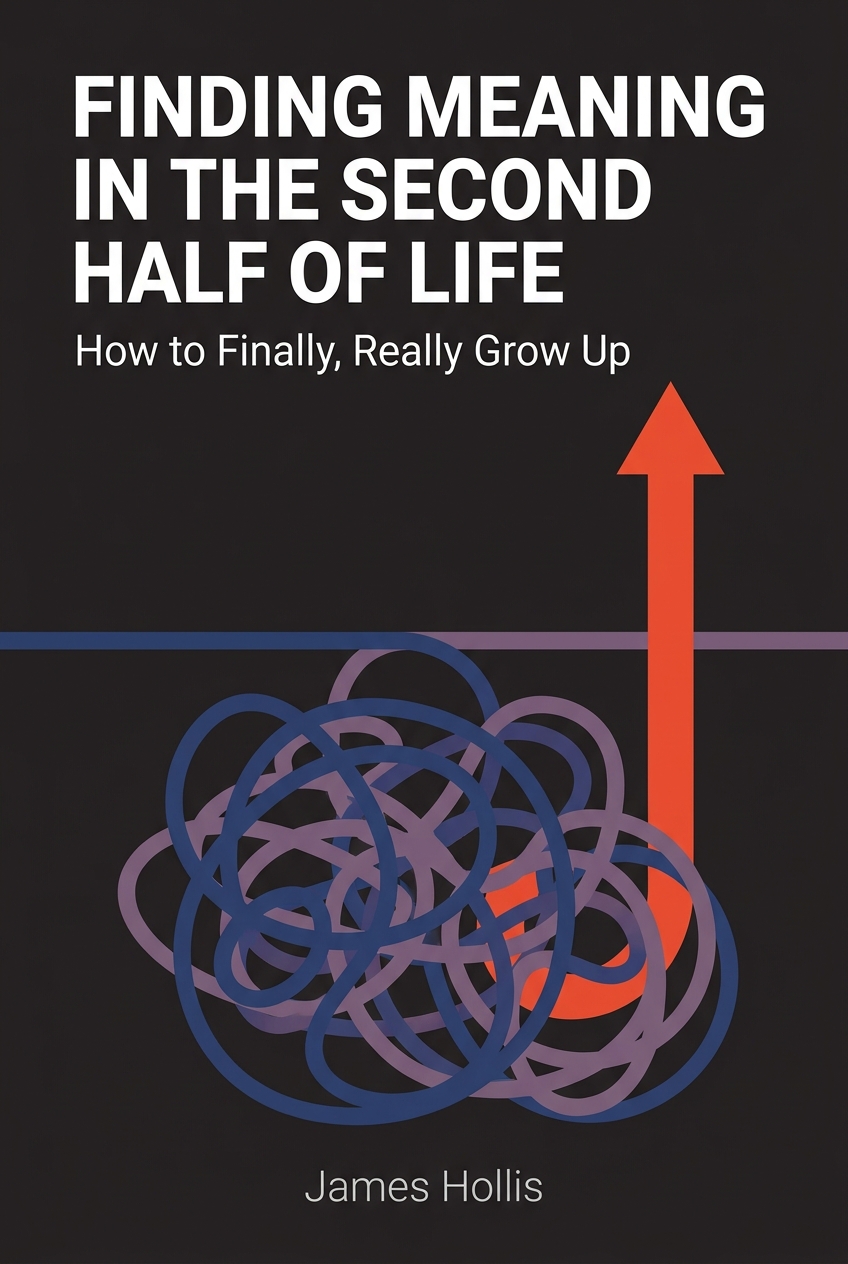
What happens when the life you've carefully built suddenly feels hollow? Jungian analyst James Hollis addresses this in Finding Meaning in the Second Half of Life. He argues that the "first half" of life is governed by an unwritten social contract: we follow the rules, build a career, raise a family, and accumulate security in the hope of earning love and happiness.
For many, this contract breaks down around midlife. The job, the relationship, or the achievements no longer provide the same satisfaction. This isn't a failure; Hollis says it's an invitation from your soul to live a larger, more authentic life. This is the moment to stop asking what others expect of you and start asking what your deeper self wants to express. The struggle with meaning at this stage is a sign that it’s time to finally grow into the person you were always meant to be, moving beyond the programming of your youth.
How to Overcome a Struggle with Meaning and Build Resilience
Understanding frameworks is one thing; applying them is another. Overcoming a sense of meaninglessness is an active process that requires new habits and a shift in mindset. It’s not about finding one answer, but about learning how to live with the question.
Embracing Authenticity and Letting Go of Pretense
In Life Lessons, Elisabeth Kübler-Ross and David Kessler share profound insights gathered from working with the dying. One of the most common regrets people have at the end of their lives is not having had the courage to live a life true to themselves, but instead living the life others expected of them. This is the "Lesson of Authenticity."
This insight is a powerful starting point for anyone feeling lost. A primary cause of meaninglessness is the disconnect between our inner self and our outer life. One of the simplest meaning of life exercises is to ask yourself: "In what areas of my life am I wearing a mask? What would I do if I were not afraid of what others think?" Being authentic is a foundational step toward building a life that feels like your own.
Developing Resilience and Tragic Optimism
Life will inevitably present challenges, setbacks, and pain. A sense of meaning can be fragile if it depends on everything going perfectly. This is why resilience is a critical component of a meaningful life.
The book Ikigai highlights resilience as the ability to persevere with a clear purpose, even when things get tough. It's about a tenacious, flexible mindset. Similarly, Viktor Frankl's concept of "Tragic Optimism" offers a powerful way to deal with pain. It's an optimism that says yes to life in spite of its tragic elements (pain, guilt, and death) by finding the potential meaning in each.
How do you build this? You can practice by separating what you can control from what you can't. When faced with a setback, focus your energy on your response—the one thing you always have power over. This practice shifts you from a victim mentality to an empowered one, which is essential for overcoming struggles with meaning long term.
Finding Meaning in Daily Actions
The search for meaning often feels like a quest for something epic and grand. But as many of these books teach us, purpose is most often found and sustained in the small, consistent actions of our daily lives.
As Kübler-Ross and Kessler learned from the dying, happiness is often a choice made in the present moment. It's found not in a promotion or a lottery win, but in the quality of our connections and our appreciation for being alive. You can cultivate meaning by consciously noticing small moments of joy, connection, and purpose each day. It could be helping a colleague, sharing a real conversation with a friend, or spending five minutes fully absorbed in a hobby. Meaning isn't something you find; it's something you build, one day at a time.
Your Journey to Meaning
The quest for meaning is not a sign that something is wrong with you; it's a sign that you are fully human. It's an invitation to live more deeply, authentically, and courageously.
By exploring concepts like Ikigai, Frankl's logotherapy, Hollis's journey into the second half of life, and the vital lessons from the dying, we gain a rich toolkit for this journey. You don't need to have it all figured out. The goal is simply to start where you are, with one small, conscious choice at a time. By doing so, you begin the profound and rewarding work of creating a life that is truly your own.
Master key ideas in 15 minutes
Listen to audio summaries of these books on VoxBrief
Many people struggle with this question. It can stem from an "existential vacuum," as psychiatrist Viktor Frankl described it, a feeling of inner emptiness common in modern life. It can also happen during major life transitions, where old goals no longer feel relevant, forcing a search for a deeper, more authentic purpose.
Absolutely. Think of it less as a fixed destination and more as a skill you can develop. Frameworks like the Japanese concept of Ikigai provide practical steps for finding purpose, while practices like logotherapy show how you can consciously choose your attitude and find meaning even in difficult circumstances.
Long-term fulfillment comes from building resilience and treating meaning as an ongoing practice. This involves accepting that your purpose may evolve, developing coping strategies for setbacks, and consistently engaging in small, meaningful daily actions rather than waiting for one grand epiphany. It's a continuous journey of growth and self-discovery.