Feeling stuck is a universal human experience. You might be busy but not productive, successful but not fulfilled, or simply feel that your own mind is working against you. This is where the power of self-development comes in. Finding good self development books to read is often the first step on a transformative journey toward a more intentional and empowered life. But with thousands of titles available, where do you even begin?
This article serves as an introduction to must-read books about personal development. We won't just list titles; we'll explore what these books are, why they are so important for your growth, and how you can choose the right ones for your unique journey. We will also provide tips on how to absorb their wisdom effectively, moving from passive reading to active transformation.
What Are Must-Read Books About Personal Development?
At its core, a personal development book is a guide that offers a framework for improving some aspect of your life. The genre is incredibly broad, covering everything from productivity and habit formation to emotional intelligence and spiritual growth. The common thread is their focus on providing actionable knowledge. This is a key point in answering the question, “what is must read books about personal development?”—they are not just collections of feel-good platitudes; they are toolkits for change.
Great personal development books do a few things exceptionally well:
- They introduce a new paradigm: They challenge your existing beliefs and offer a new way to see the world or yourself.
- They provide a structured framework: They break down complex psychological or behavioral concepts into understandable models and steps.
- They offer actionable techniques: They give you concrete things you can do to create change.
For example, in his classic, The 7 Habits of Highly Effective People, Stephen R. Covey introduces a fundamental paradigm shift. He argues that lasting success comes not from surface-level personality tweaks (the "Personality Ethic") but from cultivating a deep, principle-centered character (the "Character Ethic"). This is what he calls the "Inside-Out" approach. Instead of trying to change your results directly, you first change the core perceptions and principles that drive your actions. This concept alone explains why so many attempts at self-improvement fail—we often try to fix the leaves without tending to the roots.
Why Learning About Personal Development Is Important
Engaging with personal development literature is more than a hobby; it’s a strategic investment in your own well-being and effectiveness. The question "why learn about must read books about personal development" has profound answers that touch every part of your life, from your inner peace to your professional trajectory.
One of the primary benefits is gaining profound self-awareness. These books act as mirrors, reflecting our own thought patterns, emotional reactions, and self-sabotaging behaviors back at us. They give us the language and concepts to understand why we do what we do. This is a crucial step for anyone starting out, making it an ideal topic for an introduction to must read books about personal development.
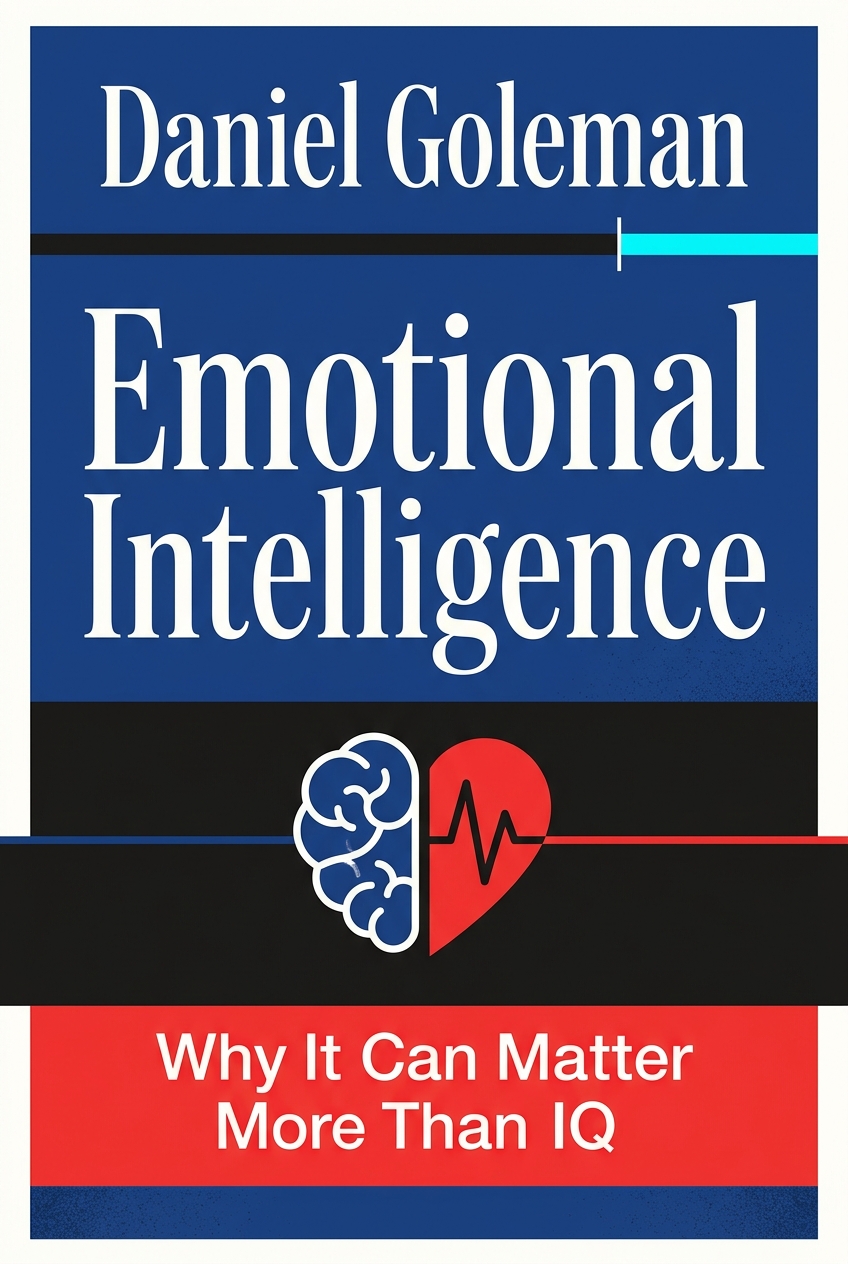
This leads directly to the development of emotional regulation. In his groundbreaking book Emotional Intelligence, Daniel Goleman makes a compelling case that EQ (Emotional Quotient) is often more critical for success and happiness than IQ. Goleman breaks EI down into five key pillars, with the first two being personal competencies: self-awareness and self-regulation. By reading books on this topic, you learn to identify your emotions as they arise and manage them constructively rather than being controlled by them. This skill is foundational for navigating stress, making clear decisions, and building strong relationships.
Finally, these books equip you with actionable skills for real-world challenges. Whether it's a system for managing your time, a method for breaking bad habits, or a communication technique for difficult conversations, personal development books provide proven roadmaps. They condense decades of research and lived experience into practical guides, saving you from having to learn every lesson the hard way.
How to Choose Good Self Development Books To Read for Your Goals
With a clearer understanding of their value, the next step is selecting a book. The sheer volume of options can be overwhelming for must read books about personal development for beginners. The key is to be intentional. Instead of grabbing the latest bestseller, start by looking inward.
Identify Your Core Challenge
What is the biggest source of friction in your life right now? Is it anxiety and overthinking? Procrastination and lack of focus? Difficulty in professional relationships? Being specific is your best filter.
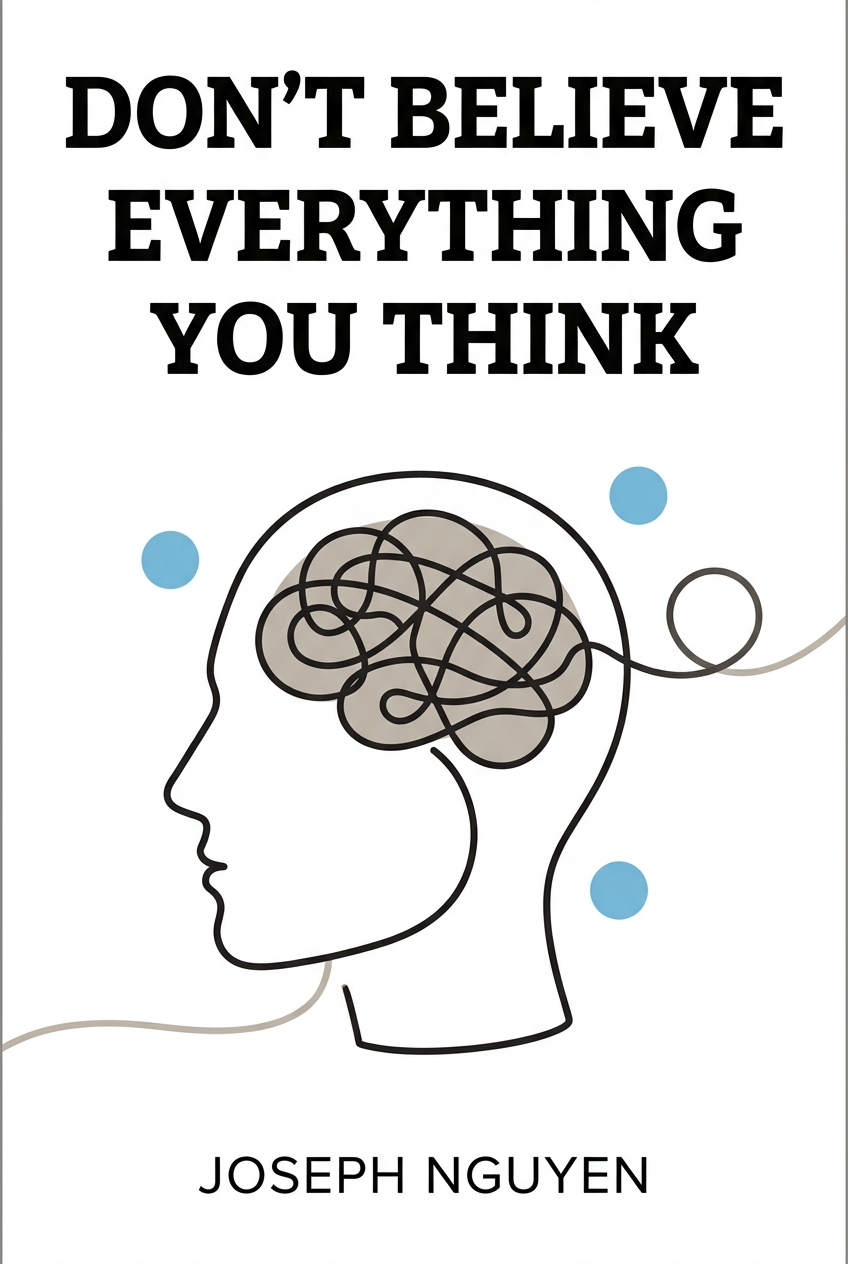
If your mind is a source of constant stress, you need a book that addresses the mechanics of thought itself. For instance, in Don't Believe Everything You Think, Joseph Nguyen presents a simple yet radical idea: our suffering doesn't come from our thoughts, but from our engagement with them. He distinguishes between the passive flow of "thoughts" and the active, problematic process of "thinking." Recognizing this distinction is the key to finding inner peace without complex meditation techniques or forced positivity. By identifying your challenge as "overthinking," you can find a book like this that offers a direct and relevant solution.
Distinguish Between Insight and Action
Personal development books generally fall on a spectrum. On one end are books that provide deep psychological or philosophical insights, changing how you see the world. On the other end are books that offer highly practical, step-by-step systems.
Neither is better than the other; they serve different purposes. Insight-oriented books help you understand the "why" behind your struggles, which can be profoundly healing. Action-oriented books give you the "how," providing a clear path forward. The most effective books often blend both.
Covey’s 7 Habits is a masterclass in this blend. The "Private Victory" (Habits 1-3: Be Proactive, Begin with the End in Mind, Put First Things First) is a framework for achieving self-mastery. It’s a clear, actionable system built on the foundational insight of the Character Ethic. Understanding this structure helps you choose a book that matches your current need—do you need a new perspective, or do you need a new to-do list?
How to Learn From Personal Development Books Effectively
Simply reading a book, no matter how profound, will not change your life. The magic happens in the application. This is where many people fall short. Here are some personal development tips to turn reading into real growth.
Read Actively, Not Passively
Treat a personal development book like a textbook for your life. Keep a pen or highlighter handy. Underline sentences that resonate. Write notes in the margins. When you finish a chapter, take a moment to summarize its key idea in your own words. This act of translation moves the information from short-term memory to long-term understanding.
Active reading forces you to engage with the material critically. Do you agree with the author? How does this concept apply to a specific situation in your life? This dialogue with the text is where true learning begins.
Focus on One Key Takeaway
It's tempting to try and implement every piece of advice from a book at once. This is a recipe for overwhelm and failure. Instead, identify the single most impactful idea or habit from the book for your current situation and commit to practicing just that.
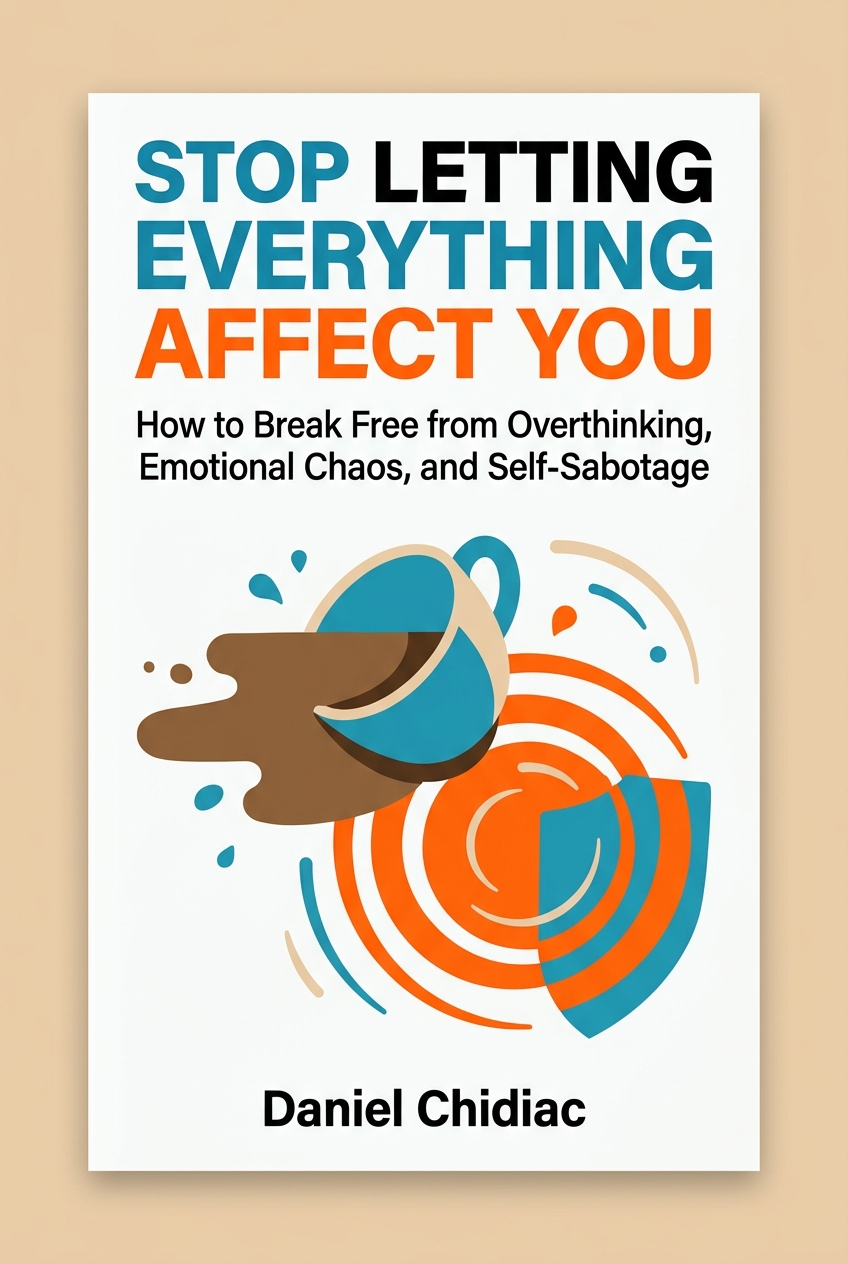
For example, after reading Stop Letting Everything Affect You by Daniel Chidiac, you might be inspired by his many tools for emotional freedom. Rather than trying them all, you could focus on one specific technique mentioned in the book: adopting a "cosmic perspective." For one week, whenever you feel stressed about a minor issue, practice zooming out and asking yourself if it will matter in a year, or ten years. By mastering one tool at a time, you build momentum and create lasting change.
Use Summaries to Reinforce Learning
Weeks after you finish a great book, its core lessons can begin to fade. Reinforcement is crucial. This is where platforms like VoxBrief become invaluable. Listening to a concise audiobook summary allows you to revisit the book's essential frameworks and actionable takeaways in just a few minutes.
You can refresh your memory on Daniel Goleman’s five pillars of emotional intelligence during your commute or reconsider Covey’s Time Management Matrix while planning your week. This practice of spaced repetition ensures that the most important lessons stay top-of-mind, making them easier to apply when you need them most.
Ultimately, the journey of personal development is a marathon, not a sprint. It's a continuous process of learning, applying, and refining. The right book is a powerful catalyst, but you are the one who must do the work. By choosing intentionally and engaging actively, you can unlock the incredible potential for growth that lies within the pages of these life-changing books.
Master key ideas in 15 minutes
Listen to audio summaries of these books on VoxBrief
Download Free