Your Guide to the Best Personal Finance Books for Building Wealth
By VoxBrief Team··6 min read
Feeling overwhelmed by money is a common experience. You work hard, but it often feels like you’re just treading water, living paycheck to paycheck with little to show for it. This is where understanding personal finance becomes essential. But what is personal finances? At its core, it's the management of your money—your income, expenses, savings, and investments—to achieve your financial goals. Learning how to build personal finances isn't about complex algorithms or risky stock picks; it's about building a system for your life. By applying wisdom from the best personal finance books, you can transform your relationship with money and build a future of security and freedom.
This guide will walk you through the foundational principles and actionable strategies that can help you take control. We'll explore timeless insights from world-renowned experts to help you navigate everything from your daily budget to long-term retirement planning. Whether you're in your 20s and just starting out or a millennial looking to get serious about your future, these concepts will provide a clear roadmap.
Unlocking the Foundation: Your Financial Mindset
Before diving into spreadsheets and investment accounts, it’s crucial to understand the most powerful tool at your disposal: your mind. Many of the most common personal finances mistakes to avoid are not mathematical errors but behavioral ones. Your beliefs, habits, and emotional reactions to money dictate your financial reality far more than your income.
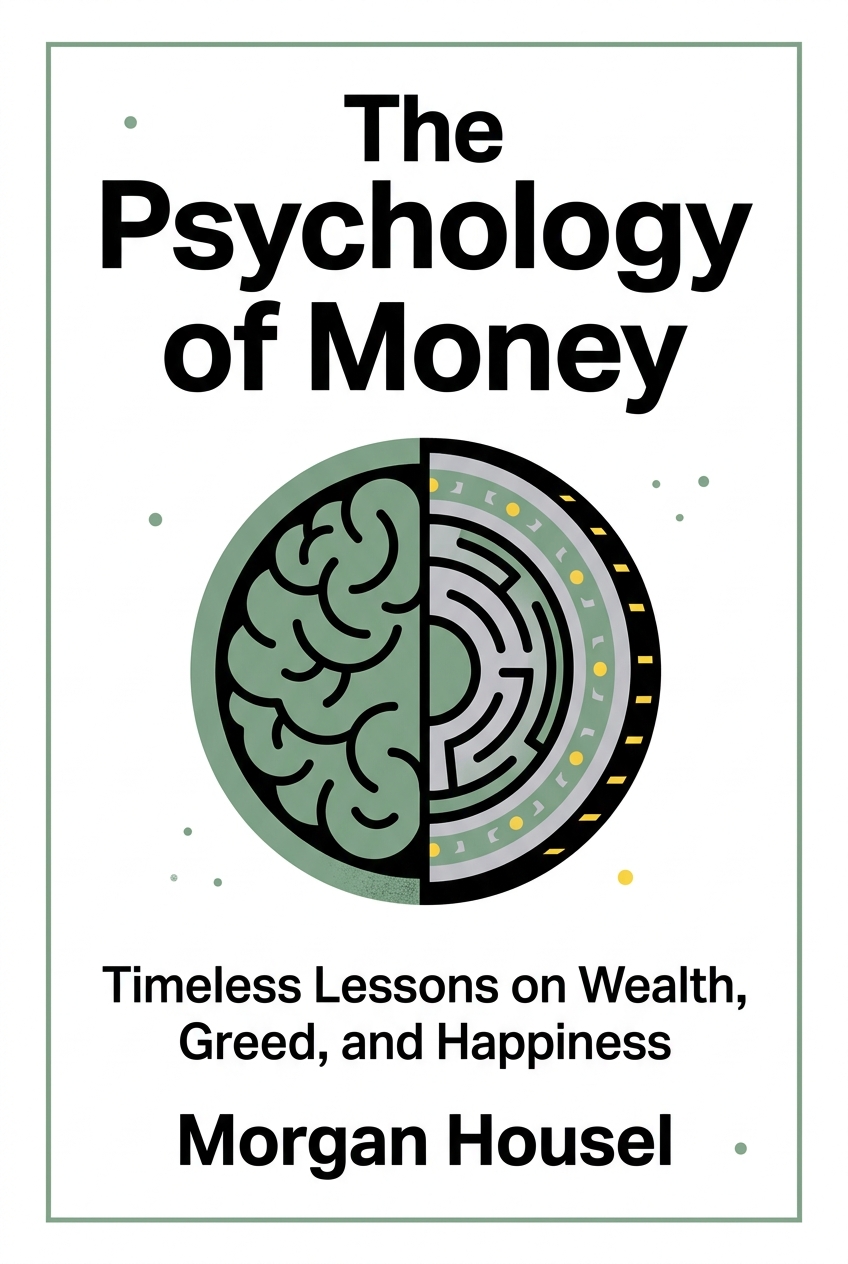
In his book, The Psychology of Money, Morgan Housel makes a compelling case that financial success is less about what you know and more about how you behave. He argues that finance is a soft skill, driven by psychology. Two people with the same level of intelligence can have wildly different financial outcomes based purely on their behavior. Understanding that luck and risk are two sides of the same coin helps you stay humble in success and resilient in failure. This perspective is critical for anyone new to personal finances, as it shifts the focus from chasing perfection to building consistent, positive habits.
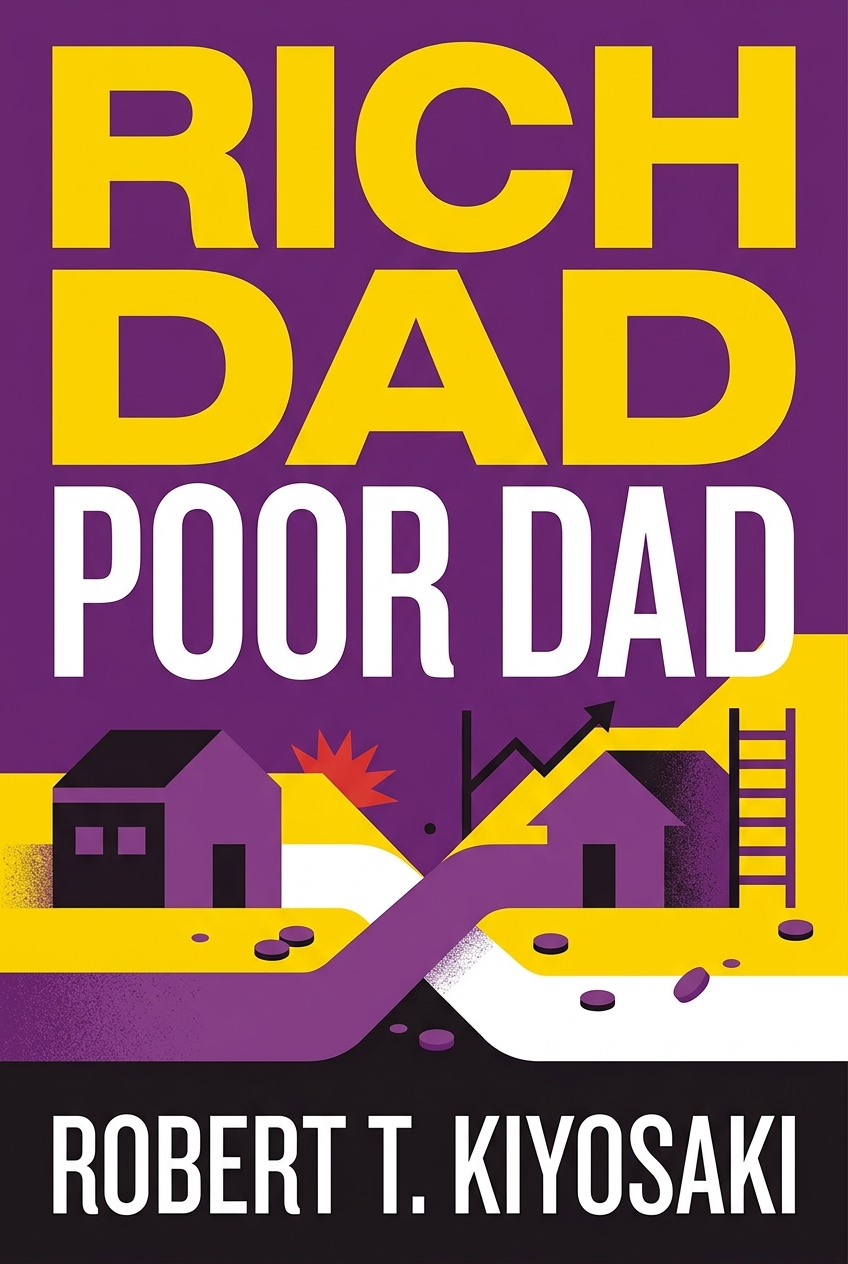
Similarly, Robert T. Kiyosaki’s Rich Dad Poor Dad emphasizes that the fundamental difference between the rich and everyone else begins with a mindset shift. The book's core lesson is about unlearning the conventional wisdom of simply working for a paycheck. It challenges you to adopt the thinking of the rich, who focus on building and acquiring assets that generate income for them. This initial shift in perspective is the true starting point for anyone serious about building wealth, long before a single dollar is ever invested.
The Core Personal Finances Strategies for Beginners
Once your mindset is aligned with wealth creation, it's time to implement a practical system. These strategies are the mechanical gears that turn your financial goals into reality. When it comes to personal finances for beginners, mastering these fundamentals is non-negotiable. They provide the structure needed to manage your money effectively and build momentum over time.
The Power of Budgeting and Saving Money
A budget is not a financial straitjacket; it’s a plan that gives your money a purpose. It's the answer to the question, "Where did all my money go?" Without a budget, you're flying blind. The process helps you become intentional with your spending, identify waste, and free up cash to direct toward your goals, like saving money for a down payment or paying off debt.
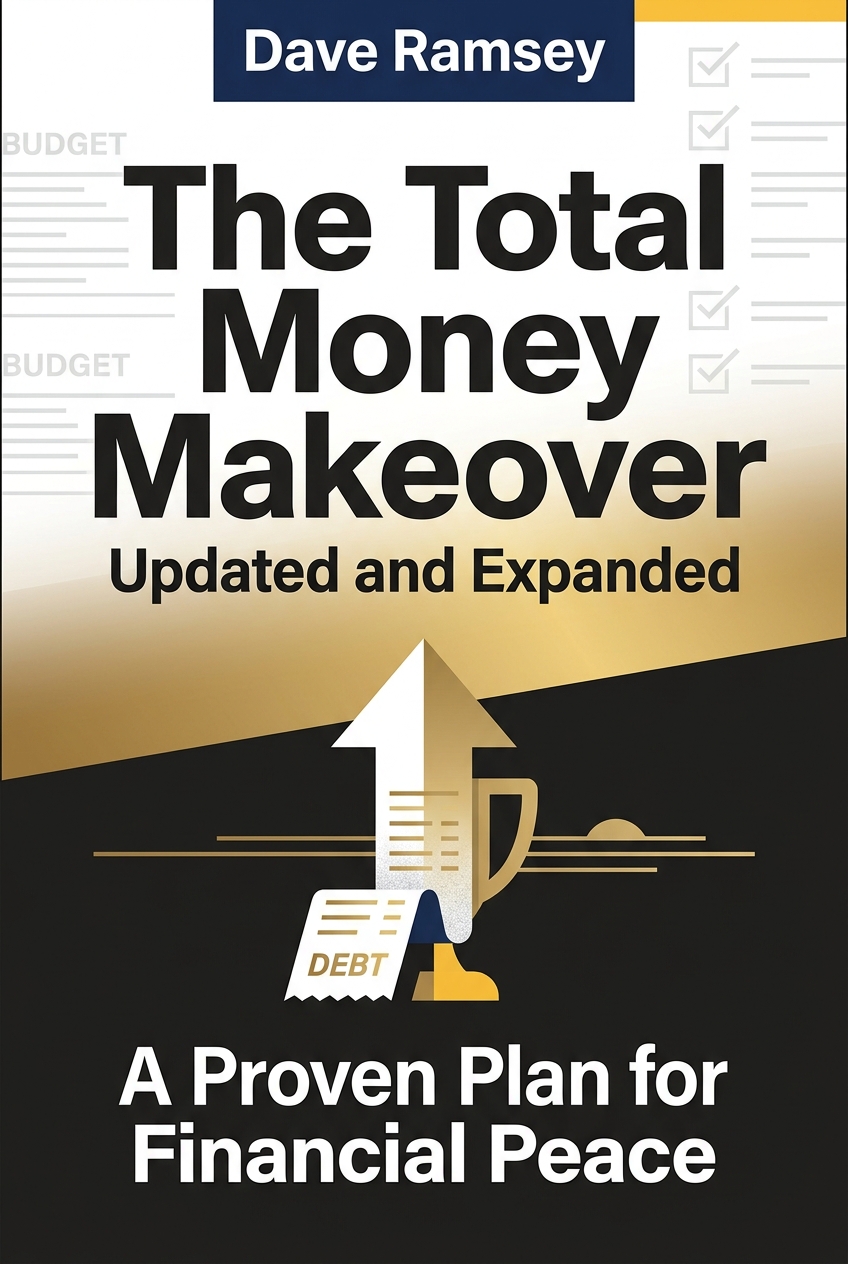
In The Total Money Makeover, Dave Ramsey champions the idea that personal finance is 80% behavior and only 20% head knowledge. His plan starts with a simple, written, zero-based budget where every dollar of your income is assigned a job. This is not about restriction; it's about control. It’s the first step toward telling your money what to do instead of wondering where it went.
Building Your Emergency Fund
Life is unpredictable. A car breaks down, a medical issue arises, or you face a sudden job loss. Without a financial buffer, these events can derail your progress and force you into high-interest debt. This is why an emergency fund is a cornerstone of sound financial planning. It’s your safety net, giving you peace of mind and protecting your long-term investments from being raided during a crisis.
Dave Ramsey's framework makes this a priority. His "Baby Step 1" is to save $1,000 as a starter emergency fund. Later, in "Baby Step 3," after paying off non-mortgage debt, he advises building a fully funded emergency fund of 3 to 6 months of expenses. This isn't just a suggestion; it’s a critical fortress that protects your entire financial house.
Understanding Assets vs. Liabilities
How do you start personal finances when it feels like you're always spending? The key is to change what you spend your money on. Robert T. Kiyosaki provides a brilliantly simple framework for this in Rich Dad Poor Dad. He defines an asset as anything that puts money in your pocket and a liability as anything that takes money out of your pocket.
The middle class often buys liabilities they think are assets, like expensive cars or oversized homes that drain their cash flow each month. The rich, on the other hand, focus on acquiring assets—stocks, bonds, real estate, or businesses—that generate income. Building wealth is simply the process of using your income to buy assets that, in turn, generate more income. This simple but profound logic is the engine of financial independence.
Navigating Debt and Your Credit Score
Debt is one of the biggest obstacles to building wealth, especially for millennials and those managing their personal finances in your 20s. High-interest debt, like credit card balances, acts as an anchor, weighing down your financial progress. While a good credit score is important for major purchases like a home, being overly reliant on credit can be a trap.
Using the asset vs. liability framework helps clarify this. Debt used to purchase a cash-flowing rental property could be considered "good debt." In contrast, debt used for a depreciating asset like a new car is almost always "bad debt." The first step is to aggressively pay down high-interest consumer debt. Once free, the money you were sending to lenders can be redirected toward building your asset column.
The Journey to Lasting Wealth: Long-Term Financial Planning
Mastering your money isn't a one-time event; it's a lifelong practice. After you've established a strong foundation with a budget, an emergency fund, and a clear understanding of assets, the focus shifts to long-term growth and sustainability. This is where you truly start making your money work for you.
Investing for the Future and Retirement Planning
Saving money is for safety; investing is for growth. This is how you leverage the power of compound interest to build significant wealth over time. Retirement planning might seem distant, but the single greatest advantage you have is time. Starting early allows your investments to grow exponentially.
The goal, as described in Rich Dad Poor Dad, is to build your financial engine. This means systematically investing in assets that will eventually produce enough passive income to cover your living expenses, granting you financial freedom. Whether it's through low-cost index funds in a 401(k) or IRA, real estate, or your own business, the principle is the same: acquire assets that generate income.
The Habit of Continuous Improvement
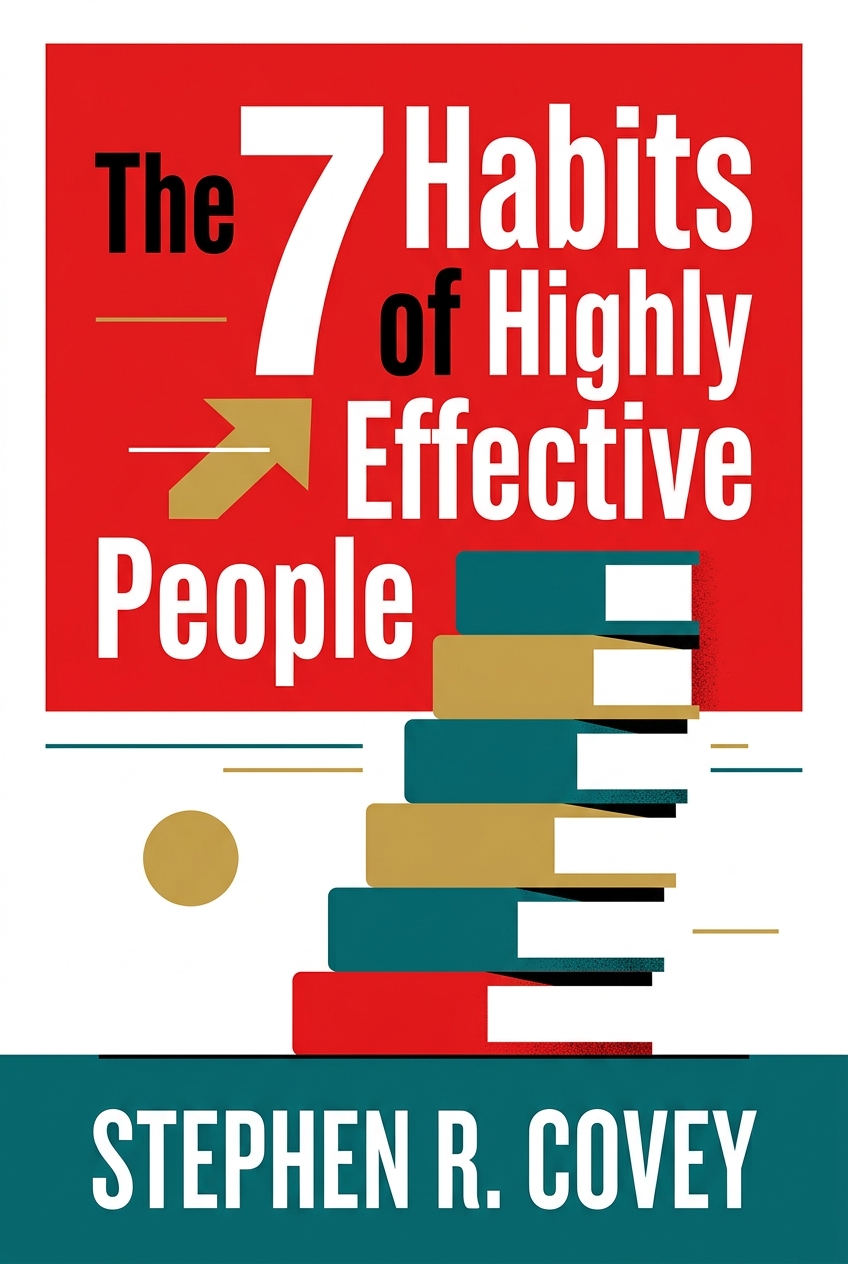
Your financial plan shouldn't be static. Life changes, goals evolve, and the economy shifts. The most financially successful people are lifelong learners who regularly review and adjust their strategies. This aligns perfectly with Stephen R. Covey's wisdom in The 7 Habits of Highly Effective People.
Habit 7, "Sharpen the Saw," is the principle of renewal. Covey explains that to remain effective, you must regularly invest in yourself—physically, mentally, and spiritually. This applies directly to your financial life. Sharpening your financial saw means continuously educating yourself, reviewing your budget and investments, and staying disciplined. It’s about building a system of habits that ensures your long-term success, transforming financial management from a chore into a seamless part of your life.
Ultimately, the path to financial well-being is paved with knowledge and disciplined action. The journey begins with a mindset shift, solidifies with practical habits, and is sustained through a commitment to lifelong learning. By embracing these principles, you can move from a state of financial stress to one of control, security, and lasting freedom.
Master key ideas in 15 minutes
Listen to audio summaries of these books on VoxBrief
Focus on what you can control. Start by creating a simple budget to track every dollar, which is one of the most common personal finances tips. The goal isn't to make huge investments immediately but to build the habit of financial awareness and find small amounts for saving money, even if it's just $20 a week.
All investments carry some level of risk, but avoiding personal finance altogether is arguably riskier. Not managing your money can lead to debt and financial insecurity. The key is to educate yourself, diversify investments, and build a solid emergency fund to mitigate unforeseen risks.
The best strategy starts with behavior, a concept highlighted in many of the best personal finance books. Focus on creating a budget, paying off high-interest debt, and building an emergency fund. As Dave Ramsey outlines in *The Total Money Makeover*, following simple, sequential steps creates momentum and makes the process manageable for anyone new to financial planning.