What Are the Best Books To Get Out Of Debt? A Beginner's Guide
By VoxBrief Team··6 min read
Feeling crushed under the weight of student loans, credit card balances, and car payments? You are not alone. For many, especially millennials and those in their 20s, debt can feel like a lifelong burden. But it doesn’t have to be. Gaining control starts with knowledge, and some of the most powerful knowledge comes from the best books to get out of debt. These guides don't just offer tips; they provide proven, step-by-step systems to help you navigate your way back to financial stability.
This article will break down the essential strategies and mindset shifts taught by leading financial experts. We’ll explore what debt is, why managing it is so important, and the actionable plans you can use to start your journey toward financial recovery today.
Understanding the Debt Cycle: Why It Starts and How to Break It
Before diving into complex strategies, it’s crucial to understand the fundamentals. What is debt, really? At its simplest, debt is money you owe to someone else. It becomes a problem when the payments on that debt consume a large portion of your income, preventing you from saving, investing, or even covering your daily expenses comfortably.
Many people fall into debt without a single catastrophic event. It often happens gradually. A student loan is taken out for education, a credit card is used for an emergency, and a car loan is signed to get to work. Each step seems reasonable, but without a plan, they combine to form a heavy financial burden. This is a common story of how to build debt, particularly for beginners in personal finance.
Why is debt important to address? Uncontrolled debt is more than just a numbers problem; it's a quality-of-life problem. It causes stress, limits your opportunities, and can damage your credit score, making it harder and more expensive to achieve major life goals like buying a home. For debt for millennials, who often juggle student loans with the high cost of living, creating a clear payoff plan is the first step toward building a secure future.
Core Debt Payoff Strategies for Financial Recovery
Once you’ve decided to tackle your debt, you need a clear plan of attack. Simply making minimum payments is a slow, expensive, and demoralizing path. The most effective approaches give you a focused strategy. The two most popular debt payoff strategies are the debt snowball and the debt avalanche.
The Debt Snowball Method
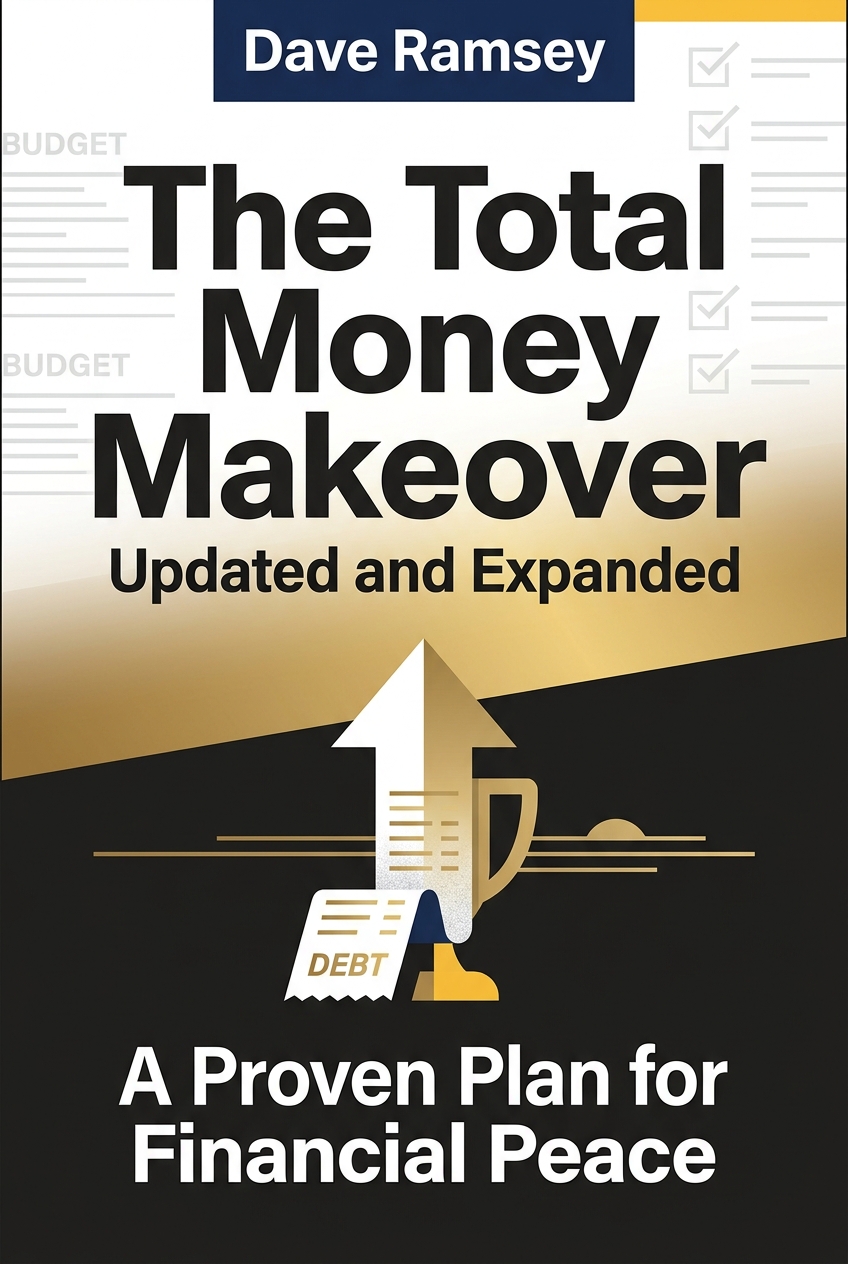
Popularized by Dave Ramsey in his landmark book, The Total Money Makeover, the debt snowball method is designed for psychological victory. The process is simple: list your debts from the smallest balance to the largest, regardless of their interest rates. Make minimum payments on all debts except for the smallest one. You attack the smallest debt with every extra dollar you can find.
Once that smallest debt is paid off, you feel an immediate sense of accomplishment. You then take the full amount you were paying on that debt (the minimum payment plus all the extra) and roll it onto the next-smallest debt. As you pay off each debt, the 'snowball' of money you're applying to the next one gets bigger and bigger, creating powerful momentum.
Ramsey argues forcefully that personal finance is 80% behavior and only 20% head knowledge. The snowball method is built on this principle. It keeps you motivated by providing quick wins, making you more likely to stick with the plan long enough to see it through.
The Debt Avalanche Method
For those who are driven more by numbers than emotion, the debt avalanche method is a powerful alternative. With this strategy, you list your debts from the highest interest rate to the lowest, regardless of the balance. You make minimum payments on everything and throw every extra dollar at the debt with the highest interest rate.
Mathematically, this approach is superior. By eliminating high-interest debt first, you pay less in total interest over the life of your loans, which means you get out of debt faster and for less money. The downside is that it might take a long time to pay off your first debt if it has a large balance, which can be discouraging for some. Choosing between the snowball and the avalanche depends on your personality. Do you need quick wins to stay in the game (snowball), or are you motivated by long-term optimization (avalanche)?
Insights from the Best Books To Get Out Of Debt
Beyond specific payoff methods, the most effective financial guides transform your entire relationship with money. They address your habits, your mindset, and your long-term goals. Here are some of the most powerful concepts from leading authors.
Confronting Mindset and Money Myths
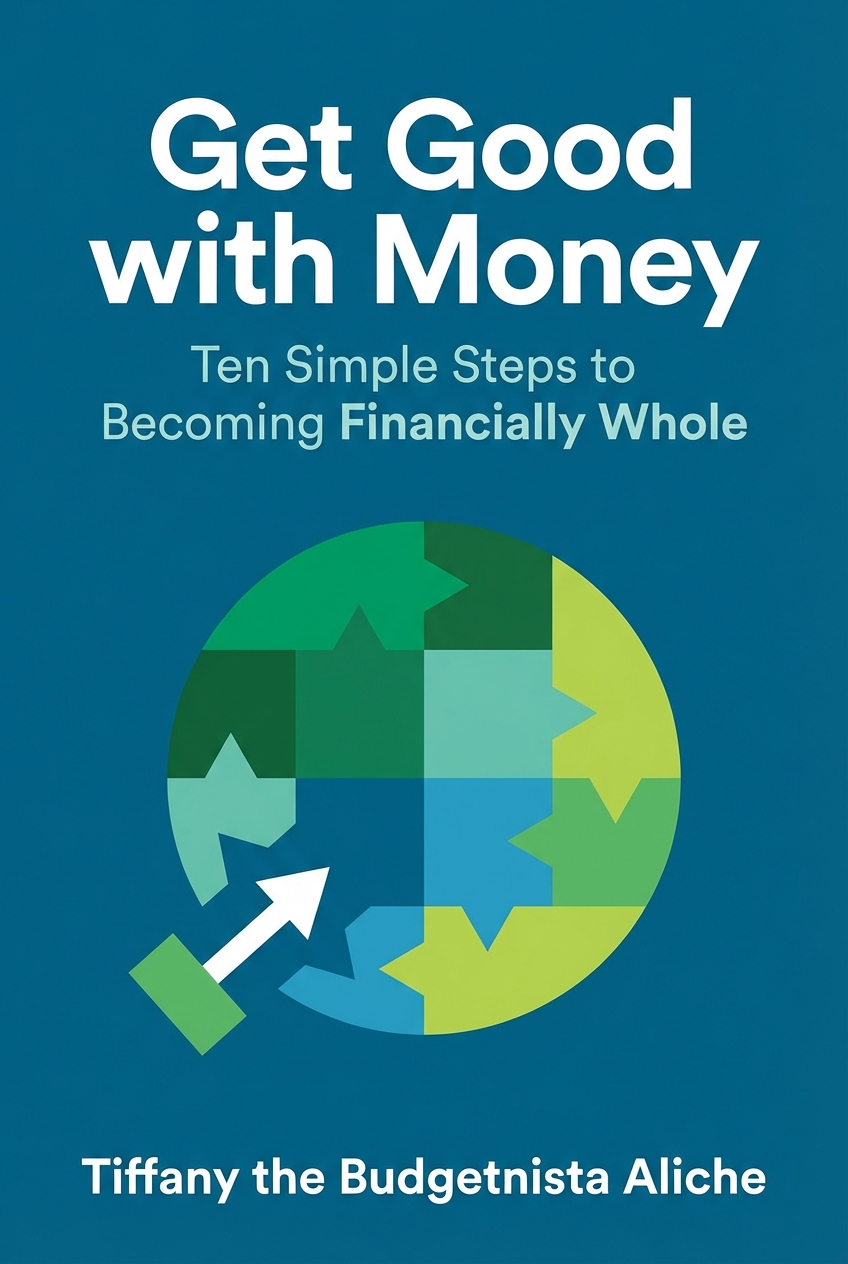
A recurring theme in financial literature is that your mindset is the foundation of your success. In Get Good with Money, author Tiffany Aliche introduces the concept of "financial wholeness." She encourages a simple but profound language shift: stop saying "I am in debt" and start saying "I have debt." The first implies a permanent state of being, while the second describes a temporary problem you are actively solving.
This aligns with Dave Ramsey’s core argument in The Total Money Makeover. He dedicates his first module to confronting money myths, stating that our financial struggles are almost always caused by our behavior, not a lack of information. He urges readers to reject the idea that debt is a normal or useful tool for building wealth. True financial peace, Ramsey argues, comes from becoming and staying completely debt-free.
Automating Your Financial System
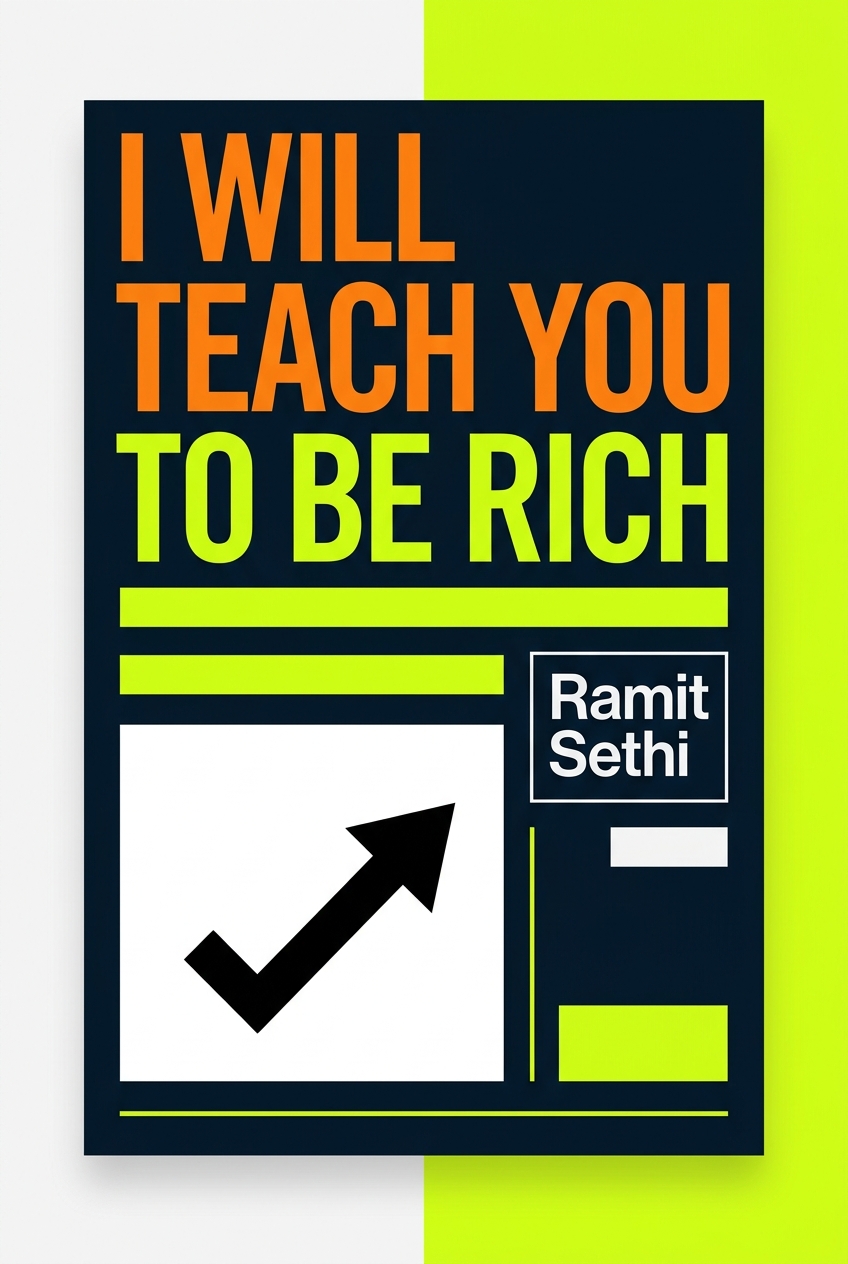
Many people fail at managing their money because it requires constant, painful decisions. In I Will Teach You to Be Rich, Ramit Sethi argues that the key to success is automation. Instead of relying on willpower to budget and save, you should build a system that does the hard work for you automatically.
Sethi’s approach bypasses traditional, restrictive budgeting. He advocates for a "Conscious Spending Plan" where you automate your savings, investments, and bill payments—including extra debt payments—the day you get paid. Whatever is left over, you can spend guilt-free. This system ensures your financial goals are being met first, turning debt payoff from a daily struggle into a background process. For anyone who has tried and failed with complex spreadsheets, this automation engine can be a revolutionary change.
The Importance of a Credit Score and Emergency Fund
While getting out of debt is the primary goal, managing other parts of your financial life is crucial for long-term success. Ramit Sethi emphasizes that your credit score is a vital number that determines how much you'll pay for future loans. Improving it by making on-time payments and reducing your credit utilization is a key part of financial recovery.
Similarly, Dave Ramsey makes building an emergency fund a non-negotiable step. His "Baby Step 1" is saving a $1,000 starter emergency fund before you aggressively attack your debt. This small cushion prevents a minor emergency, like a car repair, from derailing your entire plan and forcing you back into debt. Once consumer debt is gone, his "Baby Step 3" is to build that fund up to cover 3 to 6 months of living expenses, creating a true fortress of financial security.
Common Debt Mistakes to Avoid
Navigating the path to being debt-free is full of potential pitfalls. Understanding these common debt mistakes to avoid can save you time, money, and stress.
Not Having a Plan: The single biggest mistake is making minimum payments without a clear strategy. Whether you choose the debt snowball or avalanche, having a focused plan is essential for making real progress.
Ignoring an Emergency Fund: As mentioned, life happens. Without an emergency fund, a flat tire or an unexpected medical bill can force you to reach for a credit card, undoing your hard work.
Falling for "Quick Fixes": Be wary of debt settlement companies that promise to erase your debt for pennies on the dollar. These can wreck your credit score and often have hidden fees. True financial recovery takes time and discipline.
Closing Credit Cards Carelessly: Once you pay off a credit card, it can be tempting to close the account. However, this can lower your credit score by reducing your available credit and shortening your credit history. It's often better to keep the account open with a zero balance.
Getting out of debt is a marathon, not a sprint. It requires a shift in mindset, a concrete plan, and the discipline to execute it. The journey begins with the decision to take control. By leveraging the wisdom found in the world’s most trusted financial books, you can replace financial anxiety with a clear, actionable plan for the future. You have the power to solve this problem, one step and one payment at a time.
Master key ideas in 15 minutes
Listen to audio summaries of these books on VoxBrief
Begin by creating a detailed budget to understand exactly where your money is going. Then, apply the 'debt snowball' strategy by focusing all extra funds on your smallest debt first. Even small, consistent extra payments build incredible momentum and make a huge difference over time.
Not all debt is equally risky. High-interest debt, like from credit cards or payday loans, is dangerous and should be prioritized for payoff. Other forms, like a mortgage for a home or a student loan for a high-value degree, can be strategic investments in your future, but they must be managed responsibly within a clear budget.
For most beginners, the 'debt snowball' method is the most effective strategy because it generates powerful psychological wins. By paying off your smallest debts first, you build confidence and momentum. This approach, recommended by many experts, helps you stick with your financial recovery plan for the long haul.
The best books to get out of debt offer step-by-step plans that combine psychological shifts with practical actions. Authors like Dave Ramsey and Tiffany Aliche provide proven frameworks that have helped millions by teaching everything from budgeting and debt payoff strategies to investing for the future.