Welcoming a new baby is a monumental life event, one that often feels like a mix of pure joy and overwhelming uncertainty. The journey starts with understanding what is pregnancy and why is pregnancy important for your family's future, but it quickly expands into a thousand questions about what comes next. You're bombarded with conflicting advice from family, friends, and the internet. In this sea of information, the best books on maternity don't just add to the noise; they provide a clear, actionable framework for navigating the chaos of the first year and beyond. They offer a pregnancy plan for beginners that extends far past delivery, transforming anxiety into confidence.
This guide isn't about finding the one 'right' way to parent. Instead, it’s about discovering the powerful principles from leading parenting experts that can help you create a system that works for your family. We'll explore how to build a data-driven decision-making process, establish life-saving routines, and confidently track your baby's development, all by leveraging the wisdom found in these essential books.
Why You Need a Framework, Not Just Advice
One of the biggest challenges for new parents is decision fatigue. Should you sleep train? When should you introduce solids? Is this rash normal? Every day brings a new set of high-stakes questions. The problem isn’t a lack of answers, but a surplus of contradictory ones. This is where having a reliable decision-making framework becomes more valuable than any single piece of advice.
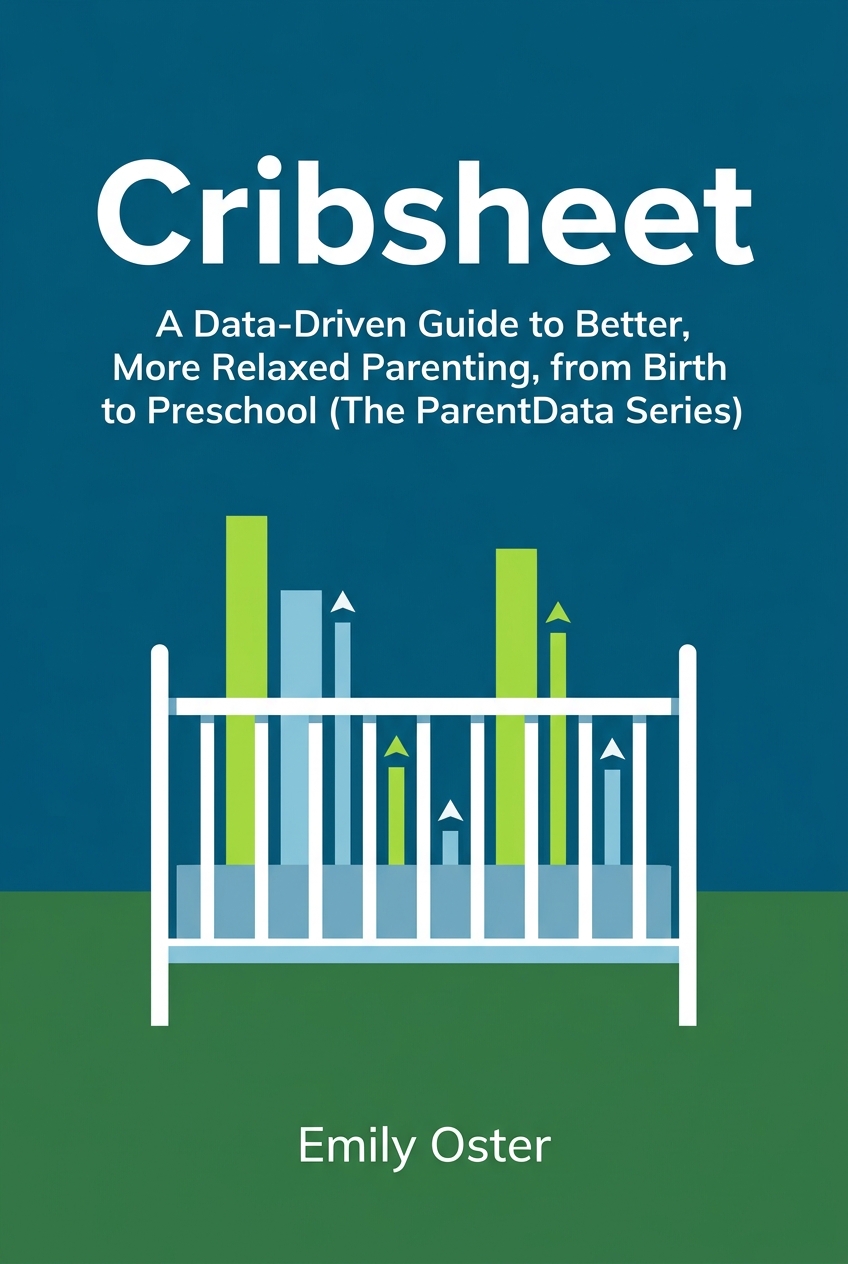
In her book Cribsheet, economist Emily Oster champions this very idea. She argues that parents can reduce anxiety by applying the tools of data analysis to their choices. Instead of relying on generalized, often fear-based recommendations, Oster empowers parents to look at the data, consider their own family's context and values, and make a decision that feels right for them. It’s a revolutionary approach that shifts the parent from a passive recipient of rules to the CEO of their family.
The Data-Driven Decision-Making Model
Oster's framework is a practical tool for thinking. When faced with a decision—say, about pacifier use or returning to work—you systematically examine the evidence. What does the data say about the pros and cons? How strong is that data? Crucially, you then overlay this information with your personal circumstances. For a family with a history of dental issues, the data on pacifiers might be weighed differently. For a parent whose career is essential to their identity and financial stability, the decision about work looks different than it does for someone else. This method is one of the most significant pregnancy benefits a new parent can learn, as it establishes a pattern of confident decision-making that will last a lifetime.
This approach is incredibly liberating, especially in a culture rife with parental guilt. It allows you to confidently say, "Based on the evidence and what's best for our family, we've decided to do X," and tune out the rest. It's a key lesson for anyone looking for pregnancy tips that have a lasting impact.
Building Predictable Routines with Books on Maternity
While a decision-making framework helps with the big questions, daily life with a newborn is governed by rhythm and routine. For many, especially pregnancy for busy people who are used to a structured professional life, the apparent chaos of a baby's schedule can be deeply unsettling. This is where the science of pregnancy and infant needs meets practical application.
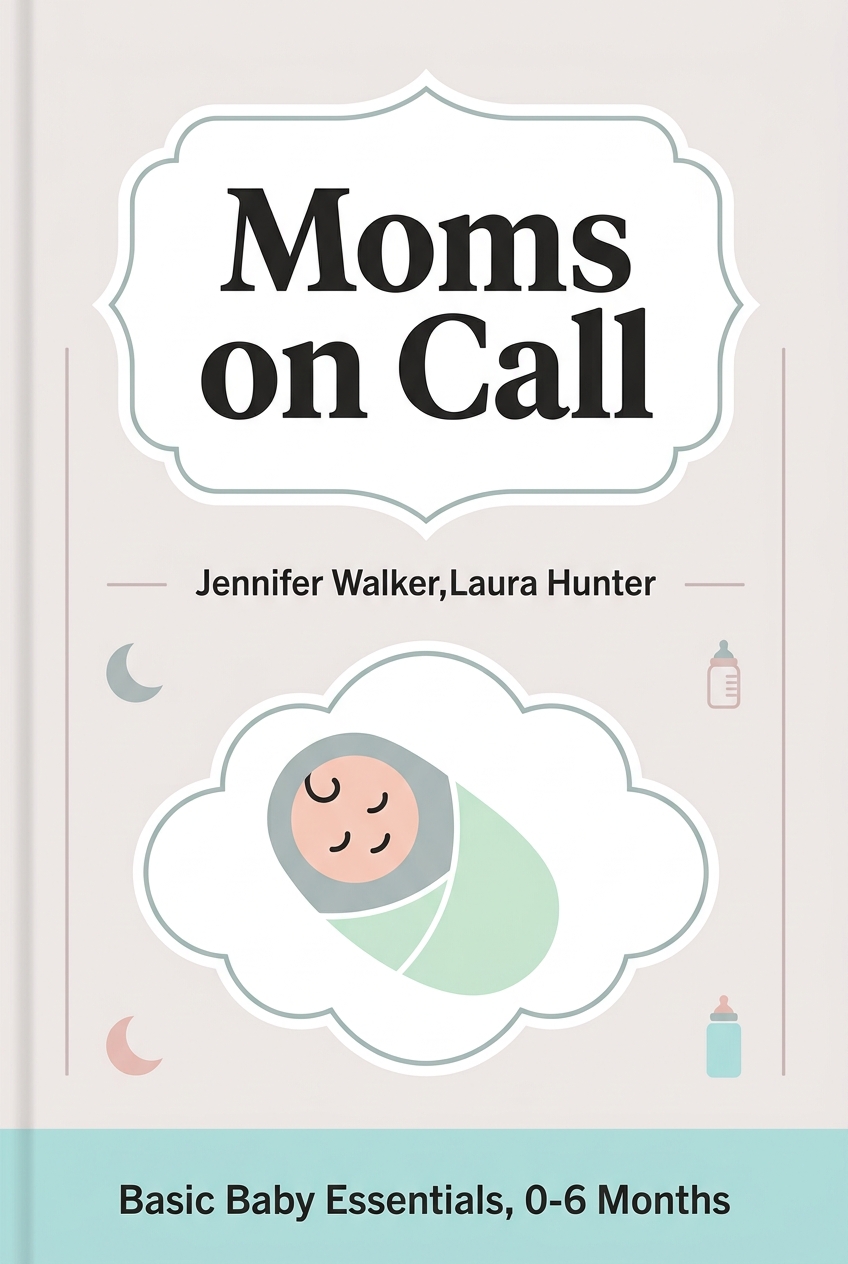
Here, guides like Moms on Call by pediatric nurses Jennifer Walker and Laura Hunter offer a clear path forward. Their system is built on the power of a predictable schedule that integrates feeding, naps, and awake time into a cohesive daily rhythm. It’s not about being rigid and unfeeling; it's about creating a structure that helps your baby feel secure and allows you, the parent, to anticipate what’s next, reclaim some sanity, and even get some sleep.
The Power of a Predictable Schedule
The core of the Moms on Call method is creating foundational care routines that are specific and repeatable. It provides exact schedules for different age ranges (e.g., 0-6 months), detailing when to feed, how long 'awake time' should last, and when to put the baby down for a nap. This structure provides anchor points in your day, which is invaluable. Instead of guessing why the baby is crying, you have a system: you know they were fed an hour ago and just woke up, so they’re probably not hungry but might be tired or need a change. This is one of the most effective pregnancy methods for preparing for the postpartum period.
The authors also provide a triage system for common infant health issues, empowering parents to distinguish between a minor concern they can handle at home and something that requires a doctor's visit. This combination of scheduling and basic medical know-how dramatically reduces new-parent anxiety.
Navigating Milestones and Challenges Month-by-Month
As your baby grows, the challenges evolve. The sleepy newborn turns into a babbling infant, who then becomes a mobile, curious explorer. Understanding what’s happening developmentally is key to parenting effectively and enjoying each stage. This is where a comprehensive, chronological guide becomes an indispensable tool.
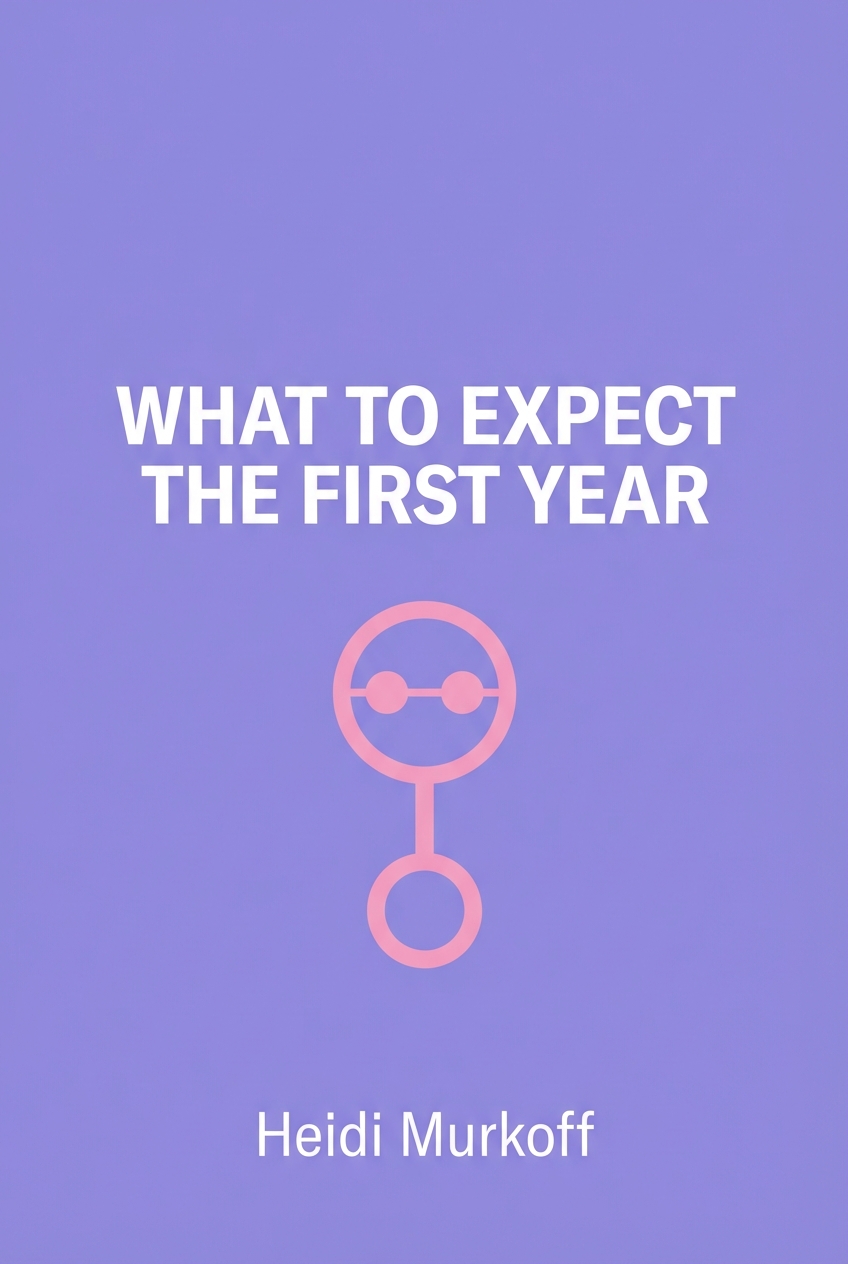
What to Expect The First Year by Heidi Murkoff serves as this essential roadmap. The book breaks down the first year into a month-by-month guide, explaining the incredible developmental milestones your baby will be hitting and the common challenges that accompany them. This format helps you understand what's normal and what to look out for, making the journey feel less like a mystery and more like a guided tour. Whether navigating pregnancy for beginners or you're a seasoned parent, or even looking at this journey as someone managing pregnancy for women over 40, having a developmental guide is a game-changer.
From the Newborn Haze to the Mobile Explorer
In the first six months, the book focuses on decoding your baby’s signals. It offers practical advice on topics like calming a fussy baby, establishing routines, and interpreting different cries. It’s about building a foundation of communication and trust, learning to observe your baby and respond to their needs with knowledge-backed confidence.
Then, as you enter the second half of the year, the focus shifts. This stage is about managing newfound mobility, fostering communication as they start to babble and use gestures, and navigating the emotional rollercoaster of separation anxiety. By knowing what to expect, you can proactively baby-proof your home, introduce stimulating activities, and support their burgeoning independence without feeling constantly reactive and overwhelmed. This knowledge, based on the science behind pregnancy and infant development, helps you to improve pregnancy outcomes by being a prepared and informed parent from day one.
Ultimately, the best books for new parents do more than just list facts. They provide a philosophy—a way of thinking and acting that builds your confidence. By combining the data-driven framework of Cribsheet, the practical scheduling of Moms on Call, and the developmental roadmap of What to Expect The First Year, you are not just collecting tips. You are building a personalized, robust system for parenting that empowers you to lead your family with wisdom, calm, and joy.
Master key ideas in 15 minutes
Listen to audio summaries of these books on VoxBrief
A structured plan can be very safe and beneficial, providing predictability that reduces stress for both parents and baby. The key is flexibility; use plans as a guide, not a rigid rulebook, and always consult your pediatrician to ensure the methods are appropriate for your child's specific health needs.
Results from implementing a new routine, like a sleep or feeding schedule, can vary. Some babies adapt within a few days, while others may take a week or two. Consistency is crucial, but remember that progress isn't always linear; focus on the overall trend toward a more predictable rhythm.
Modern parenting advice increasingly relies on data and developmental science. The science of pregnancy and early childhood development informs recommendations on everything from sleep cycles to nutrition and emotional regulation, helping parents make evidence-based decisions rather than relying on anecodtes. Sourcing data-driven books on maternity can provide this scientific foundation.