It’s a common human experience to feel trapped inside your own head. The endless cycle of worry, the replay of past regrets, and the anxiety about the future can feel overwhelming. Understanding these internal battles is the domain of psychiatry, the medical specialty devoted to the diagnosis, prevention, and treatment of mental disorders. For those looking to gain clarity, finding good psychiatry books can be a powerful first step toward self-awareness and healing. These resources distill complex ideas into actionable wisdom, serving as a guide for anyone navigating the landscape of their own mind.
This article won't just list titles; it will explore the core concepts from some of the most insightful books in modern psychology and psychiatry. Think of it as a primer for psychiatry for beginners, a resource for students, or a refresher for professionals. We will delve into why understanding the mind is so important and discover practical frameworks for managing your internal world.
The Mind's Role in Creating Suffering
One of the most profound shifts in modern psychological thinking is the understanding that our suffering often originates not from external events, but from our relationship with our own thoughts. This is a central theme in many influential books that explore the causes and effects of mental distress. We blame our jobs, our finances, or our relationships for our anxiety, but what if the true source lies within our own process of thinking?
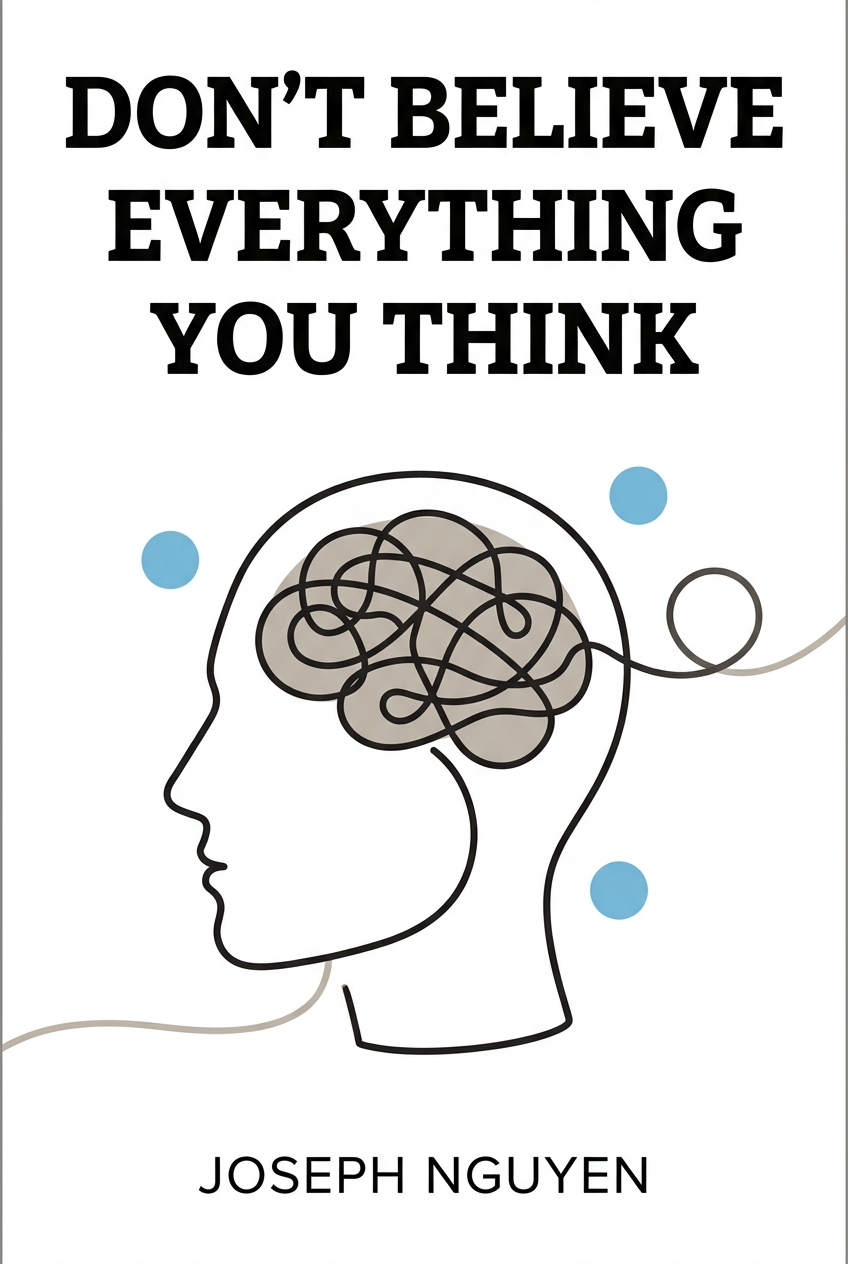
In his work Don't Believe Everything You Think, Joseph Nguyen presents a revolutionary idea: the problem isn't your circumstances, but the act of compulsive 'thinking' about them. He draws a critical distinction between having thoughts—which are neutral, passing events in the mind—and the act of thinking, which is the process of grabbing onto those thoughts, analyzing them, and building narratives around them. This engagement is what generates emotions like anxiety and stress.
Accessing a State of Inner Peace
The solution, therefore, isn't to think more positively or to wrestle your negative thoughts into submission, but to cultivate a state of "non-thinking." This doesn't mean an empty mind, but rather a state of flow where thoughts are allowed to come and go without you latching onto them. Nguyen argues this is our natural state of being—a place of quiet clarity from which our best decisions and creative ideas emerge. Learning to access this state is a fundamental psychiatry coping strategy. It’s about realizing you are the observer of your thoughts, not the thoughts themselves. This mental shift can dramatically reduce stress and improve focus, whether you're at home or dealing with pressures at work.
The Skill of Letting Go
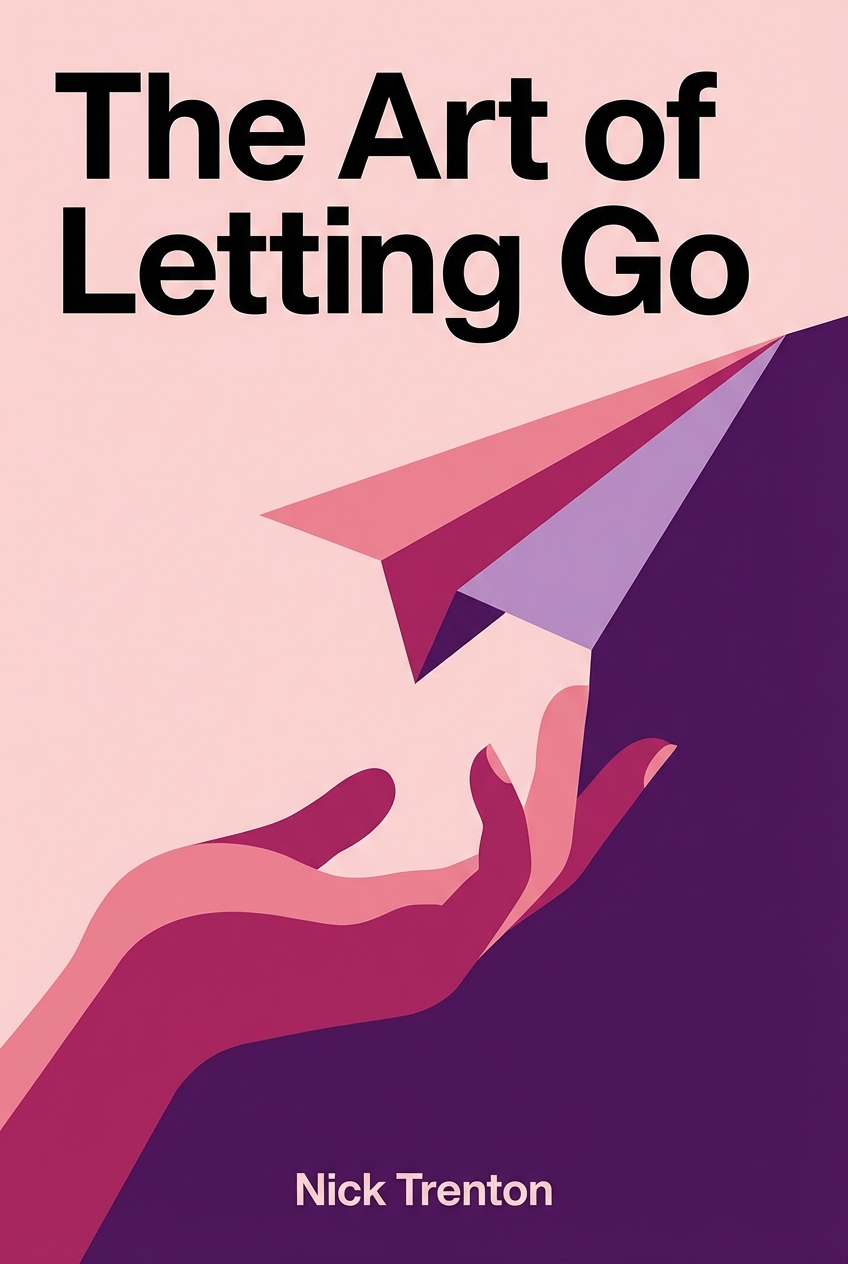
While understanding the nature of thought is crucial, what about the thoughts and feelings that are particularly sticky? Regrets, grievances, and failures can loop in our minds for years. This is where the skill of letting go becomes essential. The Art of Letting Go by Nick Trenton provides a practical framework for this process, explaining why is psychiatry important in teaching us how to release these burdens.
Trenton explains that our brains are hardwired with a negativity bias, meaning we are psychologically built to hold onto negative experiences more tightly than positive ones. This was a survival mechanism for our ancestors, but in the modern world, it often leads to chronic overthinking and emotional pain. One of the first steps in how to deal with psychiatry issues like rumination is recognizing the signs of psychiatry struggles, such as replaying conversations, holding grudges, or being unable to move on from a mistake. These are signals that it's time to consciously practice letting go.
Trenton frames letting go not as a passive surrender but as an active, structured process. It involves acknowledging the emotion without judgment, questioning the story you've built around it, and actively reframing your perspective to reclaim your emotional freedom. These psychiatry exercises build mental muscles over time, making it easier to release attachments and find peace.
How Good Psychiatry Books Uncover the Body-Mind Connection
A pivotal development in understanding mental health, especially trauma, is the recognition that the mind and body are inextricably linked. For decades, therapy focused primarily on talking and cognitive processing. However, as pioneering researchers have discovered, some experiences—particularly traumatic ones—are stored not as coherent narratives but as visceral, physical sensations. This is an essential concept for both psychiatry for students and seasoned psychiatry for professionals.
Perhaps no work has illuminated this more clearly than The Body Keeps the Score by Dr. Bessel van der Kolk. His central thesis is that trauma fundamentally reshapes the brain and nervous system, and the body becomes the living record of that pain. A traumatic memory isn't just a bad story you tell yourself; it's a set of fragmented sensory inputs—sights, sounds, and physical feelings—that get trapped in the body's alarm system.
When Trauma Reshapes the Brain and Body
Van der Kolk explains that during a traumatic event, the part of the brain responsible for creating coherent narratives (like the prefrontal cortex) can go offline. The primal, reactive parts of the brain take over. As a result, the experience is not logged as a story with a beginning, middle, and end. Instead, it's stored as raw somatic data. This is why a person with trauma might react with intense panic or physical pain to a trigger that seems innocuous to others—their body is re-experiencing a fragment of the past as if it were happening in the present.
This insight helps explain why talk therapy alone sometimes fails. You can't simply talk your way out of a feeling that is lodged in your physiology. This addresses a common question: can psychiatry be improved? Van der Kolk's work is a resounding 'yes,' pointing toward more holistic methods.
Pathways to Holistic Recovery
The hope offered in The Body Keeps the Score lies in neuroplasticity—the brain’s ability to change and form new neural pathways. If the body stores the trauma, then recovery must involve the body. This is a critical point in how to overcome psychiatry challenges stemming from deep-seated trauma.
The paths to recovery, therefore, must engage the body to create new experiences that contradict the helplessness and terror of the past. This includes therapies like EMDR (Eye Movement Desensitization and Reprocessing), yoga, neurofeedback, and mindfulness. These approaches help individuals regulate their nervous system, process stored sensory information, and slowly learn to feel safe in their own bodies again. It's about helping the body understand that the danger is over, allowing the mind to finally find peace. Learning how to overcome psychiatry long term requires this integrated approach.
Your Path to Understanding
Journeying through the concepts offered by psychology and psychiatry is ultimately a journey toward yourself. By exploring the nature of thought, you can learn to detach from the inner critic that fuels anxiety. By mastering the art of letting go, you can unburden yourself from the weight of the past. And by understanding the profound connection between your mind and body, you can begin a holistic healing process that honors your complete experience.
The path to mental well-being is not about finding a magic cure but about building a toolkit of understanding and practical skills. The insights from these authors provide a powerful foundation, empowering you to become an active participant in your own mental health journey. It begins with the courage to look within and the willingness to learn a new way of being.
Master key ideas in 15 minutes
Listen to audio summaries of these books on VoxBrief
Download Free