So, you’re thinking about real estate. You’ve heard the stories of wealth creation and financial freedom, and you’re curious about how to get started. The first step on any successful journey is education, and understanding how to build real estate wealth is no different. While the field is vast, the core principles can be mastered by absorbing the wisdom contained in foundational finance literature and timeless real estate books.
This guide won't just list titles; it will unpack the essential concepts you need to know, from foundational mindsets to actionable strategies. We'll explore what real estate is, why it's a powerful wealth-building tool, and how you can begin your journey, even if you're starting from scratch. For many people, especially millennials and those looking at real estate in their 20s, this is about building a secure and independent future.
The Bedrock: Mindset and Foundational Knowledge
Before you analyze a single property or apply for a loan, the most critical work happens between your ears. Your financial psychology and your core beliefs about wealth will determine your success or failure more than any market trend. Many beginners skip this step, diving straight into tactics, but a strong foundation is what separates sustainable success from a costly gamble.
So, what is real estate? At its simplest, it's property consisting of land and the buildings on it, along with its natural resources. But why is real estate important? It's a tangible asset that you can see and touch, it has the potential to generate passive income, and it has historically served as a powerful hedge against inflation. It's one of the most proven paths to building generational wealth.
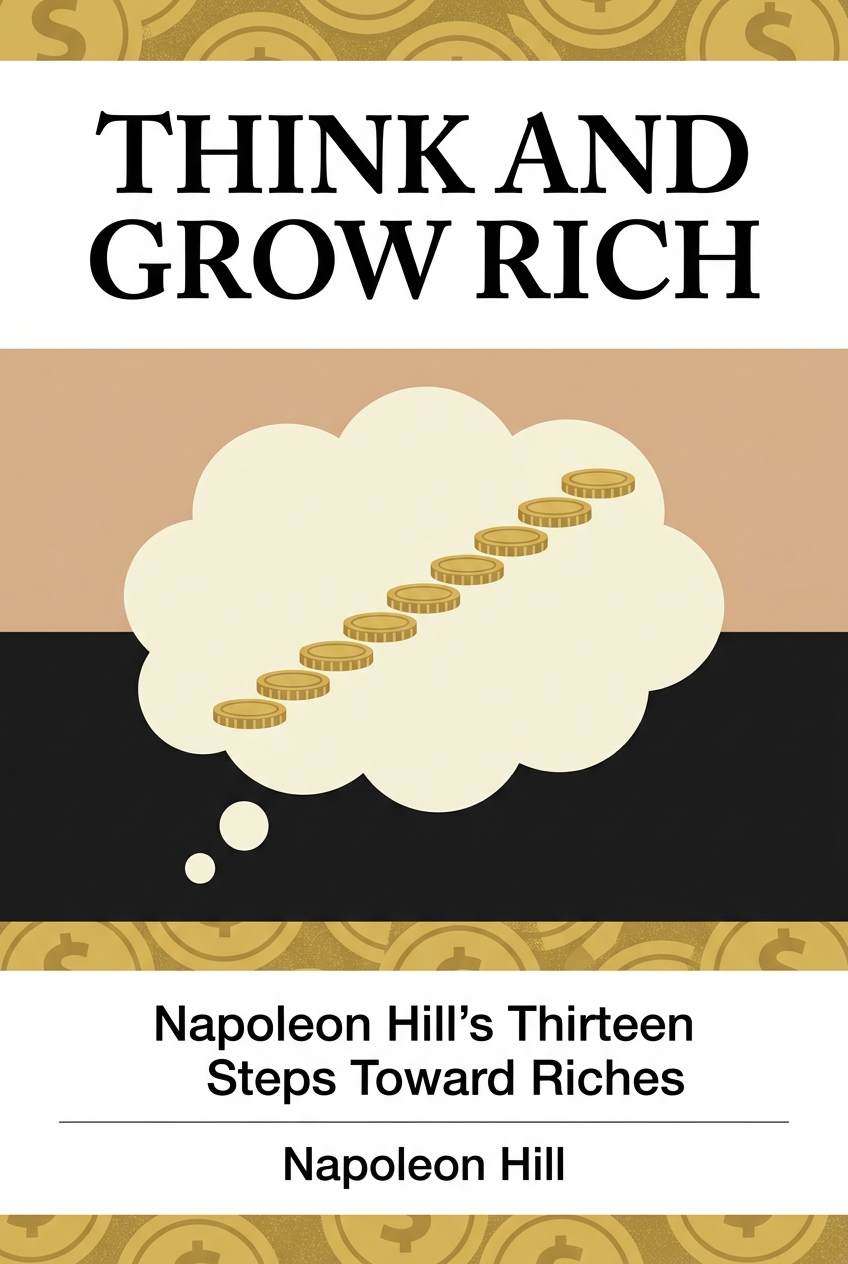
This journey begins with a powerful vision. In his classic book Think and Grow Rich, Napoleon Hill discovered that the starting point of all great fortunes was a burning desire, not just a casual wish. He asserts that a vague hope to "make money in real estate" is powerless. Instead, you must cultivate a white-hot desire for a specific outcome—be it a certain number of rental properties, a specific annual income, or the freedom to quit your job. This desire becomes the engine that drives you through the inevitable challenges.
Core Real Estate Strategies for Beginners
Once your mindset is calibrated for success, it's time to explore the practical pathways of how to build real estate wealth. There isn't a single 'best' way; the right strategy depends on your capital, risk tolerance, and long-term goals. Here are some of the most common real estate strategies for beginners.
Real Estate Investing: The Buy-and-Hold Approach
This is the classic method of real estate investing. The strategy involves buying properties and holding them for an extended period, generating income from tenants. These are often called rental properties. Your profit comes from two main sources: monthly cash flow (the rent you collect minus all expenses) and long-term appreciation (the property's value increasing over time).
An essential part of this strategy is property management. You can choose to manage the property yourself to save money and learn the business firsthand, or you can hire a professional property manager. While a manager costs about 8-12% of the monthly rent, they handle tenant screening, rent collection, and maintenance calls, freeing up your time to find the next deal.
House Flipping: A Faster Path to Profit?
House flipping is what you often see on TV: buying a distressed property, renovating it quickly, and selling it for a profit. The appeal is the potential for a large cash payout in a short period (months instead of years). However, it's also one of the riskiest strategies.
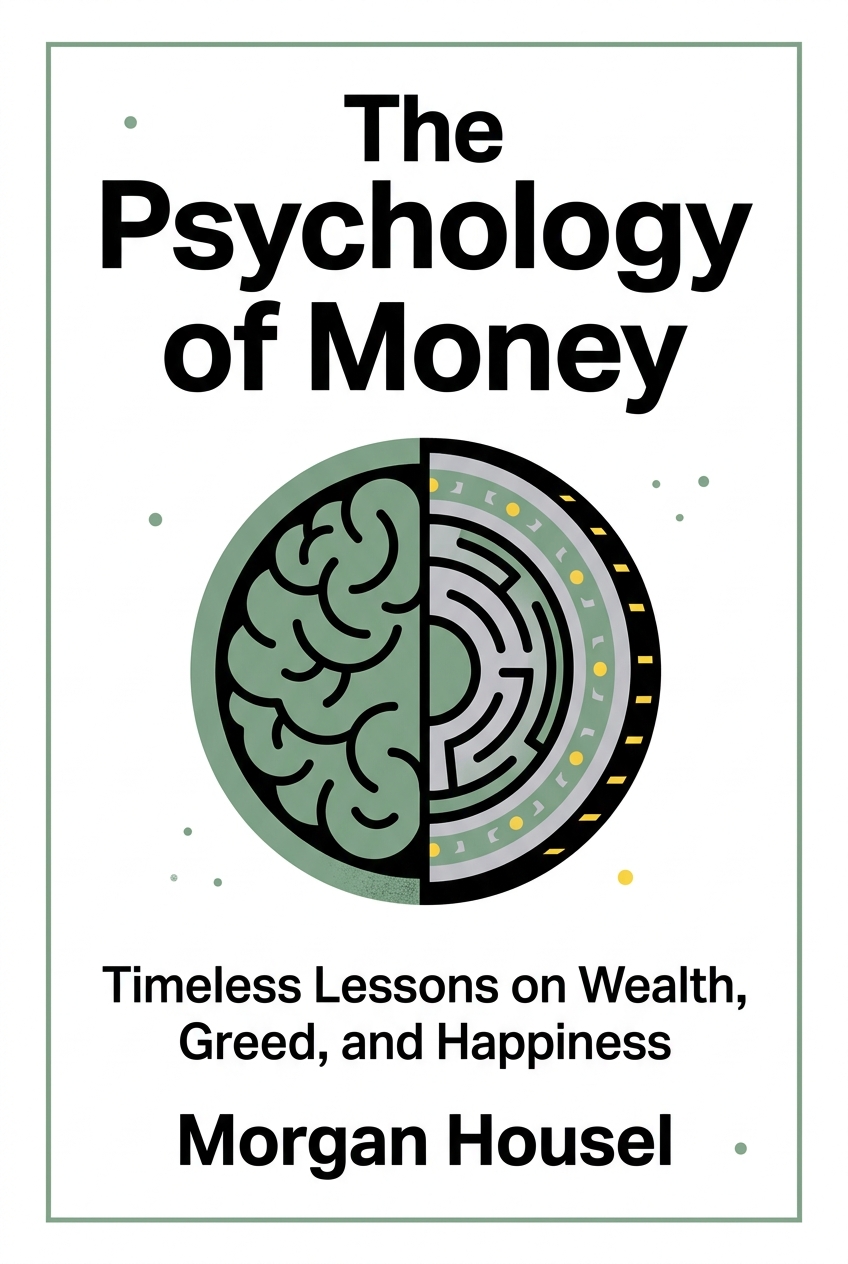
This is where insights from Morgan Housel's The Psychology of Money become incredibly relevant. Housel explains that luck and risk are two sides of the same coin. A successful flip can feel like pure skill, but it often depends heavily on the luck of buying in a rapidly rising market. An unexpected market dip, a hidden structural problem, or a longer-than-expected renovation can wipe out your entire profit margin. Housel also notes that getting money and keeping money are two completely different skills. A profitable flip can create a rush that leads to overconfidence and riskier bets on the next project, illustrating how difficult it can be to keep the wealth you've made.
REITs: Investing Without the Landlord Duties
What if you want the benefits of real estate without the hassle of tenants and toilets? Real Estate Investment Trusts (REITs) are companies that own—and often operate—income-producing real estate. When you buy a share in a REIT, you're buying a piece of a large portfolio of properties, such as apartment complexes, office buildings, or shopping malls.
REITs are traded on stock exchanges like regular stocks, making them highly liquid. They are legally required to pay out at least 90% of their taxable income to shareholders as dividends. This makes them an excellent option for those seeking passive income and diversification in their investment portfolio, aligning with a key real estate tip: don't put all your eggs in one basket.
Avoiding Costly Mistakes and Building for the Long Haul
Knowing the strategies is only half the battle. Long-term success in real estate comes from understanding and avoiding the common real estate mistakes that derail so many aspiring investors. This often comes down to mastering your own behavior.
The Behavioral Traps in Real Estate
Real estate is an emotional business. It's easy to get caught up in bidding wars, overpay due to FOMO (Fear Of Missing Out), or panic-sell during a market downturn. This is why Morgan Housel's central thesis in The Psychology of Money is so crucial: financial success is driven by behavior, not intelligence.
Knowing all the formulas for cash flow doesn't matter if you make rash decisions. One of the biggest mistakes is underestimating costs. Beginners often focus only on the mortgage payment, forgetting property taxes, insurance, maintenance, capital expenditures (like a new roof), and vacancies. A conservative budget that accounts for these expenses is a behavioral tool to prevent financial stress.
Another trap is analysis paralysis. You can spend years 'learning' and never buy a property. Your first deal won’t be perfect. The goal is to do enough research to make a reasonably safe investment and then take action. Your best lessons will come from experience.
Defining the True Purpose of Your Portfolio
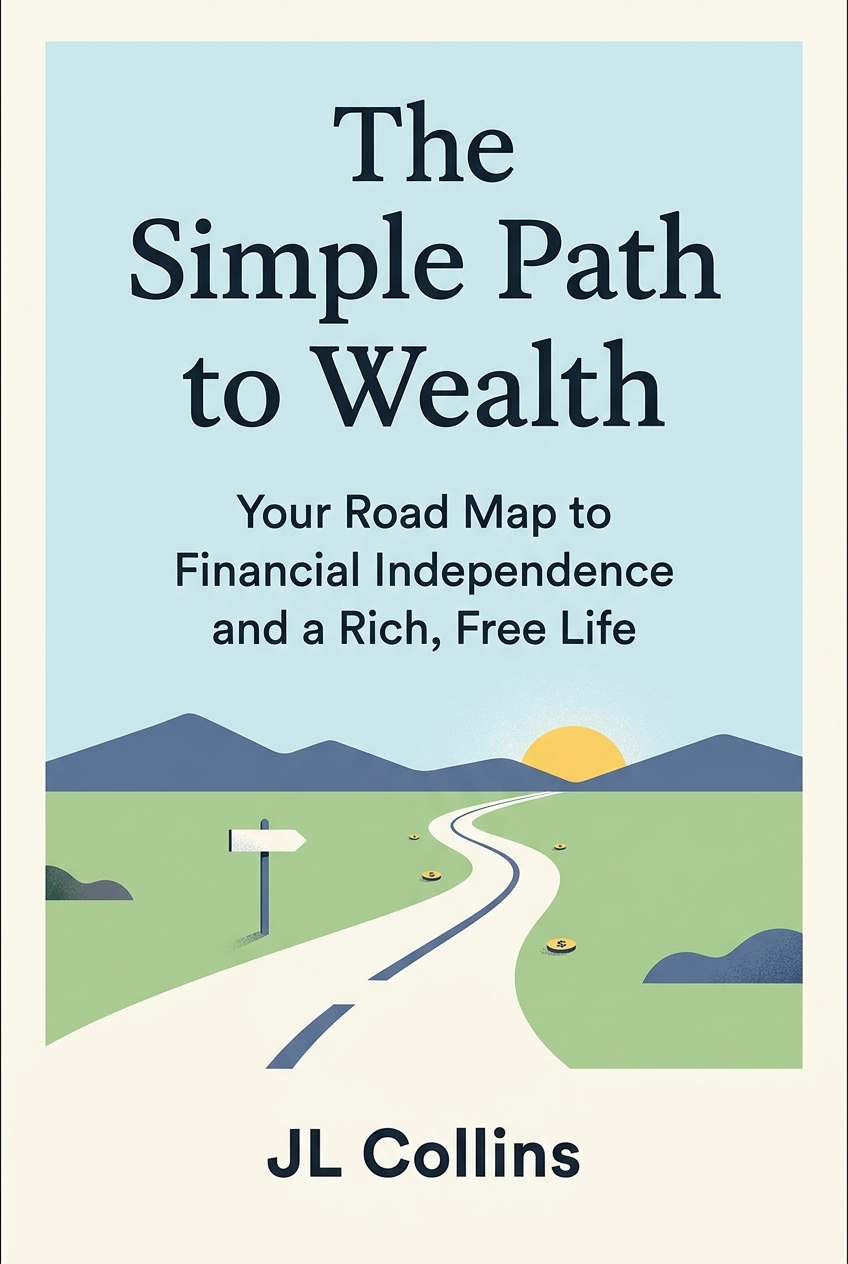
Why are you doing this? If your answer is just "to get rich," you're likely to burn out or make poor decisions. A more powerful motivation comes from defining what wealth is for. In The Simple Path to Wealth, JL Collins gives a profound answer: Money's true purpose is to buy your freedom.
This principle applies perfectly to real estate. Each rental property that generates positive cash flow is another small step towards financial independence. It’s a machine that works for you, slowly buying back your time. Keeping this 'why' at the forefront helps you stay disciplined during the tough times and focus on acquiring assets that serve your ultimate goal of a rich, free life. This perspective is particularly powerful for real estate for millennials, who often value life experiences over material possessions.
Practical Steps to Get Started
Many people are stopped by one question: how to start real estate with little money? Committing your life savings to a down payment is terrifying. But there are ways to begin with less capital.
- House Hacking: This is one of the most popular methods. You buy a small multi-family property (2-4 units), live in one unit, and rent out the others. The rent from your tenants can cover most, or even all, of your mortgage. This dramatically reduces your living expenses and gives you a firsthand education in being a landlord.
- Partnerships: Don't have enough money for a down payment? Find a partner who does. You can bring the skills—finding the deal, managing the renovation, or handling the property management—while they bring the capital. A clear legal agreement is essential.
- Focus on a Niche: You don't have to buy a single-family home. Look into smaller, less competitive niches. Could you invest in a garage, a parking spot in a dense city, or even raw land? Getting creative can lower the barrier to entry.
The journey into real estate investing is challenging but immensely rewarding. It’s more than a financial strategy; it's a vehicle for personal growth and a pathway to true freedom. It all begins not with a down payment, but with the decision to learn, the courage to act, and the discipline to stay the course.
Master key ideas in 15 minutes
Listen to audio summaries of these books on VoxBrief
Download Free