Best Investing Books: Your Foundational Guide to Wealth
By VoxBrief Team··5 min read
Understanding the True Value of Investing
Getting started with investing can feel like standing at the base of a colossal mountain. The peak—financial freedom—is visible, but the path is obscured by jargon, conflicting advice, and the fear of making a costly mistake. This is where the wisdom contained within the best investing books becomes your most valuable asset. They aren't just collections of stock tips; they are road maps that teach you how to think about money, manage risk, and build a sustainable system for wealth creation. This article distills the essential, timeless lessons from these guides to help you begin your journey with confidence.
So, what is investments? At its core, investing is the act of deploying your money with the expectation of generating a future return. It's about making your money work for you, rather than you only working for your money. Why is investments important? Because it is the most effective engine for building wealth and outpacing inflation over the long term. Without it, your savings are likely to lose purchasing power over time. Learning how to build investments is a critical life skill, especially for millennials and those in their 20s looking to secure their financial future.
Master Your Mindset: The Psychological Foundation of Wealth
The biggest obstacle for most new investors isn't picking the right stock; it's managing their own emotions. Fear and greed are powerful forces that can derail even the most well-laid plans. The most profound investment guides teach that mastering your inner game is the first and most crucial step.
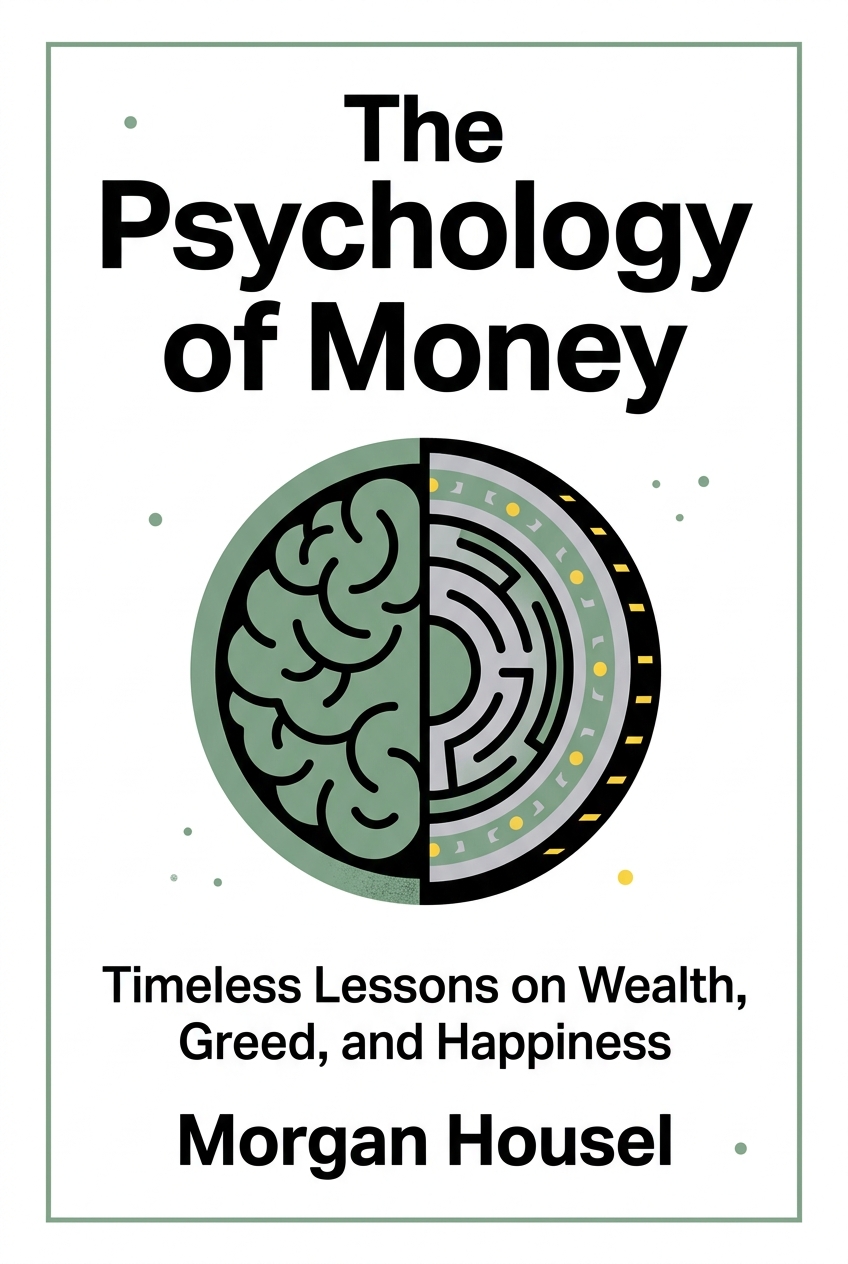
This is the central thesis of Morgan Housel's The Psychology of Money. He argues compellingly that financial success is driven by behavior, not intelligence. You don't need a PhD in finance to get rich, but you do need discipline, patience, and a deep understanding of your own biases. Housel points out that luck and risk are two sides of the same coin. We often attribute our successes to skill and our failures to bad luck, but acknowledging the role of randomness helps us stay humble in good times and resilient in bad. This mindset is key to avoiding common investments mistakes to avoid, like panic selling during a market downturn or chasing speculative trends based on hype.
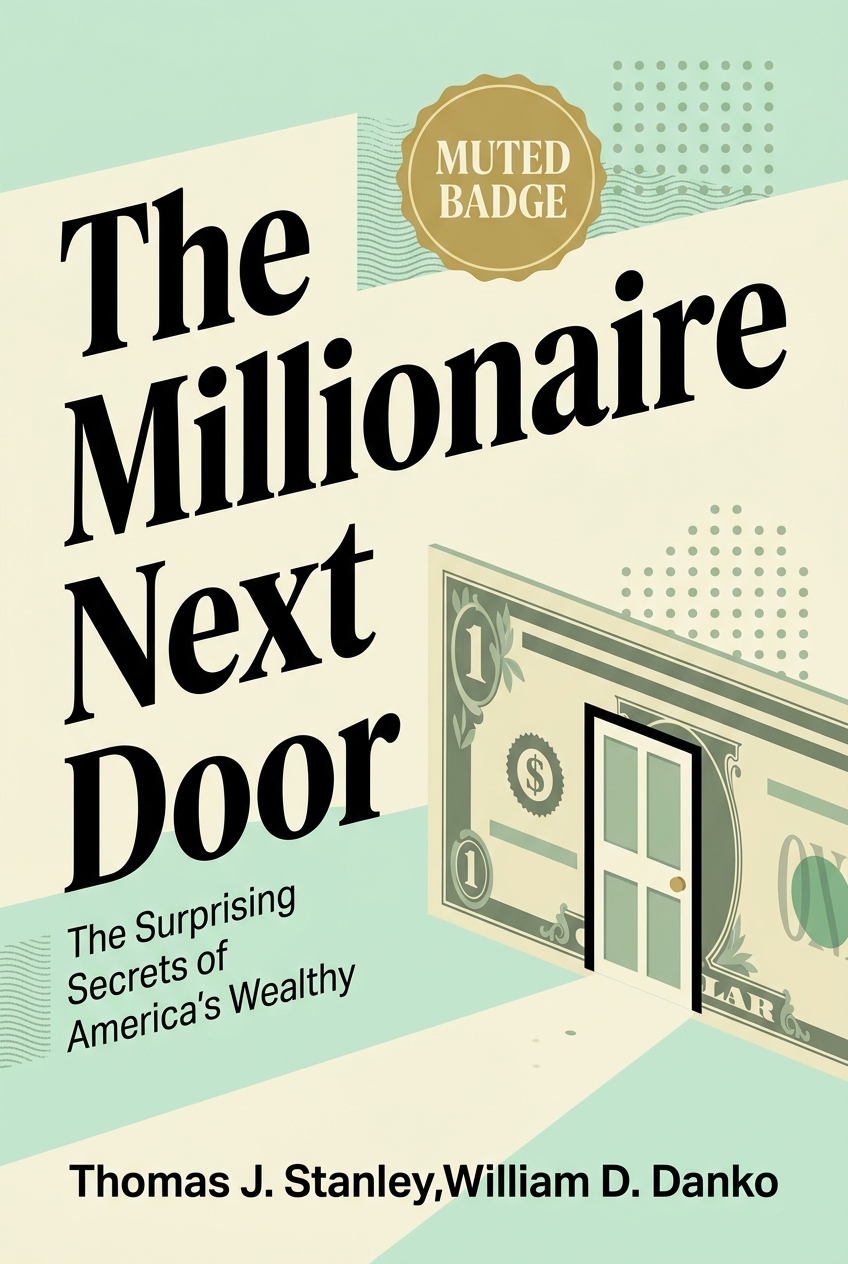
Similarly, The Millionaire Next Door by Thomas J. Stanley and William D. Danko shatters the popular image of wealth. Through extensive research, they found that most millionaires don't live in mansions or drive luxury cars. Instead, they practice what the authors call playing great "defense." While "offense" is your ability to earn an income, defense is your commitment to living below your means, saving diligently, and avoiding the trap of a high-consumption lifestyle. Their research reveals a profound truth: true wealth is what you accumulate, not what you spend. This principle is a cornerstone of financial independence and a vital lesson for anyone starting their journey, particularly young investors who have the powerful advantage of time.
Building Your Investment Engine: From Simple Strategy to Action
Once you've established a strong psychological foundation, you can begin building the engine that will power your wealth. The good news is that the most effective investments strategies are often the simplest. You don't need to be a Wall Street wizard to succeed.
The Power of Stock Investing and Index Funds
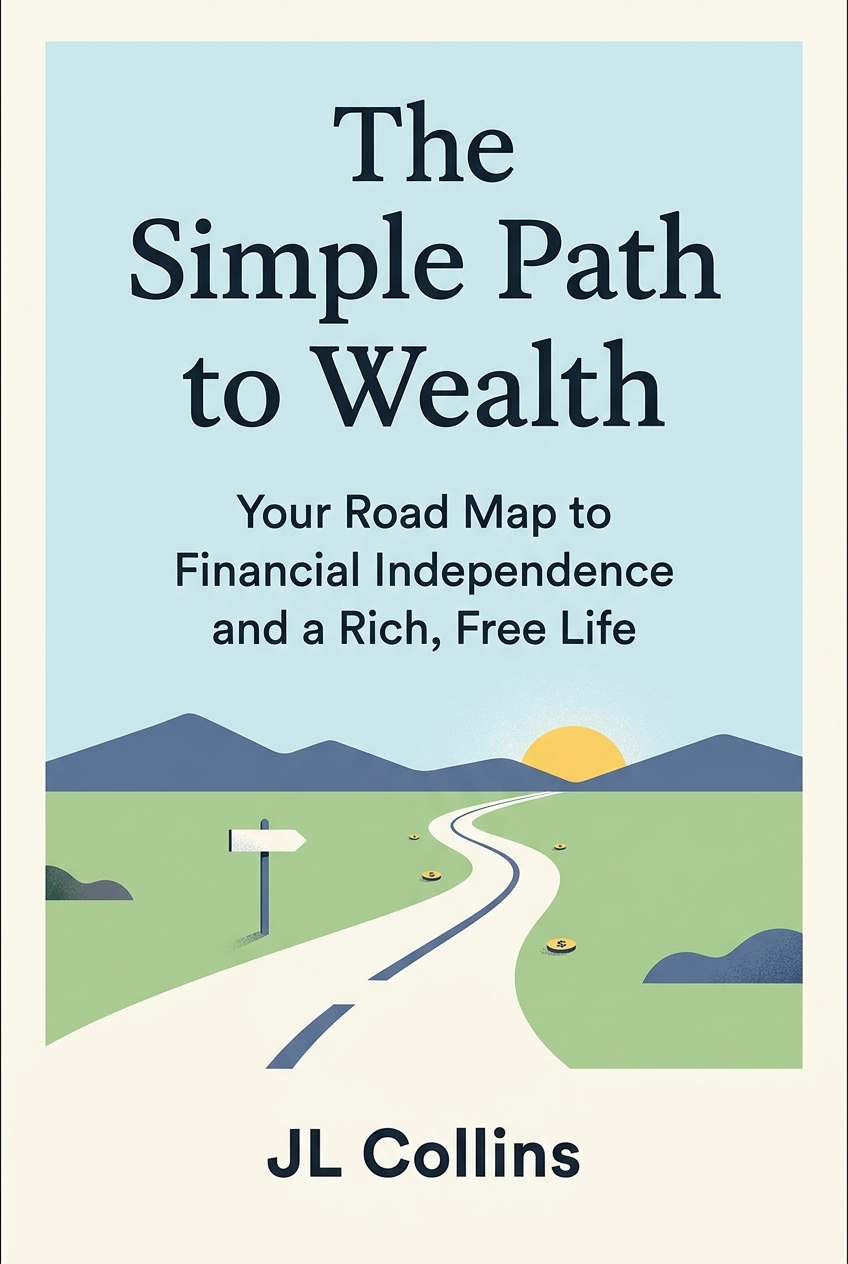
For many, stock investing seems like a high-stakes casino. But as JL Collins clarifies in The Simple Path to Wealth, the stock market is actually the most powerful wealth-creation tool ever invented. The key is to own a piece of it all, rather than trying to find a needle in the haystack.
Collins champions a beautifully simple approach perfect for investments for beginners: invest consistently in a low-cost, broad-market index fund. An index fund holds shares in hundreds or thousands of companies, effectively allowing you to buy the entire market in one transaction. As he states, your entire investment strategy can be built on this single type of investment. This automatically diversifies your holdings and harnesses the long-term growth of the economy. It’s a set-it-and-almost-forget-it strategy that frees you from the anxiety of picking individual winners and losers.
Expanding Horizons with Real Estate Investing
While index funds provide a simple path for passive investing, some prefer a more hands-on approach. Real estate investing offers a powerful alternative for building wealth and generating cash flow. However, as Brandon Turner emphasizes in The Book on Rental Property Investing, it's a business, not a hobby.
Turner's methodology begins with a critical mental shift. A successful investor doesn't just find properties; they find problems they can solve. He insists that you must analyze every deal with unemotional math, never falling in love with a property. This involves calculating potential cash flow, return on investment, and having contingency funds for unexpected repairs. His approach stresses the need for a solid plan, from finding undervalued properties to managing tenants effectively. It’s a blueprint for those who want to actively create value rather than passively participate in the market.
The Importance of Portfolio Diversification
Whether you choose stocks, real estate, or a combination of both, the principle of portfolio diversification is non-negotiable. Diversification simply means not putting all your eggs in one basket. By spreading your capital across different asset classes (like stocks and real estate) and within those classes (like owning an index fund instead of a single stock), you can significantly reduce your risk.
When one part of your portfolio is down, another may be up, smoothing out your overall returns and protecting you from catastrophic losses. This is the most practical answer to the question, is investments risky? Yes, but diversification is the primary tool you use to manage that risk effectively. It transforms investing from a gamble into a calculated, long-term strategy.
Practical Steps to Start Investing Today
Knowledge without action is just trivia. The final step is to translate these principles into concrete actions. Fortunately, learning how to start investments has never been more accessible.
Here are some actionable investments tips drawn from the wisdom of these books:
Pay Yourself First: The most effective wealth-building habit is to automate your savings and investments. Set up an automatic transfer from your checking account to your investment account every payday. This removes willpower from the equation and ensures you are consistently building your assets.
Start Small, Stay Consistent: You don't need a large sum of money to begin. Thanks to fractional shares and low-cost ETFs, you can learn how to start investments with little money. Opening a brokerage account and investing just $50 or $100 a month builds the right habits and harnesses the power of compounding early on.
Embrace Frugality as a Superpower: As taught in The Millionaire Next Door, the gap between your income and your expenses is your savings rate. Increasing that rate is the most direct way to accelerate your path to financial freedom. Track your spending mercilessly and cut out costs that don't bring you true value.
Focus on the Long Term: Do not check your portfolio every day. The market will fluctuate, sometimes wildly. Your job as a long-term investor is to ignore the noise, trust your strategy, and continue investing through highs and lows. Your time in the market is far more important than timing the market.
Building wealth is a marathon, not a sprint. It requires discipline, a willingness to learn, and the patience to let your strategy work. By internalizing the lessons on mindset, simplicity, and consistent action, you can move from a place of financial uncertainty to one of control, confidence, and lasting freedom.
Master key ideas in 15 minutes
Listen to audio summaries of these books on VoxBrief
You can start investing with little money by using brokerage apps with no account minimums, buying fractional shares of stocks, or investing in low-cost ETFs. The most important step is creating a consistent habit of investing small, regular amounts, which compound significantly over time.
All investments carry some level of risk, but this risk is manageable. Strategies such as long-term investing, portfolio diversification across different assets, and understanding your personal risk tolerance are essential for mitigating potential losses and navigating market volatility.
A widely recommended strategy for beginners is to invest in low-cost, broad-market index funds. This approach provides instant diversification and allows you to grow your wealth with the overall market, removing the pressure of picking individual stocks. This simple, powerful concept is a cornerstone of many of the best investing books.