A Beginner's Guide to Great Storytelling Books & Techniques
By VoxBrief Team··5 min read
Whether you're pitching a startup, leading a team meeting, or simply telling a friend about your day, the ability to tell a compelling story is a superpower. It’s what separates forgettable messages from ideas that inspire action and build lasting connections. But where do you start? The journey to becoming a powerful communicator is paved with the wisdom found in great storytelling books, which provide actionable frameworks and timeless principles. This guide will explore core concepts from some of the best, showing you how to develop this essential skill.
What is Storytelling and Why Does It Matter?
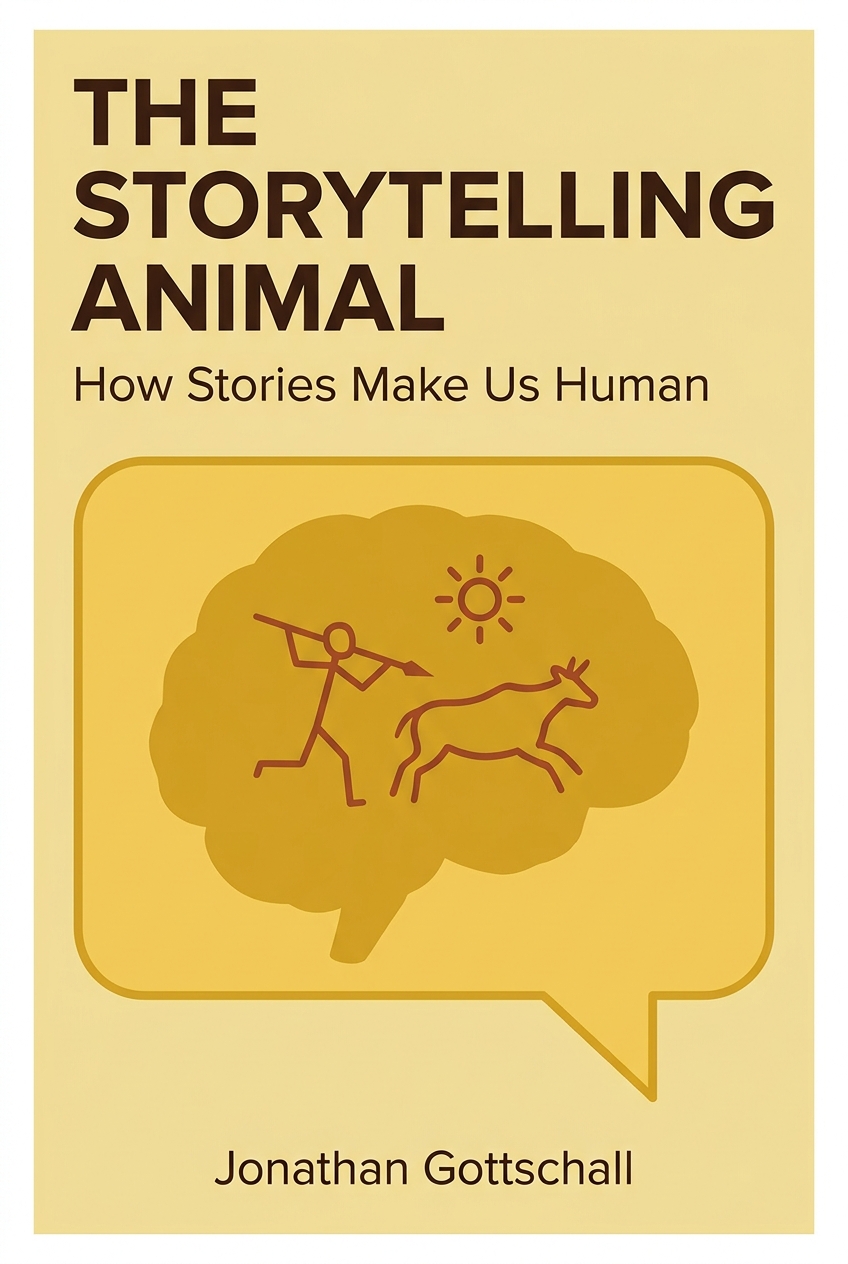
So, what is storytelling, really? At its core, storytelling is the art of conveying events, experiences, and ideas through a narrative. But its function runs much deeper. As Jonathan Gottschall explains in The Storytelling Animal, our brains are fundamentally wired for story. He posits that stories act as a kind of "flight simulator for social life," allowing us to safely navigate complex social scenarios and learn from vicarious experiences without facing real-world risk. Narrative isn't just entertainment; it's a basic human survival tool.
This explains why storytelling is so important across every facet of life. In the professional world, storytelling in the workplace can transform a dry data report into a persuasive call to action. For leaders, it's the most effective tool for communicating a vision and motivating a team. For marketers, it’s the engine of brand loyalty. Even in personal relationships, the stories we share are how we build intimacy and understanding.
Effective storytelling bridges the gap between information and emotion. A list of facts might inform, but a story makes us feel. It contextualizes data, making abstract concepts tangible and memorable. This is why a well-told story can change minds and inspire movements where a logical argument might fail.
The Core Components of Compelling Narratives
Understanding the importance of storytelling is the first step. The next is learning how to do it effectively. This isn't about fabricating dramatic tales; it's about crafting authentic experiences into a structured journey for your listener. This is where storytelling for beginners can often feel intimidating, but breaking it down into components makes it manageable.
Finding Your Storyworthy Moments
One of the most common storytelling mistakes is believing you have no stories to tell. We often think a good story requires a life-altering event—a public failure, a dramatic rescue, or a trip around the world. In his book Storyworthy, Matthew Dicks argues the exact opposite. He teaches that the most resonant stories are found in what he calls "five-second moments" from our everyday lives. These are tiny instances of realization, change, or emotional shift.
To find these moments, Dicks suggests a daily practice he calls "Homework for Life." At the end of each day, take a few minutes to ask yourself: "What was the most story-worthy moment of my day?" It could be a brief, awkward conversation, a surprising comment from a child, or the flicker of doubt you felt before making a decision. By training yourself to notice these micromoments, you build an inventory of authentic, relatable material that forms the foundation of powerful narratives.
Mastering Narrative Structure and Frameworks
Once you have a story idea, it needs a solid structure to land with impact. A story is not just a sequence of events; it's a carefully crafted journey with a beginning, a middle, and an end. Great story frameworks provide a roadmap for this journey.
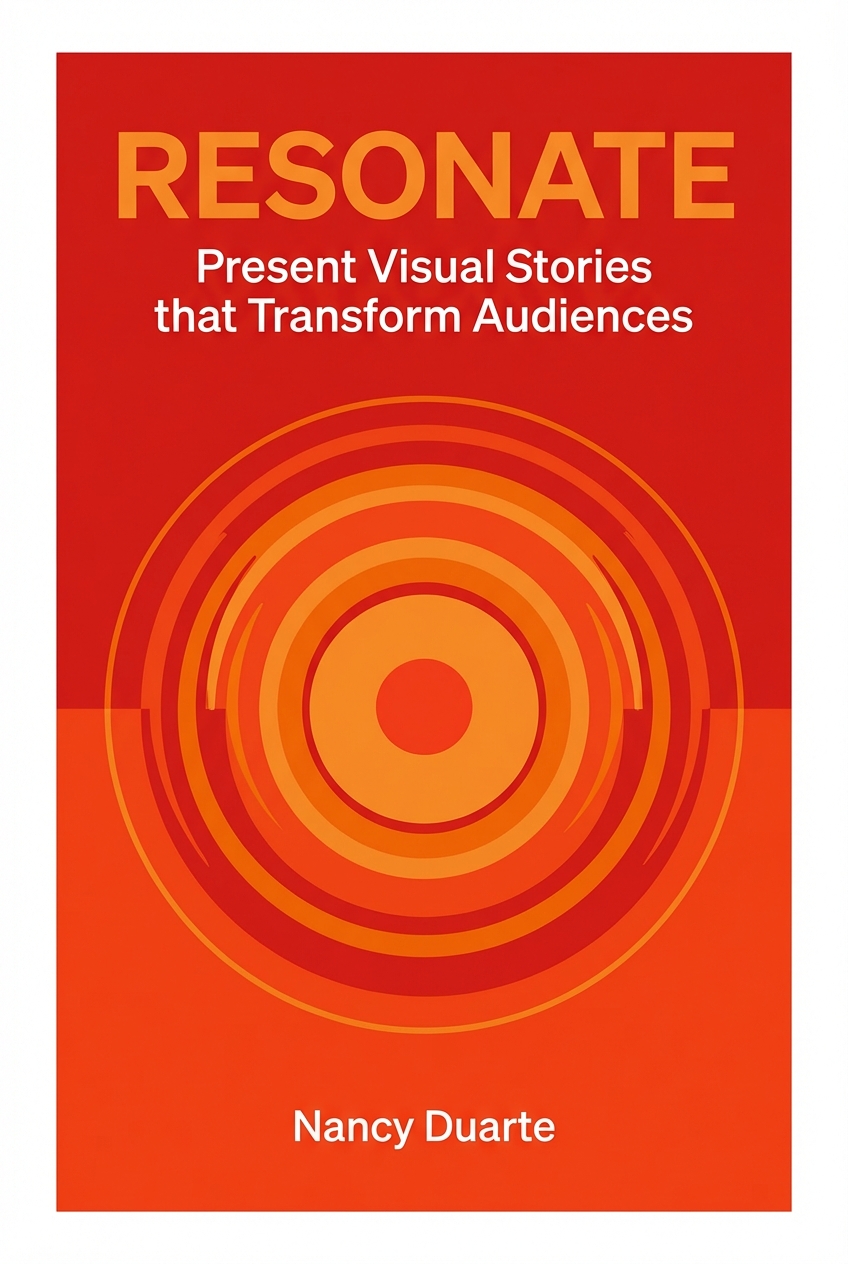
In Resonate, presentation expert Nancy Duarte reveals a powerful narrative structure she discovered after analyzing some of history's most iconic speeches, from Martin Luther King Jr.’s “I Have a Dream” to Steve Jobs's iPhone launch. She found they all oscillate between “what is” (the current, imperfect reality) and “what could be” (the better, ideal future). This back-and-forth movement creates tension and desire, pulling the audience along and making them yearn for the proposed future. A key insight from Duarte is that the presenter isn't the hero of the story—the audience is. Your role is that of the mentor, guiding the hero on their journey from the mundane world to a special one.
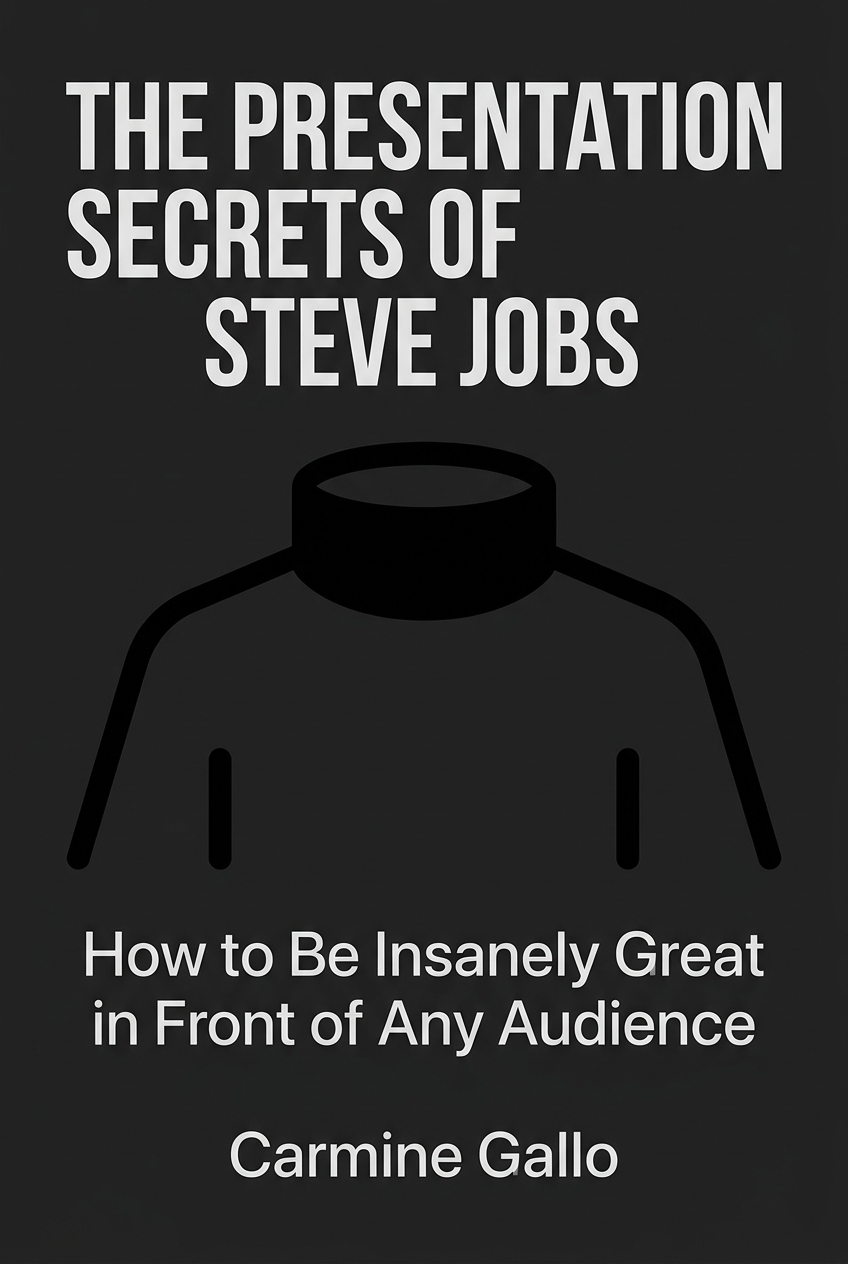
Similarly, Carmine Gallo's book The Presentation Secrets of Steve Jobs breaks down Jobs's legendary presentations into a classic three-act narrative structure. Act I is about creating the story and establishing a villain (a problem or an old way of doing things). Act II is about delivering the experience and revealing the conquering hero (the new product or solution). Act III focuses on refinement and rehearsal, ensuring the delivery is flawless. These frameworks are essential for anyone interested in public speaking or delivering high-stakes presentations.
Making Your Ideas Stick
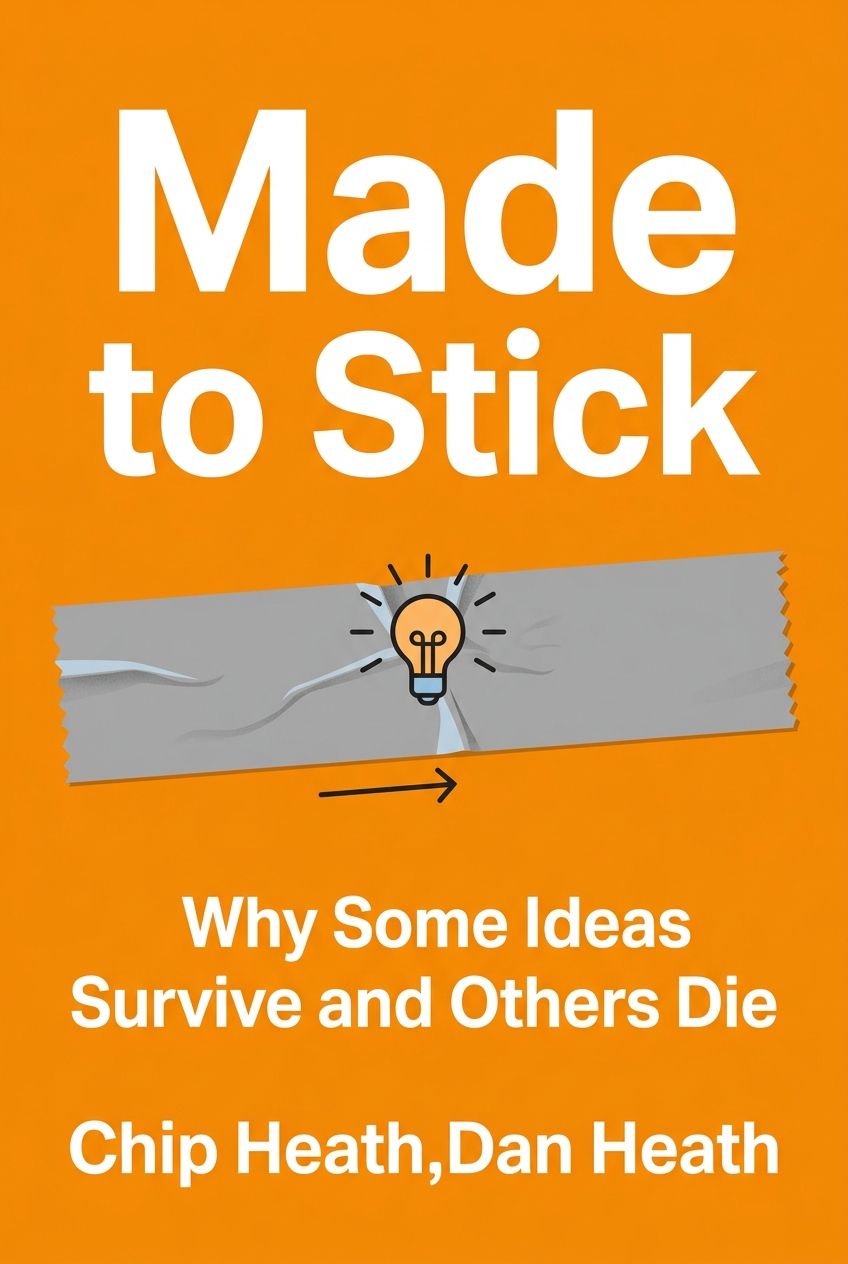
Even with a great story and structure, you need to ensure your message is memorable. Why do some ideas survive and spread while others are forgotten moments later? In Made to Stick, brothers Chip and Dan Heath answer this question with their SUCCESs framework. They identified six key principles of sticky ideas: they must be Simple, Unexpected, Concrete, Credible, Emotional, and told as Stories.
One of the biggest obstacles to creating sticky ideas is what the Heaths call the "Curse of Knowledge." Once we know something, it's incredibly difficult to imagine what it was like not to know it. This cognitive bias causes experts to speak in jargon and abstractions, leaving their audience confused and disengaged. To defeat the curse, you must translate your ideas into concrete language and use stories and analogies to illustrate your points. Forgoing complex industry terms for simple, powerful images is one of the most vital storytelling techniques you can master.
How to Improve Storytelling with Great Storytelling Books
Reading great storytelling books is the starting point. The real growth comes from consistently applying their principles. Learning how to develop storytelling is an active process of practice, observation, and refinement. It’s a skill that benefits everyone, from storytelling for students preparing class projects to storytelling for professionals aiming for leadership roles.
From Theory to Practice: Applying Key Techniques
The most effective way to improve is to combine insights from different experts. For example, take Matthew Dicks's advice to find a small, "five-second moment" from your week. Now, use Nancy Duarte’s framework to structure it: start by describing the “what is” (the ordinary situation), then introduce the moment of change that points toward a “what could be.”
Next, run that small story through the Made to Stick checklist. Is its core message Simple? Can you add an element of Unexpectedness? Is it Concrete enough for the listener to picture it clearly? Does it evoke an Emotional response? Blending these storytelling tips turns a simple anecdote into a powerful and memorable narrative. This is how you move from just recounting events to truly telling a story.
Storytelling for Professionals: Leadership and Brand Impact
In a business context, these skills are invaluable. Storytelling at work is not just for formal public speaking. It’s for the one-on-one meeting where you need to give constructive feedback. It's for the project update email that needs to convey urgency and purpose. It's for the interview where you need to communicate your value beyond a list of accomplishments.
Brand storytelling, for instance, relies heavily on these principles. A brand that simply lists its product features is using information. A brand that tells the story of how its founder overcame a problem—a problem the customer also shares—is building an emotional connection. By making the customer the hero and positioning the brand as the mentor with a solution (a core concept from Resonate), companies create loyalty that transcends price and features. Using concrete, emotional language, as advocated in Made to Stick, makes that brand message unforgettable.
Ultimately, the path to becoming a better storyteller is clear. It begins with the understanding that stories are not just for entertainers—they are a fundamental tool for human connection and persuasion. By internalizing the frameworks, techniques, and mindsets taught in the world's best books on the topic, you can learn to transform your everyday experiences into narratives that engage, teach, persuade, and inspire.
Master key ideas in 15 minutes
Listen to audio summaries of these books on VoxBrief
Storytelling is crucial because it's the primary way we connect with others, make sense of the world, and persuade an audience. It translates abstract data and ideas into relatable, memorable experiences that resonate on an emotional level.
A great way to practice daily is to actively look for story-worthy moments in your day, as Matthew Dicks suggests in *Storyworthy*. You can also try 'dressing up' one piece of data or an everyday event with an analogy or comparison to make it more impactful for others.
A common mistake is focusing on yourself instead of the audience; Nancy Duarte's *Resonate* reminds us the audience should be the hero. Another is the 'Curse of Knowledge,' where you assume your audience knows what you know, which leads to unclear messages and is a major roadblock to finding success with great storytelling books and their lessons.