Whether you're leading a team, navigating a family discussion, or trying to make a good first impression, your success often hinges on one thing: the quality of your communication. It’s the invisible thread that connects us, yet so many of us struggle to do it well. The good news is that great communicators aren't born; they're made. Finding the best books on communication can feel overwhelming, but exploring the core principles from these expert guides is one of the most effective ways to start your journey toward mastery.
This article won't just list titles. Instead, we'll dive into the foundational ideas from some of the most impactful works on the subject. We’ll break down powerful frameworks and actionable techniques that you can start applying today to transform your interactions at work and in life.
What Are Communication Skills and Why Are They Important?
Before we explore how to improve, it's essential to understand what we're talking about. So, what is communication skills? It’s far more than just the ability to speak clearly. It's a comprehensive suite of abilities that includes active listening, expressing your ideas with clarity, reading nonverbal cues, managing your emotions, and demonstrating empathy.
So, why is communication skills important? In short, because they are fundamental to human interaction. For professionals, strong communication skills in the workplace lead to better team collaboration, more effective leadership, and smoother conflict resolution. An employee who can clearly articulate a complex idea or deliver constructive feedback without creating resentment is invaluable. As students enter the workforce, these skills often become a primary differentiator for career advancement.
For beginners, developing these abilities can unlock more meaningful personal relationships. Being able to truly listen to a friend, navigate a disagreement with a partner, or connect with a new acquaintance builds trust and rapport. Effective communication reduces misunderstandings and fosters a sense of being seen and heard, which is a core human need. Strong workplace communication isn't just a soft skill; it's a strategic advantage.
Unlocking Core Concepts from the Best Books on Communication
To truly grasp how to improve your skills, it helps to learn from the masters. By examining core principles from seminal books, we can build a powerful mental toolkit.
The Foundational Mindset: Shifting Your Focus Outward
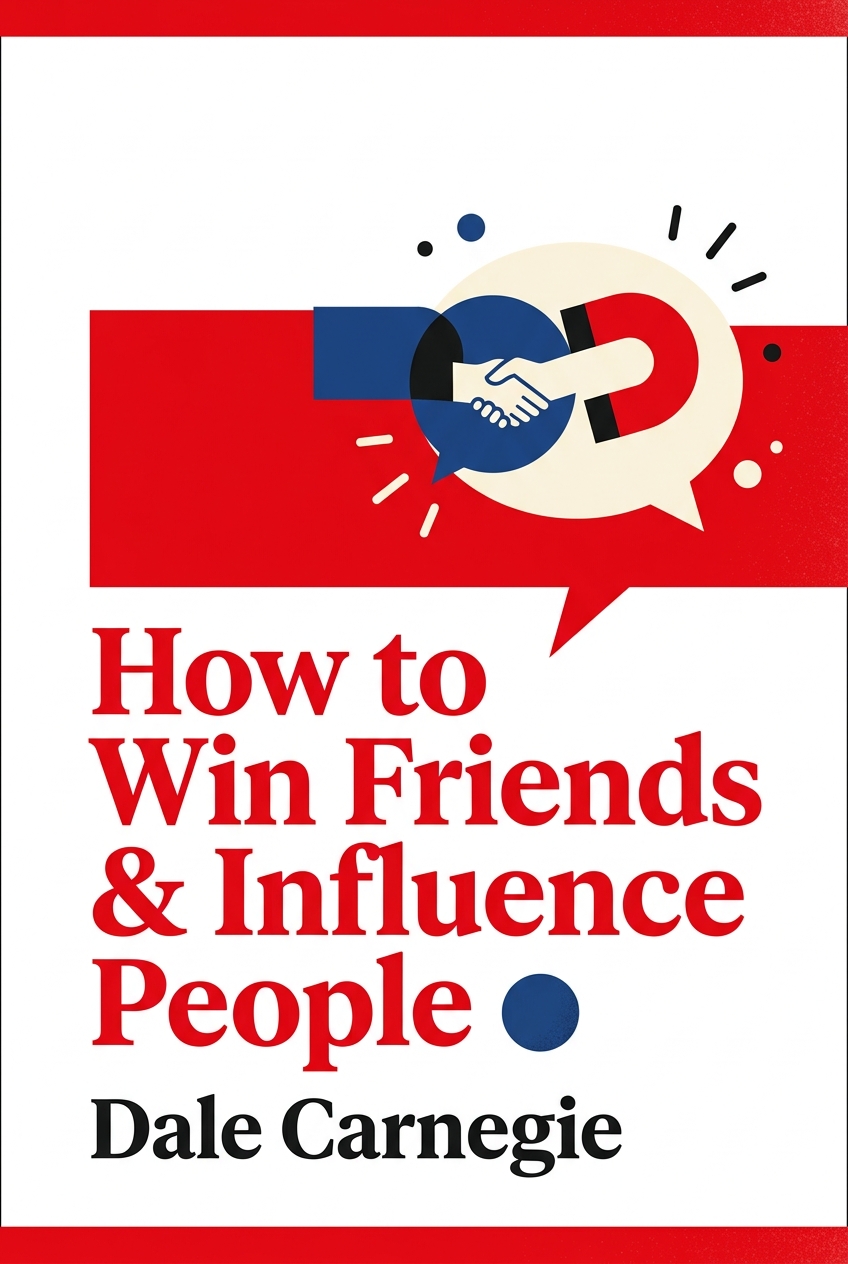
One of the most profound and recurring themes in communication literature is the need to shift focus from yourself to others. Dale Carnegie, in his classic How to Win Friends & Influence People, frames this perfectly. He explains that by default, we are all the main character in our own movie. We think about what we want, what we need, and what we want to say. The first and most crucial step in becoming influential is to flip that script.
This means cultivating a genuine interest in the other person. It’s about understanding their desires, their problems, and their perspective before you ever try to advance your own. This outward focus is the engine behind many crucial communication skills techniques, such as asking questions you actually want the answer to and practicing active listening. When people feel that you are genuinely interested in them, they become far more receptive to you and your ideas. It's a simple concept that most people ignore, which is exactly why it's so powerful when applied consistently.
Navigating High-Stakes and Difficult Conversations
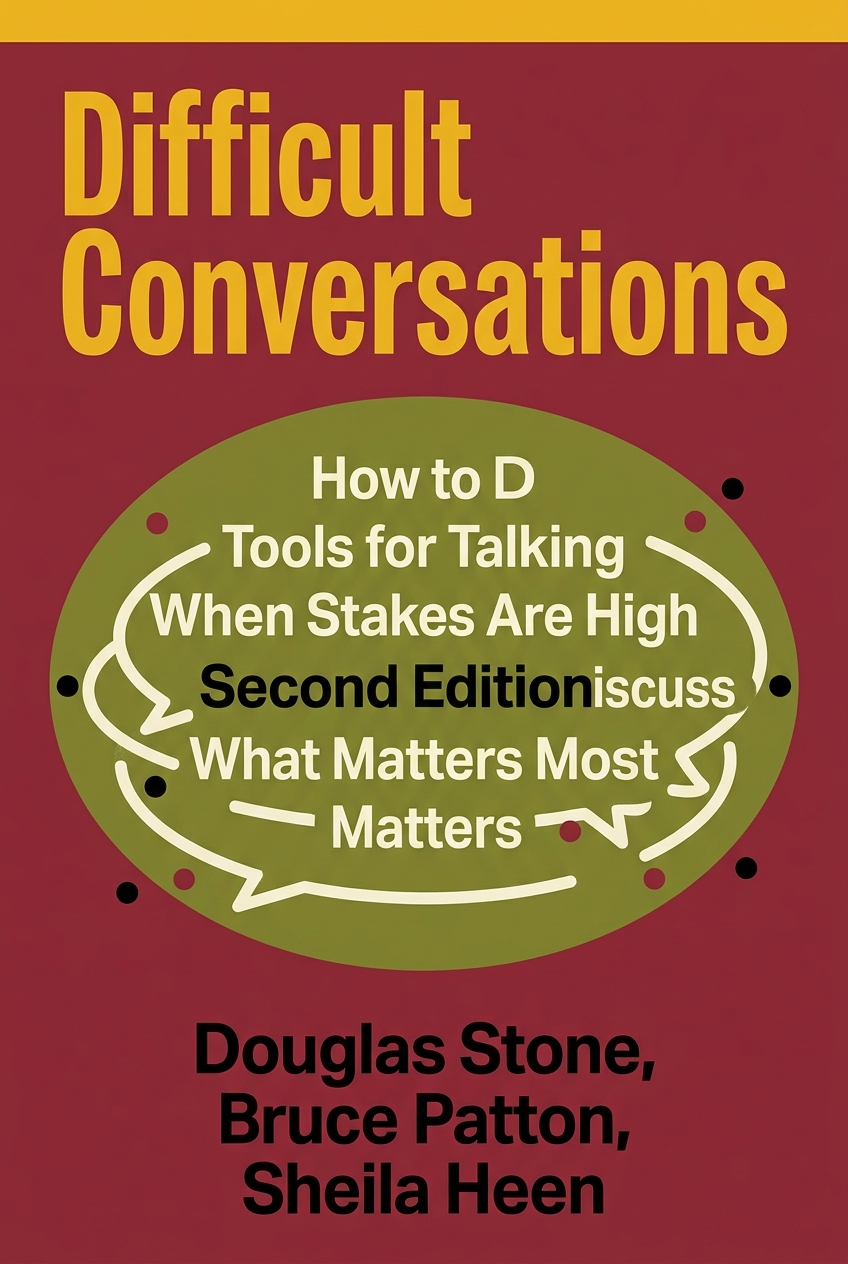
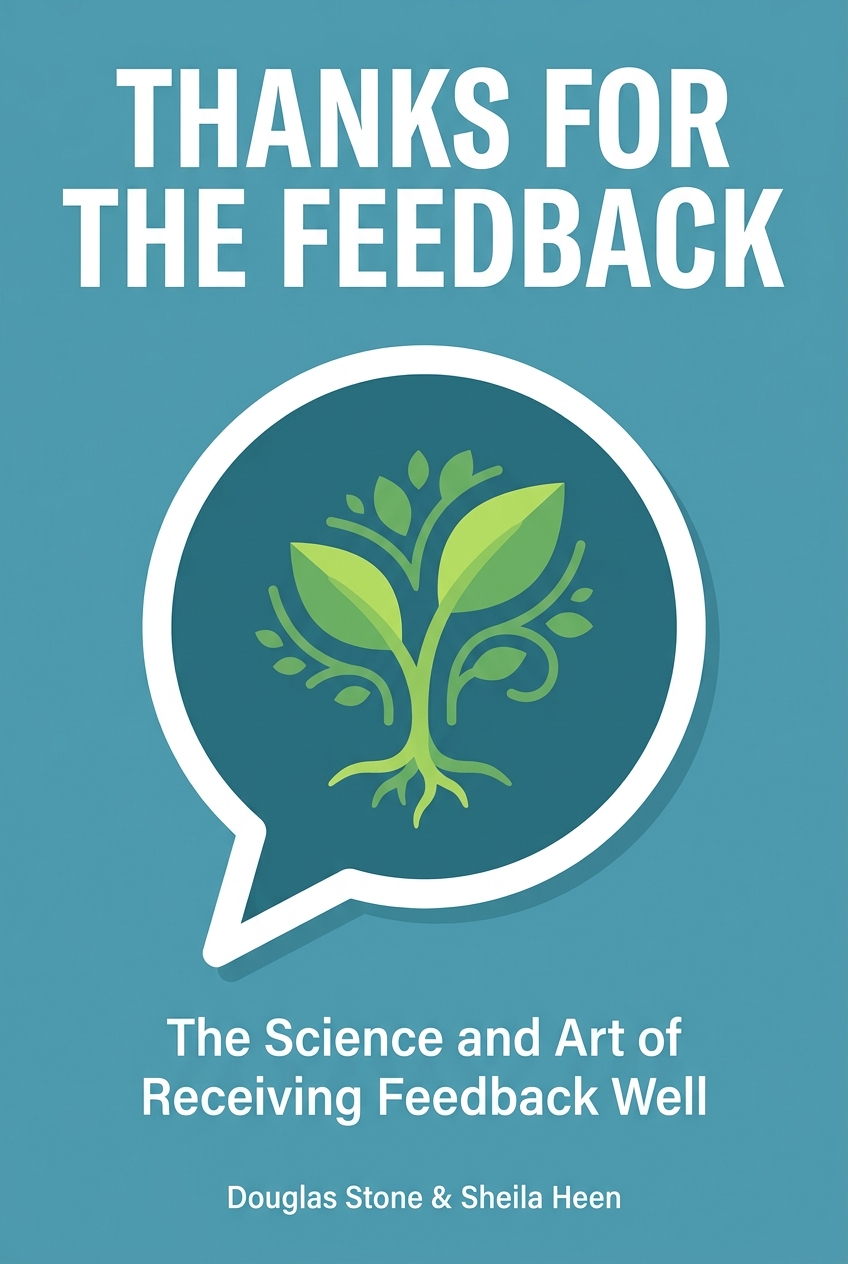
We've all been there: avoiding a tough talk with a boss, a colleague, or a loved one because we're afraid it will go badly. In Difficult Conversations, authors Douglas Stone, Bruce Patton, and Sheila Heen provide a lifeline. They argue that every difficult conversation is actually three conversations happening simultaneously: The "What Happened?" Conversation, the Feelings Conversation, and the Identity Conversation.
A game-changing insight from the book is how to handle the "What Happened?" conversation. Our natural instinct is to operate from a frame of blame: Who is at fault? This approach, the authors note, is a disaster that triggers defensiveness and shuts down learning. The alternative is to shift from blame to contribution. Instead of asking "Who did this?" you ask, "What did we each contribute to this situation?" This simple reframe turns an adversarial confrontation into a collaborative problem-solving session. It allows both parties to understand the system that created the problem without getting bogged down in finger-pointing, a vital skill for effective workplace communication.
Mastering Clarity and Presence in Your Message
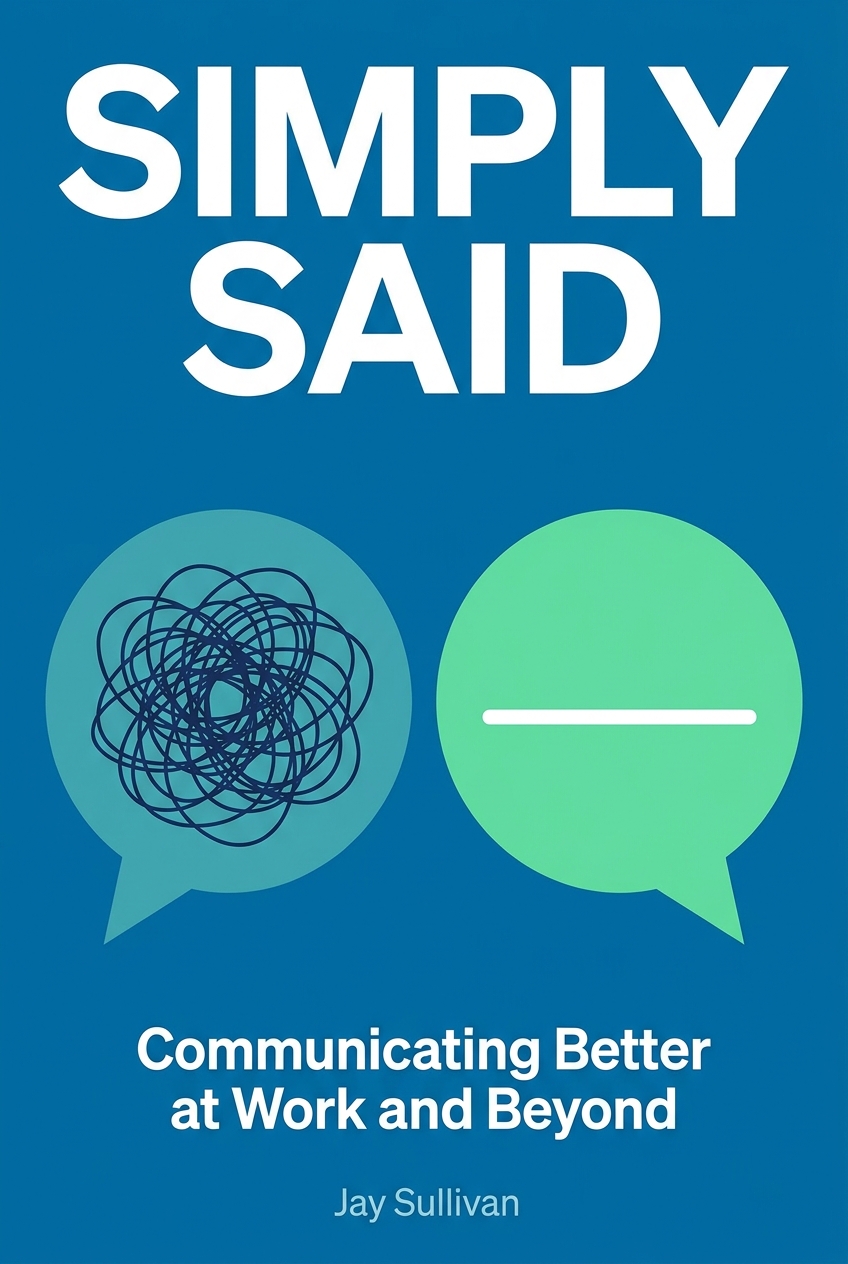
Have you ever felt like your great ideas get lost in translation or ignored in meetings? In Simply Said, Jay Sullivan tackles this head-on by arguing that the single biggest barrier to clear communication is our own self-focus. We build presentations based on what we know and what we think is important, assuming our audience shares our context. The solution is to make your communication an act of service.
This means starting with your audience's needs. What do they care about? What problem are you solving for them? This principle forces you to strip away jargon and unnecessary detail, leaving only a clear, compelling message that resonates with the listener. Sullivan also reframes the fear of public speaking, noting that all speaking is public, whether it's to one person or a thousand. The key is to be present and connected with your audience, not performing for them. By organizing your thoughts into a clear structure and delivering them with an audience-first mindset, your message will not only be heard but will also have a lasting impact.
How to Develop and Practice Your Communication Skills
Understanding these powerful concepts is the first step. The next is practice. Learning how to develop communication skills is an ongoing process that requires conscious effort and daily application.
Focus on Active Listening
Listening is half of every conversation, yet it’s the skill we practice the least. Active listening isn't just waiting for your turn to talk; it's a deliberate effort to understand the speaker's message and intent. Here’s how to practice communication skills daily through listening:
Paraphrase and Summarize: Before responding, briefly restate what you heard in your own words. For example, "So, if I'm understanding correctly, your main concern is about the timeline?" This confirms your understanding and shows the other person they've been heard.
Ask Open-Ended Questions: Instead of questions that can be answered with a "yes" or "no," ask questions that encourage elaboration, such as "Can you tell me more about that?" or "How did you come to that conclusion?"
Master Your Nonverbal Communication
What you don't say can often be more powerful than what you do. Your body language, tone of voice, and eye contact are constantly sending signals. Pay attention to your nonverbal communication. Are you making eye contact to show you're engaged? Is your posture open and confident, or closed off and defensive? A confident posture and engaged demeanor can make people more receptive to your message before you even speak a word.
Avoid Common Communication Skills Mistakes
Part of getting better is knowing what pitfalls to avoid. Some of the most common communication skills mistakes are surprisingly simple to fix:
Making Assumptions: Instead of assuming you know what someone means or why they did something, ask for clarification. This small habit can prevent countless conflicts.
Using the Blame Frame: As highlighted in Difficult Conversations, blaming others immediately creates a defensive barrier. Focus on contribution and shared problem-solving instead.
Ignoring the Emotional Content: Feelings are part of every important conversation. Acknowledging the other person's emotions (e.g., "It sounds like you're feeling really frustrated") can de-escalate tension and build a bridge to a more productive dialogue.
Ultimately, the journey to becoming a better communicator is a journey toward becoming more empathetic, present, and others-focused. It's a skill that will pay dividends in every area of your life, from your career to your most cherished relationships. By learning from the experts and committing to daily practice, you can transform the way you connect with the world.
Master key ideas in 15 minutes
Listen to audio summaries of these books on VoxBrief
Communication skills are crucial because they form the foundation of all personal and professional relationships. They help build trust, prevent misunderstandings, and facilitate collaboration, leading to better outcomes at work and more fulfilling personal connections.
You can practice daily by focusing on active listening in your conversations, paying attention to your nonverbal cues, and asking clarifying questions instead of making assumptions. Try summarizing what someone said back to them before you respond to ensure you've understood correctly.
Common mistakes include interrupting others, failing to listen actively, using a blaming tone, and ignoring nonverbal signals. Many people also focus too much on what they want to say instead of what their audience needs to hear, leading to misaligned messages.
Reading books to enhance communication skills is a great first step, as they provide proven frameworks and techniques. To see quick improvement, focus on one skill at a time, like active listening, and consciously apply what you've learned in every conversation for a week.