What Are the Great Books on Education? A Beginner's Guide
By VoxBrief Team··6 min read
When we think about education, our minds often jump to classrooms, textbooks, and standardized tests. But what if education is something far more profound? What if it’s the fundamental process of how we build our identities, connect with others, and shape the world around us? This article serves as an introduction to top books in education, delving into core concepts that go beyond pedagogy. By exploring foundational ideas from some of the great books on education, we can uncover a richer understanding of what it means to learn, grow, and lead. For anyone looking into this topic, even top books in education for beginners, the insights are universally applicable, whether you're a parent, a manager, a student, or simply a curious human being.
Education as the Act of Self-Creation
Before education can change the world, it must first change the individual. The most powerful learning journeys are often deeply personal, involving a re-examination of everything we thought we knew. This theme of education as a tool for self-invention is at the heart of many transformative texts.
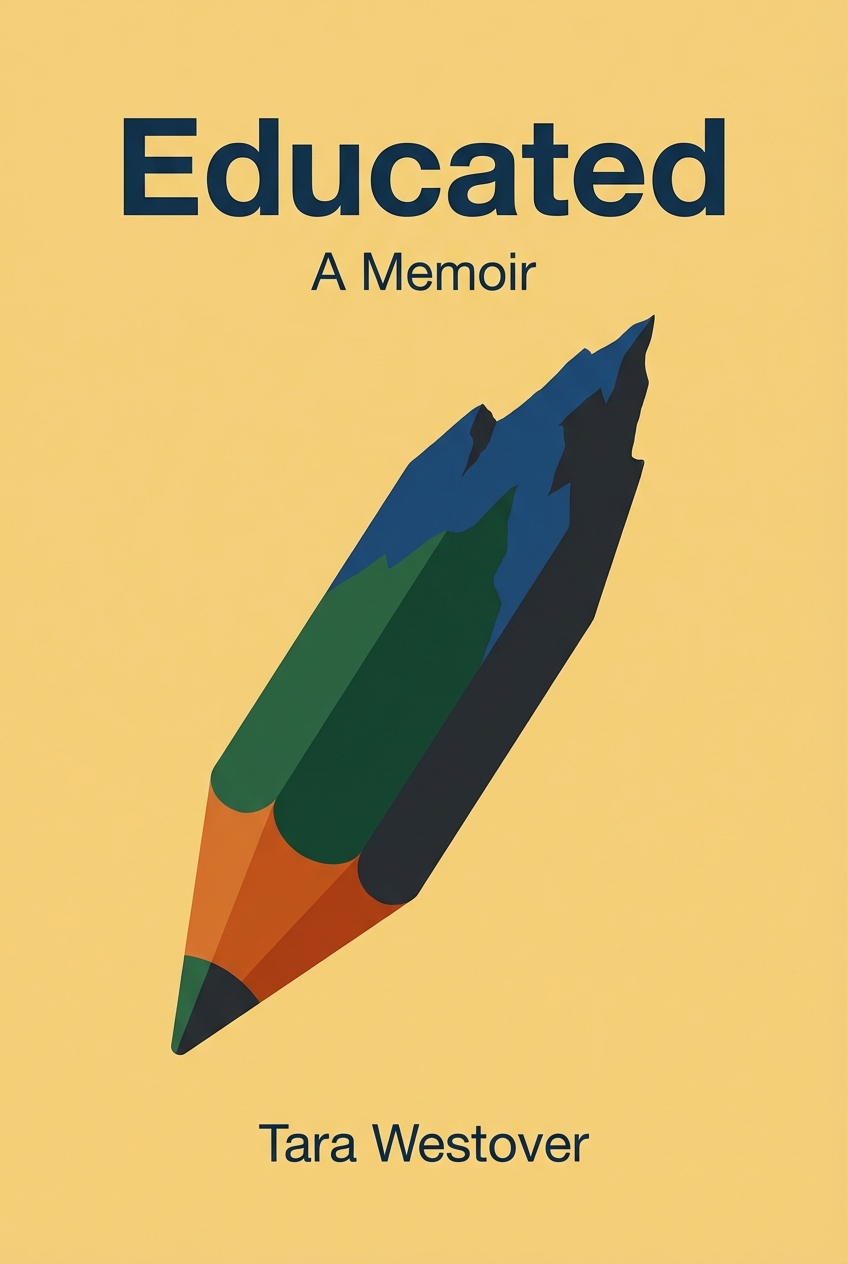
Nowhere is this more powerfully illustrated than in Tara Westover's memoir, Educated. Her story is a profound exploration of how education can provide the tools to build a new self, entirely separate from the one you were given. Westover grew up in a survivalist family in rural Idaho, completely isolated from public institutions like schools and hospitals. Her reality was defined by her father's powerful, all-encompassing narratives—stories of a corrupt government and an impending apocalypse. For Westover, education wasn't about getting a degree; it was an act of rebellion and self-creation. It gave her a new language and a new framework to see the world, allowing her to question the reality she had been born into.
Overcoming Inherited Narratives
Westover’s journey highlights a central conflict that many people face: the painful tug-of-war between familial loyalty and a desire for personal growth. To pursue her education, she had to pull away from the family and the belief system that had defined her entire life. This is a key concept in top books in education explained: learning often requires us to confront and dismantle the stories we've internalized. Westover's experience shows that the most formidable constraints aren't physical walls, but the narratives we uncritically accept.
Her story teaches us that true education is the act of choosing which truths to live by. It’s about developing the critical thinking skills to examine the narratives passed down to us—from our family, our culture, or our industry—and deciding for ourselves what to hold onto and what to discard. It is a testament to the idea that knowledge is not just about accumulating facts, but about gaining the power to define your own reality.
Why Great Books on Education Emphasize Communication
If education is about self-creation on a personal level, it is about connection and cooperation on an interpersonal level. Learning rarely happens in a vacuum. It happens in conversations, in relationships, and in communities. This is why many classic texts on education are, at their core, manuals for better human communication.
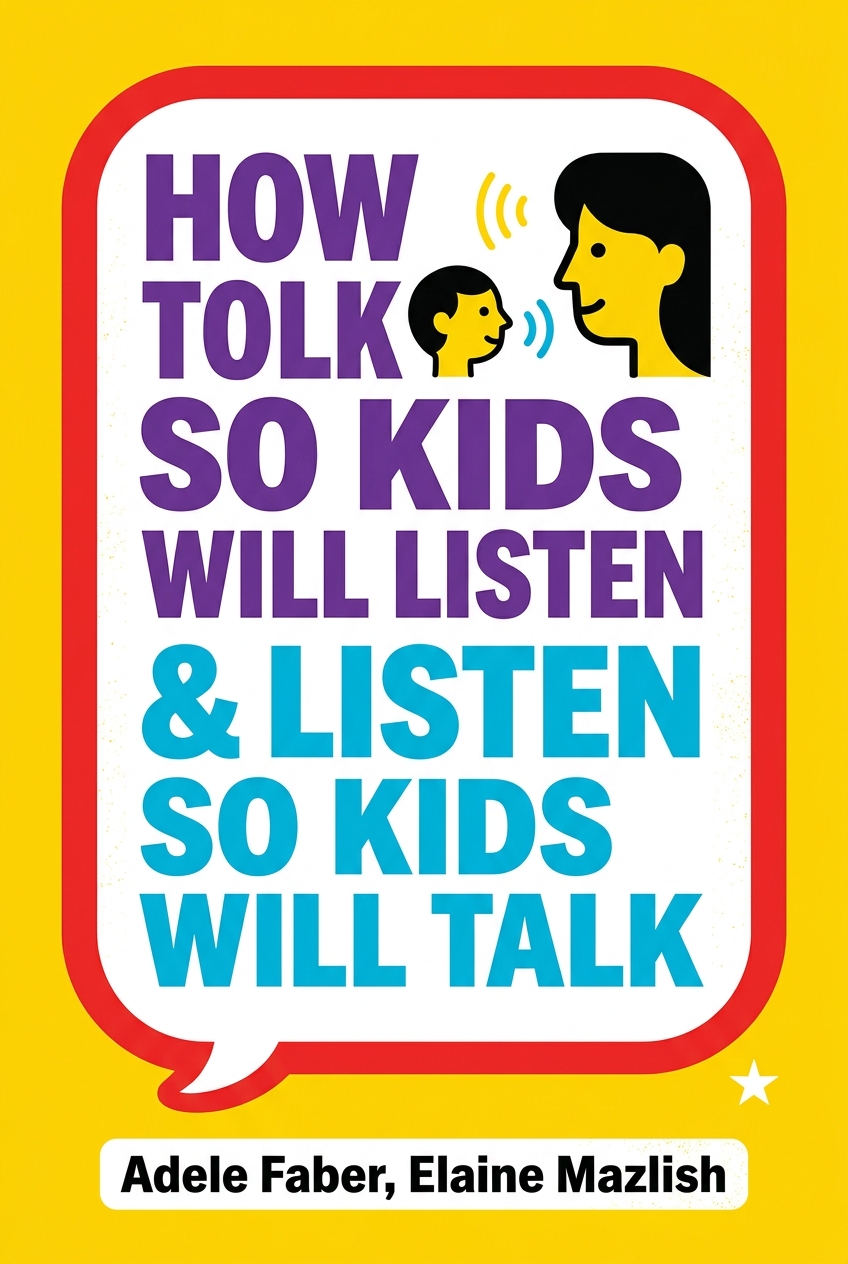
How to Talk So Kids Will Listen & Listen So Kids Will Talk by Adele Faber and Elaine Mazlish is a prime example. While ostensibly a parenting guide, its principles offer a masterclass in the kind of communication that fosters growth, autonomy, and mutual respect in any context. The book’s most fundamental idea is that behavior is driven by feelings. As the authors put it, when people (of any age) feel right, they act right. The problem is that our typical responses—denying feelings, offering philosophical advice, or jumping to solve the problem—often make people feel unheard and disrespected, which in turn leads to resistance and conflict.
Acknowledging Feelings to Foster Learning
A core concept from the book is the power of acknowledging feelings. Instead of dismissing a child’s frustration with a statement like, “It’s not a big deal,” the authors suggest simply naming the emotion: “You seem really frustrated with that assignment.” This simple act of validation does something remarkable. It defuses the negative emotion, builds a bridge of connection, and opens the door for collaboration and problem-solving. This technique is not just for children. Imagine using it with a frustrated colleague: “It sounds like you’re really worried about this deadline.” By acknowledging their feeling without judgment, you create psychological safety, the bedrock of any effective learning environment.
Moving Beyond Punishment and Control
Another revolutionary idea Faber and Mazlish present is their argument against punishment. They make a bold claim: punishment doesn't work. While it may stop a behavior temporarily, it fosters resentment, defiance, and a focus on revenge rather than restitution. When a child is punished, they aren’t thinking about what they did wrong; they’re thinking about how unfair the punisher is. The authors provide a toolkit of alternatives that focus on teaching rather than controlling. These include expressing your own feelings strongly without attacking character (“I’m furious that my new saw was left out in the rain!”), stating your expectations clearly, and, most importantly, engaging the other person in finding a solution. This approach is about fostering autonomy and teaching responsibility, which are the ultimate goals of education. These are some of the most practical top books in education tips available, applicable from the playroom to the boardroom.
Education as a Tool for Social Transformation
Beyond the individual and interpersonal levels, education holds the power to reshape society. It can be a powerful engine for breaking down systemic barriers, challenging prejudice, and creating a more just and empathetic world. Understanding why is top books in education important often comes down to recognizing this potential for large-scale change.
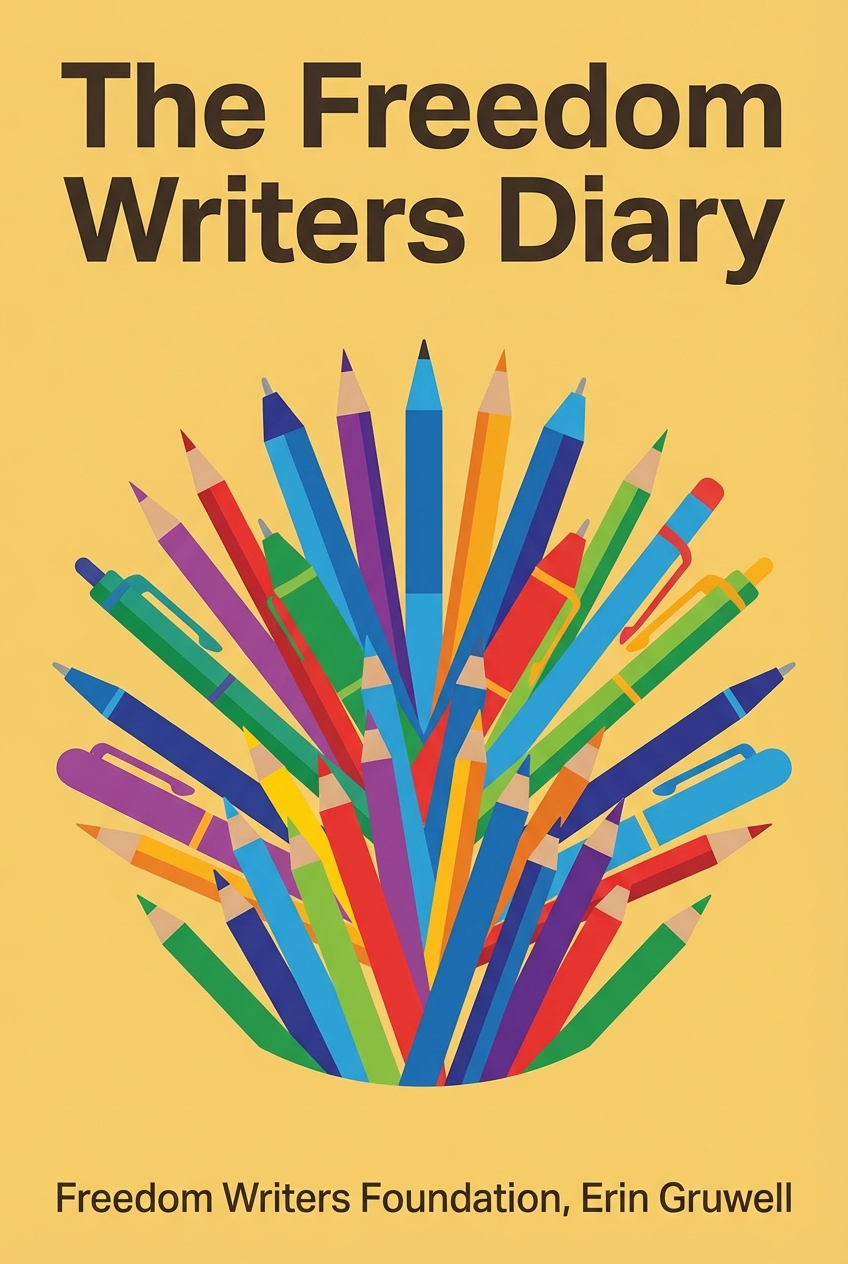
The story of The Freedom Writers Diary, by Erin Gruwell and her students, is a searing testament to this transformative power. Gruwell was a first-year teacher assigned to a class of “at-risk” students at a racially divided high school in Long Beach, California. Her classroom, Room 203, was a microcosm of the city’s gang violence and racial strife. Students were grouped by ethnicity, filled with mutual hatred and mistrust, and had been written off by the educational system as “unteachable.”
Creating Safe Spaces for Growth
Gruwell’s first and most important task was to turn this “war zone” into a sanctuary. She understood that no academic learning could happen until her students felt psychologically safe. She redesigned the classroom to break up the self-segregated groups, introduced literature that reflected her students' lived experiences of violence and loss, and, most importantly, listened to them without judgment. She created a space where they could be vulnerable without fear of being attacked. This principle is universal: learning requires a foundation of safety and trust. Whether in a school, a business, or a community, people must feel seen and respected before they can take the risks necessary for growth.
The Power of Voice and Empathy
Once the classroom was a safe space, the real work began. Gruwell’s most potent tool was the simple act of writing. She gave each student a journal and told them they could write anything they wanted, promising that she would be the only one to read it. This was the key that unlocked everything. Writing became both a “weapon and a medicine.” It was a way for students to process their trauma, express their rage and grief, and find their voice. For the first time, they felt heard.
This process culminated in the students reading their anonymous entries aloud, which became a turning point. As they listened to each other's stories of pain, survival, and hope, the walls of racial division crumbled. A Latino student realized the Cambodian girl he hated had suffered a similar trauma; a Black student understood the struggles of a white peer. Writing gave them a voice, and listening built a bridge of empathy. Their journey shows that education, at its best, is about more than just knowledge transfer. It’s about breaking down labels, fostering empathy, and empowering people to tell their own stories, thereby reclaiming their humanity and inspiring a movement.
In conclusion, exploring the great books on education reveals a multi-layered understanding of what it means to learn. It is the intensely personal journey of self-creation, as seen in Tara Westover’s fight for her own mind. It is the delicate art of communication that builds trust and fosters cooperation, as detailed by Faber and Mazlish. And it is a powerful force for social change, capable of healing deep wounds and building communities, as demonstrated by the Freedom Writers. These lessons are not confined to the world of formal schooling; they are essential for anyone committed to personal growth and to building a better, more connected world.
Master key ideas in 15 minutes
Listen to audio summaries of these books on VoxBrief
Top books in education go beyond simple teaching methods. They explore the core purpose of learning, challenge our assumptions about intelligence and potential, and offer transformative insights into human development, communication, and societal change.
Reading about education helps us become better parents, leaders, and citizens. It provides tools to foster curiosity, build stronger relationships, and understand how learning can be a powerful force for personal and social transformation, not just academic achievement.
Start by focusing on one key principle, such as practicing empathetic listening in your daily conversations. Applying these ideas in your interactions—with children, colleagues, or partners—is one of the best top books in education tips. The goal is small, consistent changes, not a complete overhaul overnight.