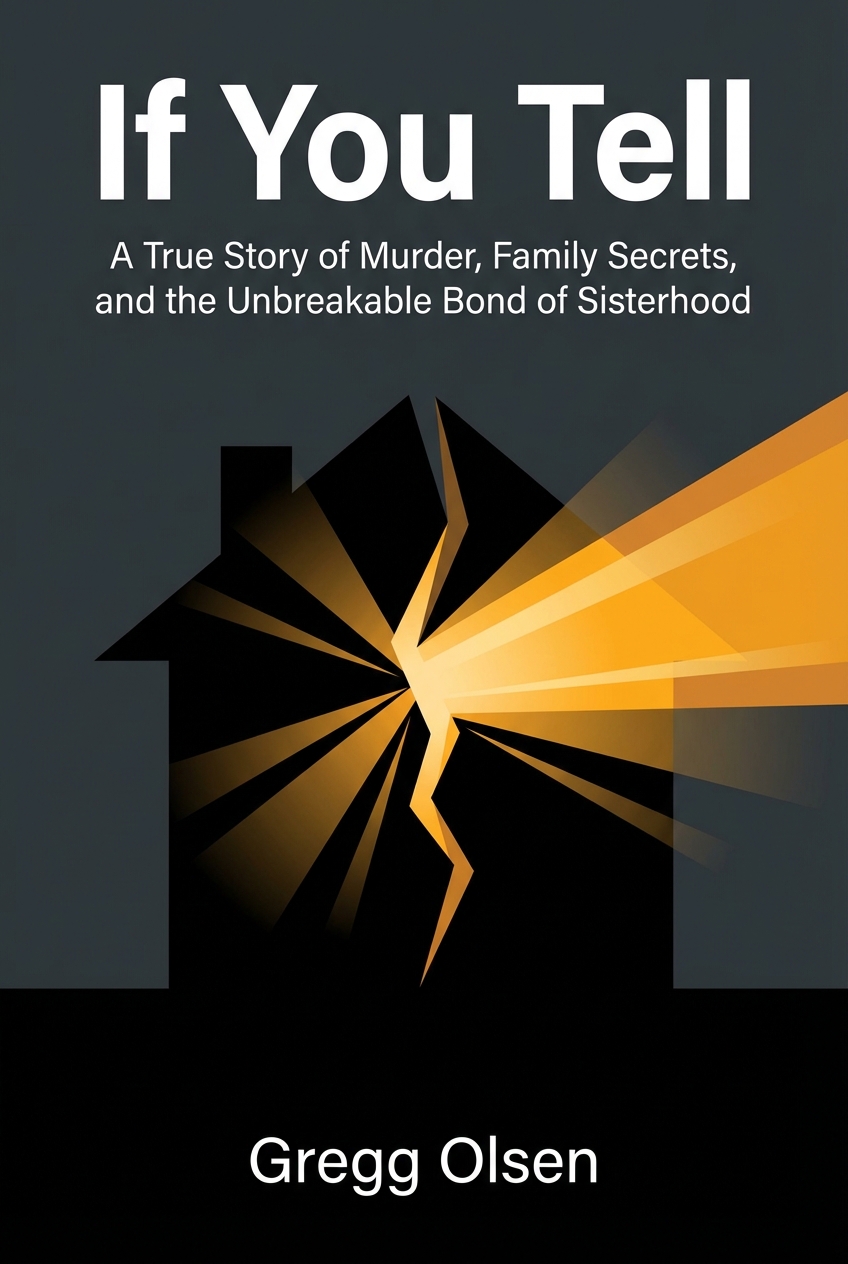
If You Tell
A True Story of Murder, Family Secrets, and the Unbreakable Bond of Sisterhood
What's it about
Have you ever wondered what truly goes on behind closed doors, even in the most ordinary-looking houses? This true story uncovers the terrifying secrets of a family held captive by a sadistic mother, revealing the unimaginable abuse three sisters endured in their own home. You'll learn about the psychological manipulation and extreme torture Shelly Knotek inflicted on her children and others, and how the sisters' unbreakable bond became their only hope for survival. Discover the chilling details of their decades-long nightmare and their courageous fight for freedom and justice.
Meet the author
Gregg Olsen is a 1 New York Times, Wall Street Journal, and USA Today bestselling author who has written over thirty books, many of which draw from his deep expertise in true crime. Growing up in a law enforcement family, Olsen was immersed in the world of criminal investigation from a young age, giving him a unique and empathetic perspective on the real-life stories of victims and survivors. This background fuels his passion for uncovering the truth and giving a voice to those silenced by unspeakable acts.
What's it about
Have you ever wondered what truly goes on behind closed doors, even in the most ordinary-looking houses? This true story uncovers the terrifying secrets of a family held captive by a sadistic mother, revealing the unimaginable abuse three sisters endured in their own home. You'll learn about the psychological manipulation and extreme torture Shelly Knotek inflicted on her children and others, and how the sisters' unbreakable bond became their only hope for survival. Discover the chilling details of their decades-long nightmare and their courageous fight for freedom and justice.
Meet the author
Gregg Olsen is a 1 New York Times, Wall Street Journal, and USA Today bestselling author who has written over thirty books, many of which draw from his deep expertise in true crime. Growing up in a law enforcement family, Olsen was immersed in the world of criminal investigation from a young age, giving him a unique and empathetic perspective on the real-life stories of victims and survivors. This background fuels his passion for uncovering the truth and giving a voice to those silenced by unspeakable acts.
The Script
You've reached the end of the free preview.