Can You Survive the Zombie Apocalypse?
What's it about
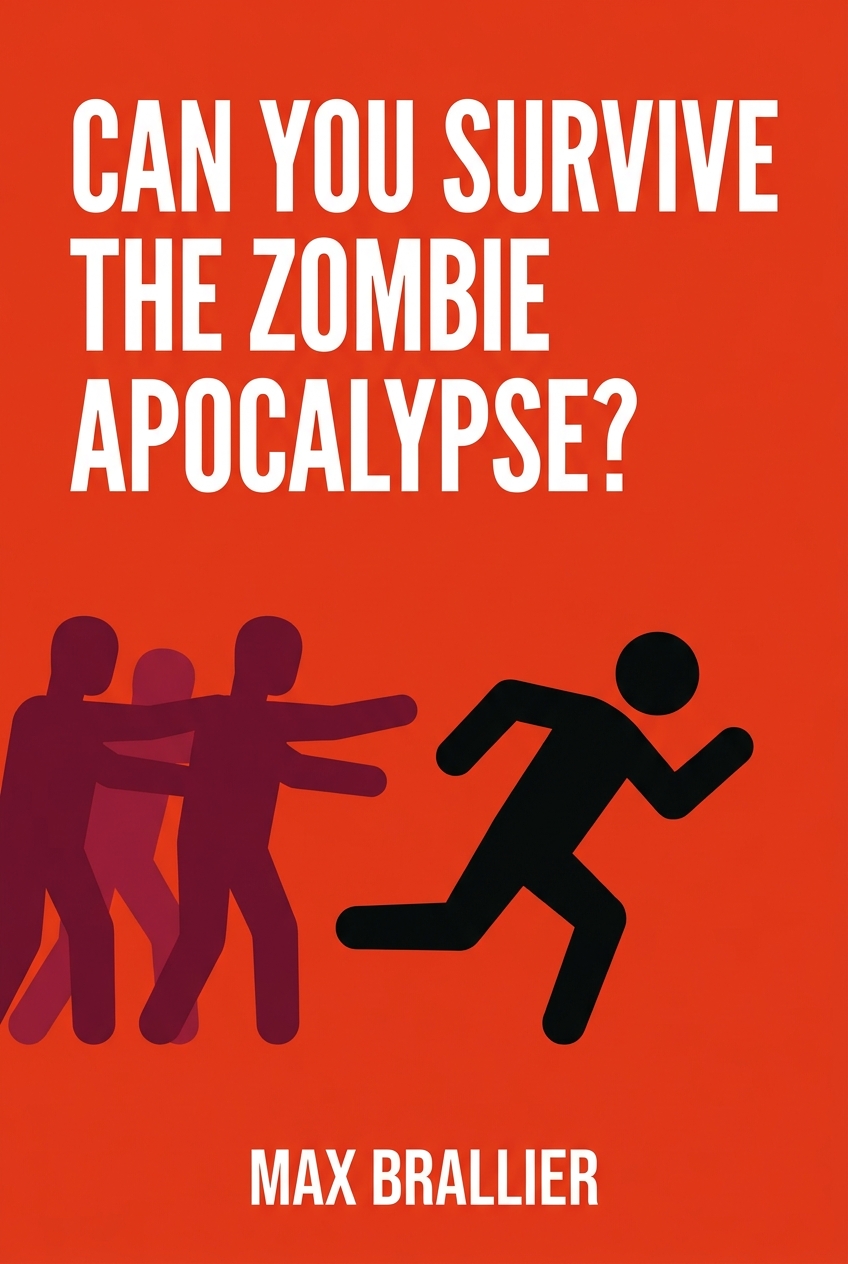
Could you outsmart a horde of the undead? This guide is your ultimate survival test, packed with scenarios that challenge your decision-making when it matters most. Discover if you have the wits and nerve to make it through the initial outbreak and beyond. Learn how to choose the right gear, find a defensible shelter, and navigate a world overrun by zombies. Each choice you make leads to a different outcome—survival or becoming zombie chow. Uncover the essential strategies for foraging, fighting, and ultimately finding a cure in a world where every decision could be your last.
Meet the author
Max Brallier is the New York Times bestselling author of more than thirty books for children and adults, most notably the acclaimed Last Kids on Earth series. His lifelong passion for monsters, pop culture, and survival scenarios inspired him to create interactive adventures that challenge readers to think their way out of danger. Brallier combines his expertise in crafting thrilling narratives with a deep understanding of what makes a story fun, empowering readers to become the heroes of their own apocalyptic tales.
What's it about
Could you outsmart a horde of the undead? This guide is your ultimate survival test, packed with scenarios that challenge your decision-making when it matters most. Discover if you have the wits and nerve to make it through the initial outbreak and beyond. Learn how to choose the right gear, find a defensible shelter, and navigate a world overrun by zombies. Each choice you make leads to a different outcome—survival or becoming zombie chow. Uncover the essential strategies for foraging, fighting, and ultimately finding a cure in a world where every decision could be your last.
Meet the author
Max Brallier is the New York Times bestselling author of more than thirty books for children and adults, most notably the acclaimed Last Kids on Earth series. His lifelong passion for monsters, pop culture, and survival scenarios inspired him to create interactive adventures that challenge readers to think their way out of danger. Brallier combines his expertise in crafting thrilling narratives with a deep understanding of what makes a story fun, empowering readers to become the heroes of their own apocalyptic tales.
The Script
You've reached the end of the free preview.