All BooksSelf-GrowthBusiness & CareerHealth & WellnessSociety & CultureMoney & FinanceRelationshipsScience & TechFiction
Download on the App Store

Confess

A Novel

16 minColleen Hoover

What's it about

What if the one person you're falling for is the only one you can never tell the truth? Dive into a story where a young woman, desperate to rebuild her life, stumbles into a mysterious art studio and an even more enigmatic artist who might hold the key to her future. You'll discover how anonymous confessions become the inspiration for breathtaking paintings, and how this strange connection pulls two lonely souls together. But as their love deepens, you'll learn that some secrets are too devastating to confess, threatening to destroy the very masterpiece they're creating together.

Meet the author

Colleen Hoover is the 1 New York Times bestselling author of over twenty novels and novellas, solidifying her status as a global phenomenon in contemporary romance and fiction. A former social worker, Hoover draws on her deep understanding of human emotion and complex relationships to create raw, heart-wrenching stories that resonate with millions. Her unique ability to blend angsty romance with gripping, often unconventional plots, as seen in Confess, stems from a passion for exploring the messy, beautiful truths of love and life.
Listen Now
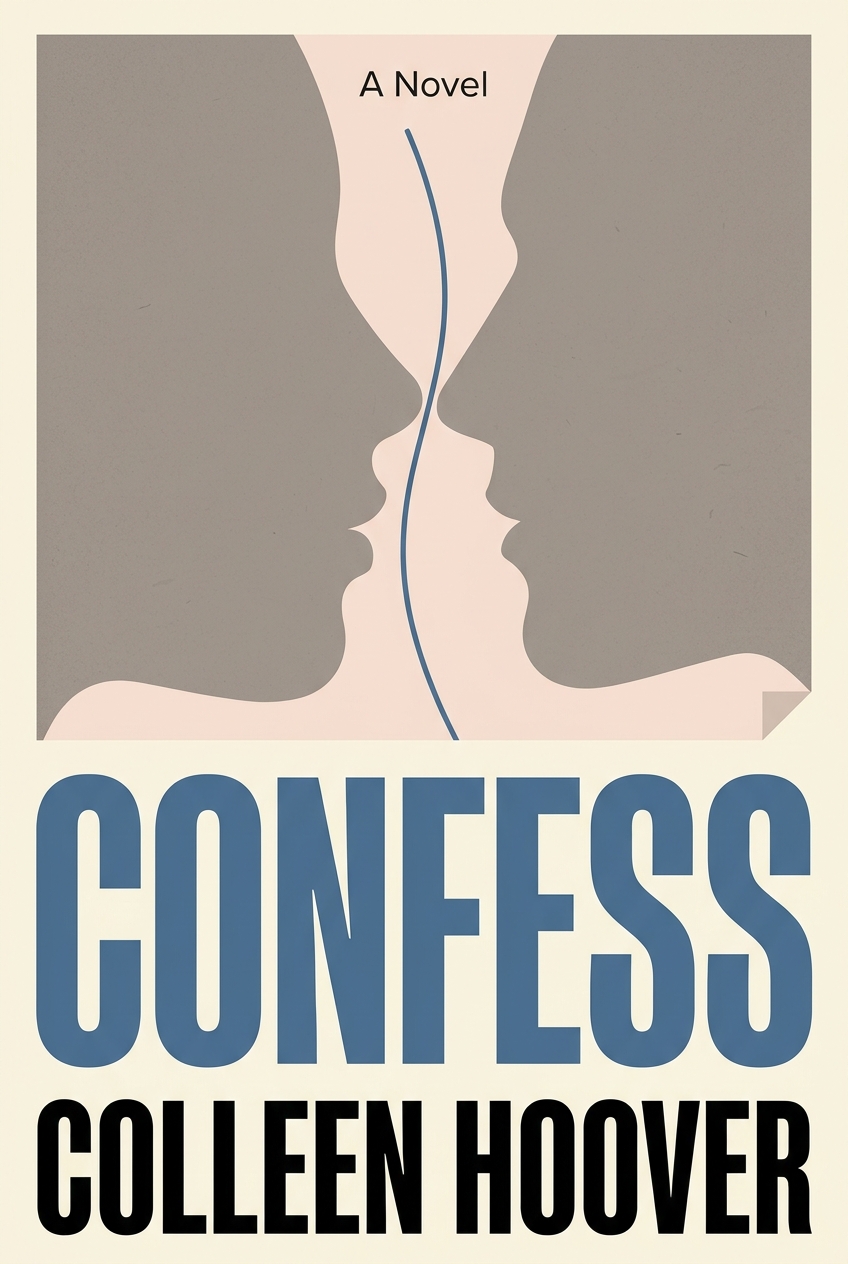
Confess book cover

The Script

At a certain point in every life, a secret takes root. It starts small, a single fact held back, a detail omitted from a story told over coffee. But it doesn’t stay small. It grows, sending out tendrils that wrap around other truths, twisting them. Soon, you’re not just guarding the original secret, but a whole ecosystem of careful omissions and half-truths. It becomes a silent, full-time job. You become the sole curator of a private museum where the most important exhibits are kept under lock and key, even from the people you love most. The weight of this curation is immense; it dictates where you go, who you talk to, and what you can allow yourself to feel. The most dangerous part is the isolation it builds around you, brick by silent brick, until you’re living in a fortress of your own making.

This profound tension between the secrets we keep and the love we crave is the territory Colleen Hoover explores in her novel, Confess. Known for her ability to weave emotionally charged narratives that resonate deeply with millions of readers, Hoover was inspired by a unique concept: what if art was born from anonymous confessions? She built the story around a fictional art studio where people drop their deepest secrets into a box, and an artist paints them, transforming hidden pain into public beauty. This setup allowed Hoover to explore how baring one's soul, even anonymously, can be the first step toward connection, and how the bravest act of all might be confessing to the person standing right in front of you.

Module 1: The Architecture of Secrets

The story opens with Auburn Reed, a young woman who has just moved to Dallas. She's broke, isolated, and desperate for a second job. She stumbles upon an art studio with a strange "Help Wanted" sign. Inside, she meets Owen Gentry, a mysterious and charismatic artist. His studio, named "Confess," is unlike any other. It’s filled with paintings, each one inspired by a secret. People anonymously slip their confessions through a slot in his door, and Owen transforms their hidden truths into art.

This setup introduces the first major idea. Art can transform isolating secrets into a source of universal connection. Auburn reads the confessions on display. They are raw and varied, covering everything from infidelity to deep-seated insecurities. One reads, "I'm afraid I'll never stop comparing my current life without him to the moments I had with him." This resonates deeply with Auburn, who is still grieving her first love, Adam, who died five years prior. Reading these secrets from strangers makes her feel a sense of "belonging." Her own heavy burdens feel a little lighter. She realizes she's not alone in her struggles. This is a powerful framework for any leader or team member. When we create spaces for vulnerability, even anonymous vulnerability, we build psychological safety. We allow people to see their private struggles reflected in others, which reduces shame and fosters a sense of community.

Building on that idea, the book shows that financial desperation often forces us to override our own risk assessments. Auburn is smart. She knows walking into a stranger's dimly lit studio is a bad idea. She's immediately suspicious of the high pay Owen offers. But she needs the money. Badly. She has legal fees she can't afford, and her need for cash is so acute that it silences her internal alarm bells. This is a critical reminder for anyone in a position of power. When someone on your team seems desperate or is in a precarious situation, they are more vulnerable. They might agree to projects or conditions they otherwise wouldn't. It's a leader's responsibility to recognize that pressure and ensure they are not creating an environment where someone's desperation is exploited, even unintentionally.

Finally, Owen's artistic process itself is a lesson. He thrives on the anonymity of the confessions. He explains that knowing the person behind the secret can "invalidate" the art for him. It tethers the universal emotion to a specific individual, shrinking its power. This leads to a fascinating business insight. Anonymity can be a feature for creating authentic engagement. Auburn points out that people might be too embarrassed to buy a painting inspired by a dark secret, fearing the artist will think it's their confession. They solve this by creating an anonymous purchasing system. This small change makes it safe for people to connect with the art that speaks to them. It’s a brilliant lesson in product design and user experience. Sometimes, the key to deeper engagement is to remove the friction of social judgment. Give people a safe way to interact with difficult or personal content, and you’ll unlock a more honest connection.

Read More