All BooksSelf-GrowthBusiness & CareerHealth & WellnessSociety & CultureMoney & FinanceRelationshipsScience & TechFiction
Download on the App Store

Punk 57

16 minPenelope Douglas

What's it about

What happens when your perfect pen pal turns out to be your worst nightmare? For years, Misha and Ryen have exchanged letters, sharing their deepest secrets and dreams. But they made one rule: never meet, never talk, never look each other up. Now, that rule is broken. Discover a story of mistaken identity, high school hierarchies, and forbidden attraction. You'll explore how a bond built on paper can crumble and transform when faced with reality. Uncover the secrets Misha is hiding and why he’s suddenly determined to make Ryen’s life a living hell.

Meet the author

Penelope Douglas is a New York Times, USA Today, and Wall Street Journal bestselling author renowned for her gripping, taboo-breaking new adult and contemporary romance novels. A former teacher with a Master of Science in Education, she draws on her deep understanding of adolescent dynamics to craft intense, emotionally charged stories that explore the darker side of love and friendship. Her background allows her to create authentic, high-stakes narratives like Punk 57, capturing the turbulent journey from teenage angst to adulthood.
Listen Now
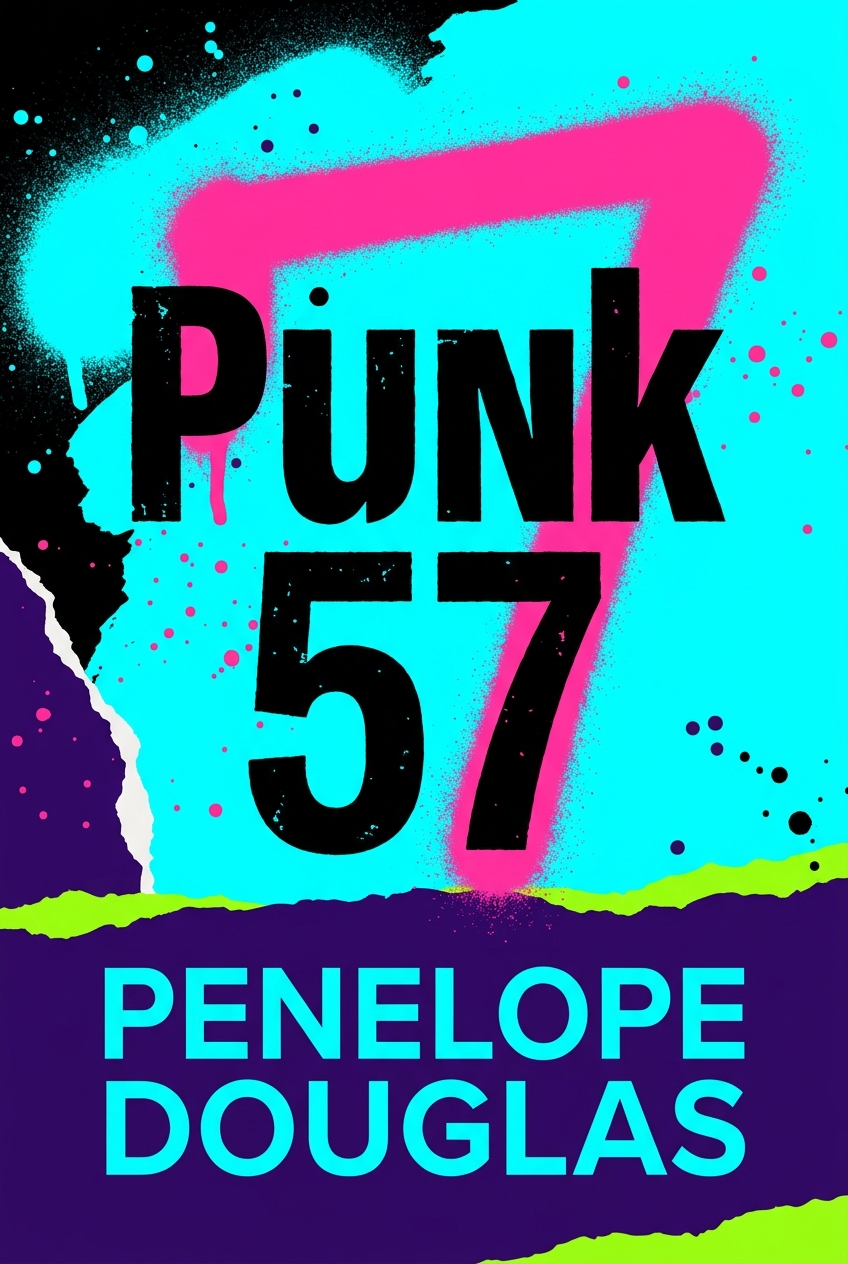
Punk 57 book cover

The Script

Think about the letters you wrote as a kid. Maybe it was a pen pal project for school, a note to Santa, or a messy crayon drawing mailed to a grandparent. You’d fold it up, seal the envelope, and send a piece of yourself out into the world, addressed to someone you thought you knew. But what if the person on the other end wasn't who you pictured? What if, over years of shared secrets and inside jokes exchanged through ink and paper, you built a perfect image of someone who didn't actually exist? The silence between letters gives imagination room to create an ideal friend, a perfect confidant. But reality is rarely so neat. When the paper person finally steps out from behind the letters and into your life, the collision can be jarring. The real version is complicated, flawed, and maybe even someone you’re supposed to hate. This is the moment the fantasy shatters, leaving you to wonder which version was more real: the one you created in your head, or the disappointing, infuriating person standing right in front of you.

This exact collision between ideal and reality is what fascinated author Penelope Douglas. She became known for writing intense, boundary-pushing contemporary romances that explore the darker, more complicated sides of love and attraction. Douglas was drawn to the idea of what happens when a deep, anonymous connection is forced to confront the messy, often cruel, dynamics of high school social hierarchies. She wanted to explore how two people who were perfect for each other on paper could become sworn enemies in person, creating a story where the very things that bonded them in private become the weapons they use against each other in public. This tension between the cherished pen pal and the despised classmate became the explosive core of her novel, Punk 57.

Module 1: The Paradox of Anonymous Intimacy

The story begins with a fascinating premise. Two people, Misha and Ryen, have been pen pals for seven years. They were paired in a fifth-grade project. They've shared their deepest secrets through letters. But they've never met. They've never spoken. They don't even know what the other looks like. This setup introduces a powerful concept about modern connection.

The first core idea is that anonymity can foster a unique and powerful form of intimacy. Misha views his letters with Ryen as something sacred. He actively avoids finding her on social media. He fears that putting a face and a voice to the name would ruin the perfection of their connection. For him, Ryen is a muse. She's a pure, unadulterated source of inspiration for his music. She exists in an idealized space, separate from the messy realities of daily life. Ryen feels the same way. She keeps Misha a secret from everyone. In her mind, he is perfect. He is her non-judgmental confidant in a world full of pressure. Meeting him, she fears, would shatter the perfect world they've built together. This highlights a deep human desire for a connection free from the baggage of physical presence and social expectation.

This brings us to the inherent fragility of such a bond. Idealized connections are vulnerable to the collision with reality. The entire premise rests on a delicate balance of distance and disclosure. Misha accidentally discovers Ryen in real life. He doesn't realize it's her at first. He's at a party and has a brief, magnetic encounter with a girl. He's captivated. Later, he sees her Facebook profile and realizes this captivating girl is also his pen pal, Ryen. But the real shock comes when he observes her at school. The thoughtful, slightly nerdy girl from the letters is a popular, cruel cheerleader in reality. The person she complained about in her letters was actually herself. This collision is jarring. It shatters Misha's idealized image of her. The "special" connection he treasured is now contaminated by a harsh, disappointing truth.

And here's the thing. This is a mirror for our own digital lives. We build relationships through text, DMs, and profiles. We often present curated versions of ourselves. We connect with the curated versions of others. The author suggests that these connections, while valuable, carry an inherent risk. The moment they cross into the physical world, the idealized image can shatter. The challenge, then, is to integrate the idealized self with the real self. This is a journey both characters must undertake.

Read More