All BooksSelf-GrowthBusiness & CareerHealth & WellnessSociety & CultureMoney & FinanceRelationshipsScience & TechFiction
Download on the App Store

Fallen Angels

13 minGunnar Staalesen

What's it about

Have you ever wondered if an old friendship could survive the darkest secrets? Imagine reconnecting with a childhood friend, only to find yourselves on opposite sides of the law, haunted by a shared, tragic past that refuses to stay buried. This summary of Fallen Angels plunges you into a gripping Nordic noir mystery. You'll follow private investigator Varg Veum as he navigates a complex web of loyalty, betrayal, and murder in 1980s Bergen. Discover how a seemingly innocent reunion unravels a cold case, forcing Veum to confront the ghosts of his youth and the harsh reality that some bonds are destined to be broken.

Meet the author

Often called the godfather of Nordic Noir, Gunnar Staalesen is one of Norway's most celebrated crime writers, having won the prestigious Riverton Prize for best Norwegian crime novel twice. Drawing from his own upbringing in Bergen, Staalesen infuses his Varg Veum series with authentic local atmosphere and deep psychological insight. In Fallen Angels, he explores the dark undercurrents of friendship and memory, reflecting on a post-war generation navigating a rapidly changing world, a theme deeply rooted in his personal history.
Listen Now
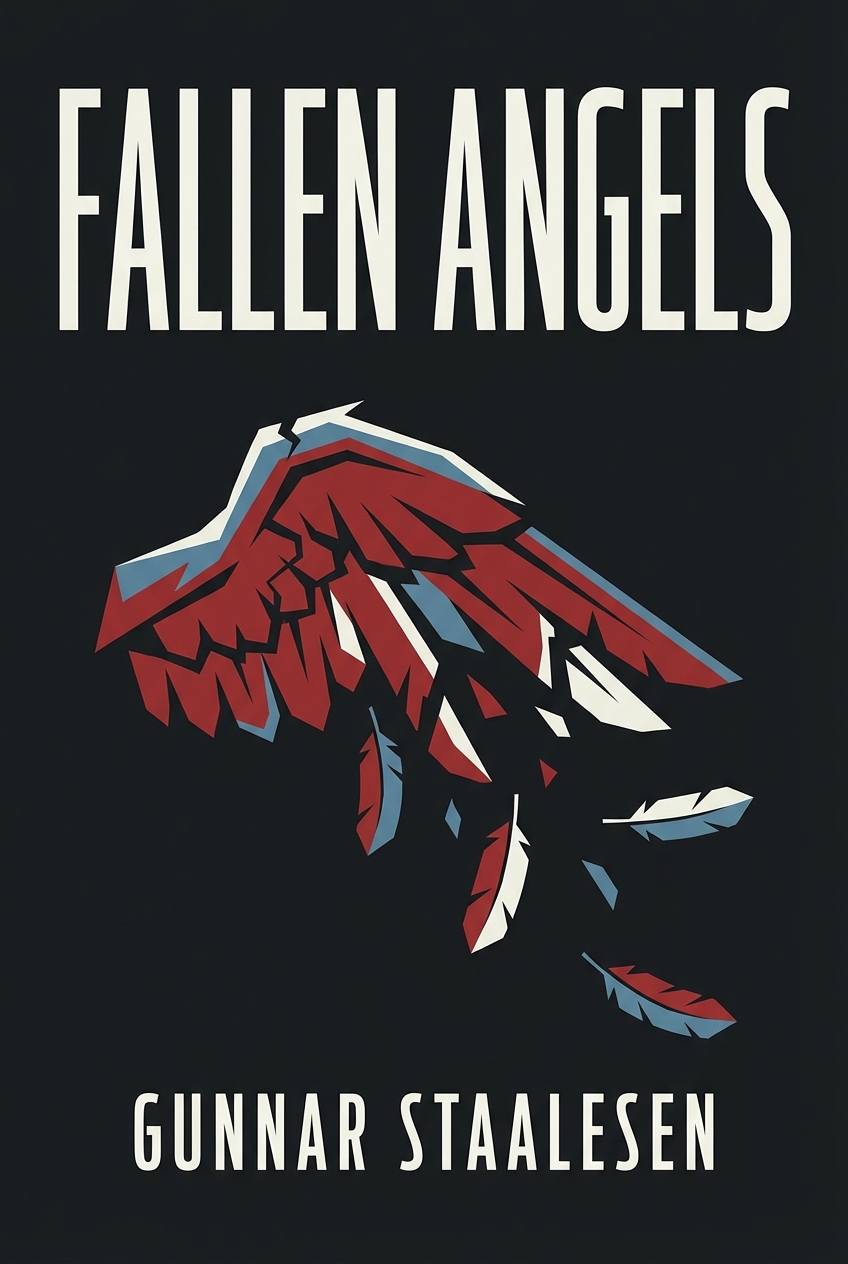
Fallen Angels book cover

The Script

Two boys stand on the edge of a fjord, their hands clutching identical fishing lines. It’s 1950s Bergen, and for a moment, the world is perfect—the water is still, the friendship is absolute. But then one boy lets go of his line. He doesn't drop it; he releases it, a deliberate act of letting a sure thing drift away into the dark water. The other boy, confused and a little hurt, holds on tighter, as if he can catch enough for both of them. This single, quiet moment is the first hairline crack in a bond that was supposed to last a lifetime. Decades later, that crack will have widened into a chasm, filled with betrayal, regret, and the ghosts of who they were supposed to become. What happens when the person who knows all your childhood secrets becomes a stranger, or worse, an adversary?

That question of broken bonds and the long shadow of the past is central to the work of Gunnar Staalesen. As the creator of the iconic Norwegian private investigator Varg Veum, Staalesen has spent his career exploring how the idealism of youth curdles into the compromises and darkness of adult life. He sets his stories in his own hometown of Bergen, a city of rain and history, using its narrow streets and shadowed alleyways as a physical manifestation of his characters' tangled pasts. In "Fallen Angels," he draws directly from this well of shared history, crafting a story about two childhood friends who find themselves on opposite sides of a murder investigation. Staalesen writes about the slow, quiet crimes we commit against ourselves and each other over a lifetime, and the moment it all comes due.

Module 1: The Haunting Power of the Past

The entire narrative is built on one core premise: the past is never truly past. It’s an active character in the story, constantly influencing the present. The protagonist, private investigator Varg Veum, is pulled into a case that begins at a former classmate's funeral. This single event acts as a time machine, throwing him back into his own adolescence.

From this foundation, Staalesen shows how personal histories are often shrouded in misunderstanding. Varg is shocked to learn his old friend Jakob, a former rock guitarist, is now a church organist. Jakob is equally surprised that Varg became a private investigator. They realize how little they truly know about the paths each other's lives have taken. This gap between memory and reality is a recurring theme. The friends you thought you knew have evolved into strangers, shaped by decades of experiences you never witnessed.

This brings us to a darker side of memory. The book relentlessly argues that nostalgia is always tinged with loss and the passage of time. Varg and his friends reminisce about their carefree childhood in post-war Bergen. They recall tobogganing on quiet streets and playing games in the alleyways. But these warm memories are immediately contrasted with the melancholy reality of their present. The streets are now choked with traffic. Their youthful bodies have aged. They feel like relics in a world that has moved on. The past is a painful reminder of what has been lost forever.

And here’s the thing, this is about more than just wistful memories. The novel suggests that unresolved trauma from the past is a destructive, living force. A single, violent event from 1975 involving a group of friends becomes the dark heart of the story. This secret trauma caused a band to break up. It destroyed a marriage. It led to decades of silence and estrangement. The characters who refuse to speak about this event are the ones most haunted by it. The book makes it clear: what you don't confront will eventually consume you.

Read More