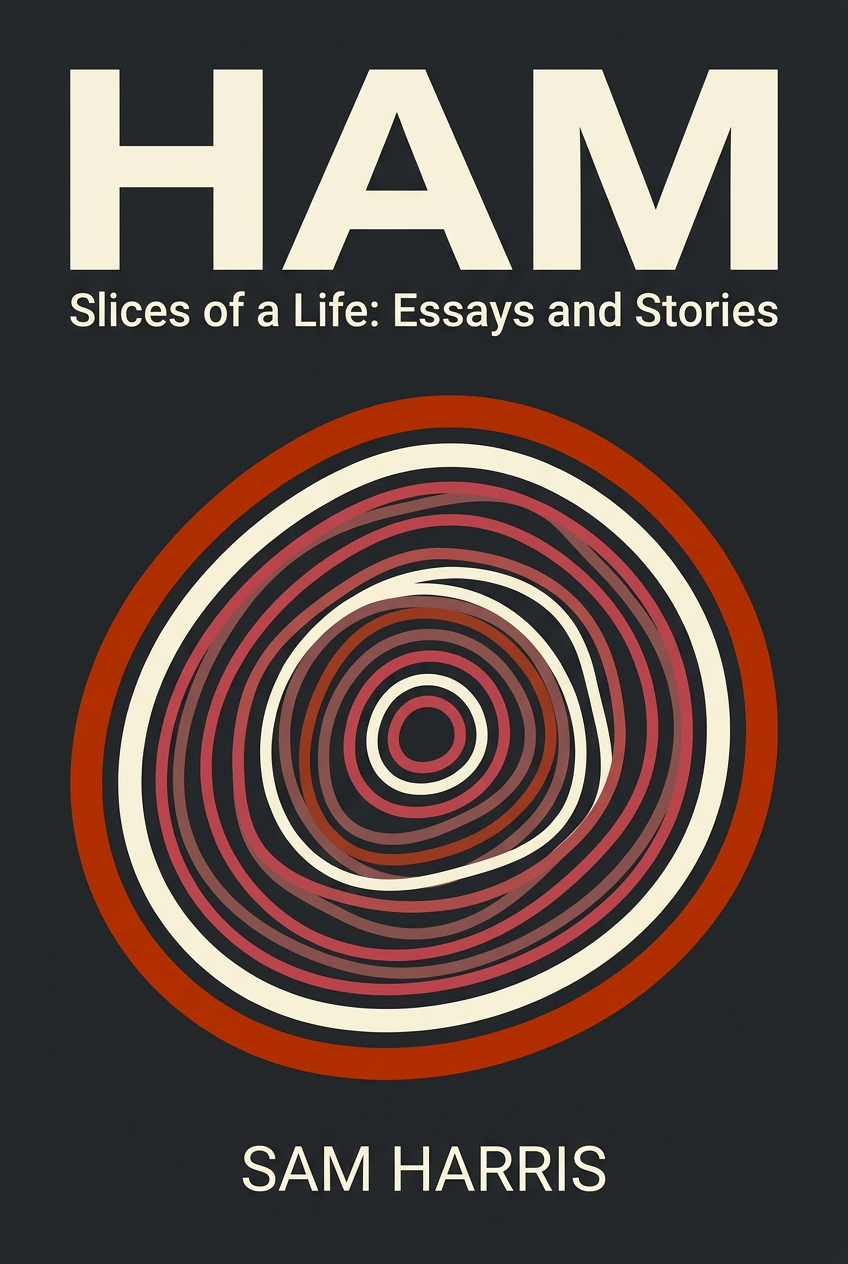
Ham
Slices of a Life: Essays and Stories
What's it about
Ever felt like your life is a series of unrelated, chaotic events? What if you could find the humor, meaning, and profound lessons hidden within your own messy story? This collection of essays shows you how to turn everyday moments into sources of unexpected wisdom and self-discovery. Discover how a childhood spent in a small Southern town, a disastrous stint in beauty pageants, and the ups and downs of family life can shape a powerful and hilarious personal narrative. You'll learn how to embrace your own unique experiences, find your voice, and see your life not as a mess, but as a rich tapestry of unforgettable stories.
Meet the author
Sam Harris is a Pulitzer Prize-winning journalist whose four-decade career at The New York Times captured the subtle, defining moments of the American experience. His celebrated columns, known for their wit and profound empathy, provided the foundation for this collection. Harris distills a lifetime of observing the human condition into poignant essays and stories, revealing the extraordinary within the ordinary and the universal truths found in the everyday lives he so masterfully chronicled for millions of readers.
What's it about
Ever felt like your life is a series of unrelated, chaotic events? What if you could find the humor, meaning, and profound lessons hidden within your own messy story? This collection of essays shows you how to turn everyday moments into sources of unexpected wisdom and self-discovery. Discover how a childhood spent in a small Southern town, a disastrous stint in beauty pageants, and the ups and downs of family life can shape a powerful and hilarious personal narrative. You'll learn how to embrace your own unique experiences, find your voice, and see your life not as a mess, but as a rich tapestry of unforgettable stories.
Meet the author
Sam Harris is a Pulitzer Prize-winning journalist whose four-decade career at The New York Times captured the subtle, defining moments of the American experience. His celebrated columns, known for their wit and profound empathy, provided the foundation for this collection. Harris distills a lifetime of observing the human condition into poignant essays and stories, revealing the extraordinary within the ordinary and the universal truths found in the everyday lives he so masterfully chronicled for millions of readers.
The Script
You've reached the end of the free preview.