All Books
Self-Growth
Business & Career
Health & Wellness
Society & Culture
Money & Finance
Relationships
Science & Tech
Fiction
Topics
Blog
Download on the App Store

Home Before Dark

13 minRiley Sager

What's it about

Would you move back into a house your family fled in terror twenty-five years ago? When Maggie Holt's father dies, she inherits Baneberry Hall, the infamous estate at the center of his bestselling horror novel—a book she's always believed was a complete lie. Now, Maggie is determined to renovate and sell the house, proving her father's spooky stories were just fiction. But as she uncovers her family's dark secrets, she realizes the chilling events from the book might not be a hoax. The house remembers, and it wants her to know the truth.

Meet the author

Riley Sager is the New York Times bestselling author of seven psychological thrillers, whose work has sold more than two million copies and been translated into 30 languages. A former journalist, editor, and graphic designer, Sager now writes full-time, drawing on his lifelong love of suspense and horror films. This background fuels his unique ability to craft cinematic, high-concept plots that keep readers on the edge of their seats, just as he was by the movies that inspired him.
Listen Now
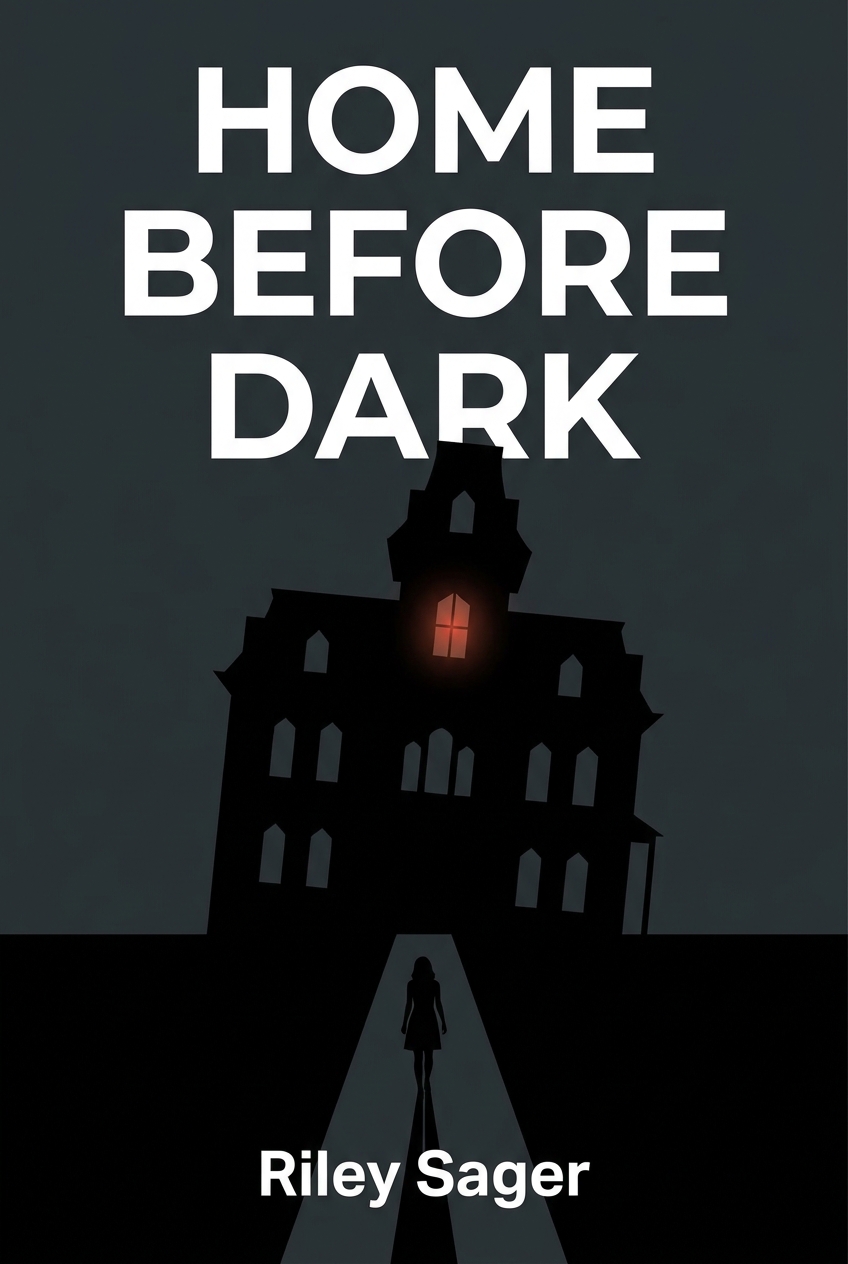
Home Before Dark book cover

The Script

Think of the story of your childhood. It’s a narrative assembled over years, polished by family gatherings, and curated by your parents. It’s the story of your first words, your scraped knees, the funny thing you said at dinner when you were five. But what if that official story, the one everyone knows and loves, is a complete fabrication? What if your entire childhood is a famous ghost story, a bestseller filled with malevolent spirits and a terrifying midnight escape, yet you remember none of it? All you have is a vague, unsettling feeling that the version of your life the world has consumed is a lie, and the truth is something you’ve been running from ever since.

This is the dilemma Maggie Holt faces. She is the little girl from House of Horrors, a supposed true story of her family’s 20-day nightmare in a haunted Vermont mansion, written by her father. But Maggie believes the book is a work of fiction. After her father dies, she inherits the very house she supposedly fled in terror. Forced to return to Baneberry Hall to prepare it for sale, she is determined to renovate and sell the property, and in doing so, dismantle the public myth that has defined her life. But as she settles into the long-abandoned house, the events of her father’s book begin to happen all over again, forcing Maggie to confront the possibility that the story she dismissed as a lie might be terrifyingly real.

This chilling premise comes from the mind of Riley Sager, a master of the modern thriller. Sager, a former journalist and editor, has a unique talent for taking familiar horror tropes—like the haunted house or the final girl—and twisting them into fresh, suspenseful, and psychologically complex narratives. He was fascinated by the real-life cultural phenomenon of The Amityville Horror, another famous haunted house story whose authenticity has been debated for decades. Sager wondered what it would be like to be one of the children from that story, to grow up in the shadow of a terrifying public narrative you don’t believe, and to be forced to return to the source of the legend. This question became the central mystery of Home Before Dark, a story that explores whether the most terrifying ghosts are the ones that haunt a house, or the ones we carry inside us.

Module 1: The Weight of a Public Lie

We begin with Maggie Holt. She is a successful home renovator. But her life is overshadowed by a single event from her childhood. Twenty-five years ago, her family fled a Vermont estate called Baneberry Hall. They stayed for only twenty days. Her father, Ewan Holt, wrote a bestselling book about it. He called it "House of Horrors." The book claimed they were driven out by vengeful spirits. It made the Holts famous. It also made Maggie a permanent curiosity.

This leads us to our first core insight. A public narrative, true or not, can trap you in a story that isn't yours. Maggie despises the book. She tells everyone it's a lie. She has no memory of the haunting. She believes in science, not ghosts. Yet, the world sees her as the little girl from a horror story. Strangers recognize her. They ask invasive questions. Paranormal podcasts want interviews. She has spent her life building defenses against a story she never chose.

Here's where it gets interesting. Maggie’s father dies. He leaves her a surprise inheritance. It’s Baneberry Hall itself. Her parents told the world they sold the house and never looked back. But that was another lie. Her father owned it all along. This revelation forces Maggie to confront her past directly. She now owns the source of her family's fame and her personal trauma.

So what does this mean for us? It means you must actively reclaim your own story, even if it means confronting painful truths. Maggie decides to go back. She plans to renovate Baneberry Hall. She wants to sell it and erase its haunted legacy. But her real mission is to find out why her parents truly fled. Her father’s last words were a cryptic warning. "It's not safe there. Not for you." Maggie, a rationalist, dismisses the warning. She believes the only danger is in the secrets the house holds. She packs her bags and heads to Vermont, armed with blueprints and a deep need for answers. Her journey is a powerful reminder that sometimes, the only way forward is to go back to where the story began.

Read More