If I Stay
What's it about
What would you do if you had to choose between life and death? After a catastrophic car accident, 17-year-old Mia Hall faces this impossible decision. Lying in a coma, she watches as an out-of-body spectator while friends and family gather at her hospital bedside. For Mia, the choice isn't simple. She must weigh her past against an uncertain future, deciding whether to wake up to a life irrevocably changed or to let go and follow her family into whatever comes next. This is the ultimate story of love, loss, and one impossible choice.
Meet the author
Gayle Forman is the award-winning, number-one New York Times bestselling author of the young adult novel If I Stay, which was adapted into a major motion picture. A former journalist, her work took her around the world, giving her a deep understanding of the complex lives and powerful emotions of young people. This background in reporting on real-world issues informs the profound empathy and authenticity that have made her stories resonate with millions of readers globally.
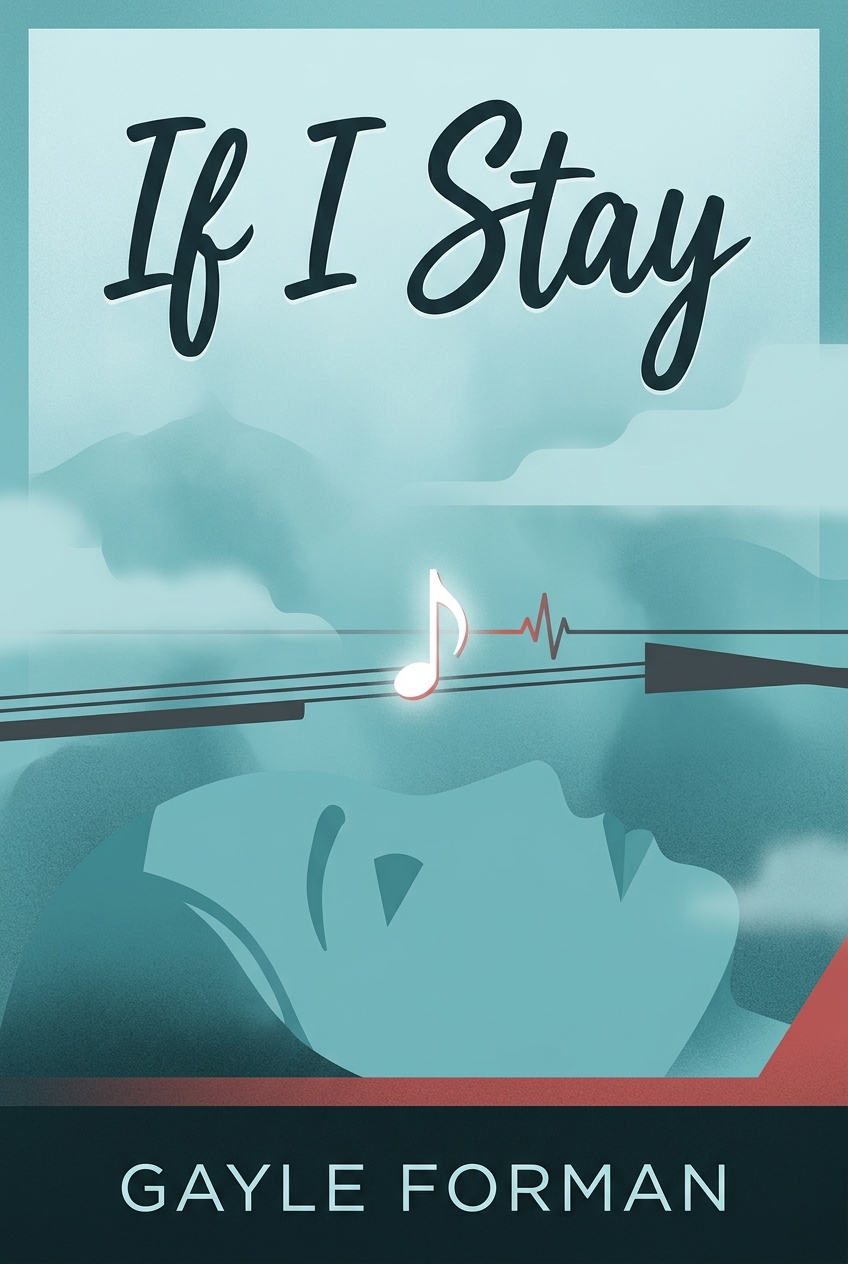
The Script
In the silent space between one heartbeat and the next, a life can pivot forever. One moment, you’re sitting in the back of a car, listening to the familiar rhythm of your family’s banter, mapping out the small, certain moments of the day ahead. The next, you are somehow outside of it all, an observer to a scene of chaos and flashing lights, watching your own body being lifted onto a stretcher. The physical world continues—sirens wail, medics shout, the cold air bites—but you are caught in a strange, quiet limbo. You are both there and not there, a ghost tethered to the wreckage of your own life, faced with a choice that feels impossible: fight to return to a world shattered beyond recognition, or let go and follow the people you love into the quiet beyond.
This is the devastating question at the heart of the story. It’s a question that forces a soul to weigh the entirety of its past against a future that has become a terrifying blank. The person who so vividly captured this harrowing, in-between state is Gayle Forman. A former journalist for publications like Seventeen and Cosmopolitan, Forman had a gift for tapping into the intense emotional lives of young people. The idea for this novel came to her after a real-life tragedy involving a family she knew. Haunted by the thought of what the one surviving child must have gone through, she began to explore the profound, surreal experience of being present but unseen, and the ultimate decision to stay or to go when everything you’ve ever known has been taken from you.
Module 1: The Brutal Fragility of Normalcy
Life feels stable. We build routines. We make plans. We believe tomorrow will look a lot like today. But this stability is an illusion. The book's opening moments drive this point home with devastating clarity.
It starts with a snow day. A cozy family breakfast. A spontaneous road trip. Everything is ordinary. Everything is safe. Until it isn't. A catastrophic car accident shatters this normalcy in a single, violent instant. Mia's world is irrevocably broken. This introduces a chilling first insight. Your entire reality can be dismantled in a moment.
The narrative doesn't shy away from the brutal details. One minute, Mia is in the car with her family. The next, she is standing on the side of the road, looking at the wreckage. She sees her own body, mangled and unconscious. She sees her parents, already gone. The radio is still playing a Beethoven cello sonata, an eerie soundtrack to the carnage. This stark contrast between the mundane and the horrific forces a critical realization. We operate with a false sense of security. Acknowledging life's fragility is about appreciating the present with a deeper sense of gravity.
This leads to the central conflict of the story. Mia exists in an out-of-body state. She is a ghost-like observer of her own tragedy. She follows her broken body to the hospital. She watches the doctors work frantically. She sees her friends and family gather, their faces etched with grief. And she hears a nurse whisper a critical piece of information. She says that sometimes, the patients are the ones in control. They decide whether to live or die.
And here's the thing. This reframes survival entirely. The will to live is a conscious, agonizing choice. This is an active decision. Mia must weigh the unbearable pain of a future without her family against the love that still remains. Her grandfather, overcome with grief, gives her the most heartbreaking gift. He tells her it's okay if she wants to let go. He gives her permission to die. This act of selfless love underscores the weight of her choice. It’s about what she can endure.
Let's transition to how identity plays into this choice.