All BooksSelf-GrowthBusiness & CareerHealth & WellnessSociety & CultureMoney & FinanceRelationshipsScience & TechFiction
Download on the App Store

We Were Liars

14 minE. Lockhart

What's it about

Ever wondered what dark secrets a picture-perfect family might be hiding? Uncover the shocking truth behind the Sinclair family's glamorous summers on their private island. This is a story of first love, a terrible accident, and a web of lies you won't see coming. You'll join Cadence as she pieces together her fractured memories of one fateful summer. Discover the intense bond she shares with the other "Liars"—her cousins Johnny and Mirren, and the outsider Gat. As the layers of deception unravel, you'll learn why the family refuses to speak of the past and what devastating secret they are all desperate to protect.

Meet the author

E. Lockhart is a Printz honoree, a National Book Award finalist, and a two-time recipient of the Cybils Award for Young Adult Fiction. Her work often explores the intricate deceptions within families and friendships, drawing from a lifelong fascination with dramatic plot twists and unreliable narrators. This passion for crafting complex psychological puzzles and exploring the secrets people keep, even from themselves, is the driving force behind the unforgettable mystery at the heart of We Were Liars.
Listen Now
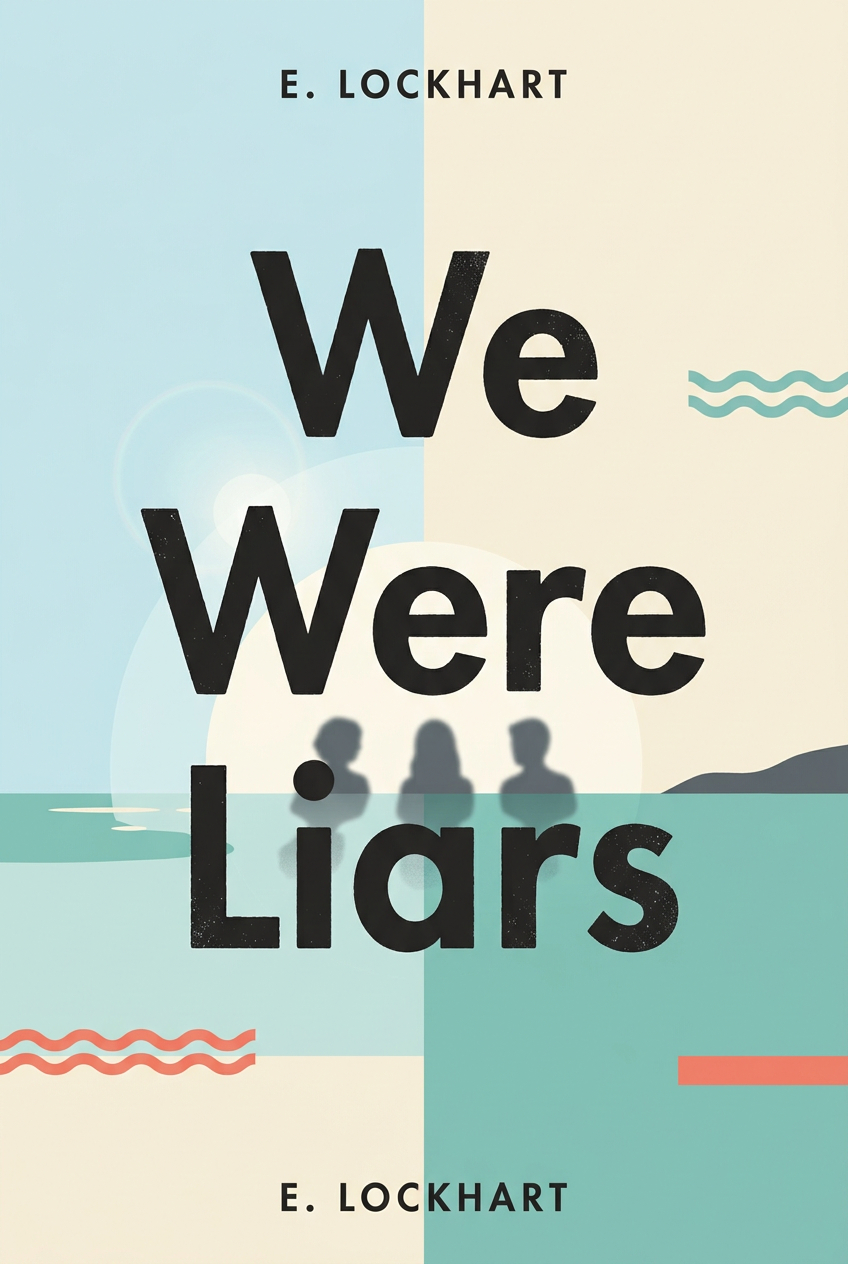
We Were Liars book cover

The Script

Every family has its inside jokes, its private language. But some families build entire fortresses out of unspoken rules. They construct a perfect, gleaming facade of blond hair, old money, and casual ease, where everything is fine, always. Within these walls, certain topics are simply off-limits. You don't ask about the divorce. You don't mention the addiction. You certainly don't question the family's flawless public image. To do so is to crack the very foundation. And when a crack does appear—when a tragedy is too big to ignore—the family doesn't repair it. They paper over it, pretending the gaping hole isn't there, forcing everyone to walk around it in silence. This is the world of the Sinclair family: beautiful, broken, and held together by the most fragile of agreements—to never, ever speak the truth.

But what happens when one of them can no longer remember the lie? What if amnesia becomes the one thing that could shatter the entire illusion? This is the puzzle that drove author E. Lockhart to write "We Were Liars." Lockhart, a National Book Award finalist and Printz honoree known for her sharp, inventive young adult novels, was fascinated by the architecture of family denial. She wanted to explore the psychological cost of maintaining a perfect image, especially in the wake of an unspeakable event. Drawing inspiration from the dramatic structures of classic fairytales and the amnesiac protagonists of old films, she crafted a story about the destructive power of the silence that surrounds a secret. The result is a haunting, atmospheric mystery that forces us to question what is more damaging: the lie itself, or the desperate, collective effort to uphold it.

Module 1: The Architecture of Deception

The Sinclair family operates within a carefully constructed reality. It's a world where appearances are everything. This performance of perfection is the family’s primary survival mechanism. But beneath the surface of white cotton dresses and old-money lilacs, the foundation is cracking.

The first rule of this world is that family narratives are meticulously shaped to uphold an ideal of perfection. It’s about engineering a reality. We see this when Carrie's parents decide she needs elective jaw surgery. They don't frame it as cosmetic. Instead, they call it a medical necessity. They want her to look "strong on the outside because she's strong on the inside." The message is clear. Her natural face is a flaw. It doesn't fit the Sinclair brand. Carrie internalizes this critique. She starts to feel her own face is a "fluke of biological destiny." The family story becomes her self-perception.

Building on that idea, emotional expression is actively suppressed in favor of a stoic facade. The family motto might as well be "never complain, never explain." After Carrie’s youngest sister, Rosemary, tragically drowns, the family’s response is silence. The parents send the remaining sisters to boarding school. They tell them to keep a "stiff upper lip." On what would have been Rosemary’s eleventh birthday, Carrie is visibly upset. Her sisters tell her to stop being sad and watch cotton candy being made. The message is brutal. Your grief is an inconvenience. Hide it. This enforced silence doesn’t heal the wound. It just ensures it becomes infected.

And here’s the thing: this performance is enabled by the family's extreme privilege and isolation. The Sinclairs own a private island. Beechwood is their kingdom. It has its own rituals, its own geography, and its own rules. They have Lemon Hunts and Midsummer Ice Cream parties. These traditions create a powerful sense of belonging. But they also create a bubble. Outsiders are a disruption. When an aunt brings three boys to the island unannounced, it causes a crisis. The family’s carefully curated world is a fortress. Its primary purpose is to keep the messiness of real life out. But as we see, the real threat is already inside.

Read More