In the Time of the Butterflies
What's it about
What if standing up for what's right could cost you everything? Discover the story of four sisters who dared to defy a brutal dictator, becoming symbols of courage and resistance for an entire nation. Their fight for freedom will inspire you to find your own voice. Based on the true story of the Mirabal sisters in the Dominican Republic, this summary unpacks their journey from ordinary young women to legendary revolutionaries known as "Las Mariposas" The Butterflies. You'll learn how they navigated family, love, and politics under Rafael Trujillo's oppressive regime, and why their legacy of defiance continues to resonate today.
Meet the author
Julia Alvarez is an acclaimed Dominican-American poet, novelist, and essayist whose work gives voice to the bicultural experience and champions stories of historical resistance. Born in New York but raised in the Dominican Republic until her family fled the Trujillo dictatorship, Alvarez's personal history directly informs her masterpiece, In the Time of the Butterflies. This profound connection to the Mirabal sisters' story allows her to blend historical fact with intimate, humanizing fiction, honoring their legacy with unparalleled authenticity and passion.
What's it about
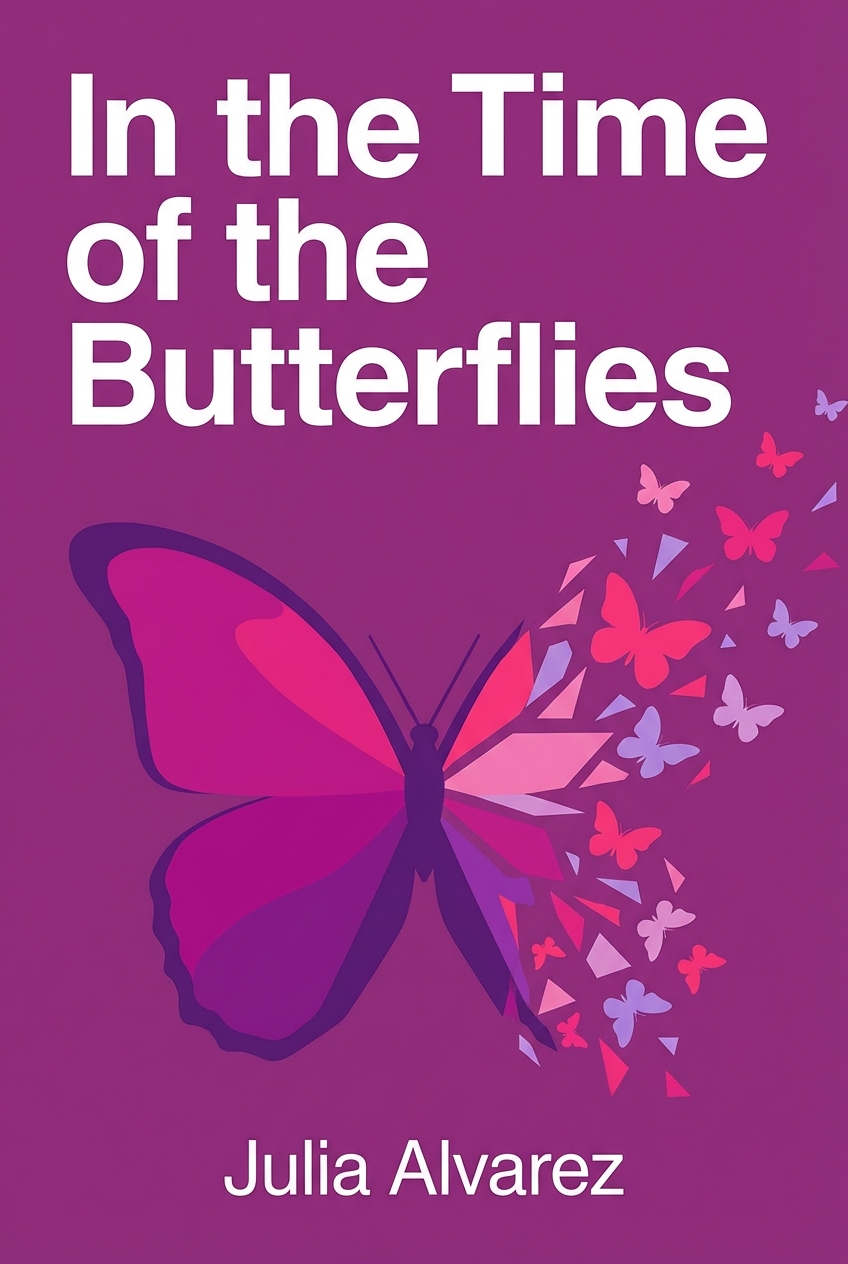
What if standing up for what's right could cost you everything? Discover the story of four sisters who dared to defy a brutal dictator, becoming symbols of courage and resistance for an entire nation. Their fight for freedom will inspire you to find your own voice. Based on the true story of the Mirabal sisters in the Dominican Republic, this summary unpacks their journey from ordinary young women to legendary revolutionaries known as "Las Mariposas" The Butterflies. You'll learn how they navigated family, love, and politics under Rafael Trujillo's oppressive regime, and why their legacy of defiance continues to resonate today.
Meet the author
Julia Alvarez is an acclaimed Dominican-American poet, novelist, and essayist whose work gives voice to the bicultural experience and champions stories of historical resistance. Born in New York but raised in the Dominican Republic until her family fled the Trujillo dictatorship, Alvarez's personal history directly informs her masterpiece, In the Time of the Butterflies. This profound connection to the Mirabal sisters' story allows her to blend historical fact with intimate, humanizing fiction, honoring their legacy with unparalleled authenticity and passion.
The Script
You've reached the end of the free preview.