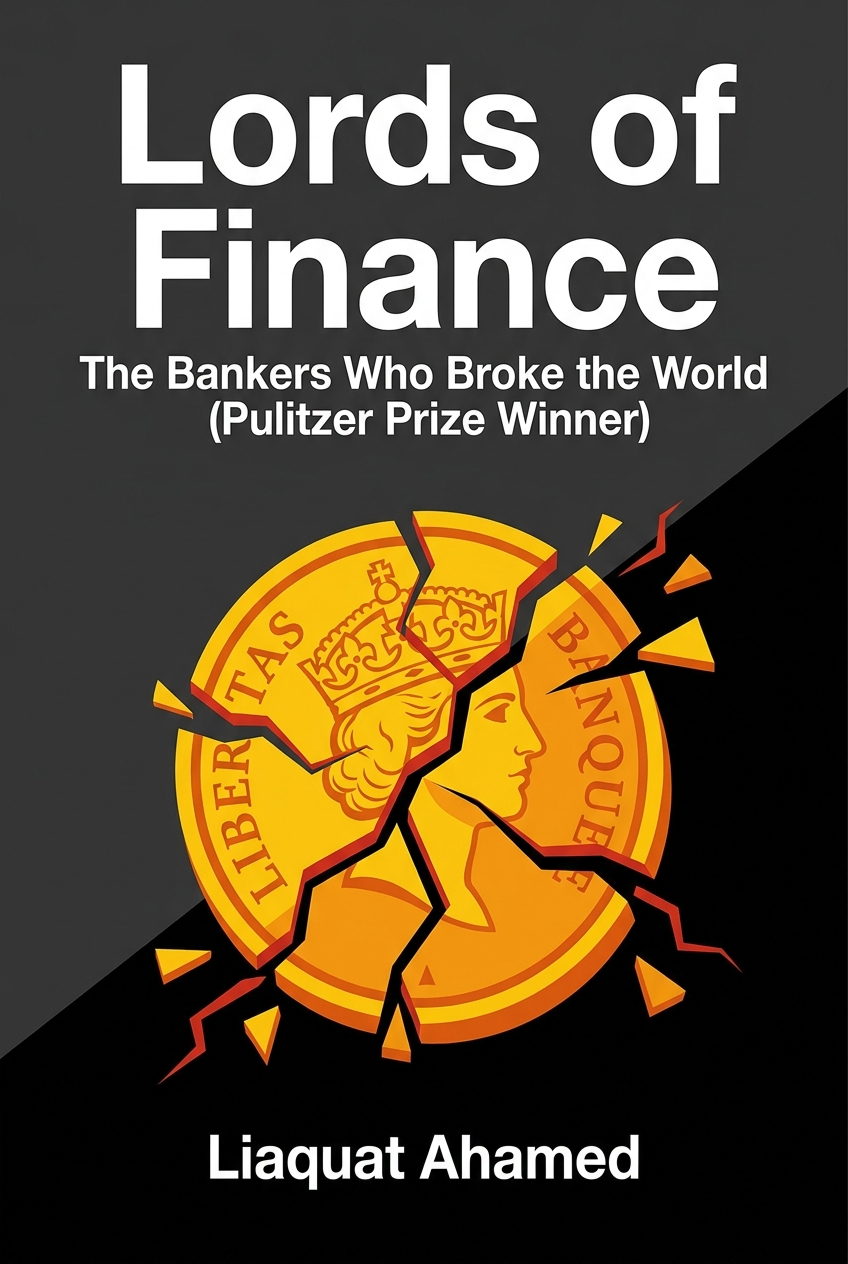
Lords of Finance
The Bankers Who Broke the World (Pulitzer Prize Winner)
What's it about
Ever wonder how a few powerful people could trigger a global financial meltdown? Discover the shocking story of how the decisions of just four central bankers in the 1920s led directly to the Great Depression and shaped the world's economy for decades to come. You'll learn how their personal ambitions, flawed ideas, and stubborn refusal to cooperate plunged the world into catastrophe. Uncover the critical lessons from their failures that are still alarmingly relevant today, and understand the immense power that unelected financial leaders hold over your life and future.
Meet the author
Liaquat Ahamed is the Pulitzer Prize-winning author of Lords of Finance, celebrated for his masterful chronicle of the economic collapse leading to the Great Depression. A former professional investment manager with the World Bank and Fischer Francis Trees & Watts, he combines deep financial expertise with compelling historical narrative. This unique background allows him to transform complex economic events into a gripping, human-centered story, making the past profoundly relevant to our understanding of the modern world.
What's it about
Ever wonder how a few powerful people could trigger a global financial meltdown? Discover the shocking story of how the decisions of just four central bankers in the 1920s led directly to the Great Depression and shaped the world's economy for decades to come. You'll learn how their personal ambitions, flawed ideas, and stubborn refusal to cooperate plunged the world into catastrophe. Uncover the critical lessons from their failures that are still alarmingly relevant today, and understand the immense power that unelected financial leaders hold over your life and future.
Meet the author
Liaquat Ahamed is the Pulitzer Prize-winning author of Lords of Finance, celebrated for his masterful chronicle of the economic collapse leading to the Great Depression. A former professional investment manager with the World Bank and Fischer Francis Trees & Watts, he combines deep financial expertise with compelling historical narrative. This unique background allows him to transform complex economic events into a gripping, human-centered story, making the past profoundly relevant to our understanding of the modern world.
The Script
You've reached the end of the free preview.