Milkweed
What's it about
Have you ever wondered what it takes to find your identity and hold onto hope when you have nothing? Discover the power of human connection and the struggle for survival through the eyes of a boy who knows nothing of his own past. You'll follow an orphan boy in Nazi-occupied Warsaw as he navigates the brutal realities of the ghetto. He has no name, no family, and no history—only the stories he creates for himself. Learn how he survives by stealing food, finds a makeshift family, and confronts the horrors of the Holocaust, all while searching for a name and a place to belong in a world determined to erase him.
Meet the author
Jerry Spinelli is a Newbery Medal-winning author celebrated for his profound and authentic portrayals of young people navigating complex worlds and discovering their identities. A master storyteller for over four decades, Spinelli was inspired to write Milkweed after learning about the life of a Holocaust survivor, blending historical reality with his signature focus on the resilience and hope of the human spirit. His work consistently explores themes of belonging, nonconformity, and the bittersweet journey of growing up, earning him a cherished place in young adult literature.
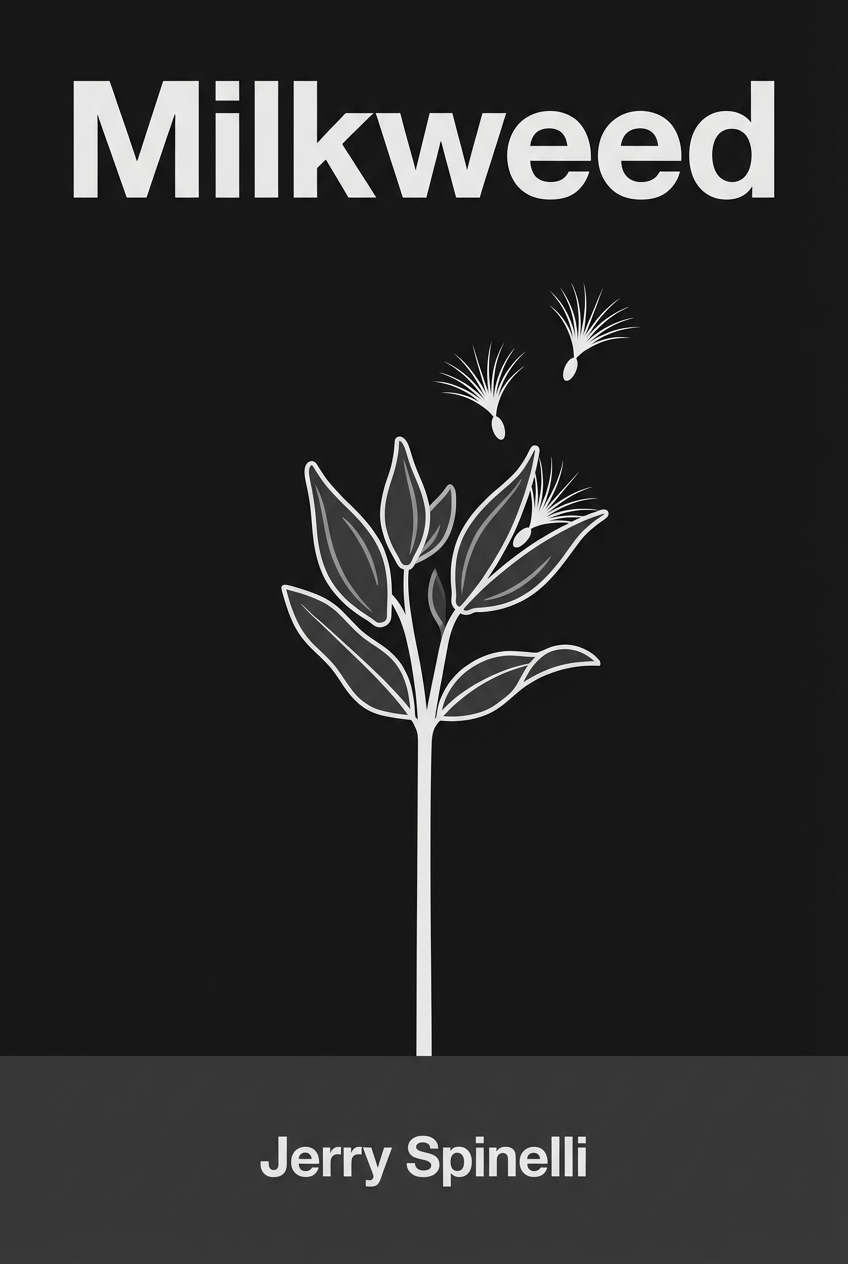
What's it about
Have you ever wondered what it takes to find your identity and hold onto hope when you have nothing? Discover the power of human connection and the struggle for survival through the eyes of a boy who knows nothing of his own past. You'll follow an orphan boy in Nazi-occupied Warsaw as he navigates the brutal realities of the ghetto. He has no name, no family, and no history—only the stories he creates for himself. Learn how he survives by stealing food, finds a makeshift family, and confronts the horrors of the Holocaust, all while searching for a name and a place to belong in a world determined to erase him.
Meet the author
Jerry Spinelli is a Newbery Medal-winning author celebrated for his profound and authentic portrayals of young people navigating complex worlds and discovering their identities. A master storyteller for over four decades, Spinelli was inspired to write Milkweed after learning about the life of a Holocaust survivor, blending historical reality with his signature focus on the resilience and hope of the human spirit. His work consistently explores themes of belonging, nonconformity, and the bittersweet journey of growing up, earning him a cherished place in young adult literature.
The Script
You've reached the end of the free preview.