What Is the What
What's it about
Ever wondered how you would survive if war stripped you of everything—your home, your family, your identity? Discover the incredible true story of a young boy who faced the unimaginable and found the strength not just to survive, but to rebuild a life from nothing. This is the journey of Valentino Achak Deng, one of Sudan's "Lost Boys." You'll walk alongside him through refugee camps and across continents, witnessing the brutal realities of civil war and the bewildering challenges of starting over in America. Uncover the profound resilience of the human spirit and learn what it truly means to find hope against all odds.
Meet the author
Dave Eggers is the Pulitzer Prize-nominated author and founder of McSweeney's literary journal, renowned for his innovative and socially conscious storytelling. His deep commitment to human rights and global issues led him to collaborate closely with Valentino Achak Deng, a Sudanese refugee, to voice his harrowing yet resilient journey. This immersive partnership allowed Eggers to chronicle the Lost Boys of Sudan's experience with profound empathy and authenticity, giving a powerful platform to a story that needed to be told.
What's it about
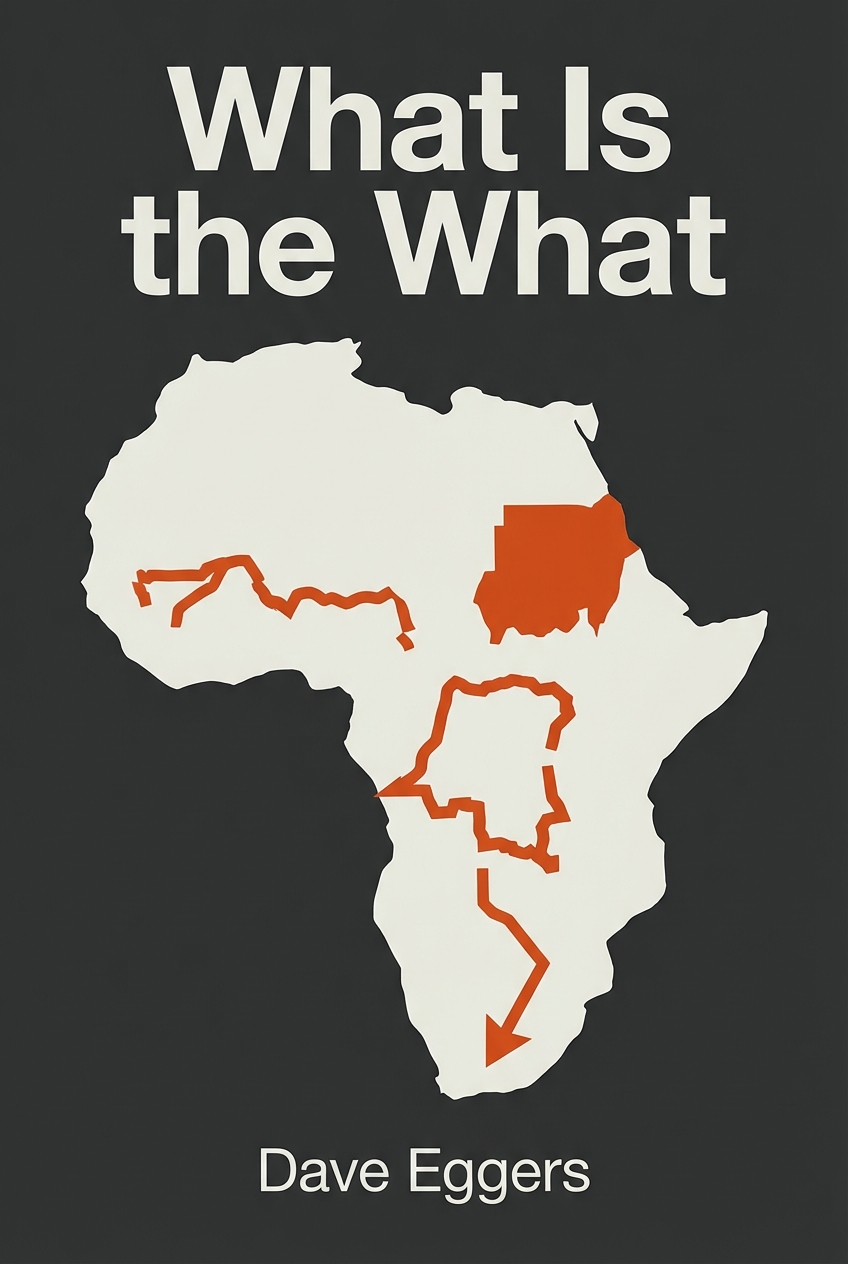
Ever wondered how you would survive if war stripped you of everything—your home, your family, your identity? Discover the incredible true story of a young boy who faced the unimaginable and found the strength not just to survive, but to rebuild a life from nothing. This is the journey of Valentino Achak Deng, one of Sudan's "Lost Boys." You'll walk alongside him through refugee camps and across continents, witnessing the brutal realities of civil war and the bewildering challenges of starting over in America. Uncover the profound resilience of the human spirit and learn what it truly means to find hope against all odds.
Meet the author
Dave Eggers is the Pulitzer Prize-nominated author and founder of McSweeney's literary journal, renowned for his innovative and socially conscious storytelling. His deep commitment to human rights and global issues led him to collaborate closely with Valentino Achak Deng, a Sudanese refugee, to voice his harrowing yet resilient journey. This immersive partnership allowed Eggers to chronicle the Lost Boys of Sudan's experience with profound empathy and authenticity, giving a powerful platform to a story that needed to be told.
The Script
You've reached the end of the free preview.