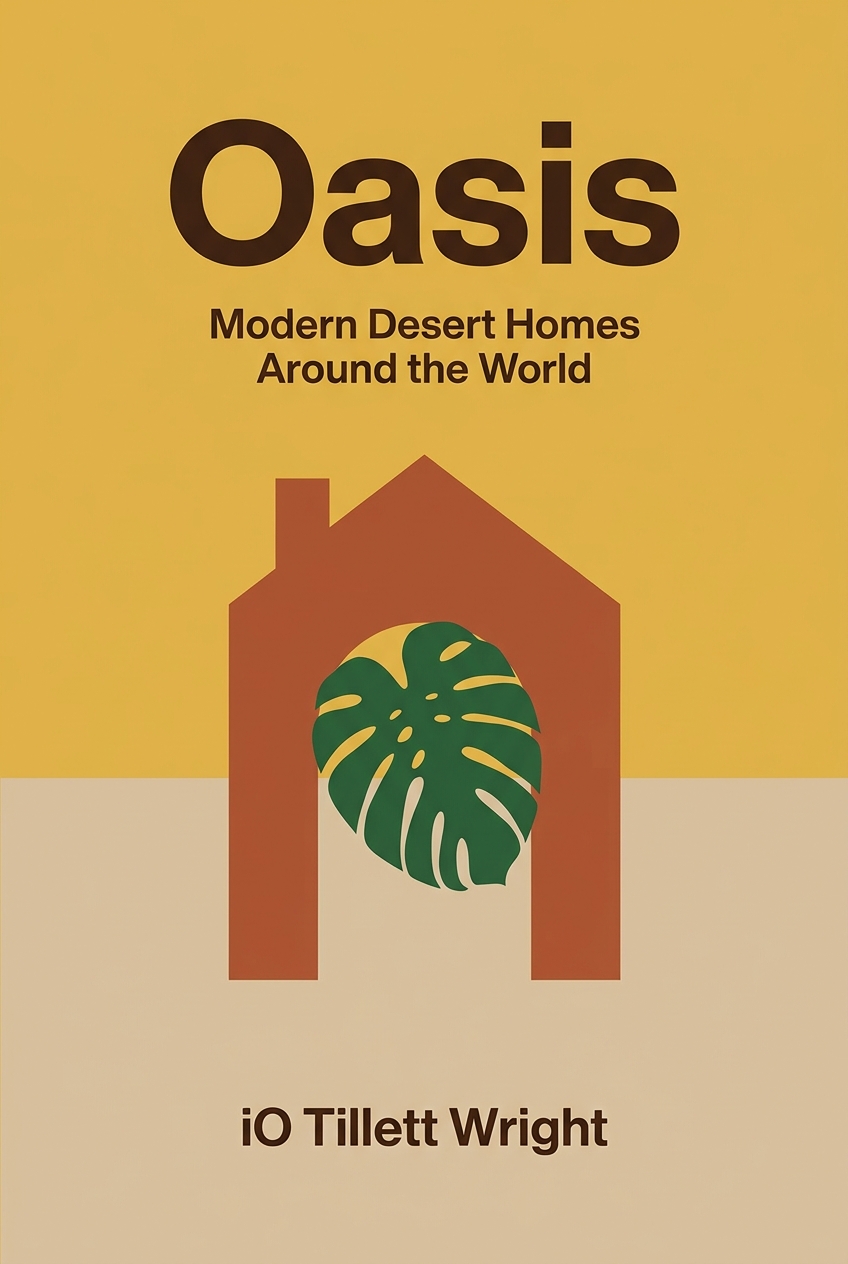
Oasis
Modern Desert Homes Around the World
What's it about
Ready to transform your home into a stunning sanctuary, no matter the climate? Discover how the world's most innovative architects create breathtaking desert homes that are both beautiful and sustainable. You'll learn the secrets to designing spaces that harmonize with nature, using light, shadow, and natural materials to craft an oasis of tranquility. This summary of iO Tillett Wright's "Oasis" takes you inside 25 spectacular modern desert residences. Uncover clever design strategies for maximizing views, creating seamless indoor-outdoor living, and embracing minimalist aesthetics. Whether you live in the desert or just dream of its serene beauty, you’ll find inspiration to bring a sense of peace and modern elegance into your own home.
Meet the author
iO Tillett Wright is an acclaimed author, artist, and activist whose work, featured in The New York Times and T Magazine, explores the profound connections between people and place. Raised between the gritty urban landscape of New York City and the stark beauty of the desert, Wright developed a unique perspective on the concept of home. This lifelong dual existence informs their deep appreciation for the innovative architecture and personal sanctuaries found within the world's most arid environments, culminating in this stunning collection.
What's it about
Ready to transform your home into a stunning sanctuary, no matter the climate? Discover how the world's most innovative architects create breathtaking desert homes that are both beautiful and sustainable. You'll learn the secrets to designing spaces that harmonize with nature, using light, shadow, and natural materials to craft an oasis of tranquility. This summary of iO Tillett Wright's "Oasis" takes you inside 25 spectacular modern desert residences. Uncover clever design strategies for maximizing views, creating seamless indoor-outdoor living, and embracing minimalist aesthetics. Whether you live in the desert or just dream of its serene beauty, you’ll find inspiration to bring a sense of peace and modern elegance into your own home.
Meet the author
iO Tillett Wright is an acclaimed author, artist, and activist whose work, featured in The New York Times and T Magazine, explores the profound connections between people and place. Raised between the gritty urban landscape of New York City and the stark beauty of the desert, Wright developed a unique perspective on the concept of home. This lifelong dual existence informs their deep appreciation for the innovative architecture and personal sanctuaries found within the world's most arid environments, culminating in this stunning collection.
The Script
You've reached the end of the free preview.