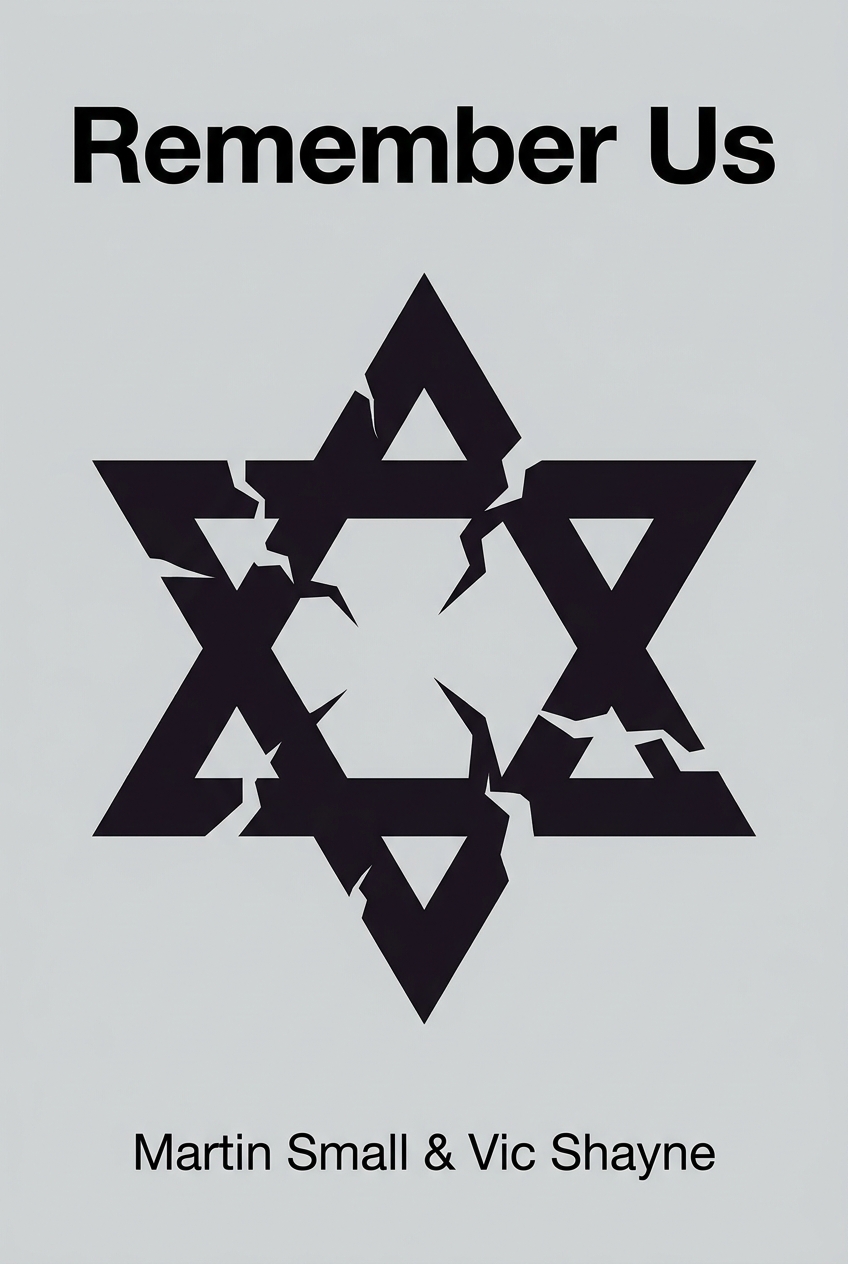
Remember Us
My Journey from the Shtetl through the Holocaust
What's it about
Have you ever wondered how the human spirit can endure the unimaginable? This gripping account reveals the true story of a young boy who survived the horrors of the Holocaust through sheer resilience, courage, and an unbreakable will to live, offering profound lessons on hope in the darkest of times. You'll follow Martin Small's harrowing journey from a peaceful Polish shtetl to the brutal reality of concentration camps. Discover the split-second decisions, the small acts of kindness, and the fierce determination that kept him alive against all odds. This is more than a historical record; it's a powerful testament to the strength of memory and the importance of bearing witness.
Meet the author
Martin Small is a Holocaust survivor who endured multiple concentration camps, including the infamous Mauthausen, and bravely shared his testimony with the USC Shoah Foundation. After the war, Martin immigrated to the United States, built a successful business, and dedicated his life to ensuring the horrors he witnessed were never forgotten. He collaborated with author and historian Vic Shayne to transform his vivid recollections into this powerful, first-hand account, preserving his story of resilience and hope for future generations.
What's it about
Have you ever wondered how the human spirit can endure the unimaginable? This gripping account reveals the true story of a young boy who survived the horrors of the Holocaust through sheer resilience, courage, and an unbreakable will to live, offering profound lessons on hope in the darkest of times. You'll follow Martin Small's harrowing journey from a peaceful Polish shtetl to the brutal reality of concentration camps. Discover the split-second decisions, the small acts of kindness, and the fierce determination that kept him alive against all odds. This is more than a historical record; it's a powerful testament to the strength of memory and the importance of bearing witness.
Meet the author
Martin Small is a Holocaust survivor who endured multiple concentration camps, including the infamous Mauthausen, and bravely shared his testimony with the USC Shoah Foundation. After the war, Martin immigrated to the United States, built a successful business, and dedicated his life to ensuring the horrors he witnessed were never forgotten. He collaborated with author and historian Vic Shayne to transform his vivid recollections into this powerful, first-hand account, preserving his story of resilience and hope for future generations.
The Script
You've reached the end of the free preview.