Song of the Hummingbird
What's it about
Have you ever wondered about the hidden stories behind historical conflicts? What if you could hear a firsthand account from someone whose world was turned upside down, challenging everything you thought you knew about the Spanish conquest of Mexico and the clash between cultures and faiths? This summary of Song of the Hummingbird transports you to the final days of the Aztec empire through the powerful confession of Huitzitzilín, an elderly Aztec princess. Uncover her perspective on the brutal conquest, the loss of her people, and her complex relationship with the Catholic priest who hears her story. You'll explore timeless themes of identity, resilience, and the enduring power of memory against the backdrop of a civilization's fall.
Meet the author
Graciela Limón is an award-winning Chicana writer and professor emerita of Chicana and Chicano Studies, celebrated for giving voice to the silenced figures of Mexican history. Born in Los Angeles to Mexican immigrant parents, her bicultural upbringing and deep academic research fuel her powerful historical fiction. Limón's work, including the acclaimed Song of the Hummingbird, explores complex themes of colonization, identity, and female resilience, reclaiming narratives from a unique and deeply personal perspective that challenges traditional historical accounts.
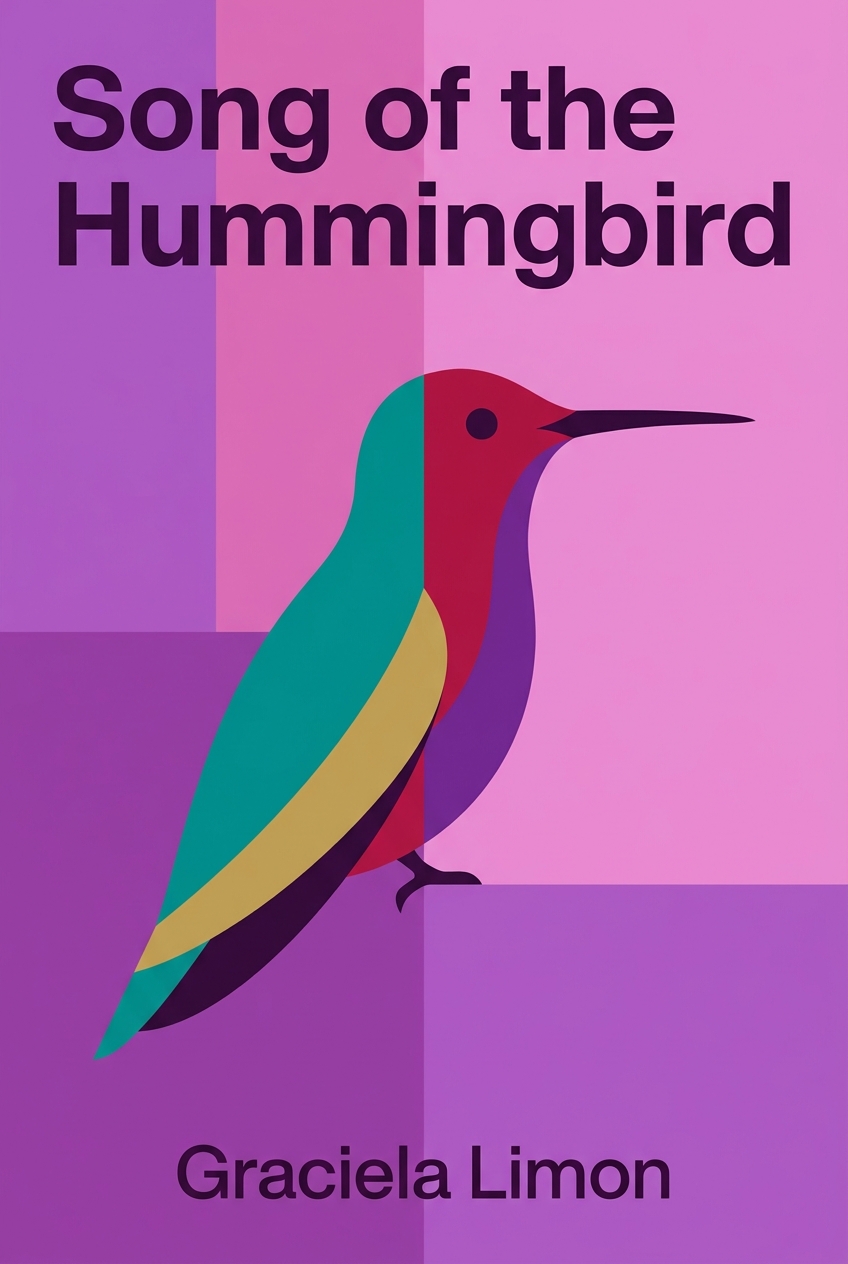
What's it about
Have you ever wondered about the hidden stories behind historical conflicts? What if you could hear a firsthand account from someone whose world was turned upside down, challenging everything you thought you knew about the Spanish conquest of Mexico and the clash between cultures and faiths? This summary of Song of the Hummingbird transports you to the final days of the Aztec empire through the powerful confession of Huitzitzilín, an elderly Aztec princess. Uncover her perspective on the brutal conquest, the loss of her people, and her complex relationship with the Catholic priest who hears her story. You'll explore timeless themes of identity, resilience, and the enduring power of memory against the backdrop of a civilization's fall.
Meet the author
Graciela Limón is an award-winning Chicana writer and professor emerita of Chicana and Chicano Studies, celebrated for giving voice to the silenced figures of Mexican history. Born in Los Angeles to Mexican immigrant parents, her bicultural upbringing and deep academic research fuel her powerful historical fiction. Limón's work, including the acclaimed Song of the Hummingbird, explores complex themes of colonization, identity, and female resilience, reclaiming narratives from a unique and deeply personal perspective that challenges traditional historical accounts.
The Script
You've reached the end of the free preview.