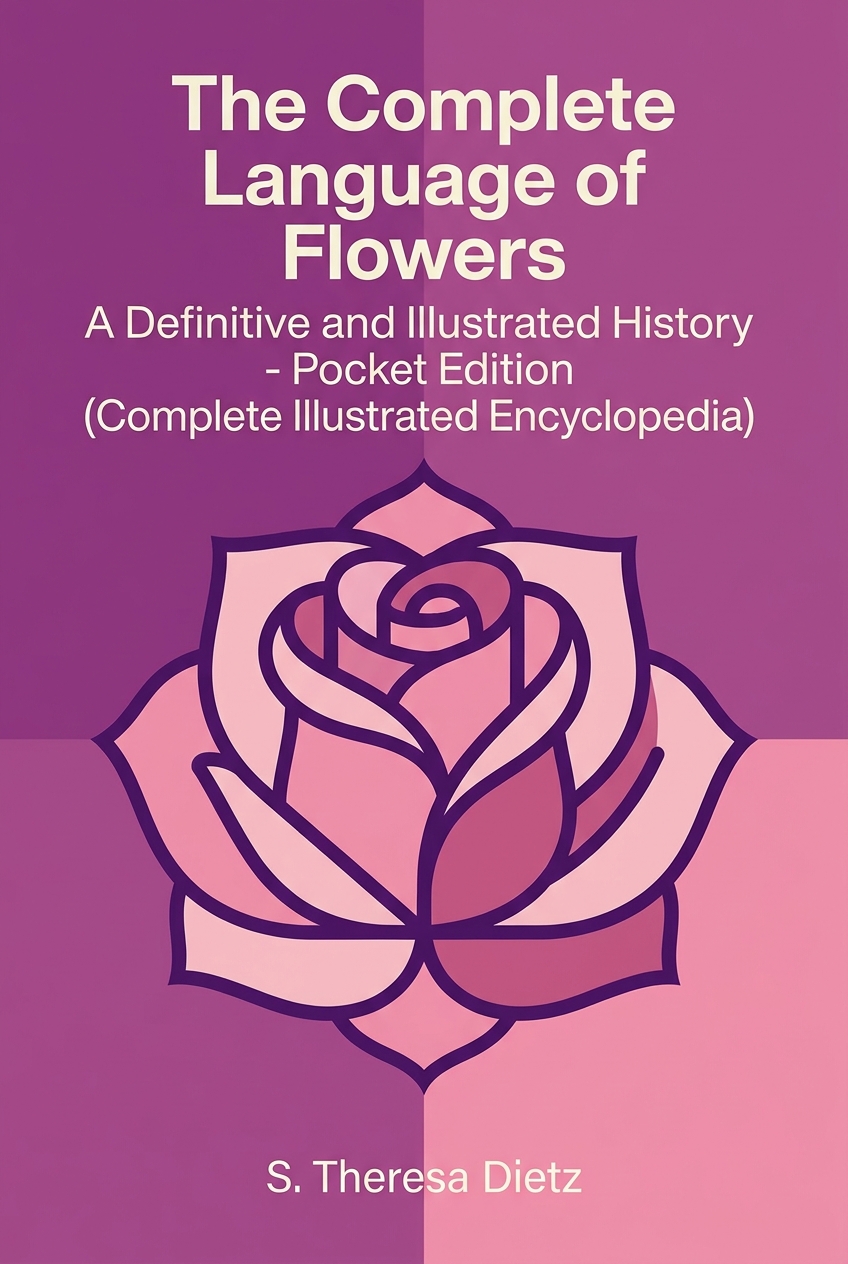
The Complete Language of Flowers
A Definitive and Illustrated History - Pocket Edition (Complete Illustrated Encyclopedia)
What's it about
Ever wondered what secret messages are hidden in a bouquet of flowers? Unlock the lost art of floriography and discover how to communicate your deepest feelings—from passionate love to quiet sympathy—without saying a single word. This guide makes it easy to decode the historical meanings behind your favorite blooms. You'll learn the rich history and symbolism of over 1,001 flowers, from the classic red rose to the humble dandelion. Go beyond simple definitions and explore how Victorians used carefully chosen arrangements to convey complex emotions, share secrets, and declare intentions. Start crafting your own meaningful floral messages today.
Meet the author
S. Theresa Dietz is a dedicated researcher and historian of floral symbolism whose work has been featured by major publications like The New York Times. Her lifelong passion for gardening and folklore began in her grandmother's garden, where she first learned about the secret meanings assigned to flowers. This unique combination of academic rigor and personal connection to nature's silent language allowed her to create this definitive guide, bringing the rich history of floriography to a new generation of enthusiasts.
What's it about
Ever wondered what secret messages are hidden in a bouquet of flowers? Unlock the lost art of floriography and discover how to communicate your deepest feelings—from passionate love to quiet sympathy—without saying a single word. This guide makes it easy to decode the historical meanings behind your favorite blooms. You'll learn the rich history and symbolism of over 1,001 flowers, from the classic red rose to the humble dandelion. Go beyond simple definitions and explore how Victorians used carefully chosen arrangements to convey complex emotions, share secrets, and declare intentions. Start crafting your own meaningful floral messages today.
Meet the author
S. Theresa Dietz is a dedicated researcher and historian of floral symbolism whose work has been featured by major publications like The New York Times. Her lifelong passion for gardening and folklore began in her grandmother's garden, where she first learned about the secret meanings assigned to flowers. This unique combination of academic rigor and personal connection to nature's silent language allowed her to create this definitive guide, bringing the rich history of floriography to a new generation of enthusiasts.
The Script
You've reached the end of the free preview.