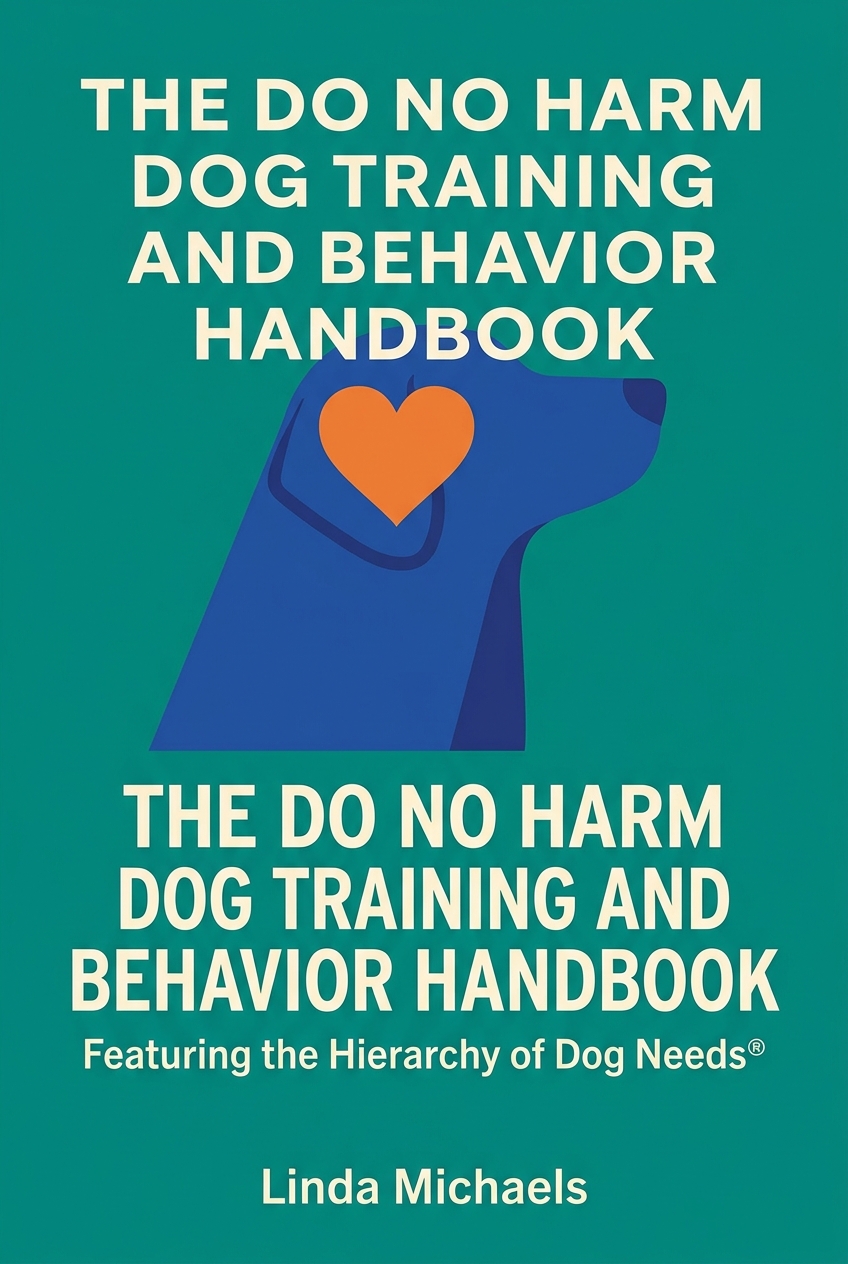
The Do No Harm Dog Training and Behavior Handbook
Featuring the Hierarchy of Dog Needs®
What's it about
Tired of dog training methods that feel harsh or just don't work? What if you could build an unbreakable bond with your dog based on trust and science, not force? This guide reveals how to solve behavior problems using only positive, humane techniques. You'll discover the revolutionary Hierarchy of Dog Needs®, a powerful framework that helps you understand your dog’s core motivations. Learn to address the root cause of issues like anxiety and aggression, and build a joyful, cooperative partnership that lasts a lifetime. Say goodbye to outdated methods and hello to a happier, better-behaved dog.
Meet the author
Linda Michaels is one of the top ten dog trainers in the United States and a leading global expert on canine behavior and humane, science-based training methods. Her master's degree in experimental psychology and unique Hierarchy of Dog Needs® framework grew from a lifelong mission to improve the lives of dogs. This groundbreaking work provides a powerful, compassionate, and effective alternative to dominance-based training, empowering owners to build a bond of trust and mutual respect with their beloved canine companions.
What's it about
Tired of dog training methods that feel harsh or just don't work? What if you could build an unbreakable bond with your dog based on trust and science, not force? This guide reveals how to solve behavior problems using only positive, humane techniques. You'll discover the revolutionary Hierarchy of Dog Needs®, a powerful framework that helps you understand your dog’s core motivations. Learn to address the root cause of issues like anxiety and aggression, and build a joyful, cooperative partnership that lasts a lifetime. Say goodbye to outdated methods and hello to a happier, better-behaved dog.
Meet the author
Linda Michaels is one of the top ten dog trainers in the United States and a leading global expert on canine behavior and humane, science-based training methods. Her master's degree in experimental psychology and unique Hierarchy of Dog Needs® framework grew from a lifelong mission to improve the lives of dogs. This groundbreaking work provides a powerful, compassionate, and effective alternative to dominance-based training, empowering owners to build a bond of trust and mutual respect with their beloved canine companions.
The Script
You've reached the end of the free preview.