All BooksSelf-GrowthBusiness & CareerHealth & WellnessSociety & CultureMoney & FinanceRelationshipsScience & TechFiction
Download on the App Store

The Paris Wife

A Novel

12 minPaula McLain

What's it about

Ever wondered what it was like to be married to a literary legend like Ernest Hemingway? Step into the dazzling, tumultuous world of 1920s Paris and discover the story of the woman behind the man, Hadley Richardson, his first wife and unsung muse. You'll get a front-row seat to their passionate, whirlwind romance and witness the intoxicating highs and heartbreaking lows of their life together. Uncover the sacrifices Hadley made for Hemingway's ambition and the ultimate price she paid for loving a genius.

Meet the author

Paula McLain is the New York Times bestselling author of The Paris Wife, a novel that has sold millions of copies and established her as a master of historical fiction. A former foster child, McLain found solace in books and poetry, eventually earning an MFA in poetry from the University of Michigan. This deep love for language and her fascination with untold stories of historical women inspired her to give a powerful voice to Ernest Hemingway's first wife, Hadley Richardson.
Listen Now
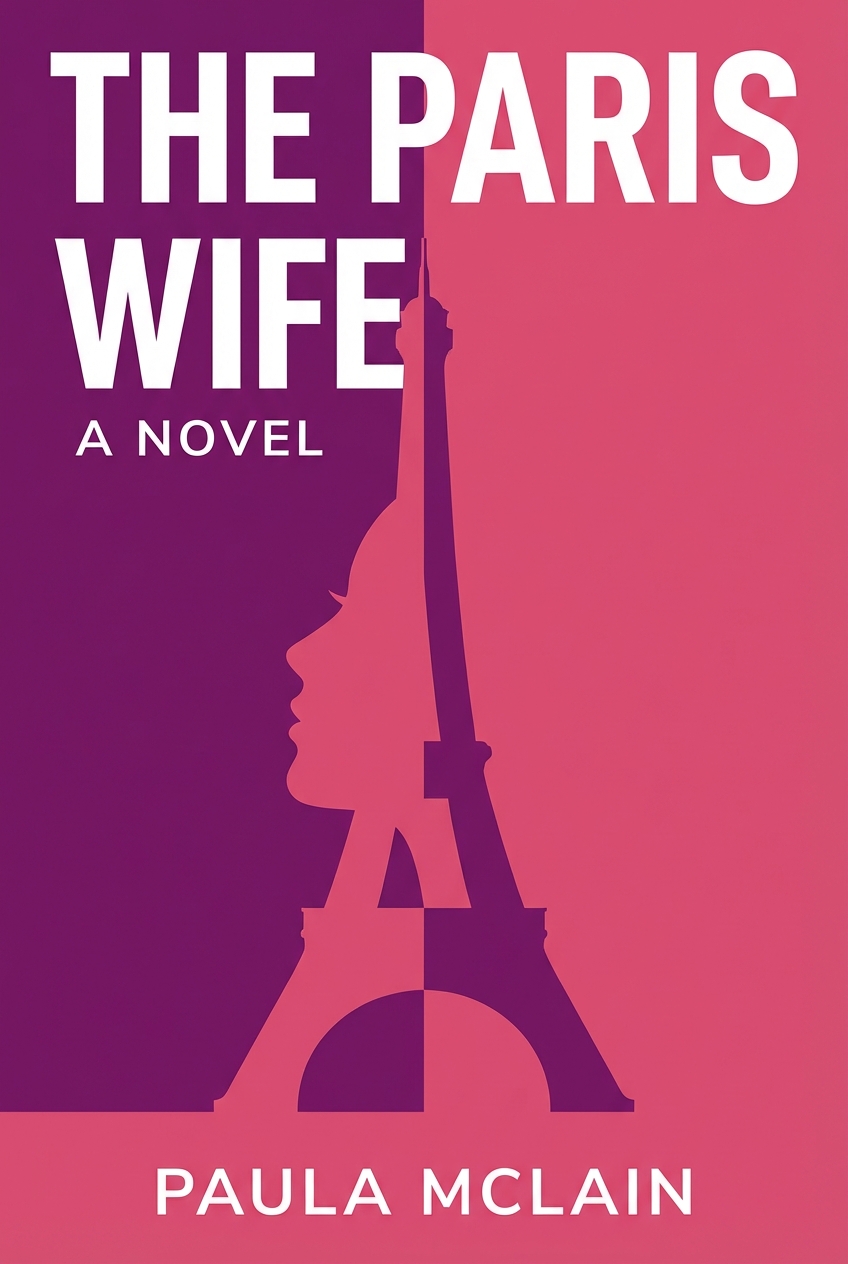
The Paris Wife book cover

The Script

In the archives of history, some figures cast such a long shadow that they obscure everyone standing beside them. We know the artist, the writer, the titan of industry—their names etched onto buildings and book spines. But what about the person who first believed in them? The one who typed the manuscripts, packed the suitcases for another hopeful move, and kept the fragile flame of their genius alive when the world was indifferent? This person is often relegated to a footnote, a dedication, a half-remembered name in a biography. Their love and sacrifice become the invisible scaffolding upon which a great legacy is built, a silent partnership that is foundational yet forgotten. We see the finished cathedral, but we rarely ask about the first person who helped lay the stones, especially when that person was a woman.

This is the historical silence that haunted author Paula McLain. While reading a biography of Ernest Hemingway, she was struck by a single, haunting photograph of his first wife, Hadley Richardson. Hadley was the one who went with him to Paris when he was a struggling, unknown writer. She was his everything before he was the Ernest Hemingway. McLain, a poet and writer herself, felt an immediate connection to this quiet, steadfast woman who stood at the epicenter of a cultural revolution but was ultimately erased from the story. She realized Hadley’s story was the missing heart of the legend. So, she set out to give Hadley her voice back, to write the novel that would finally pull the 'wife' out from behind the shadow of the great man and place her at the center of her own extraordinary life.

Module 1: The Architecture of Ambition and Support

The early days of Ernest and Hadley's marriage were a strategic partnership, a startup with a singular mission: launching Ernest Hemingway, the writer. This module is about the foundation they built and the sacrifices it required.

Their relationship began against the backdrop of the "Lost Generation." World War I had shattered faith in tradition. For many, marriage felt like a foolish bet. Yet, Ernest and Hadley chose it deliberately. They saw it as a fortress against the chaos. Hadley believed their union was "rare and true," a safe harbor they were "building every day." This brings us to a crucial insight. A powerful partnership often begins with a shared sense of purpose against the world. They were co-conspirators in a grand artistic project.

This partnership required a very specific structure. It depended on Hadley creating a stable domestic world that enabled Ernest’s creative one. Their first Paris apartment was grim. It lacked hot water, a bathtub, or reliable electricity. A noisy sawmill roared outside their window. Yet, Hadley "trusted the rhythm of every day." She managed their home, their son Bumby, and their social life. She created the quiet space he needed to write. After a productive day, Ernest would return satisfied and ready to engage. This reveals a second principle: Creative genius rarely operates in a vacuum; it often relies on a hidden scaffolding of domestic support. Hadley’s work was the invisible labor that made his art possible.

And here's the thing. This support system was tested from the very beginning. Financial strain was a constant. They lived on Hadley's small trust fund, a fact she hated but accepted. Hosting a dinner for the influential writer Sherwood Anderson was a source of panic. Hadley worried their "terrible" flat would undermine the opportunity. But Anderson saw promise in Ernest's work. He gave them the key that would unlock their future. He told them to go to Paris.

So what happens next? Anderson provided letters of introduction to the titans of Parisian modernism: Gertrude Stein, Ezra Pound, and James Joyce. Suddenly, their shared dream had a tangible path forward. This leads to a final point. Strategic mentorship can dramatically accelerate a career, but it requires the mentee to be ready to act. When a small inheritance gave them the funds, they didn't hesitate. They packed their bags for Paris, betting everything on Ernest's talent and the strength of their partnership.

Read More