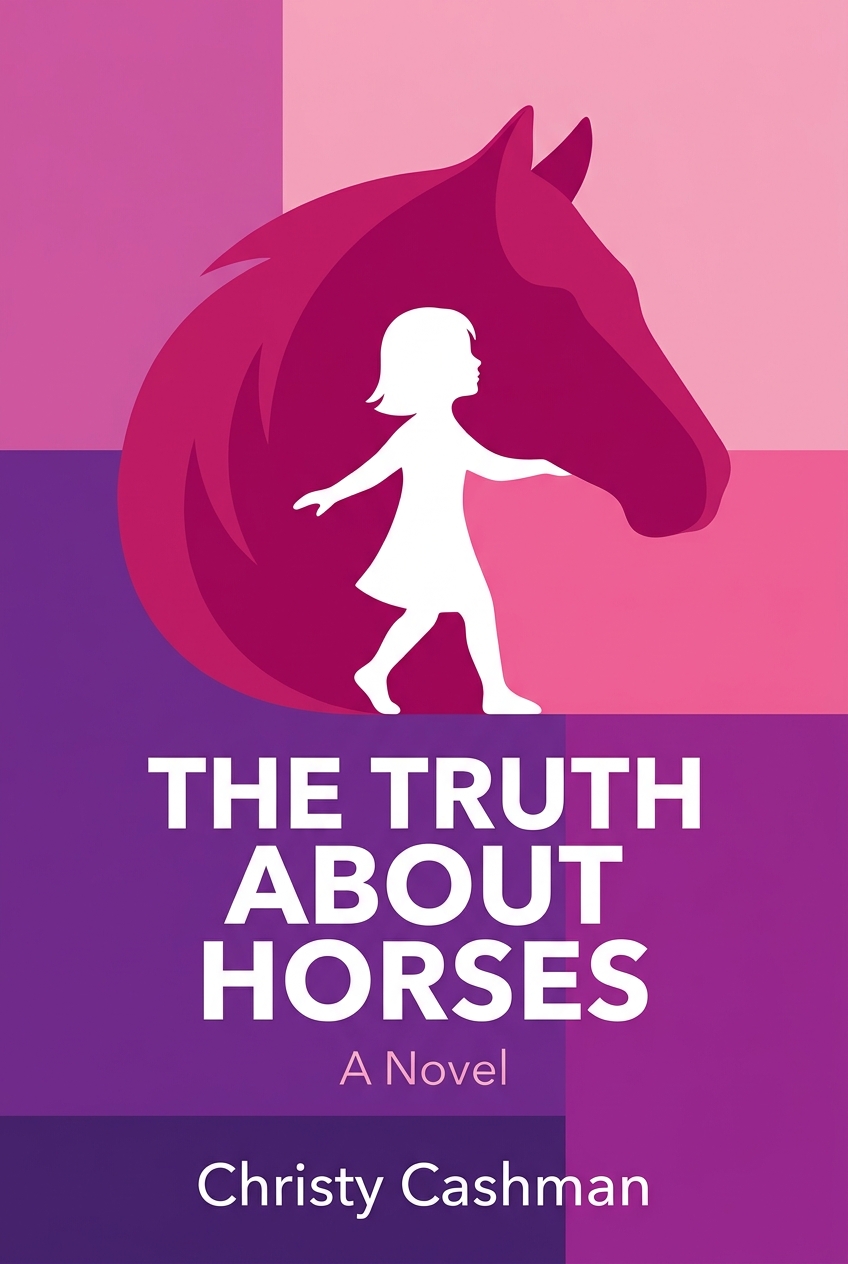
The Truth About Horses
A Novel
What's it about
Have you ever felt like an outsider, struggling to find where you truly belong? Discover a world where a troubled teenage girl forms an unlikely bond with a dangerous, misunderstood horse, finding a connection that could save them both from their turbulent pasts. Follow Marley's journey from a high-society life she never wanted to the rugged world of a horse farm. You'll learn how facing your fears and trusting your instincts can help you heal old wounds, build genuine relationships, and ultimately find your own truth, even in the most unexpected places.
Meet the author
Christy Cashman is an award-winning film producer, actress, and philanthropist whose deep, lifelong connection with horses inspired her acclaimed debut novel, The Truth About Horses. Drawing from her own experiences growing up on a farm in North Carolina, she authentically captures the powerful, healing bond between humans and animals. Cashman's diverse background in storytelling, both on-screen and through her extensive charity work, brings a unique and compassionate perspective to her writing, exploring themes of resilience, family, and finding one's truth.
What's it about
Have you ever felt like an outsider, struggling to find where you truly belong? Discover a world where a troubled teenage girl forms an unlikely bond with a dangerous, misunderstood horse, finding a connection that could save them both from their turbulent pasts. Follow Marley's journey from a high-society life she never wanted to the rugged world of a horse farm. You'll learn how facing your fears and trusting your instincts can help you heal old wounds, build genuine relationships, and ultimately find your own truth, even in the most unexpected places.
Meet the author
Christy Cashman is an award-winning film producer, actress, and philanthropist whose deep, lifelong connection with horses inspired her acclaimed debut novel, The Truth About Horses. Drawing from her own experiences growing up on a farm in North Carolina, she authentically captures the powerful, healing bond between humans and animals. Cashman's diverse background in storytelling, both on-screen and through her extensive charity work, brings a unique and compassionate perspective to her writing, exploring themes of resilience, family, and finding one's truth.
The Script
You've reached the end of the free preview.