All Books
Self-Growth
Business & Career
Health & Wellness
Society & Culture
Money & Finance
Relationships
Science & Tech
Fiction
Topics
Blog
Download on the App Store

The War on Warriors

Uncovering The Cultural Chaos Threatening Our Military, written by the US Secretary of Defense

13 minPete Hegseth

What's it about

Is America's military losing its edge? Discover the startling truth about the cultural shifts and "woke" policies that are eroding the foundation of the world’s most elite fighting force. This is your chance to understand the real-world consequences of prioritizing politics over combat readiness. Pete Hegseth, a combat veteran, pulls back the curtain on this controversial transformation. You'll learn how diversity, equity, and inclusion initiatives are impacting recruitment, morale, and the warrior ethos itself. Get an insider’s view on the battle for the soul of the U.S. military.

Meet the author

Pete Hegseth is a combat veteran of the wars in Afghanistan and Iraq, having served as an infantry officer and earning two Bronze Stars and the Combat Infantryman Badge. His direct experience on the front lines and subsequent career as a prominent policy commentator provide him a unique, soldier's-eye view into the cultural challenges detailed in this book. Hegseth's journey from the battlefield to the forefront of national debate forged the insights necessary to diagnose the threats facing America's warrior class.
Listen Now

Opens the App Store to download Voxbrief

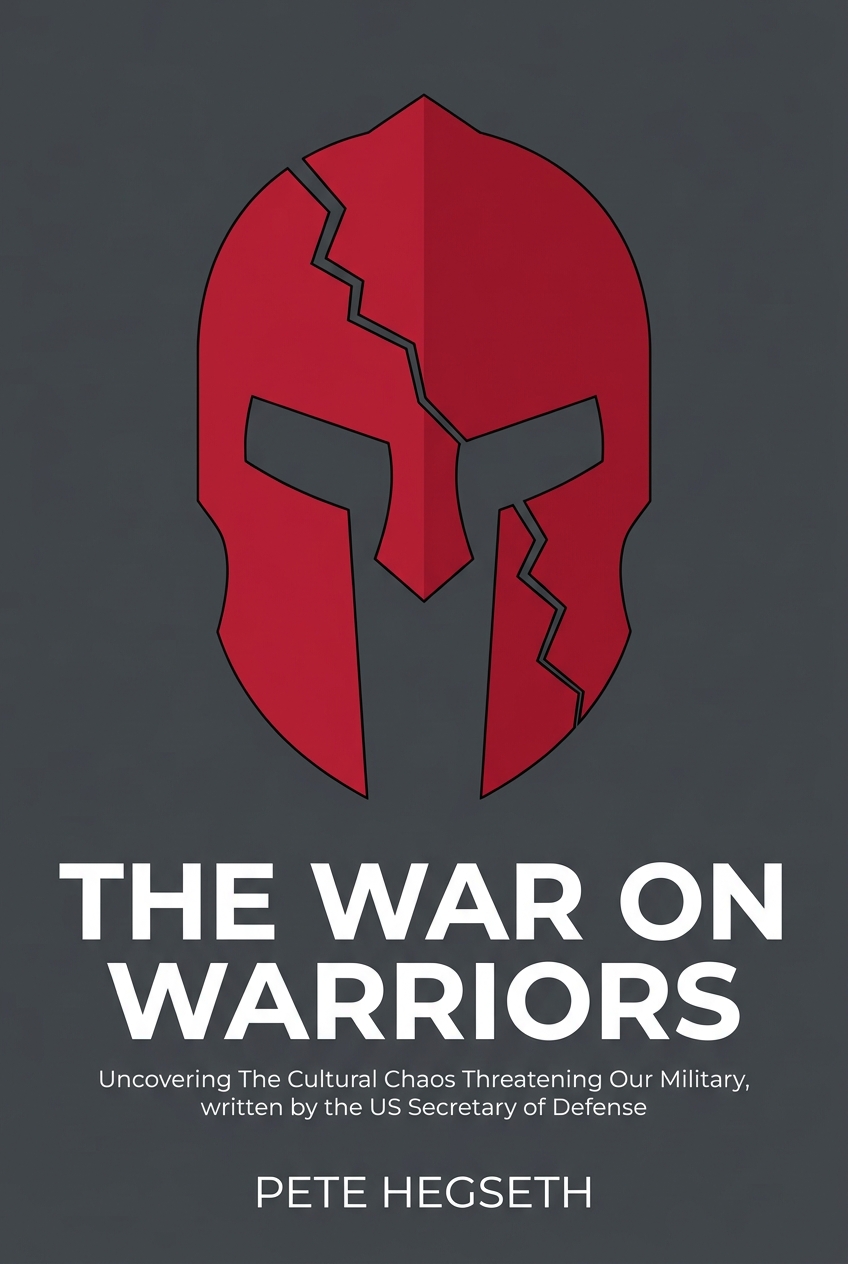
The War on Warriors book cover

The Script

We think of a military's strength in terms of its weapons, its budget, and its numbers. We assume that a nation committed to fielding the most advanced fighting force on earth is, by definition, creating the most effective warriors. But what if the very systems designed to support and strengthen these warriors are, in fact, the greatest threat they face? What if the relentless pursuit of a sanitized, administratively perfect fighting force is systematically dismantling the very traits that make a warrior lethal and resilient—the aggression, the initiative, the unwavering focus on a singular mission: to win?

This is a conclusion reached from the inside, by someone who saw the blueprint for this internal demolition firsthand. Pete Hegseth, a decorated Army veteran with tours in Iraq and Afghanistan, returned from the battlefield to a different kind of fight. He witnessed a military culture increasingly tangled in progressive policies and risk-averse bureaucracy that seemed alien to the warfighting ethos he knew. This book is his frontline report, born from the jarring contrast between the military that sent him to war and the one he sees being engineered today—a warning that the most decisive battle for America's warriors is being fought within the walls of the Pentagon itself.

Module 1: The Broken Covenant

Hegseth's core argument starts with a simple but powerful idea. The United States military is bound by a covenant. It is a secular covenant: the U.S. Constitution. Every service member swears an oath. They pledge to defend the Constitution against all enemies, both foreign and domestic. This oath is the bedrock of their service. It's what unites a diverse group of people into a single, cohesive force.

But here's the problem he identifies. The military's focus has shifted from its constitutional covenant to ideological compliance. Hegseth argues that political agendas, particularly from the progressive left, have infiltrated the Pentagon. These agendas prioritize social goals over combat readiness. He points to the rise of DEI initiatives, short for Diversity, Equity, and Inclusion. He claims these programs force the military to focus on identity politics rather than on its primary mission: to be a lethal fighting force. For example, he describes mandatory training sessions on "white rage" and pronoun usage. These sessions replace valuable time that could be spent on marksmanship or field exercises. The core mission, he says, is being diluted by distractions.

This leads to a critical breakdown. Senior military leadership is accused of prioritizing careerism over their constitutional duty. Hegseth is blunt. He labels some generals as "cowards hiding under stars." He claims they've become more interested in pleasing political masters than in leading warriors. They see which way the political winds are blowing. They adopt the language of social justice to secure promotions and lucrative post-retirement jobs with defense contractors. A stunning report from the Quincy Institute found that 80% of four-star officers who retired after 2018 took jobs in the defense industry. This creates a powerful incentive to go along with the prevailing agenda. Accountability vanishes. Hegseth points to the disastrous Afghanistan withdrawal in 2021. Billions in equipment were lost. Thirteen American service members were killed at Abbey Gate. Yet, no senior general was fired or demoted. The only officer punished was Lieutenant Colonel Stuart Scheller, who was discharged for publicly demanding accountability.

Module 2: The Erosion of the Warrior Ethos

Now, let's explore how these high-level shifts impact the individual soldier. Hegseth argues that the very definition of a warrior is under attack. The military has historically been a place that forges raw masculinity into disciplined strength. It takes young, aggressive, often rebellious men and channels their energy toward a higher purpose. But what happens when that masculinity is labeled "toxic"?

Hegseth claims the military is actively repelling its core constituency: patriotic and traditional young men. He points to plummeting recruitment numbers as proof. The Army, for instance, saw a 43% drop in white recruits between 2018 and 2023. He argues this isn't an accident. It's the result of messaging that makes these traditional recruits feel unwanted. He compares it to the Bud Light boycott. The military, he says, is alienating its core customers in a futile attempt to attract a new, "woke" demographic that isn't showing up in sufficient numbers. The result is a massive recruiting crisis, even with a huge budget and favorable economic conditions.

So what happens next? The institution adapts. To meet inclusion goals, the military lowers its standards. Hegseth provides several examples. The Air Force relaxed its body composition standards. It even briefly dropped the requirement for a high school diploma. He points to the Marine Corps' 2015 study on gender-integrated combat units. The study found that all-male units outperformed integrated units in 70% of tactical tasks. It also found female Marines were injured at twice the rate of males. Despite this data, the policy of full integration moved forward. Hegseth argues this is about enforcing an ideology, even at the cost of combat effectiveness.

And here's the thing. This creates a dangerous social dynamic. Unit cohesion, the trust that makes soldiers fight for each other, is built on proven equal capability. When soldiers perceive that standards are different for different people, it breeds resentment. It breaks the "we are all green" mentality. An anonymous Army officer is quoted in the book. He says the best soldiers in his unit are leaving in droves. They are tired of the focus on social issues. They see less qualified soldiers being promoted to fill quotas. This creates a leadership vacuum. It forces unprepared individuals into positions of responsibility. In a combat zone, that can be fatal.

Read More