Books Recommended by Bill Gates
Delve into the mind of a titan with our collection of books on Bill Gates and his most influential reads. This isn't just a list; it's a gateway to the profound knowledge that shaped one of the world's greatest innovators. We've synthesized the best from a long list of books recommended by Bill Gates, distilling complex ideas about human behavior, success, and strategic thinking into powerful, bite-sized summaries. Unlock the frameworks and mental models that drive monumental achievement and informed decision-making. Curated by the VoxBrief team.
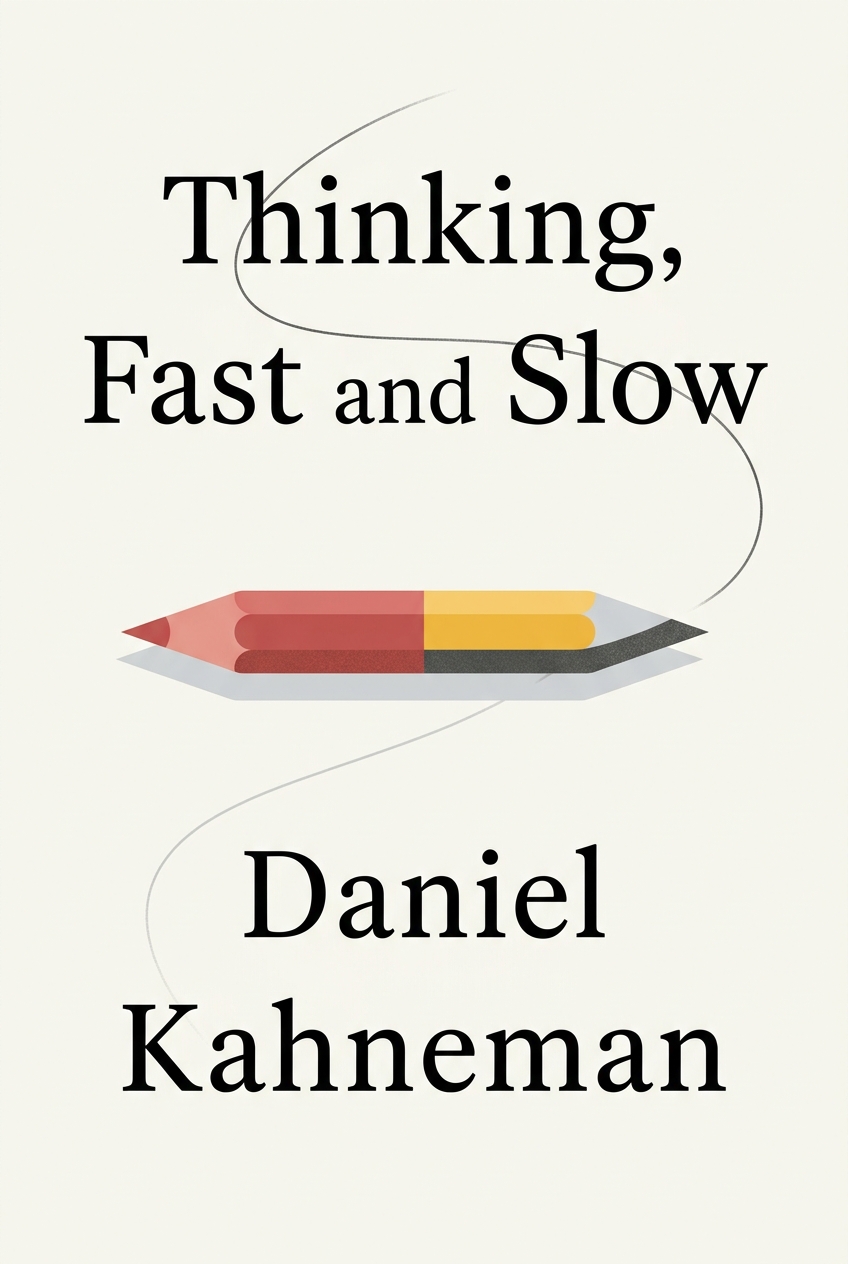
Thinking, Fast and Slow
Unlock the two systems of thinking that govern your irrational choices.
- Your mind uses two systems: fast, intuitive System 1 and slow, logical System 2.
- Cognitive biases and mental shortcuts frequently lead to poor judgments.
- Knowing your biases is the first step toward making clearer, better decisions.
Anyone seeking to understand their own biases and improve decision-making.
Unlock the two systems of thinking that govern your irrational choices.
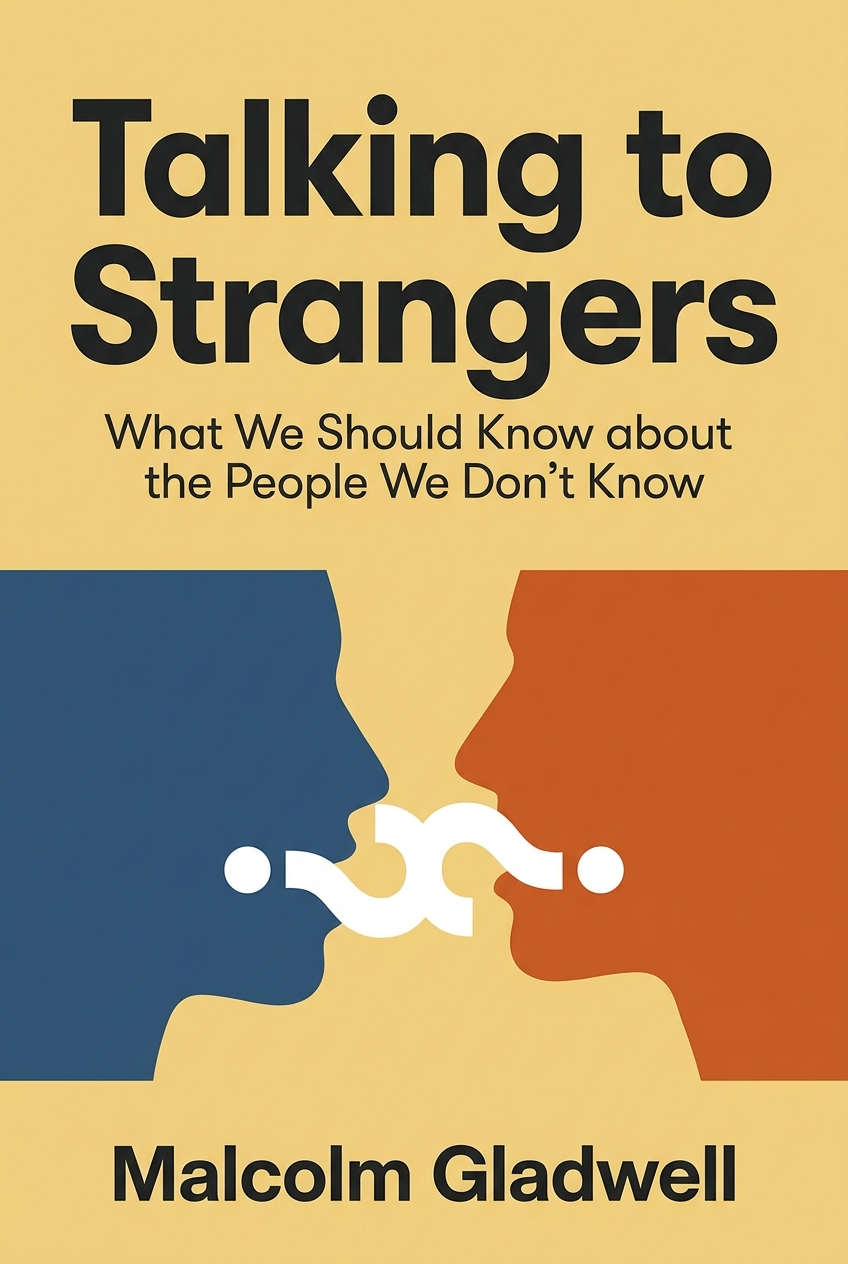
Talking to Strangers
Discover why we are so bad at judging strangers and how to fix it.
- We instinctively default to believing others, making us vulnerable to deception.
- Relying on non-verbal cues to assess character is often misleading.
- Context is more important than behavior when trying to understand a person.
Leaders, interviewers, and anyone who wants to improve social interactions.
Discover why we are so bad at judging strangers and how to fix it.
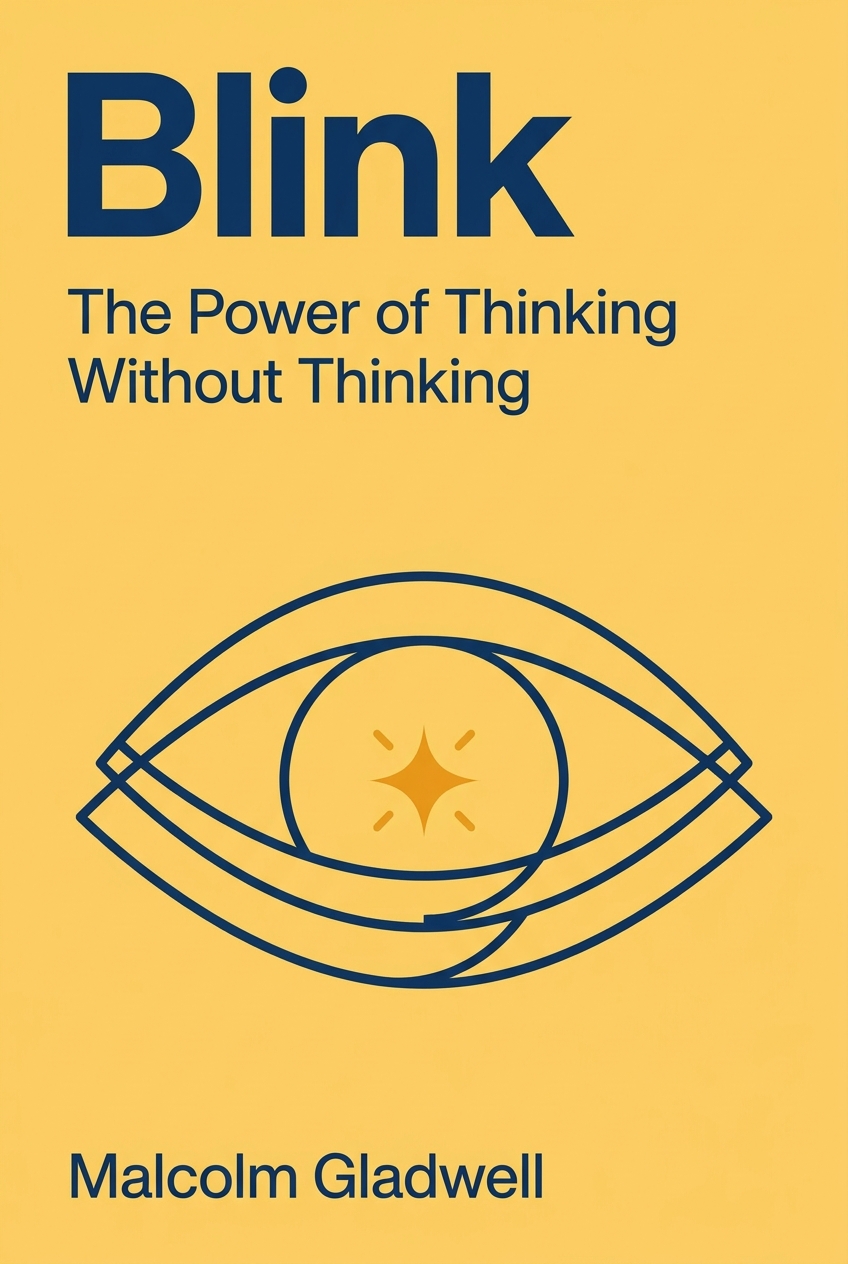
Blink
Harness the power of snap judgments to make faster, smarter decisions.
- Your brain's "adaptive unconscious" makes rapid, often accurate, decisions.
- "Thin-slicing" allows your mind to find patterns from minimal information.
- First impressions can be educated to improve their accuracy and usefulness.
Professionals who need to make quick, high-stakes decisions under pressure.
Harness the power of snap judgments to make faster, smarter decisions.
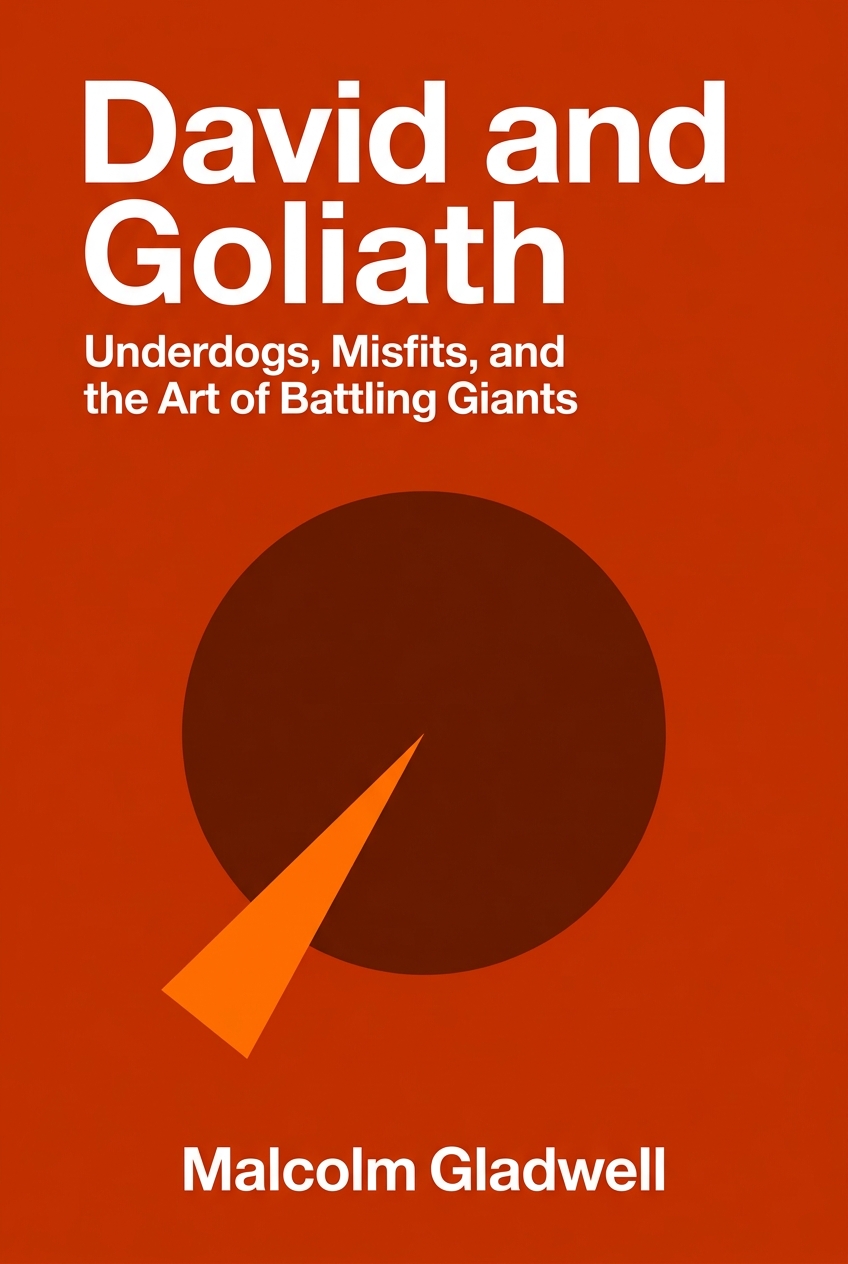
David and Goliath
Learn why your biggest weaknesses can become your greatest strengths.
- Perceived disadvantages can create unexpected opportunities for success.
- The powerful often have hidden vulnerabilities their opponents can exploit.
- So-called "desirable difficulties" forge resilience and unconventional strengths.
Underdogs, entrepreneurs, and those facing seemingly insurmountable odds.
Learn why your biggest weaknesses can become your greatest strengths.
The Bomber Mafia
Explore the moral dilemmas of inventors who tried to make war humane.
- Technological idealism often clashes with the harsh realities of its application.
- Good intentions can lead to unforeseen and catastrophic consequences.
- Moral obsession can blind innovators to the true impact of their work.
Innovators, military historians, and those interested in technological ethics.
Explore the moral dilemmas of inventors who tried to make war humane.
The Tipping Point
Uncover the secrets to how small ideas explode into massive social trends.
- Social epidemics are driven by Connectors, Mavens, and Salesmen.
- The "Stickiness Factor" is what makes an idea memorable and impactful.
- Small changes in context can have a dramatic effect on an idea's spread.
Marketers, entrepreneurs, and anyone trying to make an idea go viral.
Uncover the secrets to how small ideas explode into massive social trends.

Supercommunicators
Master the hidden patterns of conversation to connect with anyone.
- Every interaction involves three types of conversation happening at once.
- Matching the conversational type is the secret to true understanding.
- Asking deep questions and showing vulnerability builds powerful connections.
Anyone who feels misunderstood and wants to improve communication skills.
Master the hidden patterns of conversation to connect with anyone.
Malcolm Gladwell
Uncover the hidden patterns behind outliers, success, and snap judgments.
- Success is often shaped by hidden advantages, culture, and opportunity.
- Intuition can be a powerful tool when you understand its mechanics.
- Understanding underdogs reveals counterintuitive paths to victory.
Readers seeking a broad overview of Gladwell's counterintuitive insights.
Uncover the hidden patterns behind outliers, success, and snap judgments.
Source Code
Install Bill Gates's mental operating system for success in your brain.
- Deconstruct complex problems into their fundamental components to find solutions.
- Use mental frameworks to make high-stakes decisions under pressure.
- Focus on future trends by identifying underlying technological shifts.
Aspiring entrepreneurs and innovators who want to think like Bill Gates.
Install Bill Gates's mental operating system for success in your brain.
Frequently Asked Questions
Bill Gates is a voracious reader and often recommends books on his blog, GatesNotes. His lists include titles on science, leadership, global health, and human behavior. Books by authors like Malcolm Gladwell and Daniel Kahneman are common features, as they explore the systems behind human decision-making and success.
While "must-read" is subjective, "Thinking, Fast and Slow" by Daniel Kahneman is a frequent recommendation. Gates has praised its insights into human irrationality, which is crucial for making better decisions in business and life. It provides a powerful framework for understanding your own mind.
Bill Gates often recommends Malcolm Gladwell's work, appreciating his ability to weave compelling narratives around complex social phenomena. Gladwell's writing challenges conventional wisdom and explores the hidden factors behind success and influence—themes that resonate deeply with innovators and leaders.
Yes, our summary of "Source Code" distills Bill Gates's own principles for success and problem-solving. While he has authored other full-length books, this summary specifically focuses on codifying the mental models and frameworks he used to build his empire and tackle global challenges.