Black History Books
Understanding American history requires knowing its full story. Learning why is African American history important reveals the complex truths of the nation's founding, its struggles, and its triumphs. This collection of the best African American history books offers a comprehensive look at pivotal moments, from slavery to the Civil Rights Movement and beyond. These must read African American history books provide crucial context on resilience, identity, and the ongoing fight for justice. Curated by the VoxBrief team.
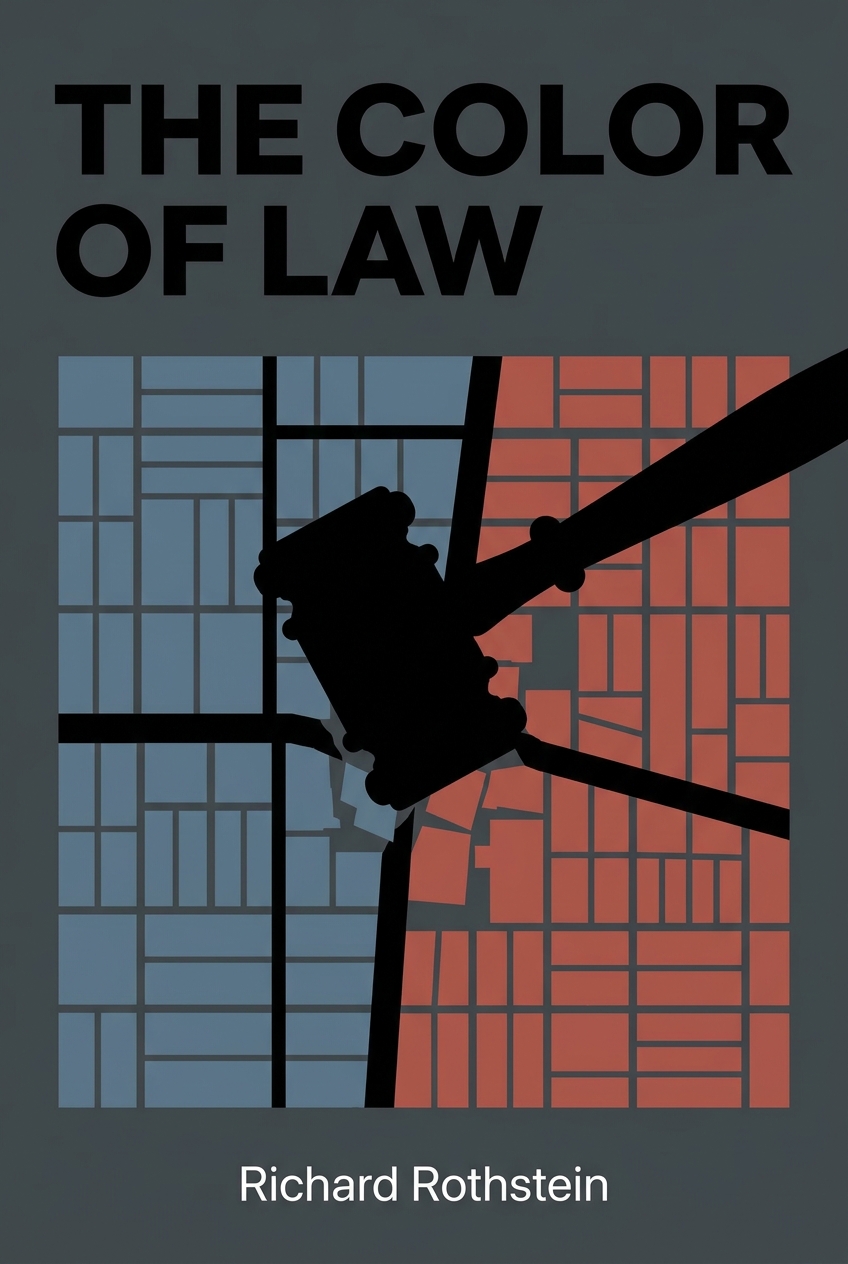
The Color of Law
Uncover how the U.S. government deliberately created modern segregation.
- Government policies, not just private bias, segregated American cities.
- Federal housing programs actively created and enforced racial divides.
- These historical policies are the root of today's racial inequality.
Urban planners and anyone curious about the roots of segregation.
Uncover how the U.S. government deliberately created modern segregation.

Medical Apartheid
Expose the shocking history of medical experimentation on Black Americans.
- Medical 'advances' were often built on Black suffering.
- The Tuskegee Study is part of a larger pattern of exploitation.
- This history explains justified mistrust in the medical system today.
Healthcare professionals seeking to understand medical bias and mistrust.
Expose the shocking history of medical experimentation on Black Americans.
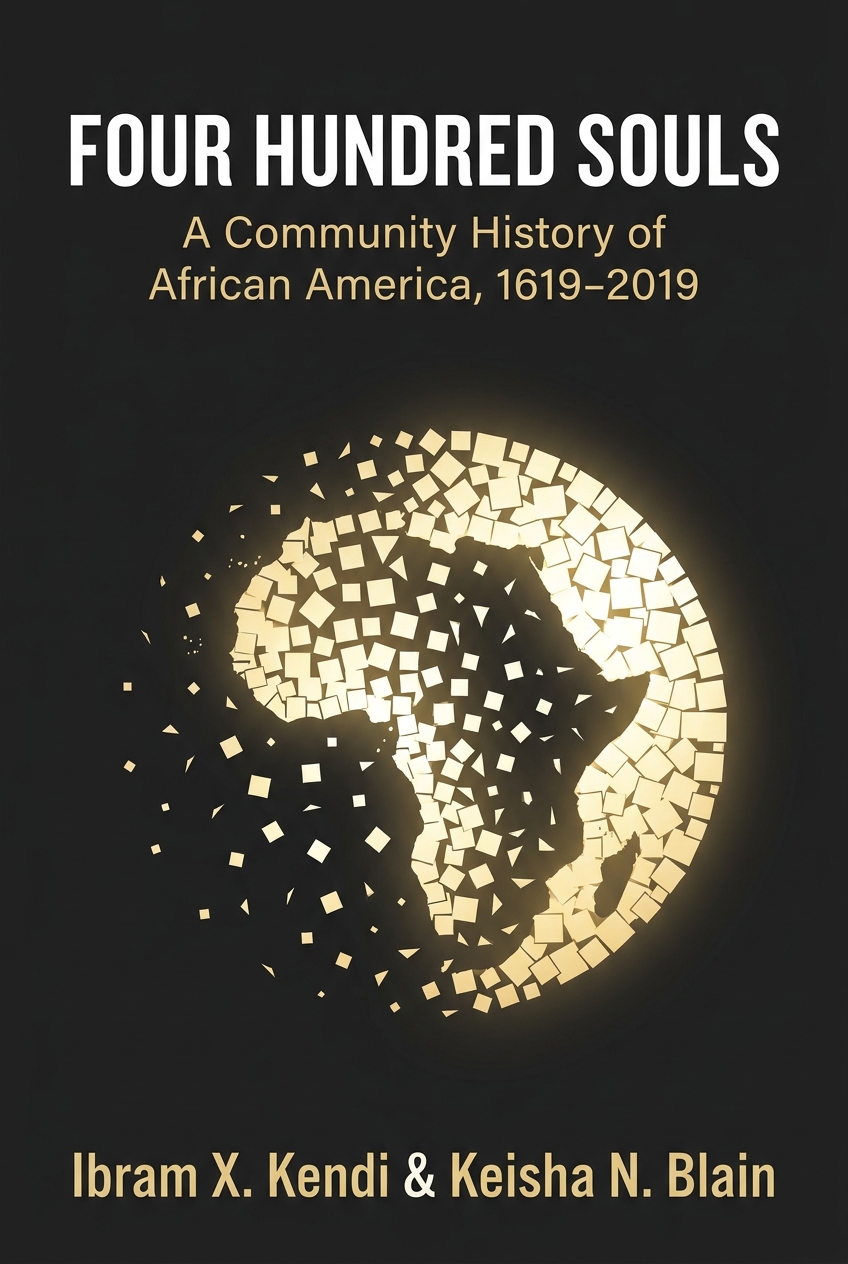
Four Hundred Souls
Experience 400 years of Black history told by 90 different voices.
- History is a chorus, not a single, monolithic narrative.
- Each five-year period from 1619-2019 reveals unique struggles.
- Black life has always been diverse in its ideas and triumphs.
Readers seeking a multifaceted and diverse historical perspective.
Experience 400 years of Black history told by 90 different voices.
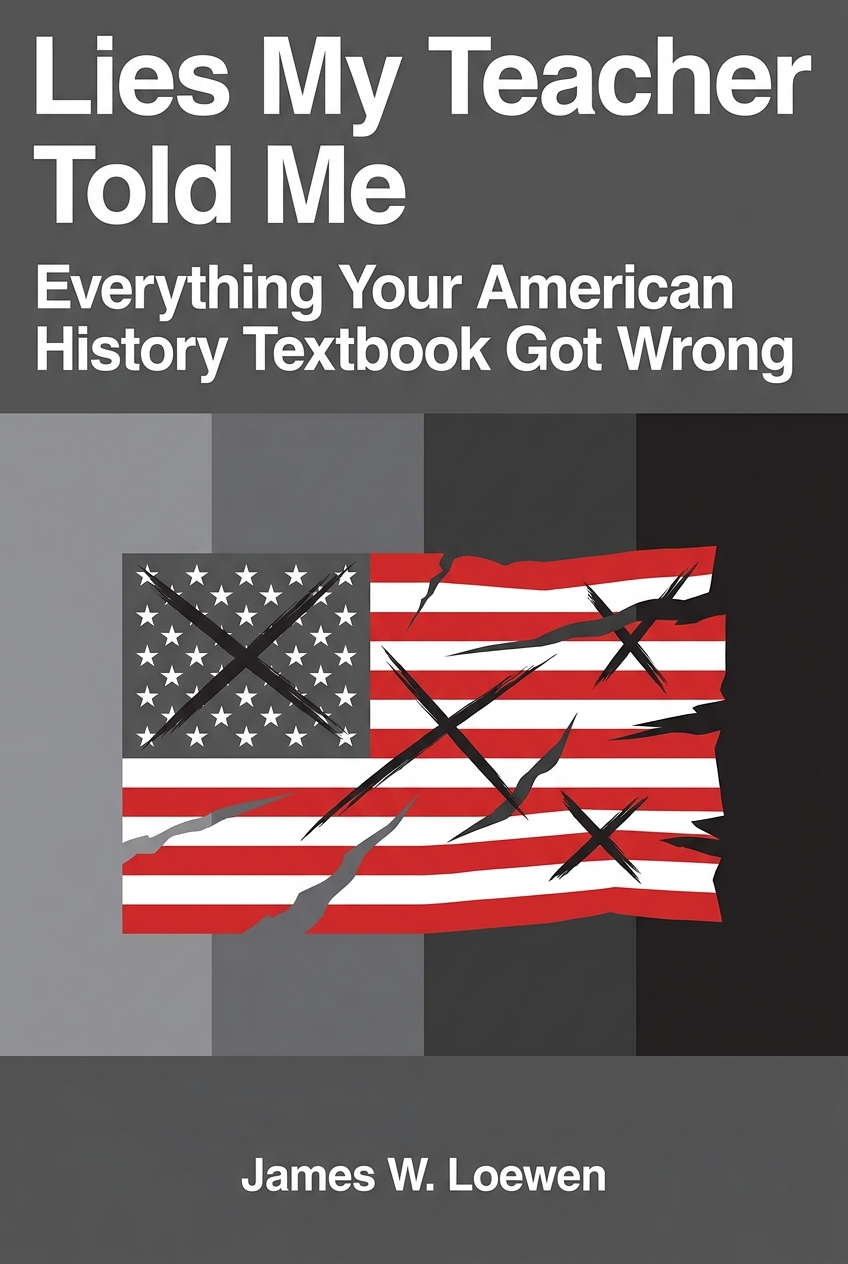
Lies My Teacher Told Me
Uncover the myths and fabrications taught in American history classrooms.
- Textbooks often present a sanitized, inaccurate version of history.
- Famous historical figures are more complex than they seem.
- Understanding what's omitted is crucial to knowing true history.
Students, teachers, and anyone questioning their history education.
Uncover the myths and fabrications taught in American history classrooms.
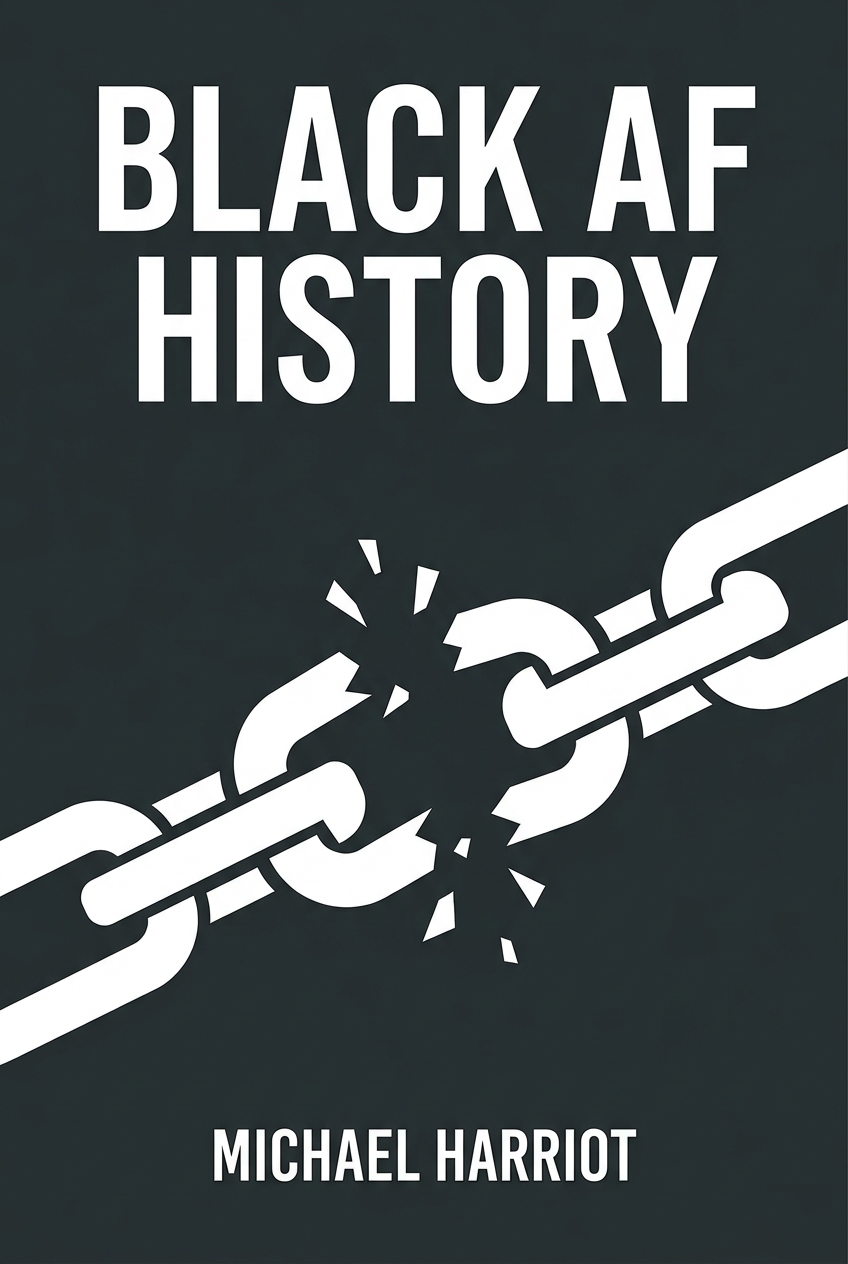
Black AF History
Read the history of the United States told through Black experiences.
- America's story is incomplete without Black perspectives.
- History is full of suppressed stories of rebellion and innovation.
- Learn the un-whitewashed version deliberately left out of textbooks.
Anyone looking for an unfiltered, perspective-shifting American history.
Read the history of the United States told through Black experiences.
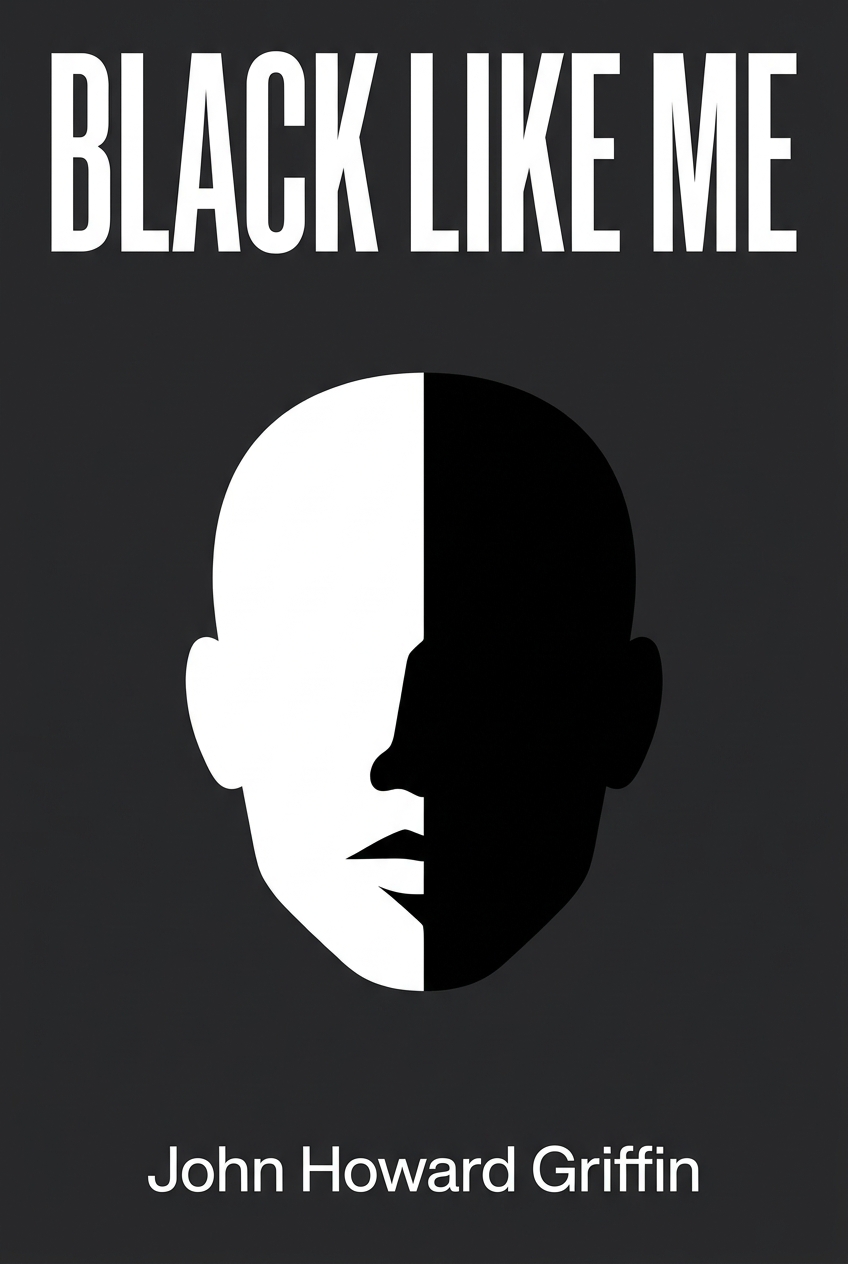
Black Like Me
A white man lives as a Black man in the 1950s Deep South.
- Exposes the daily humiliation and threats of systemic racism.
- Reveals the deep-seated prejudices that shaped society.
- Offers a raw, unfiltered look at the human cost of hatred.
Readers wanting a visceral understanding of lived racial prejudice.
A white man lives as a Black man in the 1950s Deep South.
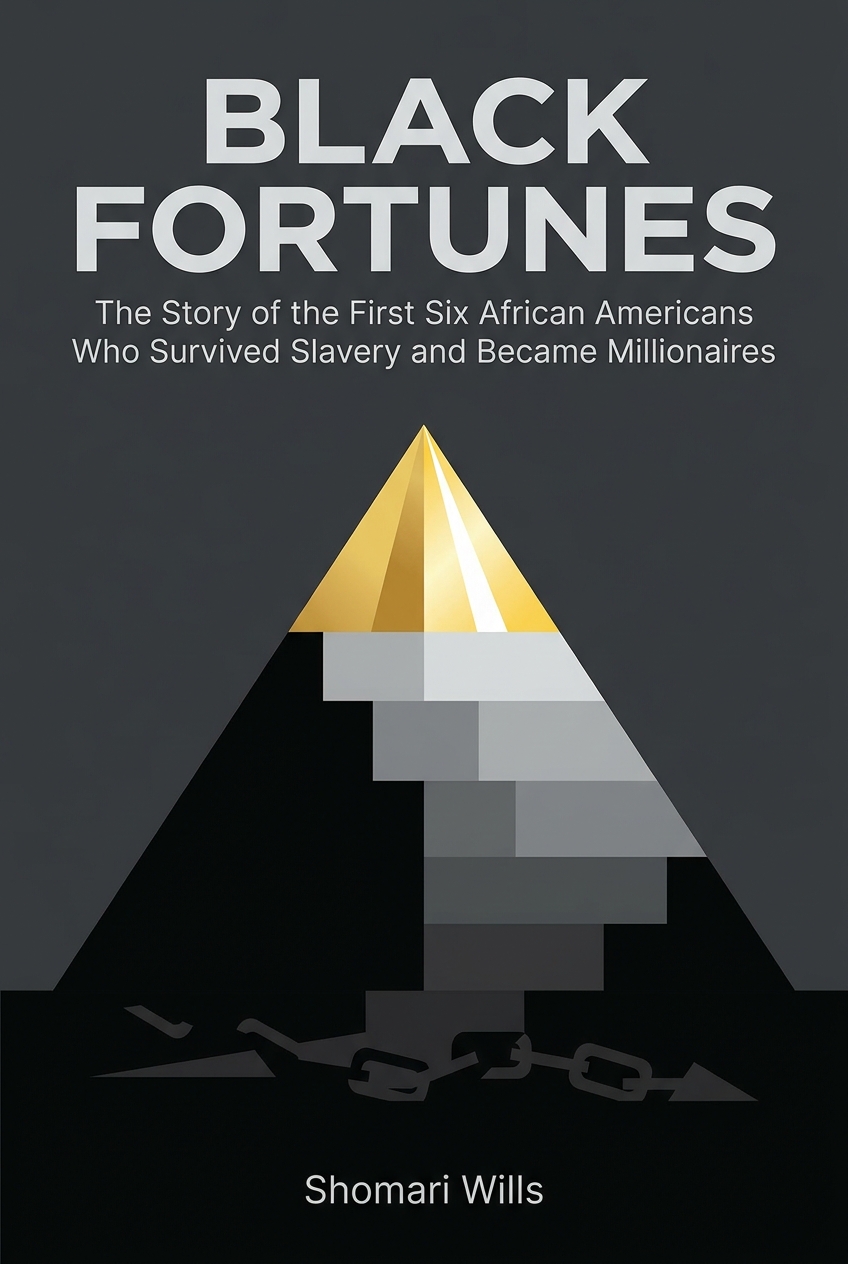
Black Fortunes
Discover the untold stories of America's first Black millionaires.
- Former slaves built incredible wealth against all odds.
- Financial success came from specific business and investment tactics.
- Community-building was a key strategy for economic empowerment.
Aspiring entrepreneurs and those interested in untold economic history.
Discover the untold stories of America's first Black millionaires.
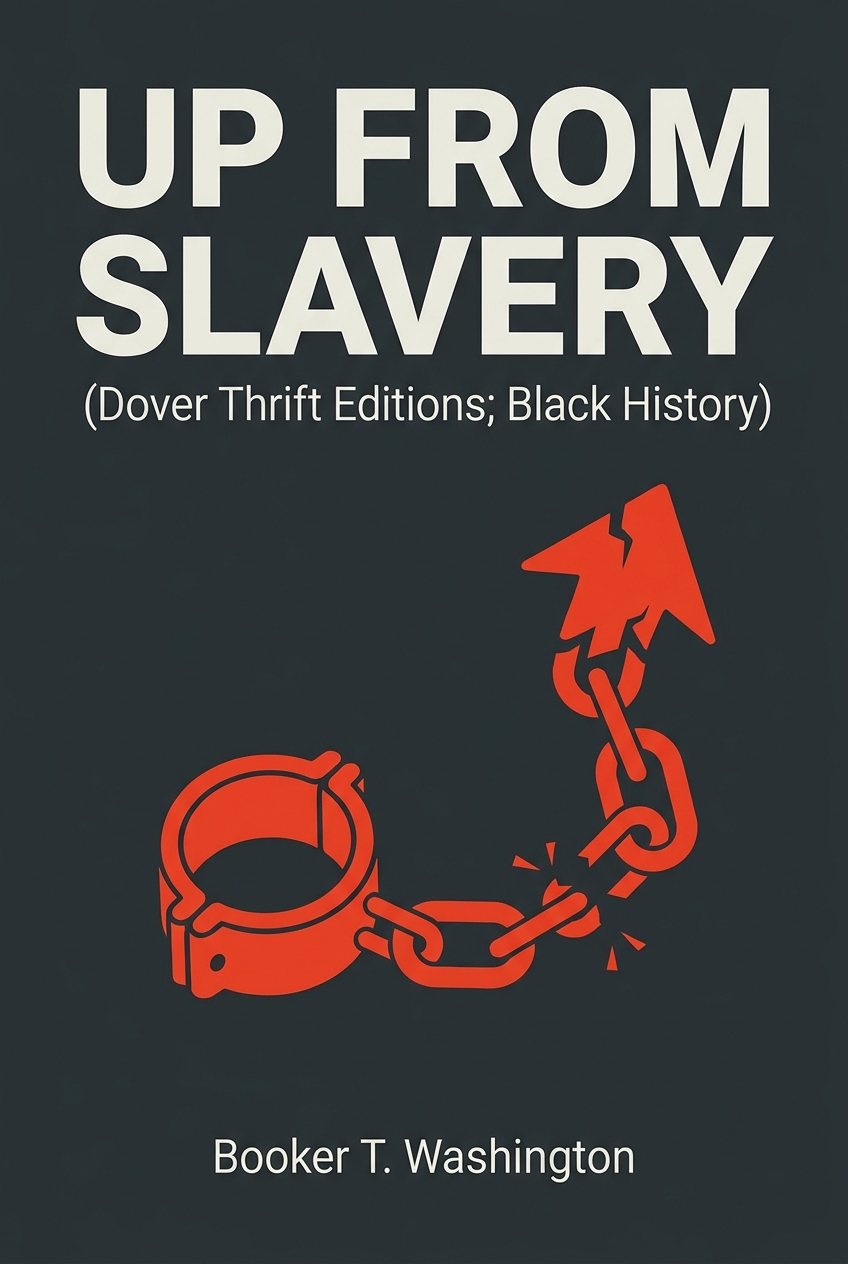
Up from Slavery (Dover Thrift Editions
Learn how Booker T. Washington rose from slavery to national leadership.
- Self-reliance can be achieved through education and hard work.
- Use strategic patience and cooperation to build influence.
- Overcoming obstacles requires a powerful, determined mindset.
Individuals seeking inspiration for personal and professional growth.
Learn how Booker T. Washington rose from slavery to national leadership.

Unseen
View powerful, unpublished New York Times photos of Black life.
- What's omitted from the news shapes our view of history.
- Witness pivotal, intimate, and everyday moments of Black life.
- Gain a richer, more complete understanding through unseen images.
Photojournalism fans curious about media's role in history.
View powerful, unpublished New York Times photos of Black life.
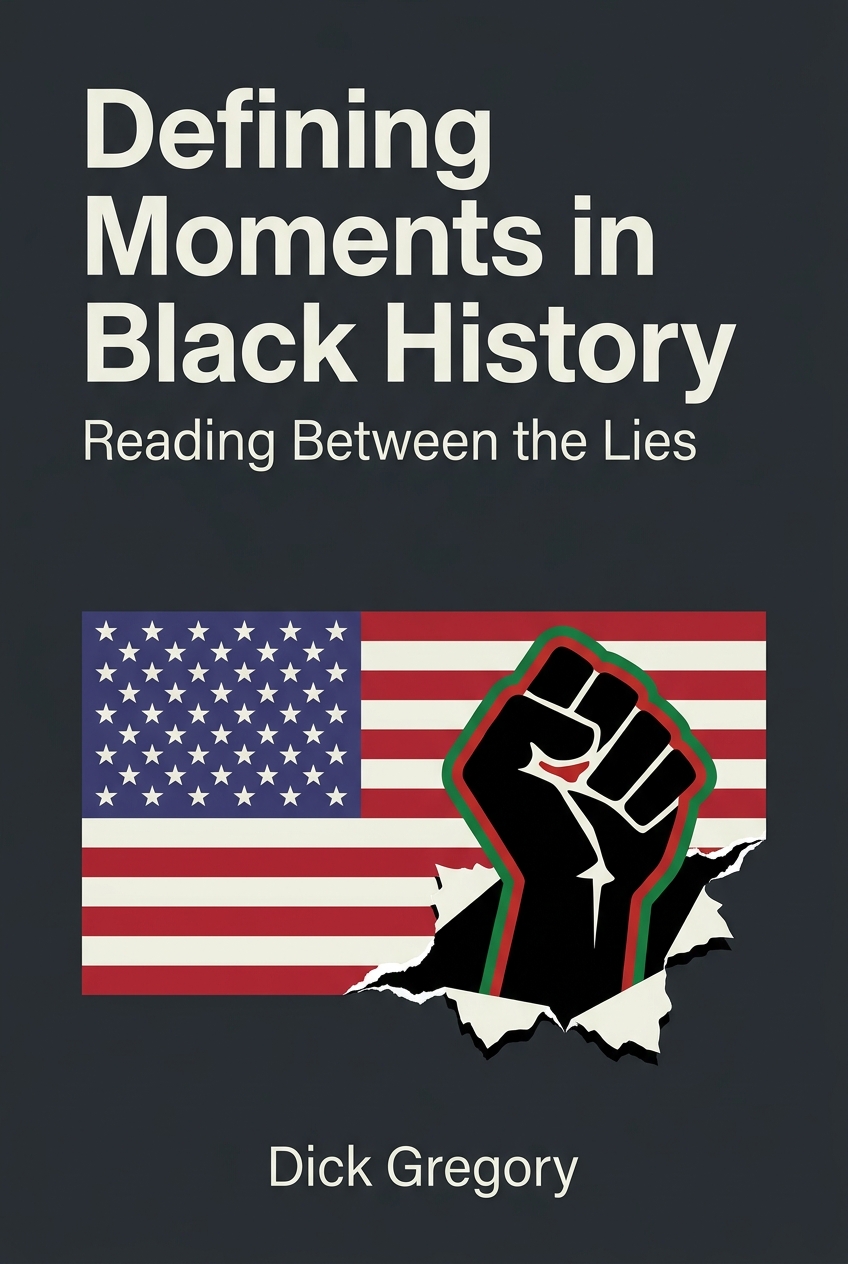
Defining Moments in Black History
Dick Gregory's final work redefines pivotal moments in US history.
- Textbook history often sanitizes stories of rebellion and genius.
- Unfiltered narratives reveal the true context of major events.
- Humor and activism can be powerful tools for historical truth.
Fans of Dick Gregory and readers seeking historical counter-narratives.
Dick Gregory's final work redefines pivotal moments in US history.
The Mis-Education of the Negro
Learn how Western education has undermined Black self-reliance.
- Traditional schooling can disconnect from community needs.
- Education was often designed to control, not empower.
- Reclaim intellectual freedom by creating a new kind of education.
Educators and activists rethinking the purpose of traditional schooling.
Learn how Western education has undermined Black self-reliance.
Illustrated Black History
Discover 145 groundbreaking but overlooked Black heroes and icons.
- Black history is filled with unsung heroes in every field.
- Stunning portraits and biographies bring hidden stories to life.
- Excellence and resilience have always defied incredible odds.
Art lovers and readers looking for inspiring historical biographies.
Discover 145 groundbreaking but overlooked Black heroes and icons.
A Raisin in the Sun
A family's dream clashes when a life-changing insurance check arrives.
- The American Dream is strained by race, class, and gender.
- A single financial decision can create explosive family conflict.
- Hope and dreams are constantly tested by societal barriers.
Readers of classic American plays and stories of family dynamics.
A family's dream clashes when a life-changing insurance check arrives.
Beloved
A mother's act of love born from slavery haunts her family.
- The trauma of the past can manifest as literal ghosts.
- A mother's desperate love can lead to an unthinkable choice.
- Confronting painful memories is a necessary step toward healing.
Readers of literary fiction exploring trauma, memory, and love.
A mother's act of love born from slavery haunts her family.
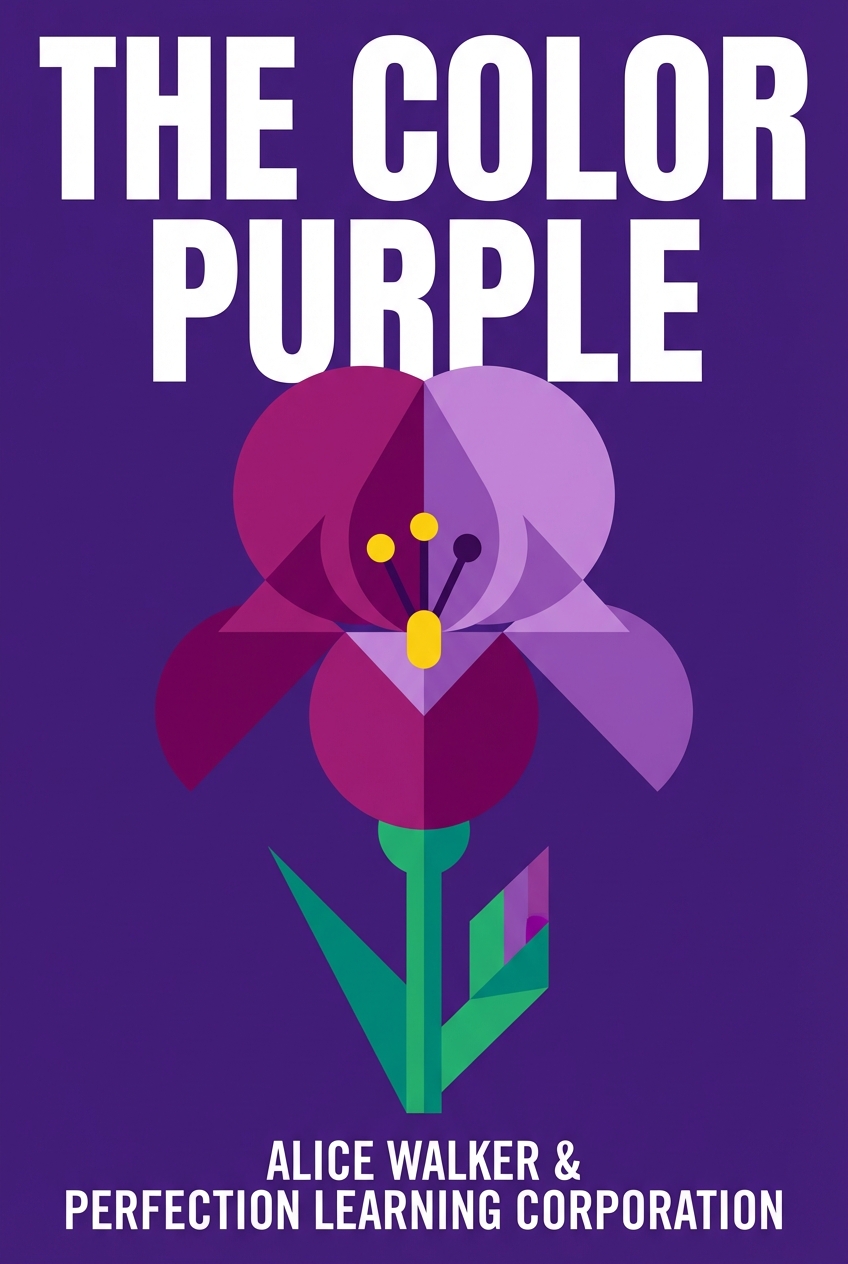
The Color Purple
One woman's journey from abuse to liberation through personal letters.
- An unbreakable spirit can overcome immense hardship.
- Finding one's voice is a powerful act of self-discovery.
- Sisterhood and love are key to liberation from oppression.
Those inspired by stories of resilience and finding your own voice.
One woman's journey from abuse to liberation through personal letters.
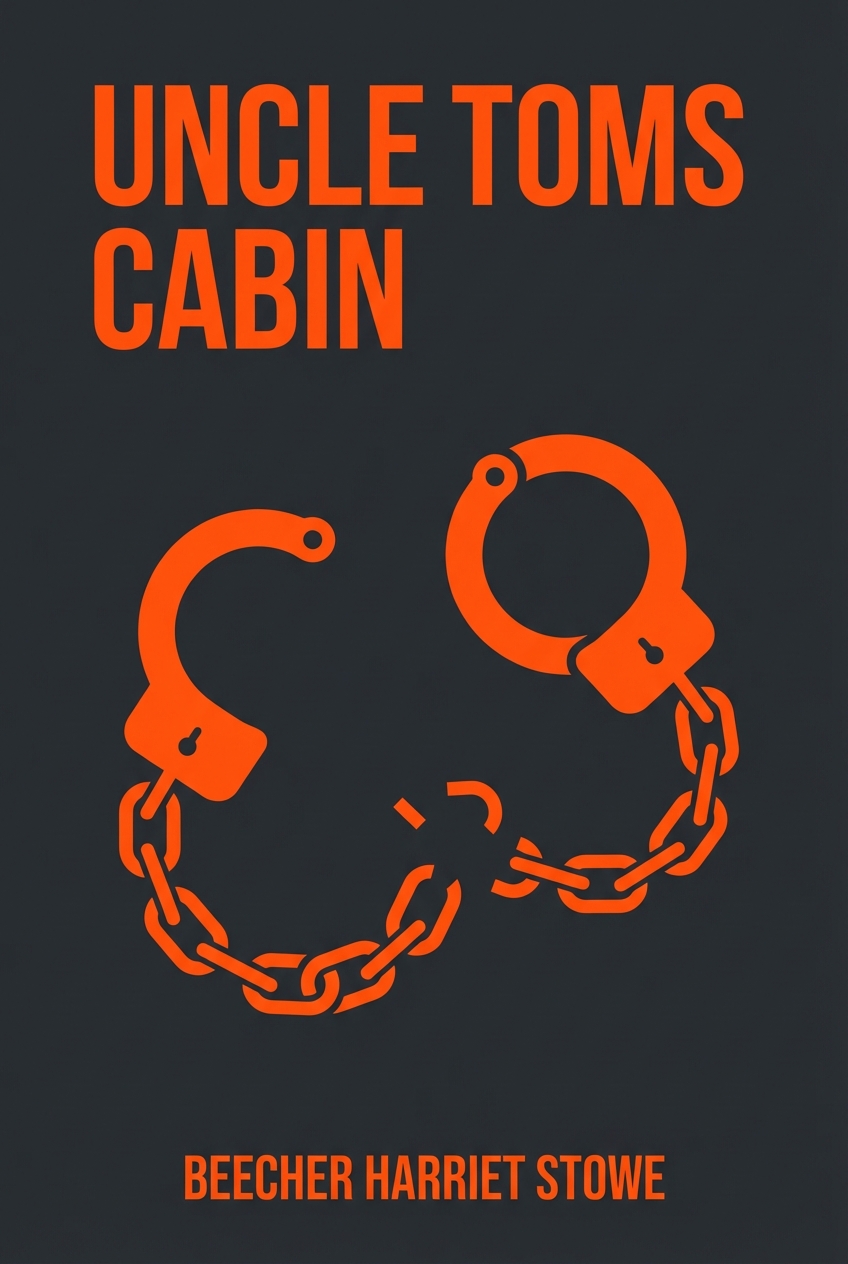
Uncle Toms Cabin
The powerful story that exposed the brutal reality of slavery to the world.
- A single story can hold immense political and social power.
- The book revealed slavery's inhumanity to a complacent public.
- Faith and family bonds are tested under extreme oppression.
History buffs interested in literature that shaped major events.
The powerful story that exposed the brutal reality of slavery to the world.
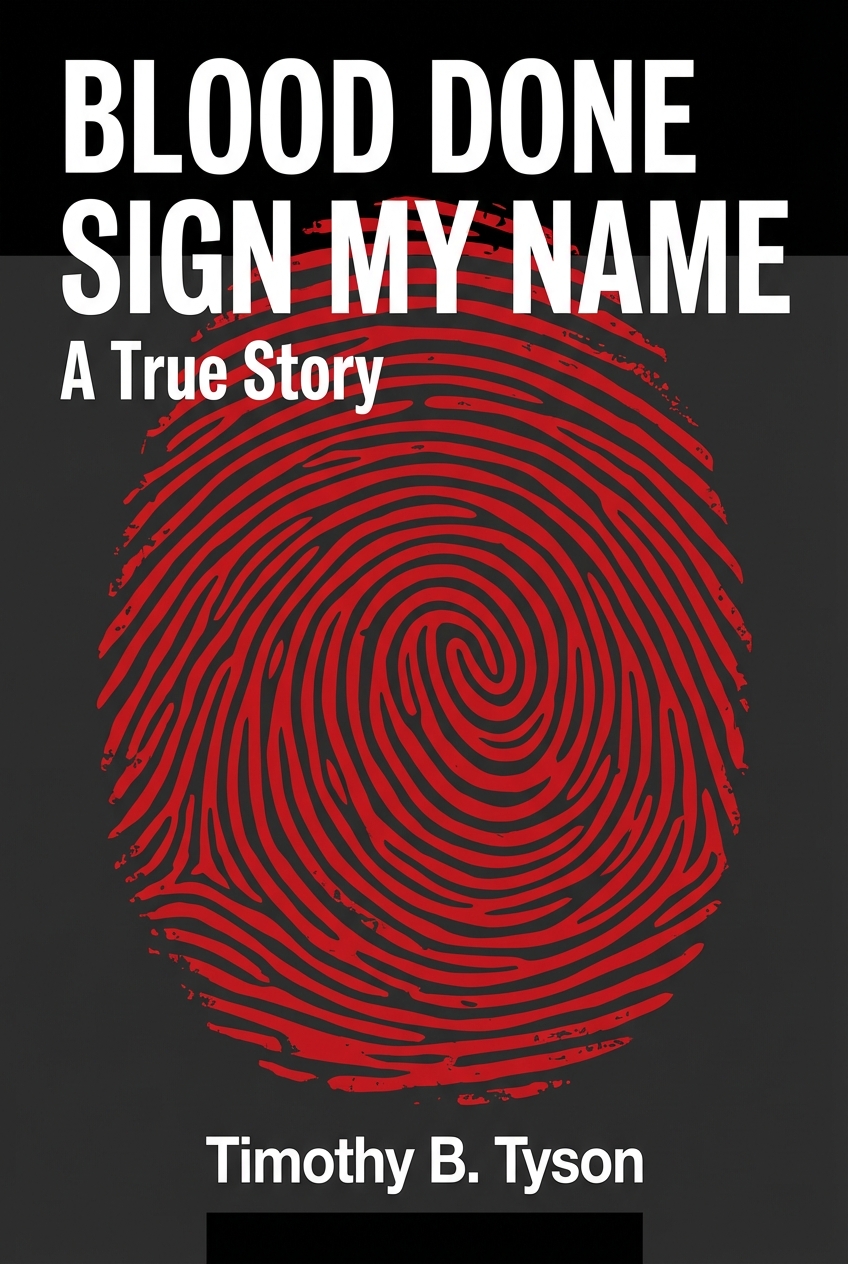
Blood Done Sign My Name
A 1970s murder ignites the Black Power movement in the South.
- A single event can expose deep-seated racial tensions.
- The Black Power movement was active and fiery in the South.
- Race, religion, and power are intricately linked in communities.
Readers of true crime and political history of the recent past.
A 1970s murder ignites the Black Power movement in the South.
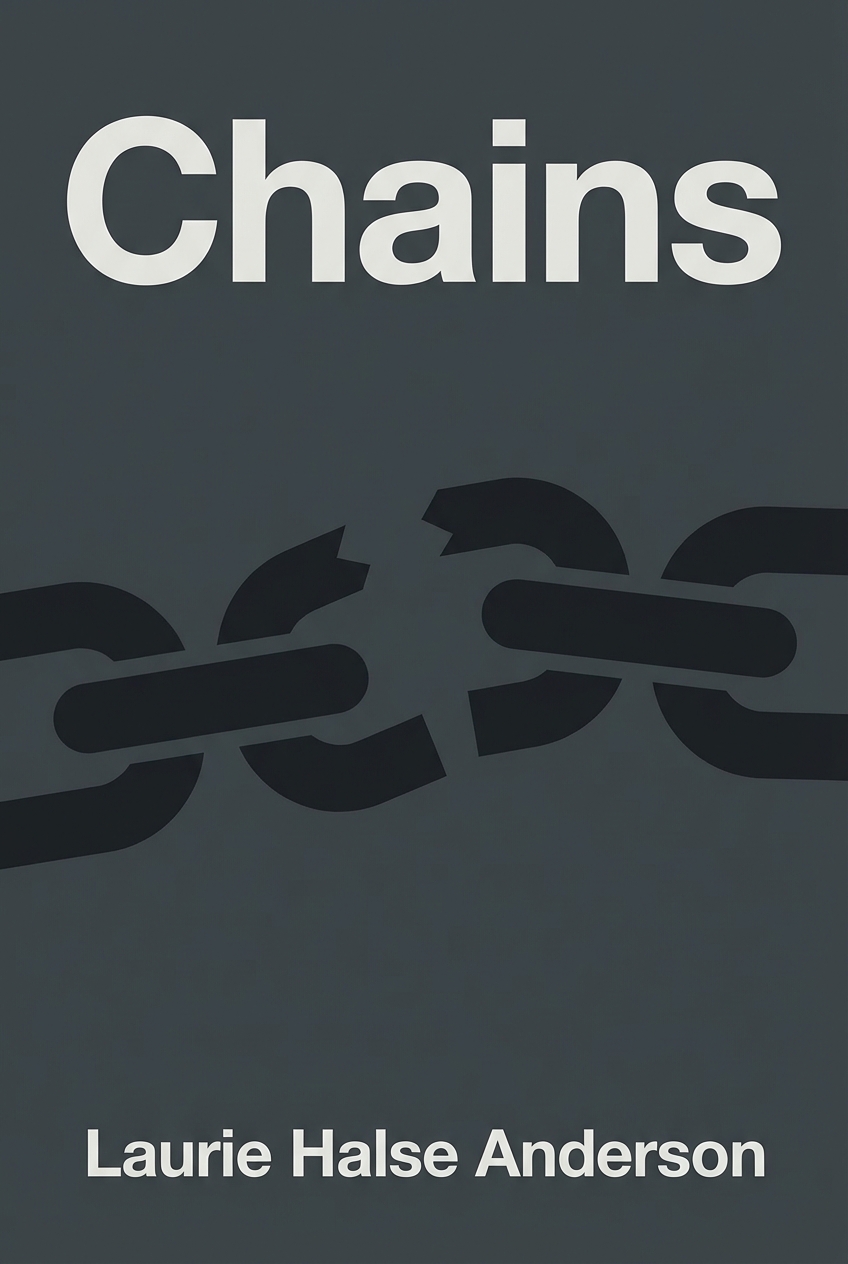
Chains
A young slave spies for the rebels during the American Revolution.
- The fight for liberty was built on the hypocrisy of slavery.
- True freedom requires risking everything against impossible odds.
- History looks different through the eyes of the enslaved.
Young adult readers interested in the Revolution's paradoxes.
A young slave spies for the rebels during the American Revolution.

The Watsons Go to Birmingham
A family road trip confronts the realities of the 1963 civil rights movement.
- Humor and love help families navigate challenging times.
- History becomes personal when experienced through a child's eyes.
- A single event can shatter innocence and teach powerful lessons.
Families and young readers learning about the Civil Rights era.
A family road trip confronts the realities of the 1963 civil rights movement.
Frequently Asked Questions
Studying African American history is crucial because it provides a more complete and accurate understanding of American history as a whole. It highlights the struggles, contributions, and resilience of Black Americans, offering vital context on issues of race, justice, and identity that continue to shape the nation.
African American history has profoundly shaped modern society, from influencing laws and politics through the Civil Rights Movement to defining vast parts of American culture, including music, language, and art. The ongoing fight for racial justice today is a direct extension of this long and complex history.
Key lessons include the power of resilience in the face of systemic oppression, the importance of community organizing for social change, and the critical role of telling one's own story. It teaches that progress is possible but requires constant vigilance and collective action.
Many black history books explore themes of resilience, the fight for civil rights and racial justice, the impact of slavery, and the creation of unique cultural identities. They often highlight untold stories of leaders and communities who persevered against systemic oppression.