All Books
Self-Growth
Business & Career
Health & Wellness
Society & Culture
Money & Finance
Relationships
Science & Tech
Fiction
Topics
Blog
Download on the App Store

American History Books

Understanding America's past is key to grasping its present. More than just a timeline of events, these texts explain why is american history important by revealing the complex forces and figures that shaped the nation. Our list of must read american history books offers diverse perspectives, from untold stories of marginalized communities to fresh takes on iconic moments. Each summary provides essential american history lessons that challenge conventional narratives and deepen your understanding of the country today. Curated by the VoxBrief team.

Related:
founding fatherscivil rights movementamerican revolution
#1
The Color of Law cover

The Color of Law

by Richard Rothstein

Uncover how the US government intentionally created modern racial segregation.

Key Takeaways
  • Federal policies, not just private prejudice, created segregated neighborhoods.
  • Zoning laws and housing programs were used to enforce racial boundaries.
  • These government actions have had lasting economic and social consequences.
Who Should Read

Urban planners, policymakers, or anyone curious about systemic inequality.
#2
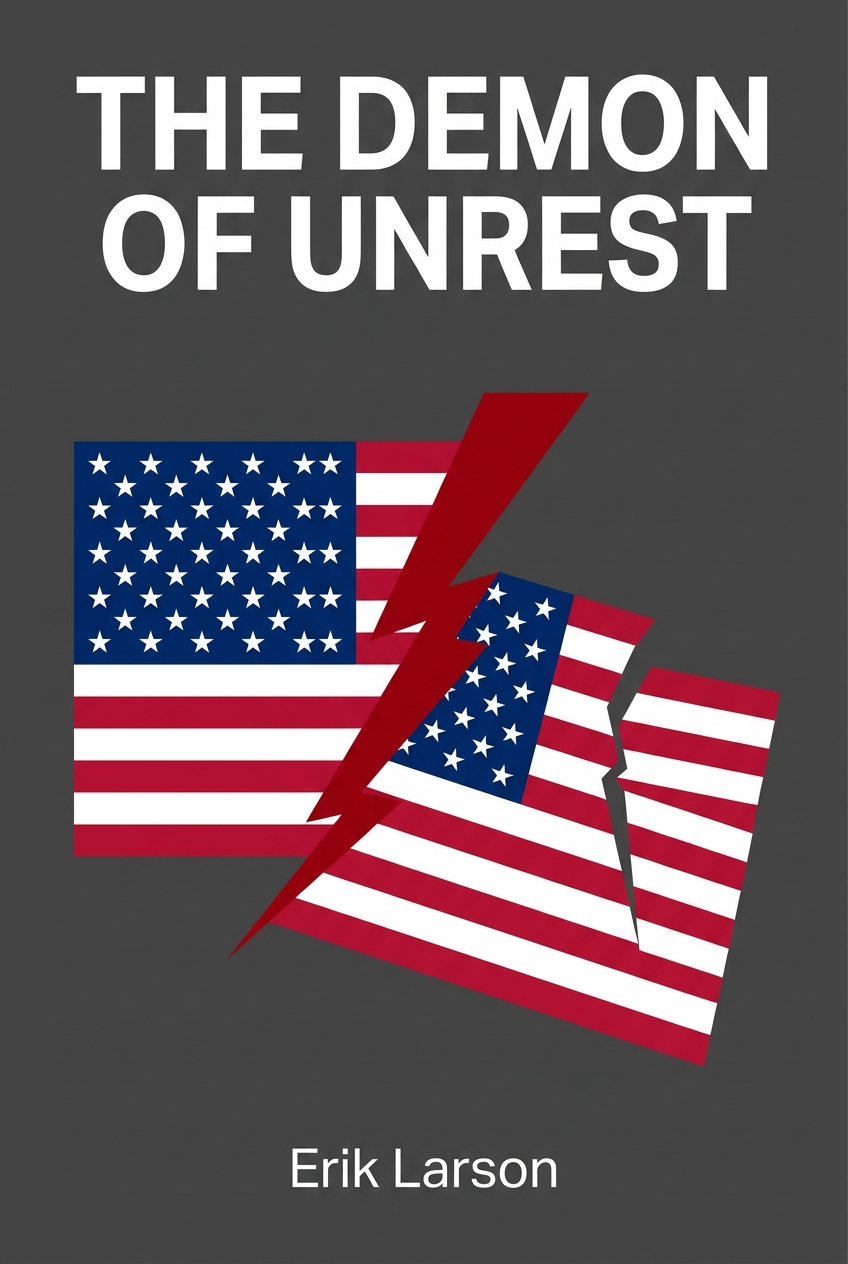
The Demon of Unrest cover

The Demon of Unrest

by Erik Larson

Explore the political blunders that plunged America into the Civil War.

Key Takeaways
  • The five months before the Civil War were filled with missed opportunities.
  • Key political figures' indecision and hubris escalated the crisis.
  • Secret plots and personal dramas played a major role in the conflict's start.
Who Should Read

Political junkies and readers fascinated by pivotal moments of crisis.

#3
The Forgotten 500 cover

The Forgotten 500

by Gregory A. Freeman

The true story of WWII's largest and most secret rescue mission.

Key Takeaways
  • Over 500 airmen were rescued from behind enemy lines in Nazi-occupied Yugoslavia.
  • The mission, Operation Halyard, was a collaboration with Serbian guerrillas.
  • Local villagers showed immense courage by risking their lives to hide the airmen.
Who Should Read

Fans of military history and incredible true stories of heroism.

#4
The Accidental President cover

The Accidental President

by A. J. Baime

How Harry Truman navigated his first chaotic months as president.

Key Takeaways
  • Truman became president with no briefing on major WWII-era projects.
  • He faced immense pressure making decisions about the atomic bomb and postwar order.
  • His leadership was defined by pragmatism and decisiveness under fire.
Who Should Read

Aspiring leaders or anyone interested in presidential decision-making.

#5
Lies My Teacher Told Me cover

Lies My Teacher Told Me

by James W. Loewen

Debunk the myths and fabrications taught in American history classrooms.

Key Takeaways
  • Standard textbooks often present a sanitized and nationalistic view of history.
  • Many historical figures are far more complex than their popular portrayals.
  • Understanding these hidden truths is crucial for accurate historical literacy.
Who Should Read

Students, teachers, and anyone questioning the history they were taught.

#6
Black AF History cover

Black AF History

by Michael Harriot

Experience American history told entirely from a Black perspective.

Key Takeaways
  • US history is incomplete without the suppressed stories of Black Americans.
  • Black resilience and rebellion have been central forces in shaping the nation.
  • This perspective challenges the traditional whitewashed historical narrative.
Who Should Read

Readers seeking a decolonized view of history that centers Black stories.

#7
A Patriot's History of the United States cover

A Patriot's History of the United States

by Larry Schweikart, Michael Allen

A celebration of America as a beacon of freedom and force for good.

Key Takeaways
  • America's founding principles are a source of enduring national strength.
  • The nation's history is one of triumph, innovation, and exceptionalism.
  • This patriotic american history book restores pride in the country's accomplishments.
Who Should Read

Readers looking for an uplifting, patriotic interpretation of US history.

#8
The American Revolution cover

The American Revolution

by Geoffrey C. Ward, Ken Burns

The real, messy human drama behind America's fight for independence.

Key Takeaways
  • The Revolution was driven by the sacrifices of ordinary, diverse people.
  • Personal letters and diaries reveal the conflict's intimate, human side.
  • The fight for independence was more complex than just battles and leaders.
Who Should Read

Those who enjoy narrative history focused on personal and untold stories.

#9
The Wright Brothers cover

The Wright Brothers

by David McCullough

How two bicycle mechanics with no formal training taught the world to fly.

Key Takeaways
  • Success came from relentless experimentation and a rigorous scientific method.
  • Their private lives were defined by intellectual curiosity and family support.
  • They solved complex engineering problems that stumped leading experts.
Who Should Read

Innovators, entrepreneurs, and anyone inspired by stories of perseverance.

Frequently Asked Questions

Studying American history is crucial because it explains how our society, government, and culture came to be. It provides context for current events, reveals the origins of ongoing social and political issues, and helps us learn from past mistakes and triumphs.

Key lessons include the ongoing struggle for equality, the power of innovation to drive progress, and the importance of civic engagement in a democracy. Many of the best american history books explore these lessons by showing that history is often complex and told from many different viewpoints.

American history directly shaped the world today through its democratic principles, its economic impact on global markets, and its cultural influence worldwide. Excellent american history books make clear how foundational decisions on race, land, and law continue to have profound effects on contemporary American life.

Browse all topics →