Atul Gawande Books
Renowned for his captivating atul gawande writing style, surgeon Atul Gawande transforms complex medical topics into profound human stories. His work explores the fallibility of medicine, the challenges of aging, and the simple systems that can save lives. This curated collection gathers the best atul gawande books alongside powerful works from other medical authors who share his dedication to uncovering the truth behind the profession. It is an essential reading list for anyone curious about the human side of medicine. Curated by the VoxBrief team.
When Breath Becomes Air
A brilliant neurosurgeon confronts his own mortality after a terminal diagnosis.
- Confronting death reveals what makes life meaningful.
- The role of a doctor shifts dramatically when one becomes a patient.
- Finding purpose is possible even when the future is uncertain.
Anyone grappling with mortality, loss, or the true meaning of life.
A brilliant neurosurgeon confronts his own mortality after a terminal diagnosis.
Being Mortal
Challenge your beliefs on aging and death to ensure a meaningful final chapter.
- The medical system often fails patients at the end of life.
- Discussing end-of-life wishes is crucial for quality of life.
- Prioritizing autonomy and purpose is more important than mere survival.
Anyone caring for aging loved ones or planning for an uncertain future.
Challenge your beliefs on aging and death to ensure a meaningful final chapter.
Do No Harm
Enter the high-stakes world of brain surgery and its intense ethical dilemmas.
- Brain surgery is a field of terrifying risk and profound responsibility.
- Surgeons face intense emotional and ethical choices daily.
- The line between a successful surgery and a disaster is incredibly thin.
Those curious about the intense pressures and realities of a surgeon's life.
Enter the high-stakes world of brain surgery and its intense ethical dilemmas.
The Checklist Manifesto
Conquer complexity and prevent critical errors with a simple, powerful tool.
- Even experts fail due to the sheer complexity of modern tasks.
- Simple checklists improve teamwork, discipline, and overall performance.
- This tool can be applied to any industry beyond just medicine.
Professionals in high-stakes fields seeking to improve their outcomes.
Conquer complexity and prevent critical errors with a simple, powerful tool.
The Man Who Mistook His Wife for a Hat
Explore bizarre neurological cases that reveal the brain's strange wiring.
- Neurological disorders reveal the fragile link between brain and identity.
- The brain's perception of reality is surprisingly easy to disrupt.
- Empathy is crucial when treating patients with bizarre conditions.
Readers fascinated by the mysteries of the human brain and consciousness.
Explore bizarre neurological cases that reveal the brain's strange wiring.
Complications
Go behind the scenes of an operating room to see medicine's imperfections.
- Medicine is an imperfect science, and errors are an inherent part of it.
- Surgeons endure intense training to manage constant uncertainty.
- Ethical dilemmas are a daily reality in medical decision-making.
Aspiring medical professionals or anyone curious about hospital realities.
Go behind the scenes of an operating room to see medicine's imperfections.
Better
Discover three core virtues that elevate performance from good to great.
- Superior performance stems from diligence, doing right, and ingenuity.
- Relentless attention to detail prevents common and costly mistakes.
- A strong moral compass guides better decisions under pressure.
Individuals in any profession who are aspiring to achieve exceptional results.
Discover three core virtues that elevate performance from good to great.
Admissions
An unfiltered look at the triumphs, failures, and pressures of brain surgery.
- A surgeon's career is defined by both profound triumphs and failures.
- Hard-won wisdom comes from decades of facing life-or-death decisions.
- The doctor-patient relationship is incredibly complex and emotional.
Anyone wanting an honest, unflinching memoir of a life spent in medicine.
An unfiltered look at the triumphs, failures, and pressures of brain surgery.
Every Patient Tells a Story
Learn to think like a master diagnostician and become an empowered patient.
- Careful listening to a patient's story is key to proper diagnosis.
- Physical exams often reveal crucial details missed by high-tech scans.
- Patients can become better advocates for their own health and well-being.
Patients who want to be more proactive and involved in their medical care.
Learn to think like a master diagnostician and become an empowered patient.
How Doctors Think
Decode your doctor's thinking to avoid bias and get the best possible care.
- Doctors are prone to cognitive shortcuts that can lead to misdiagnosis.
- Snap judgments and emotional reasoning can negatively impact patient care.
- Patients can ask questions to ensure a more thorough diagnosis.
Anyone who wants to become a more effective partner in their own healthcare.
Decode your doctor's thinking to avoid bias and get the best possible care.
The Laws of Medicine
Discover the three unwritten rules that guide doctors through uncertainty.
- Medicine operates on principles that go beyond pure science.
- A physician's wise intuition can be as vital as a strong test result.
- Uncertainty is a fundamental law that good doctors learn to master.
Problem-solvers and leaders interested in decision-making under pressure.
Discover the three unwritten rules that guide doctors through uncertainty.
Life Lessons from a Brain Surgeon
Upgrade your brain's performance with a neurosurgeon's practical techniques.
- Practical daily habits can improve focus, memory, and creativity.
- You can train your brain to perform better under high-stress situations.
- Nutrition and lifestyle choices directly impact your cognitive function.
Individuals seeking to optimize their mental performance and brain health.
Upgrade your brain's performance with a neurosurgeon's practical techniques.
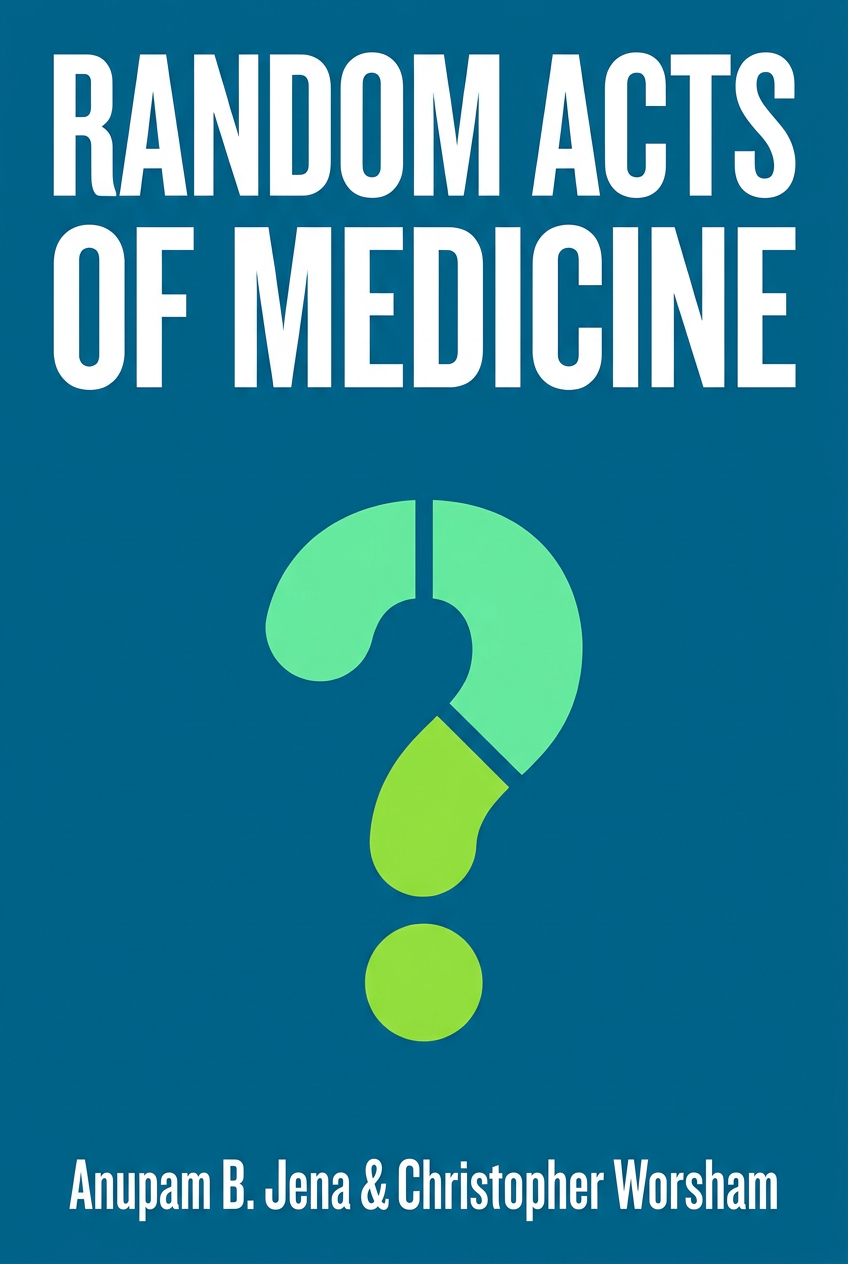
Random Acts of Medicine
Uncover the surprising random factors that secretly influence medical care.
- Healthcare outcomes are often influenced by non-medical, random events.
- Natural experiments using data reveal hidden biases in the health system.
- Awareness of these quirks can lead to better and fairer policies.
Data geeks and anyone curious about the hidden forces shaping healthcare.
Uncover the surprising random factors that secretly influence medical care.
Frequently Asked Questions
While it's subjective, 'Being Mortal' is often cited as his most impactful and important work. It powerfully addresses aging, death, and medicine's role in our final chapters, resonating deeply with both medical professionals and the general public.
'Complications' is an excellent starting point. It was his first book and offers a gripping, story-driven look into the world of surgery and medical error. Its accessible narrative style introduces the core themes he explores in his later works.
You can read them in any order, but reading them by publication date offers a great journey. Start with 'Complications' (2002), then 'Better' (2007), 'The Checklist Manifesto' (2009), and finally 'Being Mortal' (2014) to see the evolution of his ideas.
His work consistently explores the intersection of human fallibility and medical science. Common themes include the inevitability of medical error, the importance of systems (like checklists) to improve outcomes, and the need for medicine to prioritize human dignity and quality of life.