Books Like Dune
After experiencing the epic world-building and political intrigue of Arrakis, finding your next read can feel like a daunting quest. If you're searching for novels like dune, you've come to the right place. This collection features grand space operas, deep philosophical questions, and revolutionary heroes. These stories will transport you to new universes filled with complex societies and high-stakes conflicts, perfect for anyone who loves sprawling, ambitious science fiction. Curated by the VoxBrief team.

Project Hail Mary
A lone astronaut must solve an interstellar mystery to save Earth, but he has amnesia.
- Problem-solve cosmic threats using first-principles scientific thinking.
- Foster alliances with unexpected partners to achieve a common goal.
- Memory and identity are not prerequisites for heroic action.
Sci-fi fans who love hard science, witty humor, and big-idea space stories.
A lone astronaut must solve an interstellar mystery to save Earth, but he has amnesia.
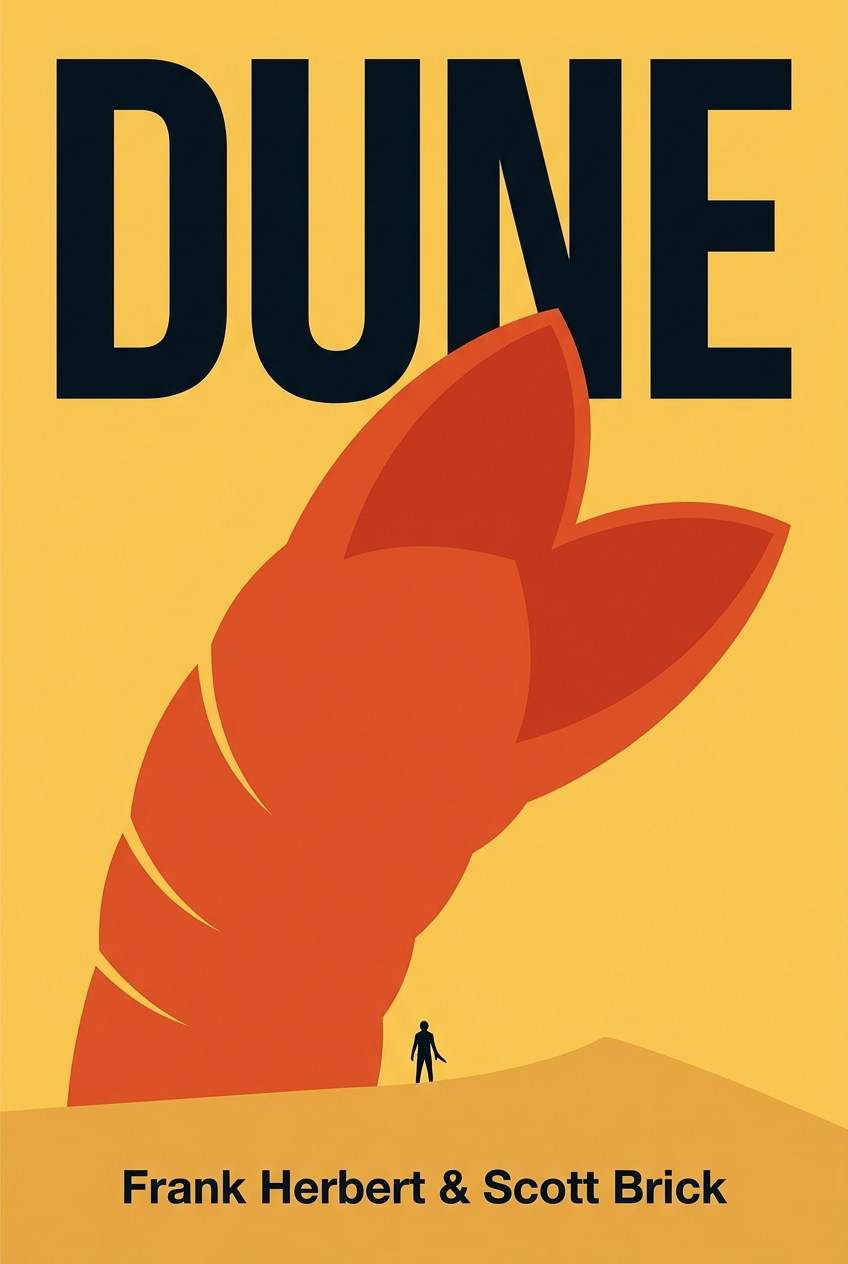
Dune
A young noble must master a hostile desert planet to control its priceless resource.
- Leverage scarce resources to gain immense political and economic power.
- Understand deep cultural traditions to build alliances and influence.
- Long-term planning and prescience are keys to navigating treachery.
Readers seeking a dense, layered epic of politics, religion, and ecology.
A young noble must master a hostile desert planet to control its priceless resource.
Red Rising
A low-caste worker infiltrates the elite ruling class to ignite a brutal revolution.
- Use deception and infiltration to dismantle oppressive social hierarchies.
- Turn your enemy's strengths and traditions against them in warfare.
- Inspire rebellion by embodying the change you want to see.
Fans of fast-paced, violent sci-fi with a revolutionary heart.
A low-caste worker infiltrates the elite ruling class to ignite a brutal revolution.
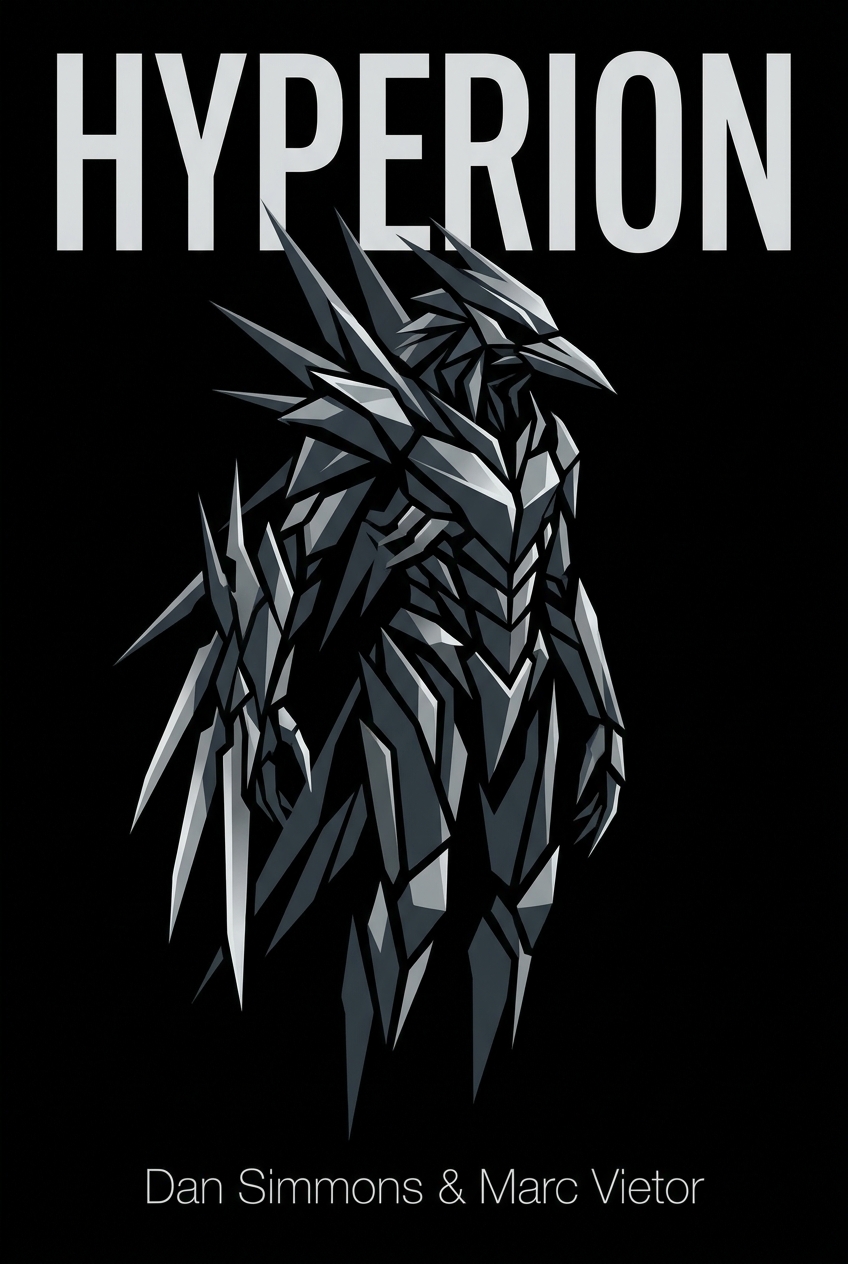
Hyperion
Seven pilgrims journey to face a mysterious being, sharing tales that shape a universe.
- Individual stories and secrets can weave a larger, universal tapestry.
- Faith, art, and science are intertwined facets of the human experience.
- Confronting a shared, terrifying mystery can unite disparate people.
Those who enjoy literary, philosophical sci-fi with a non-linear structure.
Seven pilgrims journey to face a mysterious being, sharing tales that shape a universe.

The Stars, Like Dust
A university student becomes the key to a rebellion against a galactic empire.
- A single person's courage can become the catalyst for galactic change.
- Navigating political intrigue is essential to surviving a tyrannical system.
- The search for a legendary ideal can inspire a concrete rebellion.
Lovers of classic space opera featuring spies, politics, and underdog heroes.
A university student becomes the key to a rebellion against a galactic empire.

Lord of Light
A god-like being challenges his peers by reintroducing Buddhism to an oppressed populace.
- Technology and mythology can be combined to create systems of control.
- Ideological rebellion can be as powerful as physical warfare.
- Rejecting immense power can be the ultimate act of wielding it.
Readers who enjoy sci-fi blended with mythology, theology, and philosophy.
A god-like being challenges his peers by reintroducing Buddhism to an oppressed populace.

The Player of Games
A master gamer is tested in a high-stakes contest that decides a civilization's fate.
- Games and play can function as complex political and social systems.
- A utopian mind is challenged when confronted with a brutal, alien culture.
- Mastery in one field is redefined when applied in a new, high-stakes context.
Sci-fi fans who appreciate grand ideas, complex games, and post-scarcity societies.
A master gamer is tested in a high-stakes contest that decides a civilization's fate.

Look To Windward
A utopian society grapples with the devastating fallout of a past war it instigated.
- Even well-intentioned interventions can have devastating, long-term costs.
- Civilizations must confront past sins to find a path to atonement.
- Personal grief and memory can drive galaxy-spanning political motives.
Readers interested in thoughtful sci-fi exploring guilt, memory, and consequences.
A utopian society grapples with the devastating fallout of a past war it instigated.
Frequently Asked Questions
After Dune, many readers enjoy "Red Rising" for its focus on social upheaval and a messianic hero, or "Hyperion" for its deep world-building and philosophical scope. Both capture the epic feel of Frank Herbert's universe in their own unique ways.
While no book is exactly like it, Pierce Brown's "Red Rising" is often recommended as a spiritual successor. It shares themes of a stratified society, a young protagonist rising to challenge the system, and intense, large-scale conflict.
Yes, Andy Weir's "Project Hail Mary" is an excellent choice. While less focused on politics, it delivers an epic, high-stakes story grounded in scientific problem-solving, reminiscent of the ecological depth in Dune but with a modern, hard sci-fi twist.
The books on this list share key elements with Dune: grand-scale world-building, complex political and social systems, philosophical or religious undertones, and a central conflict that could decide the fate of humanity or an entire civilization.