Books To Read To Be Smart
Boosting your intelligence isn't about memorizing facts; it's about upgrading your mental models. This collection of essential reading provides profound insights into how to learn, think, and communicate more effectively. From mastering cognitive biases to absorbing information at rapid speeds, these books offer a roadmap to a sharper mind. Our top picks cover the frameworks and techniques you need to build lasting knowledge and make better decisions in every aspect of your life. Curated by the VoxBrief team.
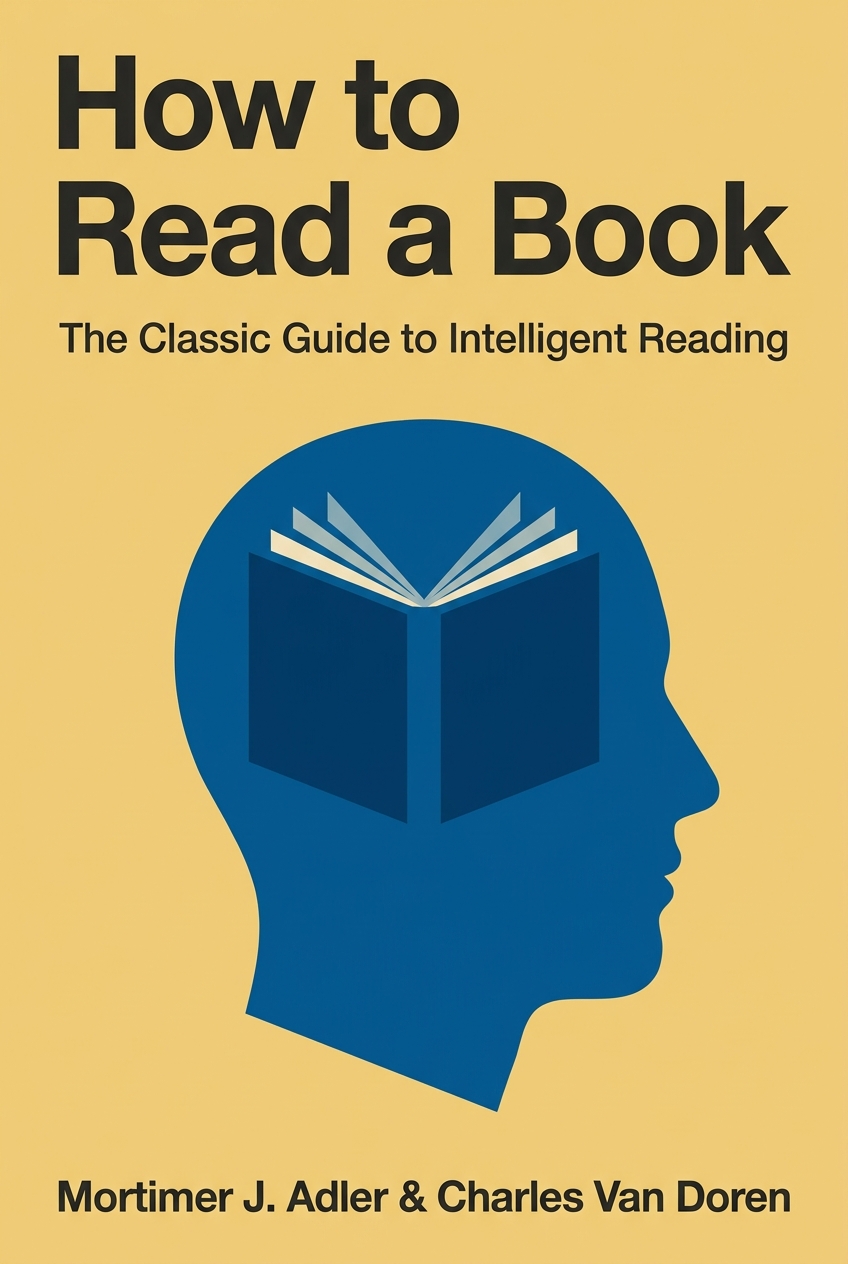
How to Read a Book
Go beyond seeing words to truly understanding and retaining what you read.
- Master the four distinct levels of reading, from basic to syntopical.
- Learn to dissect a book's structure and core arguments.
- Ask critical questions to actively engage with the author's ideas.
Students and lifelong learners wanting to deepen their comprehension.
Go beyond seeing words to truly understanding and retaining what you read.
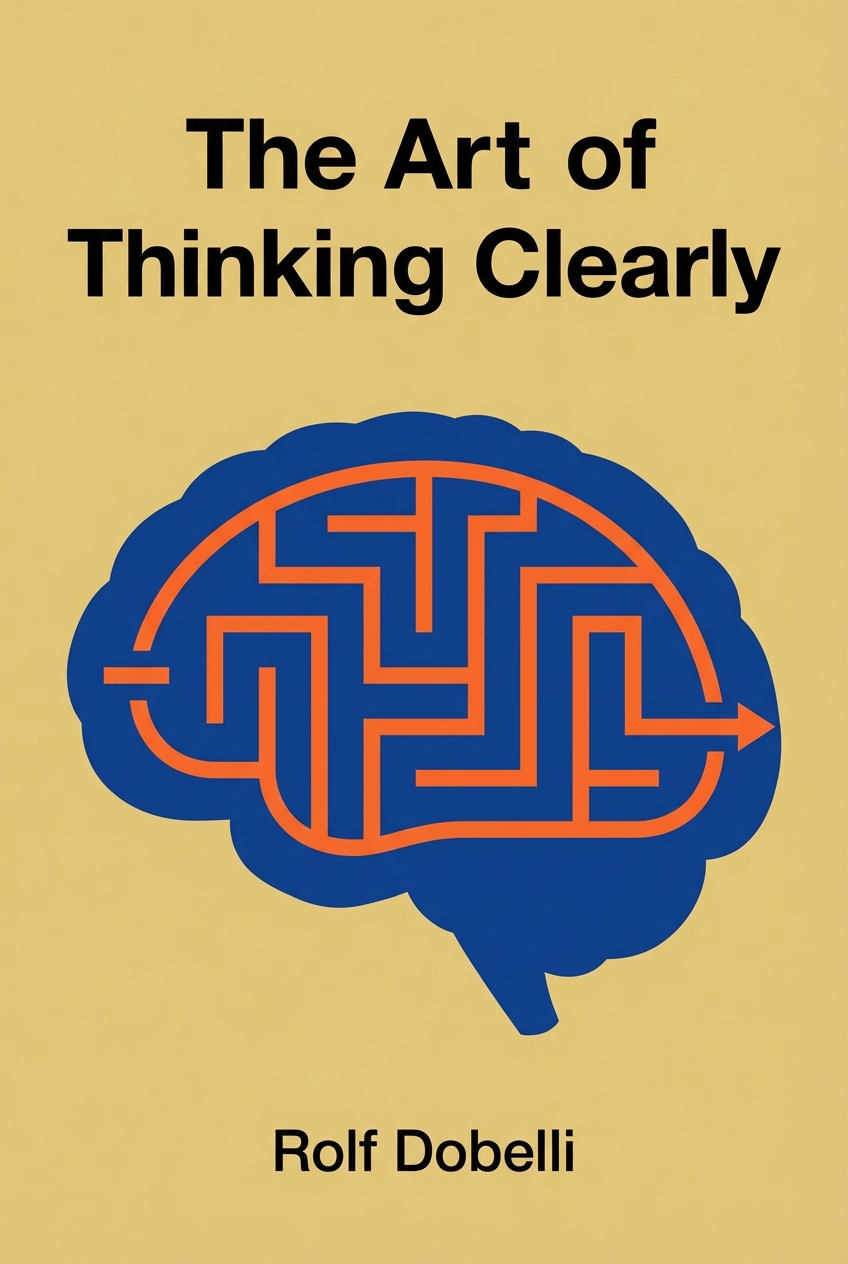
The Art of Thinking Clearly
Uncover the 99 cognitive biases that lead to poor daily decisions.
- Identify hidden mental shortcuts that consistently cloud your judgment.
- Recognize common fallacies in your own thinking and in others.
- Use simple heuristics to make more rational choices every day.
Anyone looking to improve their decision-making and avoid mental traps.
Uncover the 99 cognitive biases that lead to poor daily decisions.
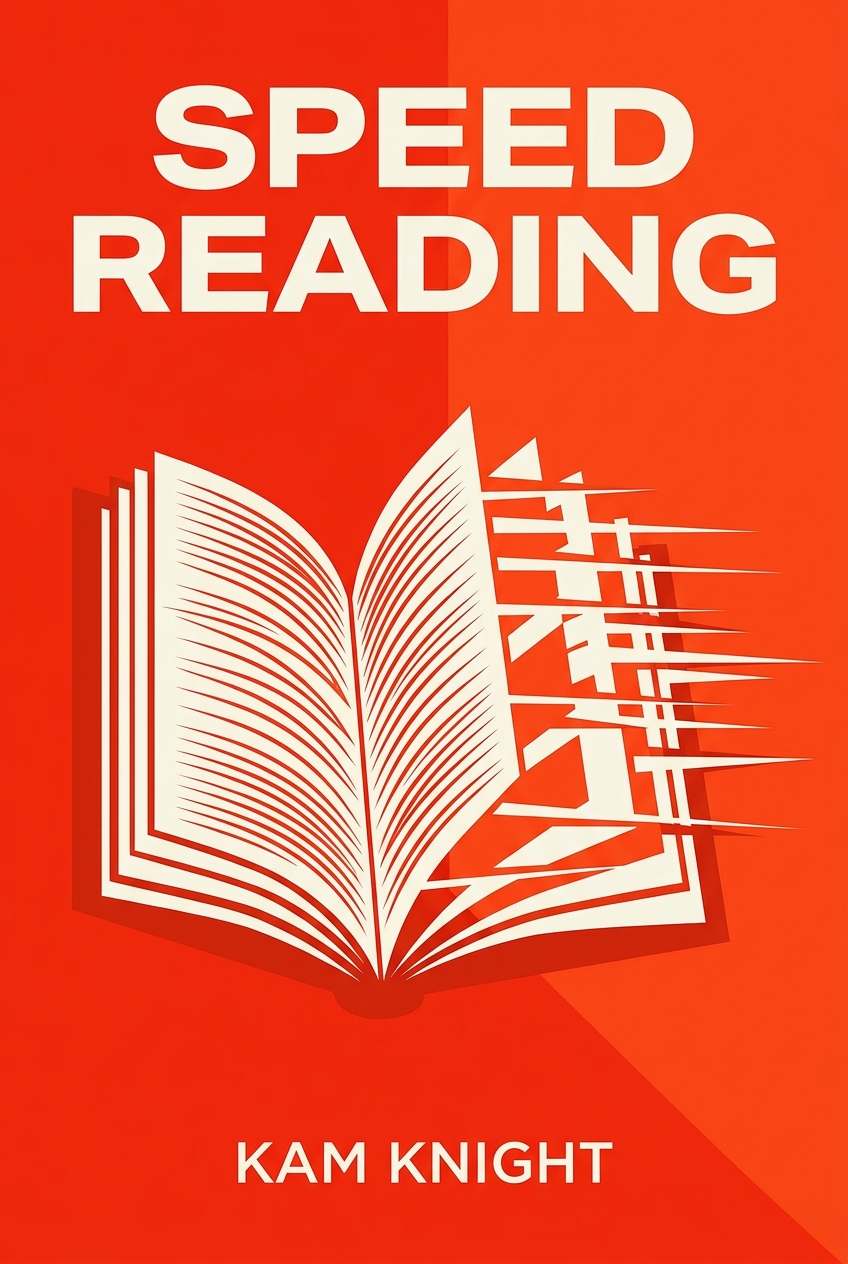
Speed Reading
Learn to read significantly faster than ever before while boosting your recall.
- Eliminate subvocalization to dramatically increase your reading speed.
- Expand your vision to absorb information in chunks, not single words.
- Quickly identify a book's core ideas and skip unnecessary fluff.
People overwhelmed by their reading list and seeking efficiency.
Learn to read significantly faster than ever before while boosting your recall.
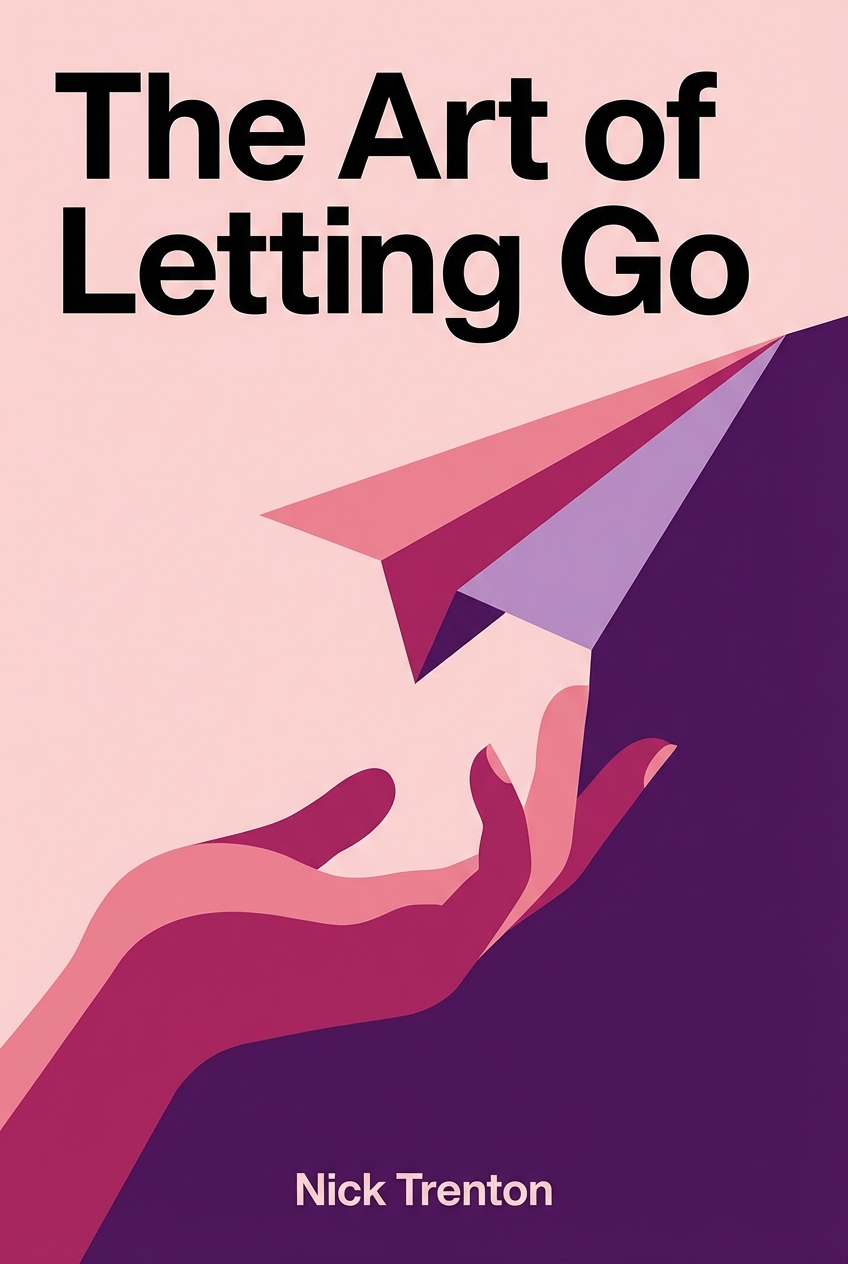
The Art of Letting Go
Break free from overthinking and silence your inner critic for good.
- Identify the psychological traps that keep you stuck in negativity.
- Learn science-backed techniques to release resentments and painful memories.
- Detach from outcomes you can't control to find lasting inner peace.
Individuals struggling with anxiety, rumination, or past regrets.
Break free from overthinking and silence your inner critic for good.
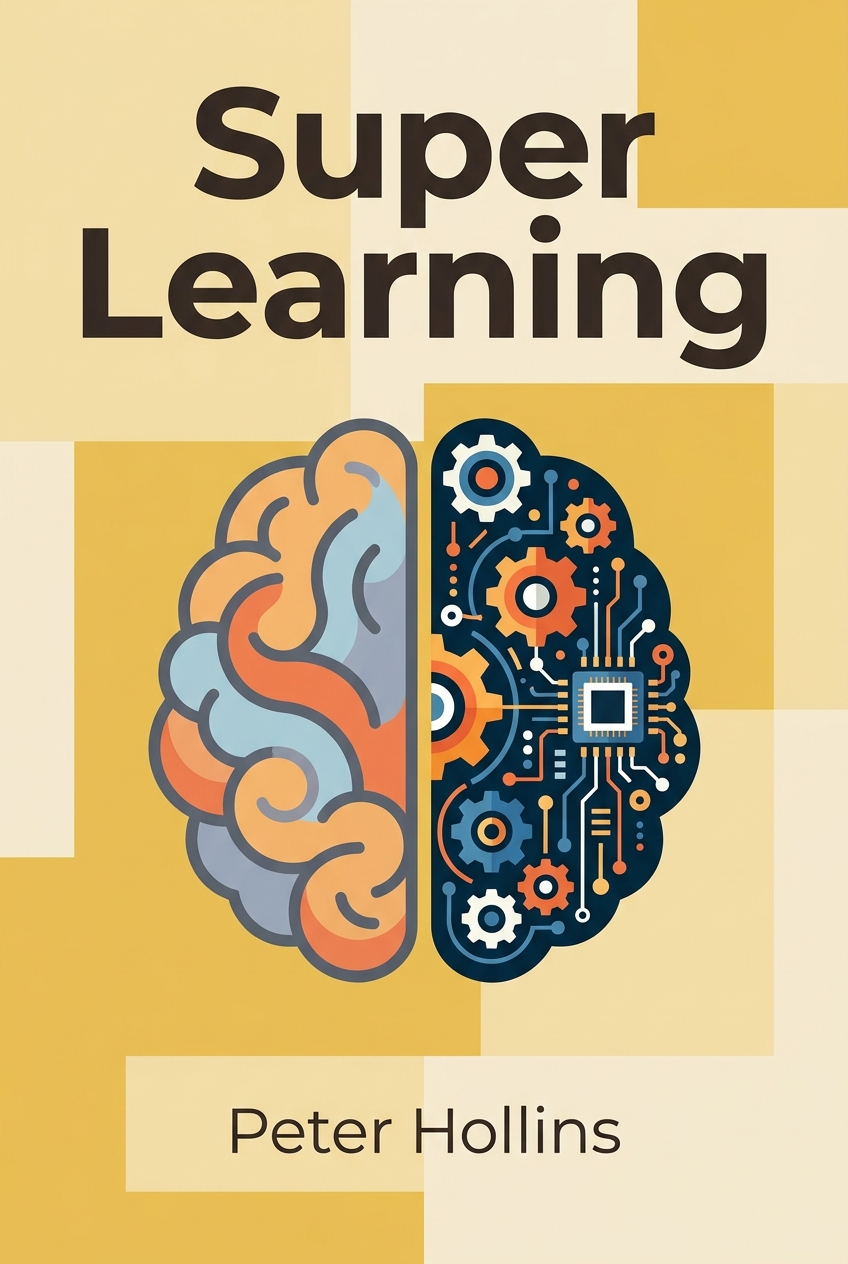
Super Learning
Absorb knowledge faster and recall it instantly with proven techniques.
- Use powerful mental models to build deep, lasting expertise in any subject.
- Go beyond memorization to truly understand and connect complex ideas.
- Cut your required study and learning time in half.
Students and professionals who need to master new skills quickly.
Absorb knowledge faster and recall it instantly with proven techniques.
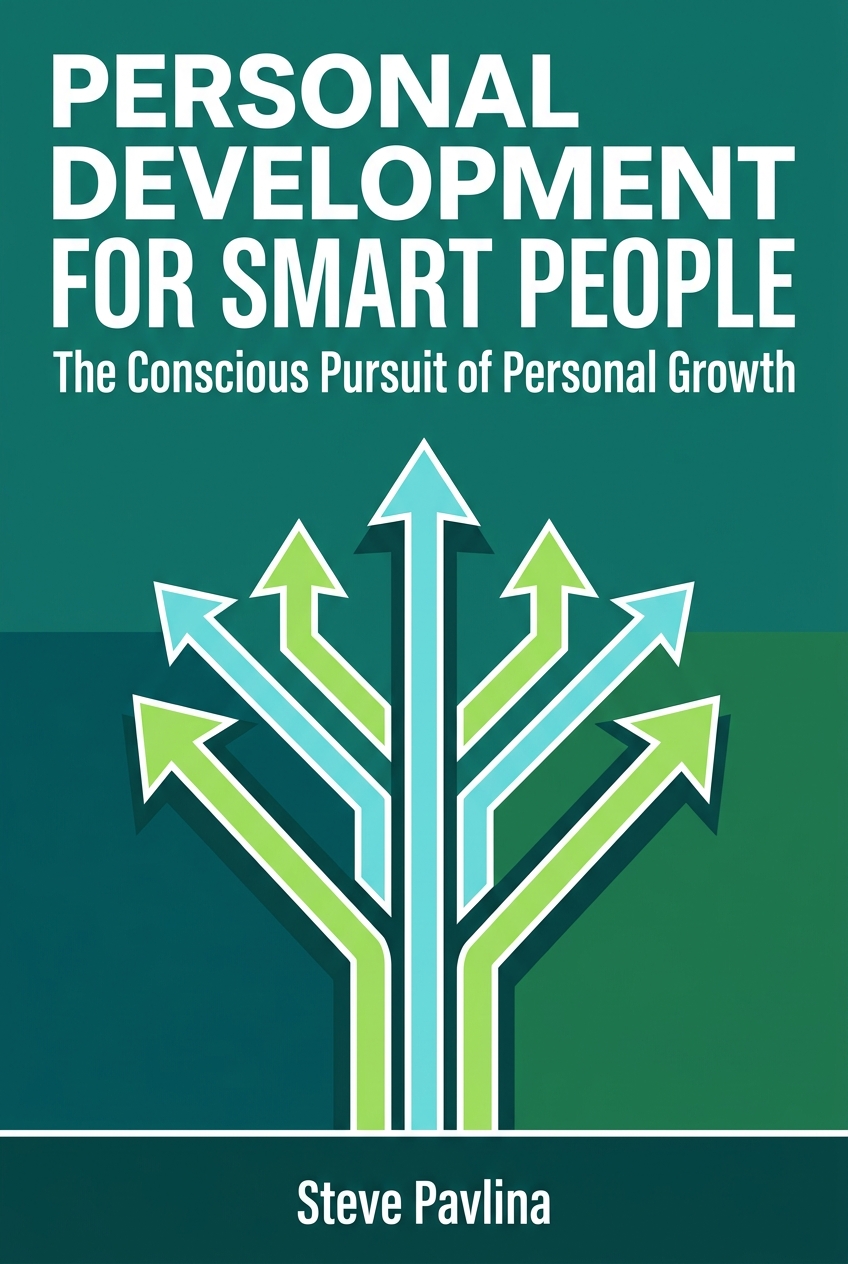
Personal Development for Smart People
Build a fulfilling life with a unified framework, not just random tips.
- Align your life with the three core principles of Truth, Love, and Power.
- Apply this integrated framework to career, health, and relationships.
- Create authentic, principle-based growth instead of chasing short-term hacks.
Analytical thinkers seeking a logical, integrated approach to self-help.
Build a fulfilling life with a unified framework, not just random tips.
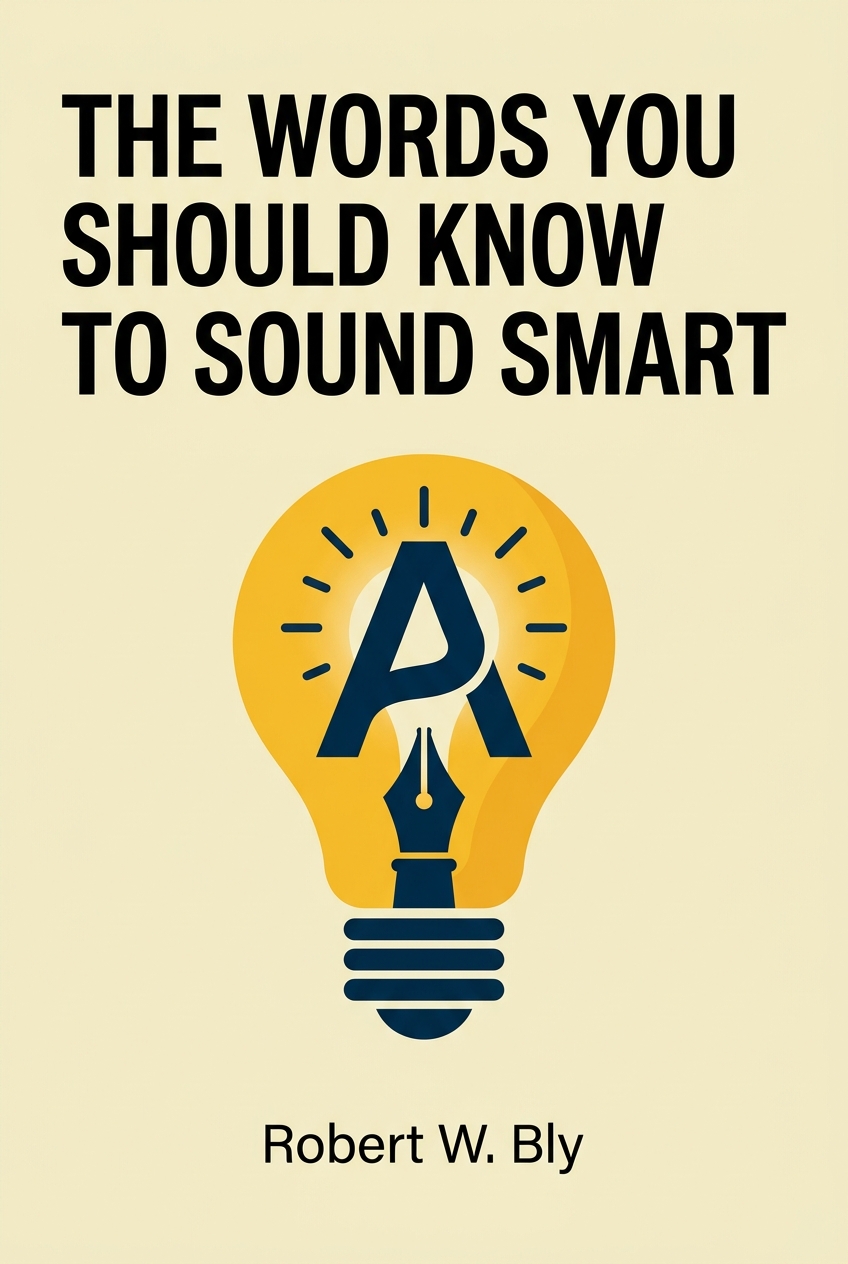
The Words You Should Know to Sound Smart
Master 1200 essential words to elevate your conversations and writing.
- Learn the vocabulary used by the most articulate and persuasive people.
- Understand how to use powerful words in their proper context.
- Boost your confidence and communicate more effectively.
Anyone wanting to enhance their vocabulary and communication skills.
Master 1200 essential words to elevate your conversations and writing.
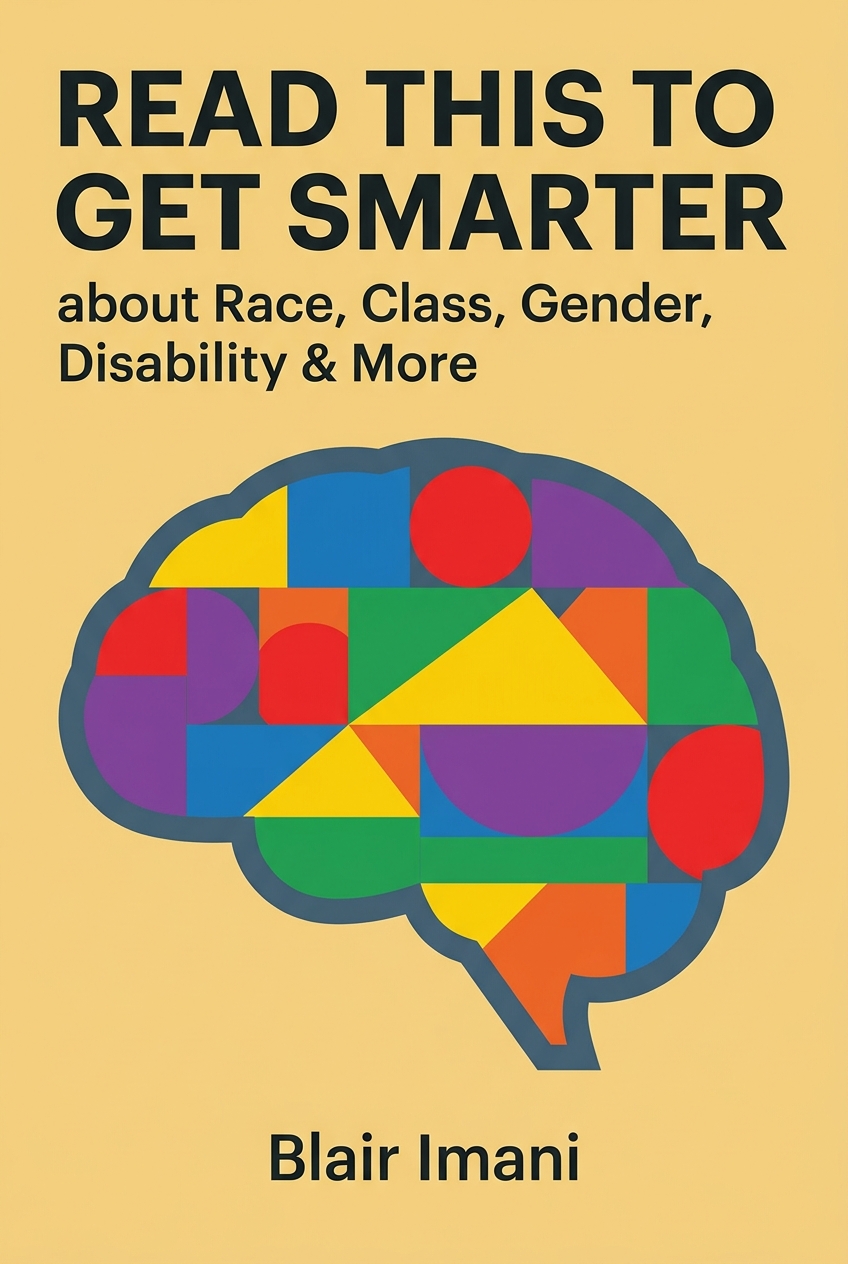
Read This to Get Smarter
Navigate crucial conversations about social topics with confidence.
- Understand the history and meaning of core concepts like intersectionality.
- Gain clear language to discuss race, gender, and disability.
- Receive practical tools to challenge your own biases and assumptions.
Readers looking for clear language to understand social justice issues.
Navigate crucial conversations about social topics with confidence.
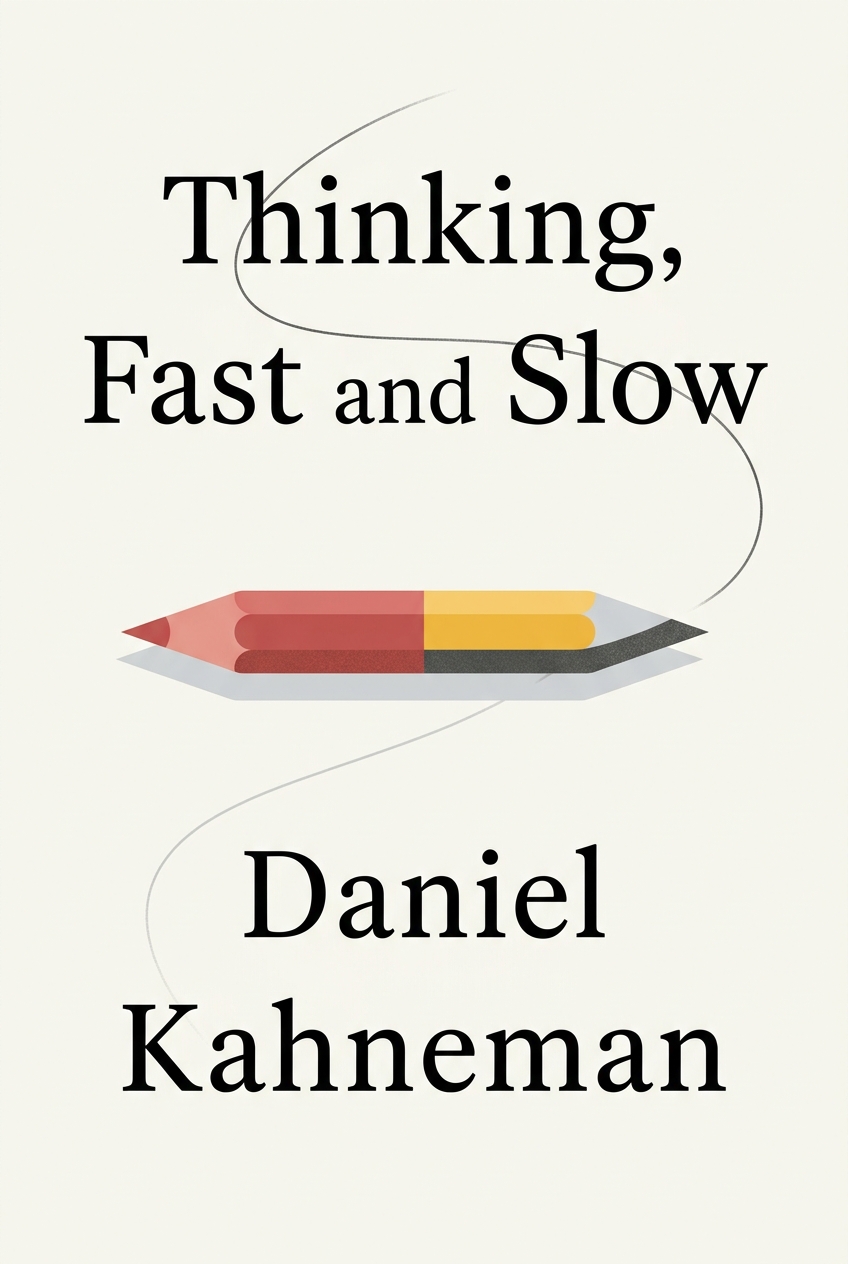
Thinking, Fast and Slow
Discover the two systems of thinking that govern your irrational mind.
- Understand the interplay between fast (System 1) and slow (System 2) thinking.
- Recognize the profound cognitive biases that shape your everyday choices.
- Develop practical strategies to make clearer, more effective judgments.
Those interested in psychology, behavioral economics, and decision-making.
Discover the two systems of thinking that govern your irrational mind.
Frequently Asked Questions
Books that make you smarter don't just give you facts; they teach you how to think. This includes titles covering critical thinking, learning strategies, cognitive biases, and effective communication. They provide new mental models for understanding the world and making better decisions.
To retain more, you must read actively, not passively. Take notes, ask questions about the text, and try to summarize the main arguments in your own words after each chapter. Books like 'How to Read a Book' and 'Super Learning' offer specific, powerful techniques for this.
While the content is the same, some studies suggest that reading physical books can lead to slightly better comprehension and retention compared to screens. However, the most important factor is your level of focus and engagement, regardless of the medium you choose.